Gold Jewelry Takes Center Stage as the Outfit Hero Piece
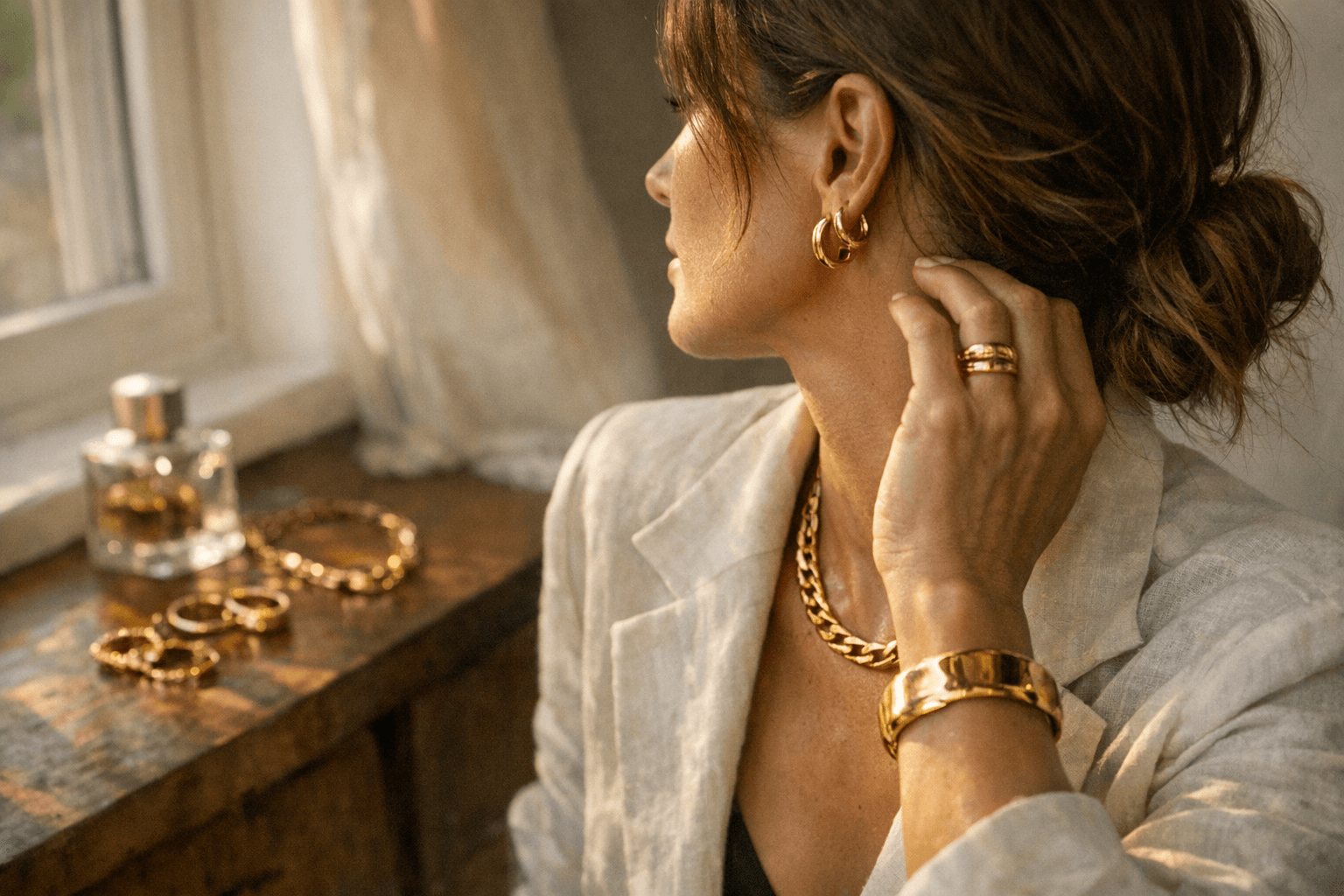
Gold has become the outfit-maker, not the afterthought. A chain, huggies, or a cuff can do more for your wardrobe than a whole box of mismatch pieces.
The new hero piece
Gold jewelry is no longer waiting politely in the background. The category is stepping into the same role a black blazer has always played in a wardrobe: the piece you return to, the one that makes everything else look more intentional. JCK’s framing is useful because it strips away the clutter of trend language and gets to the real question shoppers are asking: which gold piece earns its place first?
The answer is not a whole suite. It is a single anchor, worn well and worn often. JCK’s view is that jewelry has long had its own heroes, from a perfect gold chain to everyday huggies, and the current shift simply makes that truth more visible. Even the red carpet, where the gown has traditionally led and jewelry has played support, is moving toward a more assertive balance.
Why gold feels stronger right now
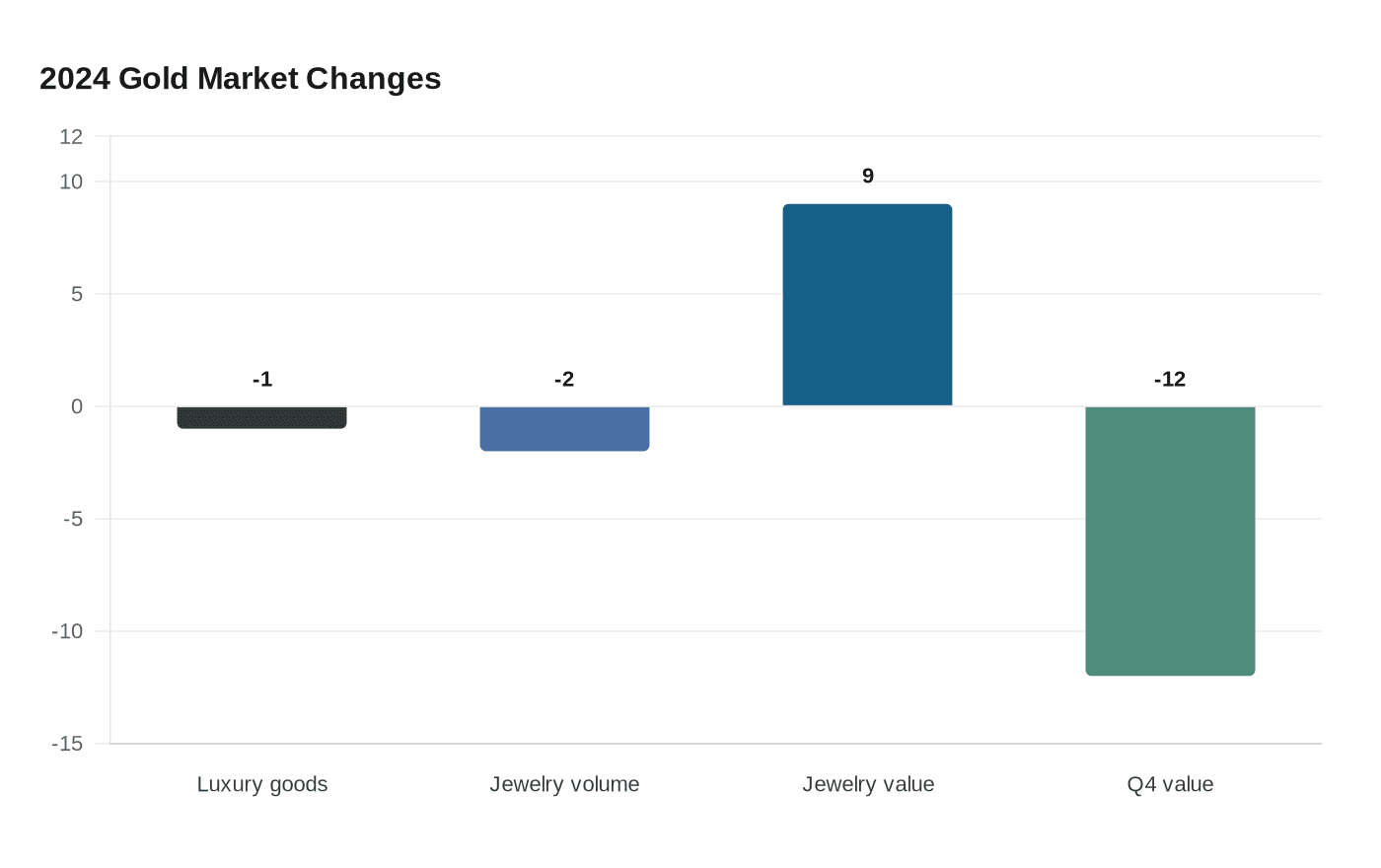
The market is telling the same story as the styling conversation. Bain & Company’s 2024 luxury study put the global luxury goods market at about €1.48 trillion, or $1.54 trillion, down 1% to 3% year over year, yet jewelry emerged as the most resilient segment. In other words, when luxury softened, jewelry held its shape better than most categories. National Jeweler summarized that resilience as brands looked for ways to win consumer attention in 2025, and gold sits at the center of that effort.
The World Gold Council adds the macro backdrop. Total gold demand reached a record 4,974 tonnes in 2024, while jewelry demand volume slipped only 2% year over year. Value told a different story: jewelry demand hit a record US$144 billion, up 9%. Even in the fourth quarter, when global jewelry demand fell 12%, the value still reached a new quarterly high of US$47 billion. That split between volume and value is the clearest sign that gold is being chosen for its lasting visual and emotional weight, not just for how much of it is sold.
There is also a shift in geography that matters. China ceded its position to India as the largest jewelry market in 2024, a reminder that gold’s appeal is not confined to one style capital or one luxury culture. It is moving where the appetite for visible value is strongest.
If you buy only one gold piece first, start here
Gold chains
A gold chain is the cleanest answer to the hero-piece question because it does so many jobs at once. It can sit alone against skin, disappear elegantly under a collar, or sharpen a simple knit and make it feel finished. That flexibility is exactly why JCK names the gold chain as one of jewelry’s classic heroes.
The chain is also the most efficient way to buy impact without overcommitting to a look. A good chain adds structure to basics, whether you are dressing a T-shirt, a button-down, or a tailored jacket. It is not shouting for attention; it is giving the rest of the outfit a center of gravity.
Everyday huggies
If the chain is the anchor at the neckline, huggies are the quiet frame around the face. Their value lies in precision: they sit close, read cleanly, and work with almost any hairstyle or neckline. JCK’s point about everyday huggies is exactly right, because they offer polish without the tension of a larger earring.
Huggies are especially compelling when you want jewelry to finish the look without competing with your clothes. They are the kind of piece you put on once and forget about, which is often the highest compliment in jewelry. That ease is what makes them such a strong first buy for someone building a real wardrobe, not a prop closet.
Cuffs and bracelets
If you want the most visible wrist statement, a gold cuff delivers it in one clean gesture. It has the kind of architectural presence that makes a sleeve look considered, especially with tailored shirts, compact knits, or a rolled jacket cuff. JCK’s historical reference to the 1980s is instructive here, because the power-suit era loved jewelry that could hold its own against strong shoulders and assertive tailoring.
That decade’s bold-gold vocabulary included oversized hoop earrings, thick gold chains, and stacks of bracelets. Today’s version is less about layering everything at once and more about choosing one strong line. A cuff gives you that line at the wrist, with enough visual weight to feel deliberate but not overloaded.
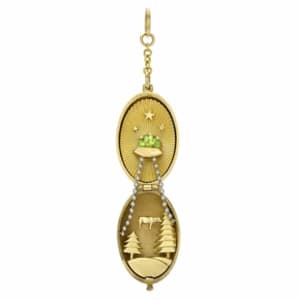
Statement pendants
A statement pendant works differently. Where a chain creates continuity and a cuff creates structure, a pendant creates a focal point. It draws the eye to the center of the body and makes even the simplest shirt or sweater feel composed.
This is where the current move away from full matching suites becomes useful. A pendant lets you keep the rest of the outfit calm, which means the jewelry does the styling work without asking for backup. If you want one piece to make a plain neckline look editorial, a pendant is often the sharpest choice.
How to build the outfit around the anchor
The smartest way to wear gold now is to let one piece lead and keep the rest disciplined. That is the real shift behind today’s “hero piece” mood: maximalism is less about piling on layers and more about letting one object carry the look. At the JCK shows in Las Vegas, the industry conversation around bold gold and elevated everyday pieces reflects that same instinct.
A simple rule helps:
- If the chain leads, keep the neckline clean and let the metal sit close to skin or fabric.
- If the huggies lead, leave the neck more open so the earrings can frame the face.
- If the cuff leads, give it room with a short sleeve, a rolled cuff, or soft tailoring.
- If the pendant leads, choose a neckline with enough negative space to let it land.
That restraint is what makes gold feel modern. The strongest looks do not try to compete with the jewelry; they are built to support it.
The long arc of bold gold
The return of substantial gold is not a random swing. JCK’s historical coverage ties chunky chains and oversized hoops to the bold-gold aesthetic of the 1980s, when power dressing demanded jewelry with enough presence to match it. That lineage matters because it explains why the current look feels both fresh and familiar: the pieces are simpler, but the attitude is the same.
What has changed is the styling logic. The old formula leaned into stacks, sets, and visible abundance. The new one is more exacting. One chain, one cuff, one pair of huggies, or one pendant can now do the work that a whole matched set once did.
Gold is winning because it is practical in the best sense of the word. It holds up in a softer luxury market, it performs in value as well as demand, and it gives everyday clothes a sharper point of view. That is why the best first gold purchase is the piece that changes the most outfits with the least effort, and why the right answer is usually a chain, huggies, a cuff, or a pendant that can carry the entire look.
This article was produced by Prism’s automated news system from verified source data, official records, and press releases, then run through automated quality and moderation checks before publishing. The system is built and supervised by the people who set the standards it runs under. Read our full AI policy.
Did this article answer your question?