New Mexico Couple Admits Selling Vietnamese Jewelry as Navajo-Made Work
A New Mexico couple pleaded guilty after six Vietnam shipments were passed off as Navajo-made jewelry, exposing how false origin stories inflate value.
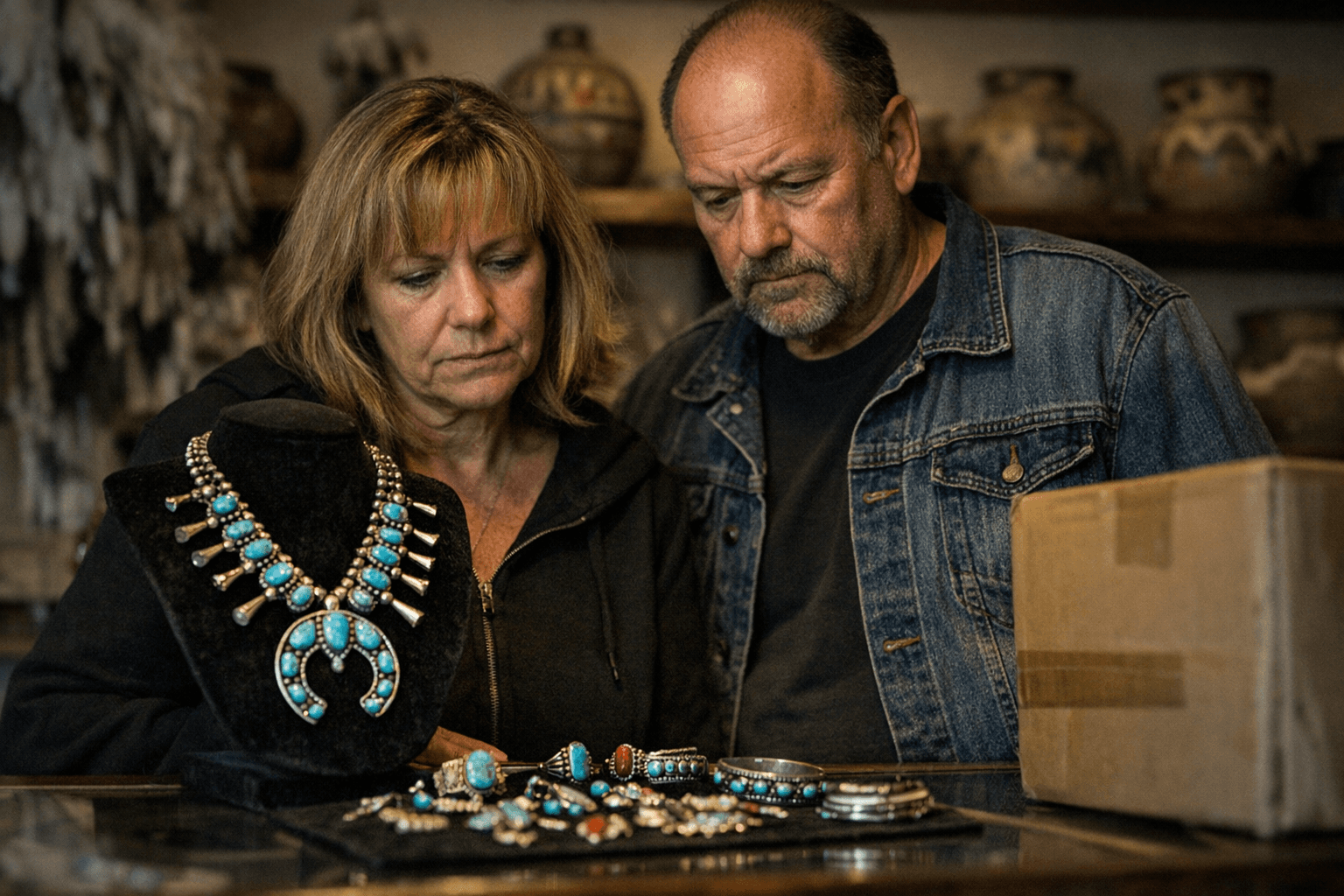
A New Mexico couple admitted that jewelry shipped from Vietnam was sold as Navajo-made, and the case shows how quickly a convincing origin story can turn craftsmanship into fraud. Kiem Thanh Huynh, 60, and My Ngoc Truong, 61, pleaded guilty in federal court in Asheville, North Carolina, to misrepresentation of Indian goods in an amount greater than $1,000 under the Indian Arts and Crafts Act and to smuggling. Federal authorities said six shipments from Vietnam were intercepted between December 2023 and July 2024, and the couple agreed to forfeit $341,967.98.
The pieces at the center of the scheme included pendants, bracelets and rings designed to resemble Native American-style jewelry, complete with inscriptions and other hallmarks commonly used by artists to authenticate handicrafts. Huynh and Truong co-owned MT Jewelry MFG., Inc. in Albuquerque, New Mexico, which advertised itself as making unique and handmade southwestern jewelry. Prosecutors said the couple sold the pieces at trade shows in Western North Carolina while claiming the work was made by Navajo artisans. That is the first test in any purchase: a maker’s mark means little without paperwork that ties the object to a real maker and a real place of origin.
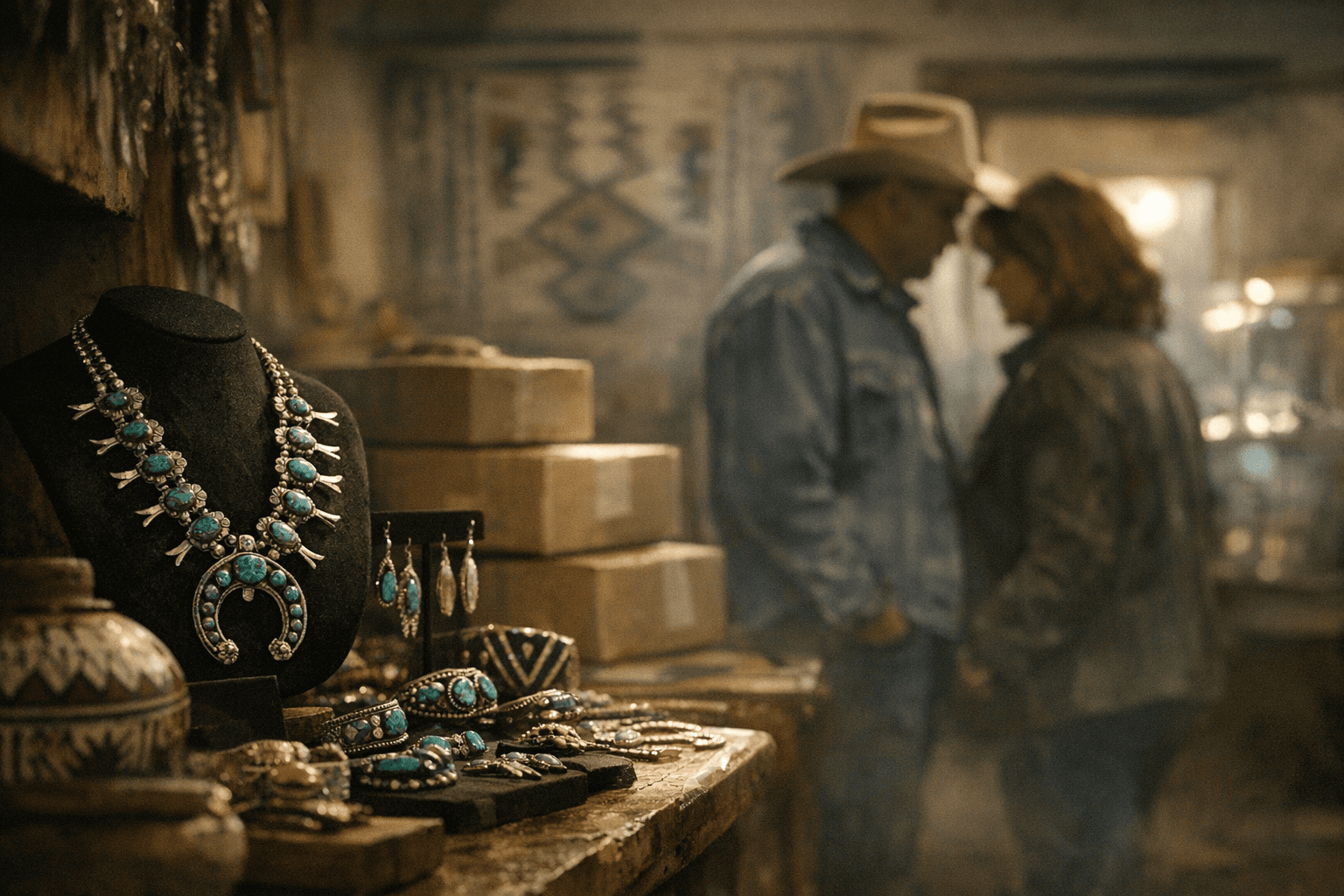
The Indian Arts and Crafts Act is a federal truth-in-marketing law overseen by the Department of the Interior’s Indian Arts and Crafts Board. The law, which covers Indian and Indian-style arts and crafts produced after 1934, bars false claims that a product is Indian-produced, Indian-made or made by a specific tribe or artisan. The Interior Department says goods marketed as Navajo Jewelry violate the law if they were not actually created by a Navajo citizen or certified Navajo artisan. Meridith Stanton, the board’s director, joined U.S. Attorney Russ Ferguson in announcing the case, which carries penalties of up to $250,000 and five years in prison for a first-time individual violation, and up to $1,000,000 for a business.
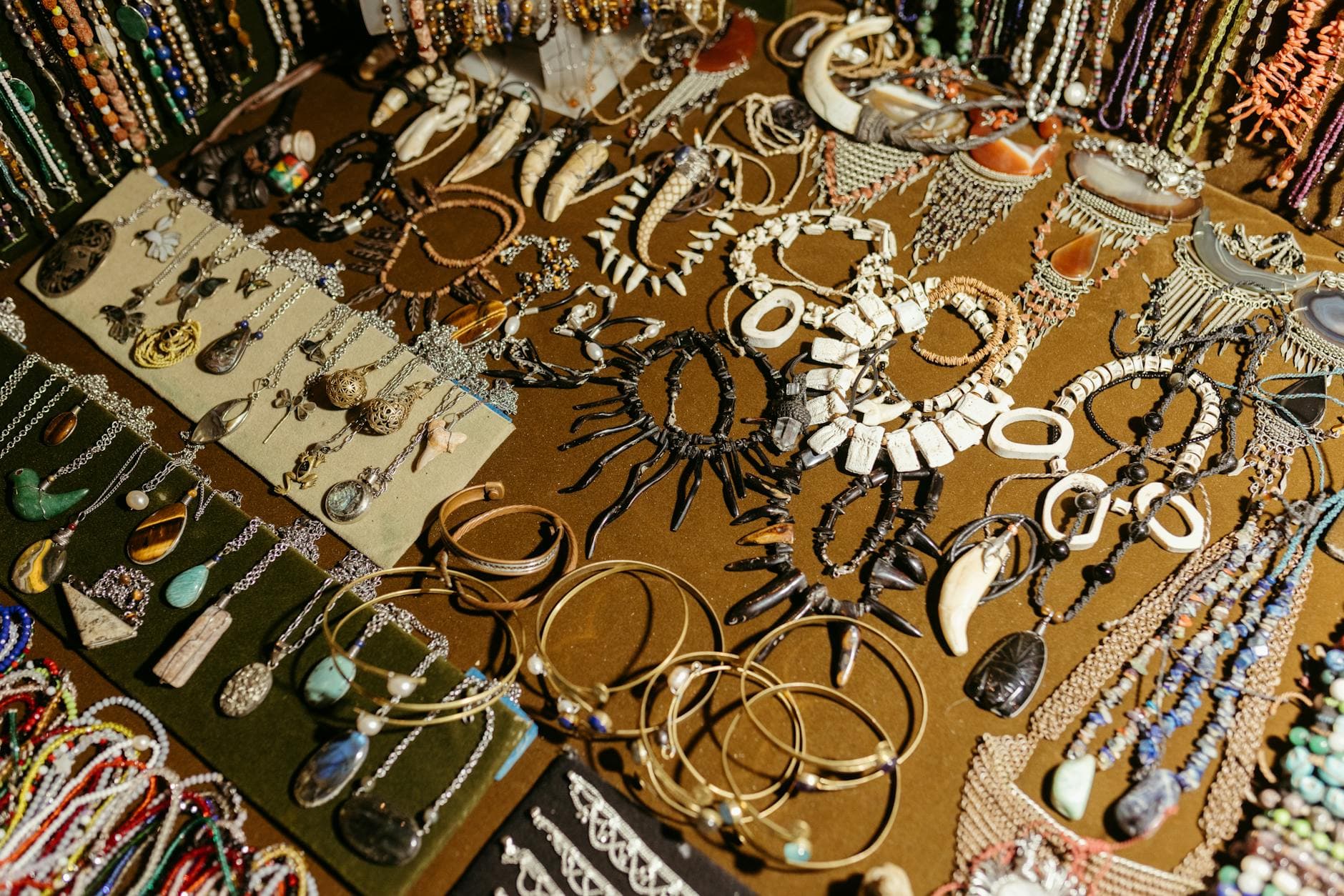
The warning reaches beyond one couple and one shipment. Federal prosecutors in New Mexico have pursued similar counterfeit Native arts cases before, including a 2019 scheme involving imported Native American-style goods from the Philippines and a 2025 case in which Robert Haack was convicted of selling more than $400,000 worth of counterfeit Charles Loloma jewelry. In a market where a stamped back, a tribal name and a polished sales pitch can add instant value, the safest purchase is the one that can survive a hard question about who made it, where it was made and why the story matches the object.
Know something we missed? Have a correction or additional information?
Submit a Tip