Gold Prices Slip as Strong Dollar and Rate-Cut Bets Weigh on Markets
Spot gold slid as much as 1.7% as a surging dollar and fading Fed rate-cut hopes overwhelmed safe-haven demand from a six-day U.S.-Iran conflict.
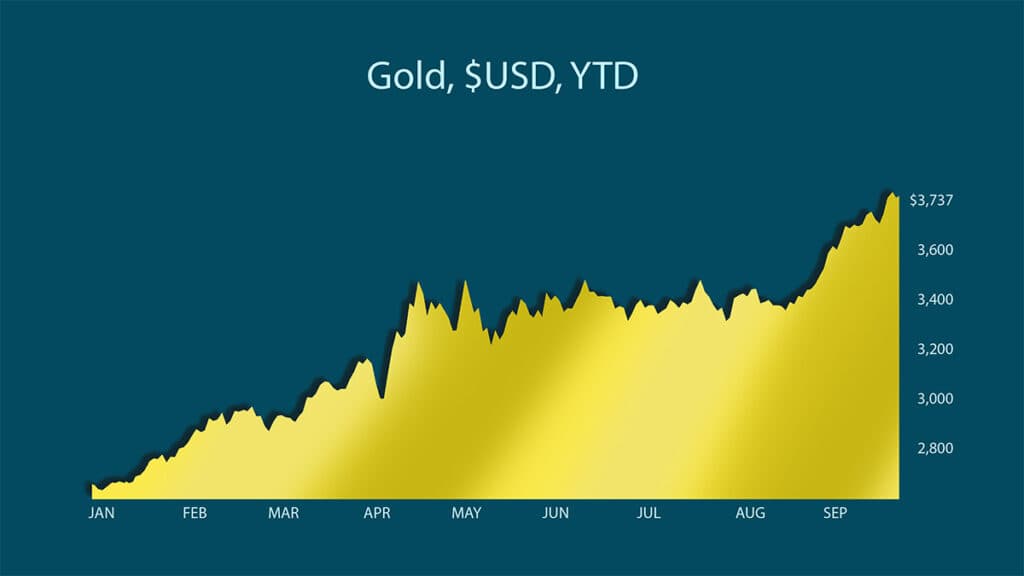
Gold's safe-haven narrative ran headlong into a wall of macroeconomic reality in early March, as a surging U.S. dollar and retreating expectations for Federal Reserve rate cuts pushed bullion sharply lower despite an escalating Middle East war. Spot gold dipped 1.1% to $5,118.16 per ounce by 1:31 p.m. ET on March 3, with intraday losses reaching as much as 1.7% during U.S. trading. U.S. gold futures for April delivery settled 1% lower at $5,125.80, though separate reporting placed the futures decline at more than 3%, a discrepancy that likely reflects different contracts or session windows.
The dollar gained for a third consecutive session, rising to an over one-month peak, while Treasury yields climbed for a second straight day. The Bloomberg Dollar Spot Index advanced as investors sought liquidity, a dynamic that makes dollar-denominated gold more expensive for buyers holding other currencies. One market strategist told Reuters that what appeared to be a more than 5% pullback in gold over a broader window looked like a flight to liquidity or cash, though he described it as likely short-lived.
Phillip Streible, chief market strategist at Blue Line Futures, captured the tug-of-war precisely: "The higher dollar index, rising treasury yields and lack of interest-rate cuts are the negative factors, but the conflict in the Middle East has been generating some safe-haven flows."
The conflict in question, between the U.S. and Iran, entered its sixth day with no resolution in sight. Two tankers were ablaze in Iraqi waters in what Reuters described as an apparent escalation in Iranian attacks that have cut off Middle East energy supplies, sending oil prices sharply higher on the day. U.S. stocks fell nearly 2% as investors priced in the possibility of a prolonged conflict. Yet despite the chaos, macro forces were overriding the geopolitical premium typically baked into gold.
TD Securities, in a note cited by Phoenixrefining, argued the metal's longer-term case remains intact: "Gold is set to benefit from geopolitical instability, less risk appetite and inflation concerns amid skyrocketing energy costs." The bank added that speculators who had trimmed long positions may view current developments as an opportunity to re-enter the market. Near term, though, the path for bullion "will likely hinge less on battlefield developments and more on incoming inflation data and signals from the Federal Reserve."

Not all precious metals fell in equal measure. Spot silver eased 1% to $84.90, a relatively modest retreat for a metal that gained more than 146% last year. Analysts at BMI projected silver will average $93 per ounce in 2026, with strong investment demand absorbing price-induced softness in solar panel and jewelry fabrication. Spot platinum lost 1.1% to $2,145.75, while palladium fell 1% to $1,620.86.
One notable counterweight to the day's selling came from institutional buying. Chile's central bank made its first major gold purchase since at least 2000, boosting reserves to $1.108 billion in February from just $42 million in January, a move that brought gold to 2.2% of the country's total reserves. Central bank accumulation of that scale, even from a single institution, signals the kind of structural long-term confidence in gold that daily dollar swings tend to obscure.
As long as the dollar holds its footing and the Fed shows no urgency toward rate cuts, gold faces a difficult near-term setup, even with a war driving energy prices higher and safe-haven instincts pulling in the other direction.
Know something we missed? Have a correction or additional information?
Submit a Tip