Gold prices volatility strains jewelry demand, buyers hesitate ahead of Akshaya Tritiya
Gold’s drop to $4,779.97 an ounce offered little relief as Akshaya Tritiya shoppers in India delayed purchases and traded down to lighter, lower-carat pieces.
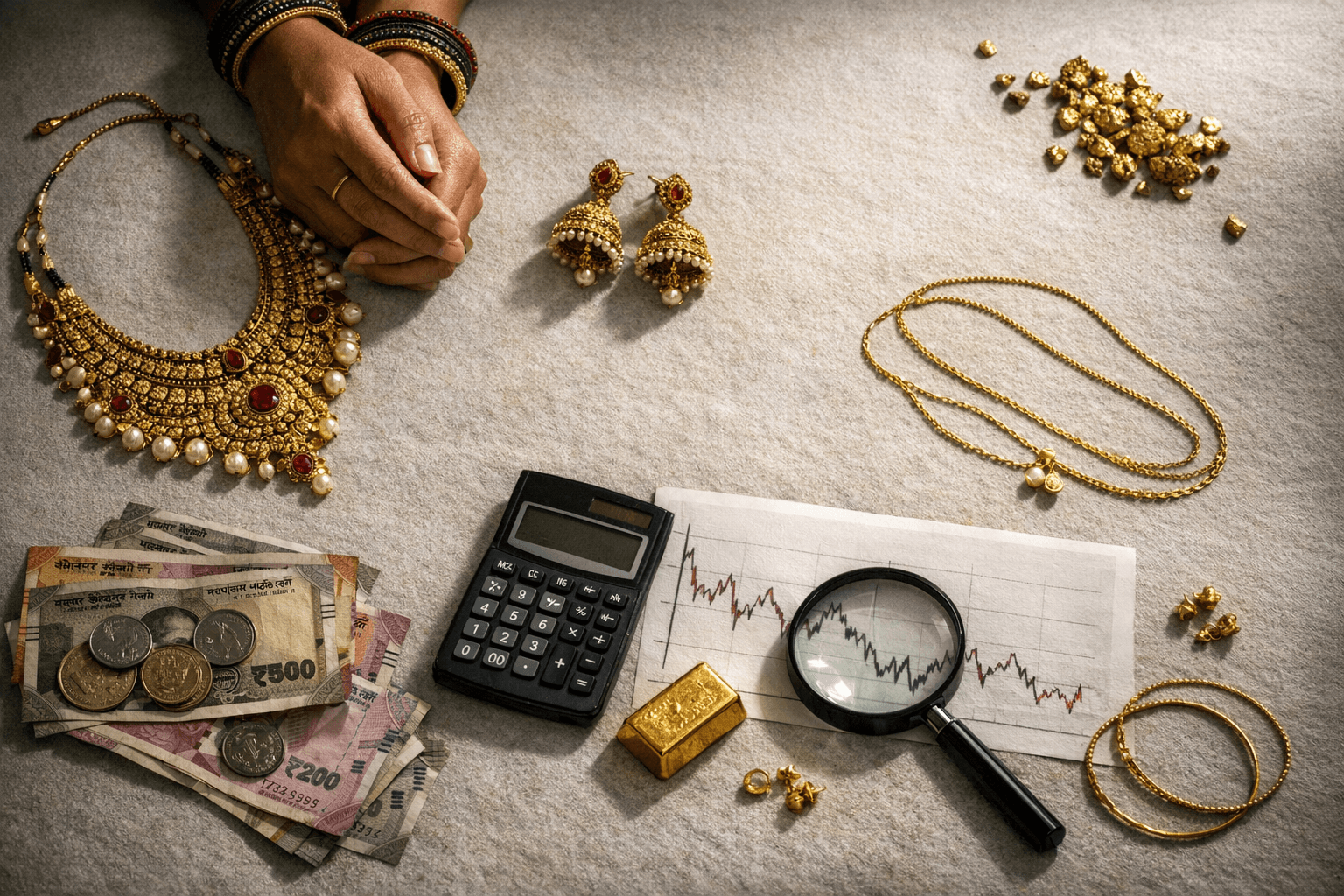
Gold’s slide to $4,779.97 an ounce on April 22 gave jewelry buyers only a narrow window of relief. The metal was down 0.84% in 24 hours, but it remained high enough to keep festive shoppers cautious and to push many households toward lighter designs, lower-carat gold and, in some cases, imitation pieces.
That hesitation matters most in the categories most directly tied to weight. Chains, bangles and bridal basics reprice first because they carry the most gold in the fewest grams, so every move in bullion shows up quickly at the counter. In a volatile market, the safest buys are the pieces that keep their visual impact without relying on heavy gold content, while oversized sets and dense bangles absorb the sharpest price swings.
The World Gold Council said gold had already logged more than 50 all-time highs in 2025 and delivered a return of more than 60%, a reminder that the market entered 2026 from an elevated base. Its outlook for this year points to geoeconomic uncertainty, a weaker U.S. dollar, central bank demand and investor appetite for diversification and stability. That backdrop helps explain why a one-day pullback has not been enough to reset consumer confidence.
In India, domestic demand was modest ahead of Akshaya Tritiya as high prices weighed on retail buying. Domestic gold was trading around 153,200 rupees per 10 grams on April 17 after touching 155,065 rupees earlier in the week, the highest in a month. A Bengaluru jeweller said buyers were not keen to book gold in advance this year because prices were higher. In Indian-administered Kashmir, the strain was even more visible: one goldsmith in Srinagar said 150 grams of pure gold cost about $27,500, while families increasingly looked at imitation jewellery, gold-plated ornaments and lower-carat alternatives.
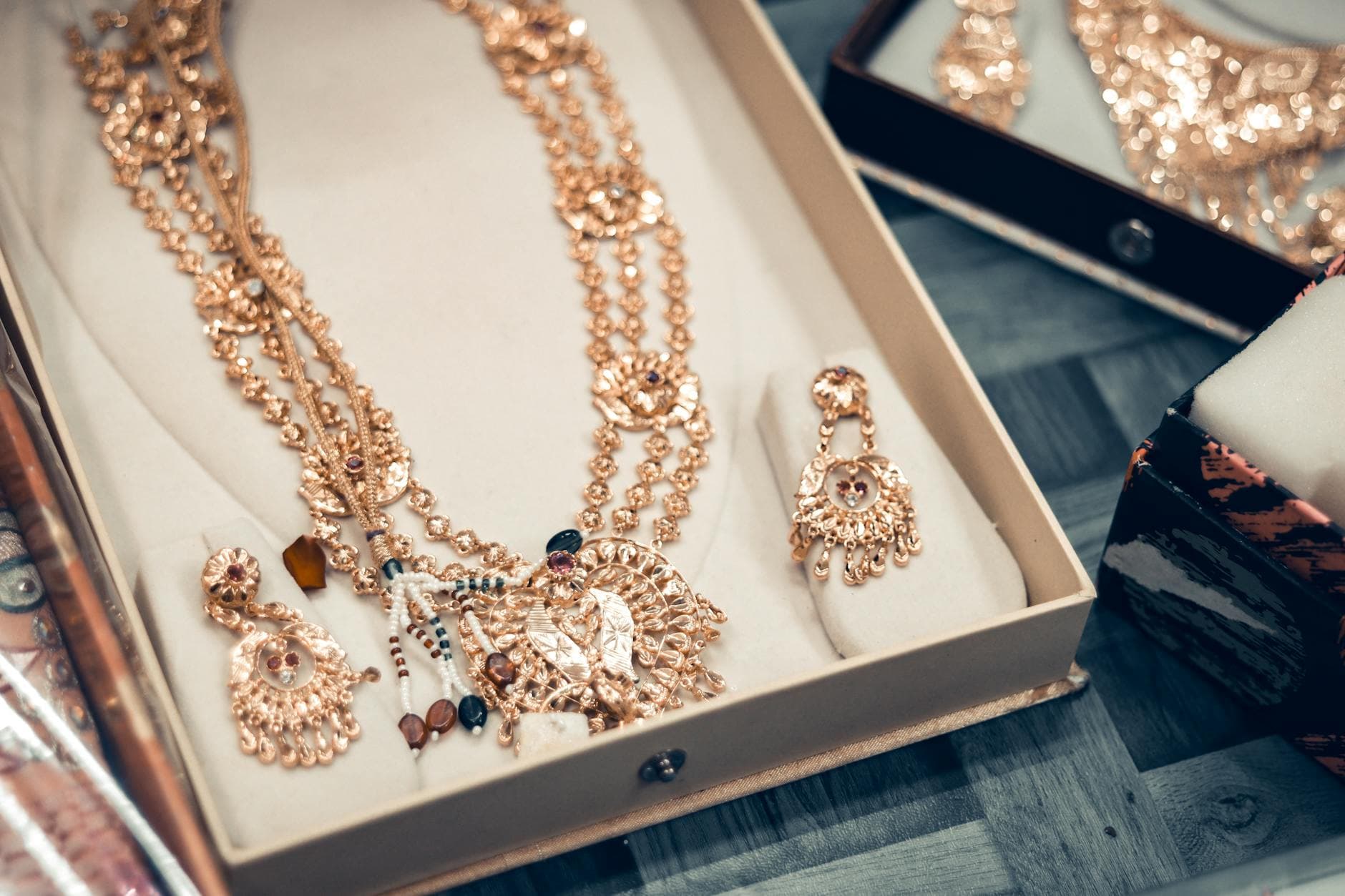
The pressure is showing in the numbers. Gold jewellery demand in India fell 24% in 2025 from 2024, and the market still has not shaken off the shock from January, when gold hit $5,595 an ounce on the 29th. China has offered a different kind of support, with premiums only $3 to $6 an ounce over the global benchmark and buying driven mainly by central banks. Even so, the World Gold Council said Chinese wholesale gold demand rebounded 57% month over month in March to 134 tonnes, while local gold ETFs ended the first quarter with record inflows of RMB59 billion, or $8.5 billion.
For shoppers, the message is blunt: volatility rewards restraint. Buy the look, not the heaviest version of it, and favor cleaner silhouettes that can hold their appeal even if bullion keeps whipping higher.
This article was produced by Prism’s automated news system from verified source data, official records, and press releases, then run through automated quality and moderation checks before publishing. The system is built and supervised by the people who set the standards it runs under. Read our full AI policy.
Did this article answer your question?