India Gold Premiums Hit Two-and-a-Half-Month High as Supply Tightens
India’s gold premiums climbed to a two-and-a-half-month high as supply tightened, a warning sign for pricier 22K bridal pieces and leaner discounts.
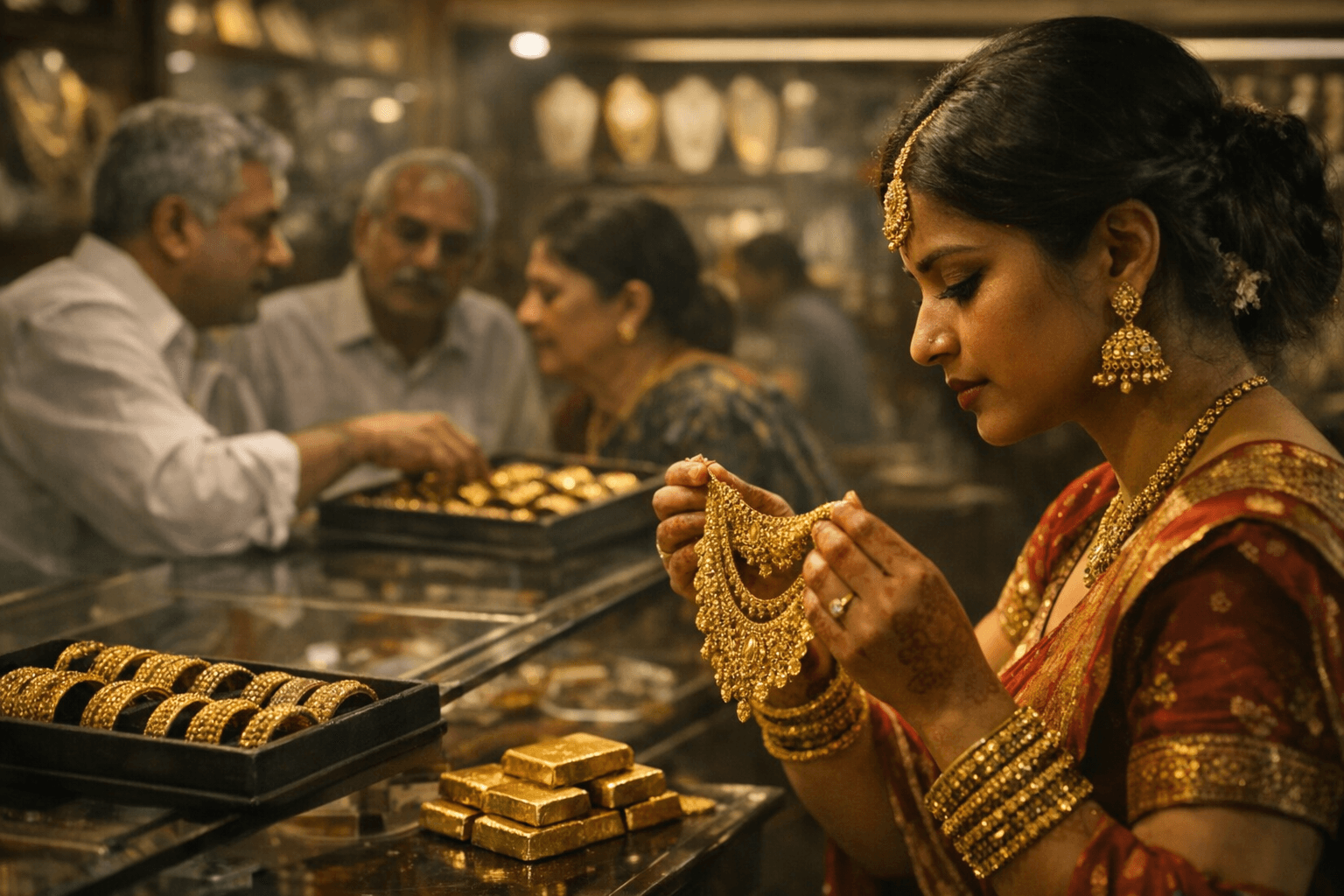
India’s gold market flashed an early warning for jewelry buyers as premiums climbed to their highest level in more than two and a half months, a move driven by tighter supply and banks pausing imports. For shoppers, that usually shows up first in the pieces that carry the most weight and the most expectation: wedding necklaces, 22K bangles, and high-purity sets meant to be worn as both adornment and store of value.
The pressure matters because Indian gold jewelry is not just decorative. It is often built in thick, high-karat forms that depend on steady bullion flow, especially in the run-up to wedding buying. When imports slow, manufacturers have less room to absorb costs. The result can be higher premiums, fewer bargain offers, and longer lead times for pieces that once moved quickly from workshop to showcase.
China added to that squeeze. Physical buying there strengthened, and Shanghai premiums rose as local demand firmed. That combination matters because the world’s two largest gold markets rarely move in isolation. When both India and China are pulling harder on supply at the same time, the pressure tends to ripple through the rest of the trade, tightening the market for the very forms buyers prize most: heavier chains, bridal suites, and investment-minded jewelry that leans on purity rather than ornament.
For consumers, the immediate implication is less about headline spot prices than about what sits behind the counter. A 22K necklace or bracelet may not look different from one week to the next, but a tighter import pipeline can mean the retailer has less room to negotiate, the maker has less flexibility on sourcing, and the final bill carries more of the market’s strain. In practice, that can make high-purity gold jewelry feel more expensive even before the metal price itself has made a dramatic move.
The broader message is simple: gold jewelry is still being shaped by local buying and local shortages, not just by global charts. India’s premium surge, paired with stronger Chinese physical demand, is the kind of market signal that reaches bridal counters and investment cases before it becomes obvious in the wider retail price tag.
This article was produced by Prism’s automated news system from verified source data, official records, and press releases, then run through automated quality and moderation checks before publishing. The system is built and supervised by the people who set the standards it runs under. Read our full AI policy.
Did this article answer your question?