Miri Police Arrest Nine Suspects, Recover Gold Rings in Batu Niah Robbery
Nine suspects, including a 17-year-old, arrested for a pre-dawn home invasion in Batu Niah; police recovered two gold rings within 24 hours under Op Casa.
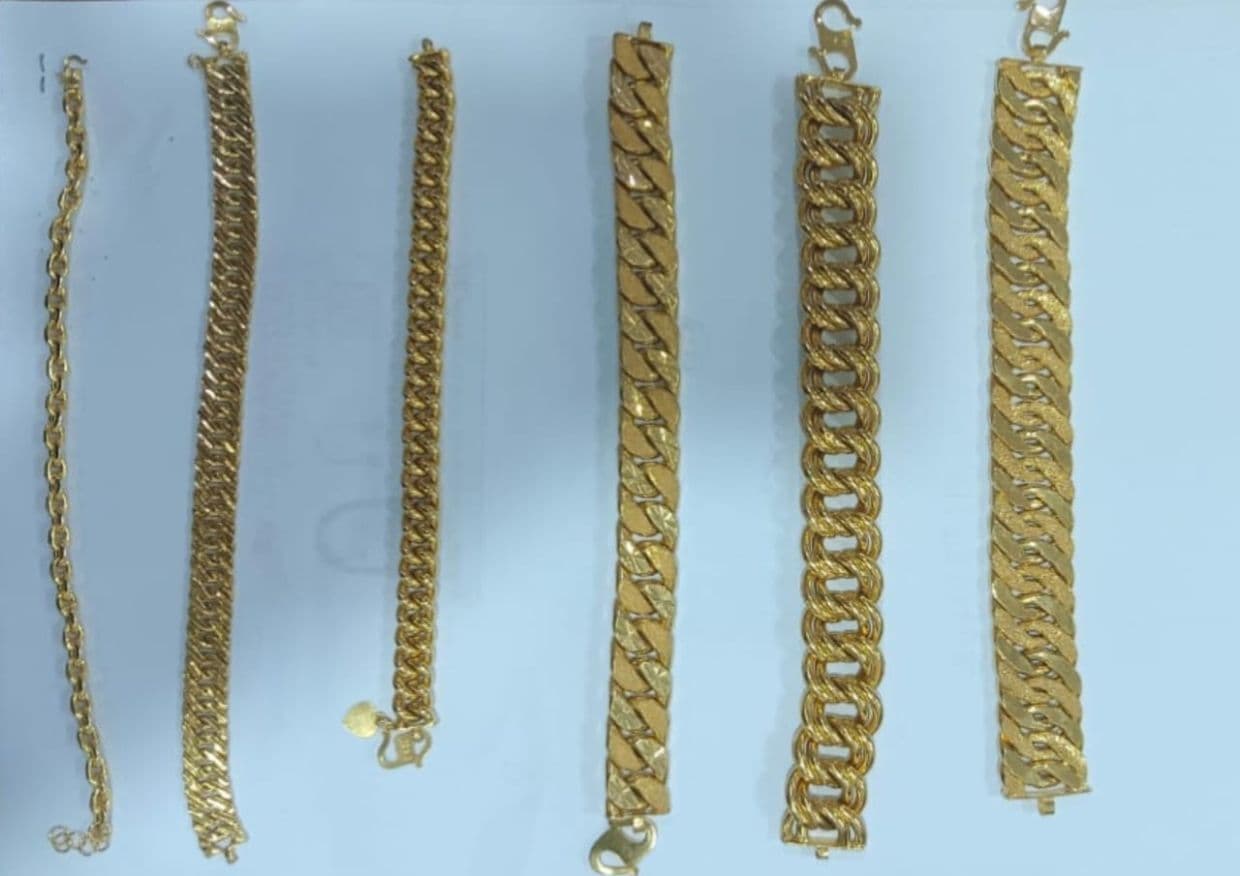
Nine people, including a 17-year-old, were arrested over a pre-dawn gang robbery at a residential property in Goodwill Garden, Jalan Sepupok, Batu Niah, Miri, in an operation that recovered two gold rings among the stolen valuables.
Miri District Police Chief ACP Mohd Farhan Lee Abdullah said the break-in occurred at approximately 4.48 am on March 27, when a group of suspects forced open the front door while the victim was inside. Once inside, they restrained the occupant and fled with two mobile phones, a tablet, and two gold rings.
Acting on the victim's report, officers from the Criminal Investigation Department of IPD Miri launched Op Casa. Five suspects were in custody within 24 hours; follow-up operations secured the remaining four. All nine are now remanded at Miri Central Police Station, with urine screens confirming every suspect tested positive for drugs. The case is being investigated under Section 395 of the Penal Code, which governs gang robbery. The group, ranging in age from 17 to 48, comprised eight men and one woman.
During the arrests, police recovered one mobile phone and both gold rings, a partial but significant result given how quickly such items typically disappear into the resale chain.
Gold's appeal to residential burglars is not accidental. A pair of rings fits in a pocket and can be converted to cash within hours, whether through pawnshops, scrap gold dealers, or online resale platforms. Unlike mobile phones, which carry serial numbers and depreciate sharply once stolen, gold holds its full value in weight and karat alone. A 22-karat band stripped of engraving offers investigators almost nothing to trace once it crosses from thief to buyer, which is precisely why the window between theft and conversion is so narrow.

The loot taken from Goodwill Garden illustrates the modern bundle logic of residential heists: electronics fund the immediate need, while gold provides the longer-term return. At scrap counters and informal markets, rings are accepted with minimal documentation. Anyone approached with unexpectedly priced gold jewelry, particularly pieces sold without receipts and offered in mismatched lots, should treat the transaction with serious scrutiny.
For victims, speed is the most critical variable. Filing a police report immediately, while providing the clearest possible physical description of each piece, including estimated weight, karat stamp, any engraved dates or initials, and distinctive wear, gives investigators and pawnshop inspectors something concrete to match. Photographs, jeweler's receipts, and insurance appraisals narrow the margin considerably. The faster a description circulates, the harder it becomes for a thief to pass the pieces off as their own.
In Batu Niah, swift action under Op Casa meant the two rings came home. That outcome is far less likely once gold has passed from the original thief to a secondary buyer, at which point the chain of possession becomes nearly impossible to reconstruct.
Know something we missed? Have a correction or additional information?
Submit a Tip