Netflix documentary may revive the tennis bracelet in gold
A Netflix documentary about Chris Evert and Martina Navratilova could push the tennis bracelet back into view, especially in 18k yellow gold and diamond line styles.
Chris Evert’s bracelet story is back where fashion loves it most, at the intersection of sport, memory, and a very readable flash of gold. Netflix’s new documentary, *Chris & Martina: The Final Set*, could give the tennis bracelet a fresh run, especially for readers drawn to 18k yellow gold, white gold, and the clean, uninterrupted line of diamonds that made the silhouette famous.
The courtside moment that made the bracelet
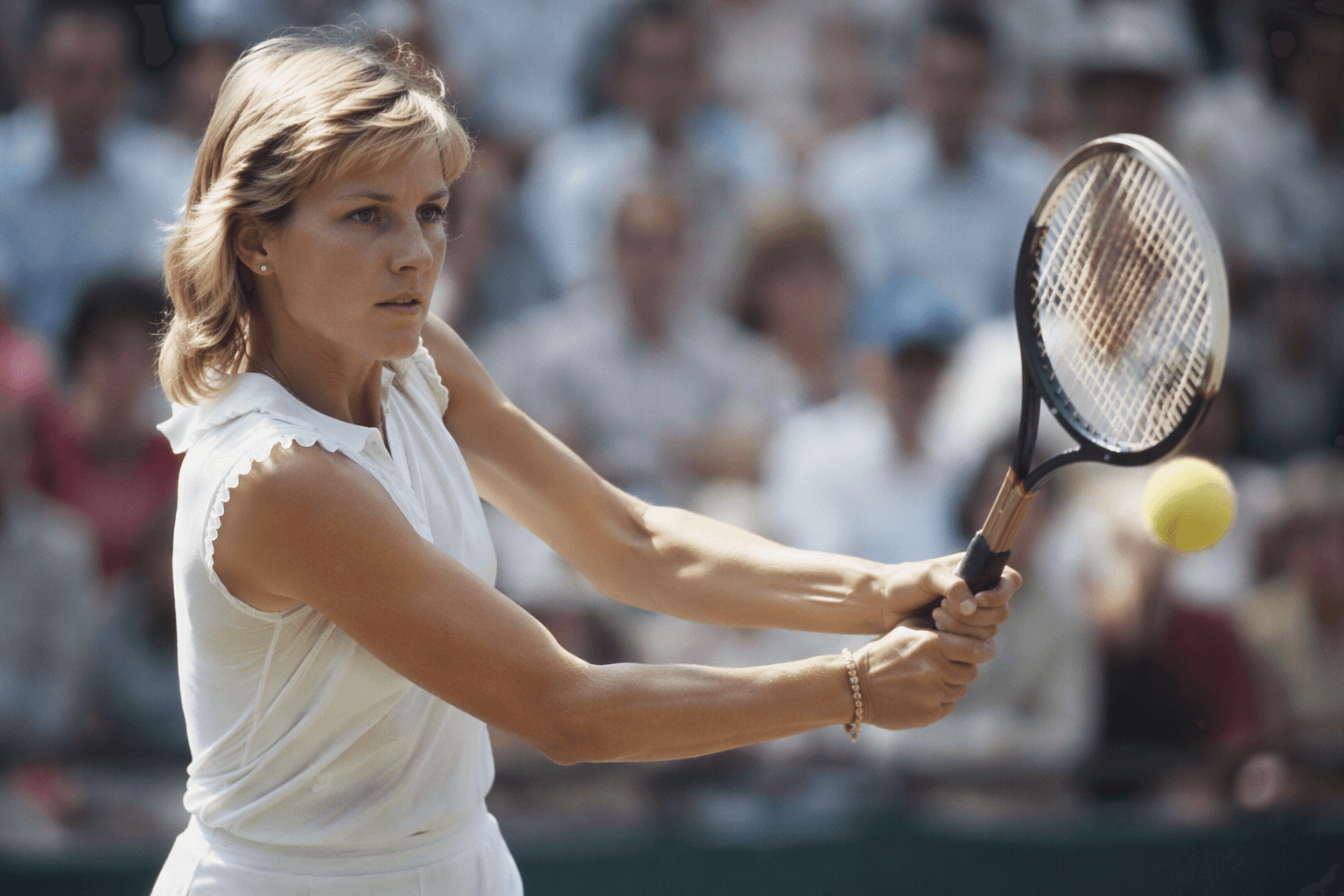
The tennis bracelet’s most durable origin story comes from the 1978 U.S. Open, held Aug. 28 to Sept. 7 in Forest Hills, Queens. Evert lost her diamond bracelet during a match, play stopped while it was found, and the image stuck. Monica Rich Kosann, which later built a collaboration around Evert’s name, describes the piece on her wrist that day as a white-gold and diamond line bracelet.
That detail matters because the bracelet was never just about sparkle. It was a narrow, flexible line of stones in precious metal, the kind of design that reads as refined on court and even sharper under stadium lights. Evert was already a major figure at that point, with six U.S. Open women’s singles titles in the Open era, tying Serena Williams for the record.
Why the documentary could matter now
The documentary brings a wider audience to the rivalry that helped define a generation of women’s tennis. Evert and Martina Navratilova met 80 times over 16 years, with 60 of those matches in finals, a level of repeated drama that gives the bracelet story more cultural weight than a simple style anecdote. Netflix frames the film around their decades-long dominance of women’s tennis and a friendship that even cancer could not upset, which gives the jewelry lore a human story to attach to.
That is exactly why the tennis bracelet can come back so easily. It is not a logo piece or a loud status symbol. It is one of those rare jewelry forms that carries its own biography, and when the biography gets a new audience, the look itself suddenly feels newly legible.
How the gold version has evolved
The current gold version of the tennis bracelet is broader than the original court-side image. Monica Rich Kosann launched the Tennis Bracelet-CE collection with Evert in 2022, and the line now spans 18k white gold, 18k yellow gold, sterling silver, and steel. That range tells you where the market sits: there is a polished fine-jewelry end, and there is also a more accessible, everyday version of the same visual idea.
For readers weighing materials, the distinctions are straightforward. An 18k gold bracelet carries a richer yellow tone and a stronger fine-jewelry signal than sterling silver or steel, while the lower-cost versions make the look more attainable without changing the basic language of the design. The gold versions are the ones that feel closest to the original glamour of the line bracelet, especially when the stones are set closely enough to create a continuous ribbon.
What to look for in a real tennis bracelet
A true tennis bracelet should read as a precise line of linked stones, not a chunky, decorative chain pretending to be one. The best versions stay supple so they move with the wrist, and the setting should protect the stones without swallowing them. In gold, the metal color changes the whole mood: white gold pushes the diamonds into a cooler, more modern register, while yellow gold gives the piece warmth and a little more vintage softness.
Monica Rich Kosann’s Evert collaboration makes that choice visible. The brand offers a Classic 3 Carat Diamond Tennis Bracelet in 18K Yellow Gold, which lands squarely in the fine-jewelry lane and shows how the style has shifted from pure athletic lore to something you might wear with a blazer, a knit, or a stack of slimmer bracelets. The “Born 1978” origin story attached to some versions also keeps the courtside myth alive, but the more important point is the construction: a disciplined line of diamonds set in gold, not a generic bracelet with a few stones sprinkled on top.
How the look is being worn now
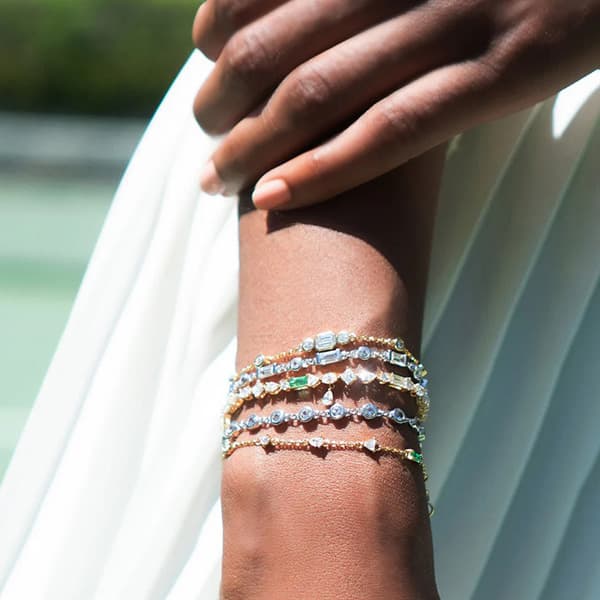
What feels current about tennis jewelry is the layering. The bracelet no longer has to stand alone; it can sit beside a rivière necklace, a second bracelet, or a mixed wrist of warm metals and slimmer gold forms. That makes the style easier to wear in 2026 taste, where clean lines and familiar icons are often stacked rather than isolated.
The documentary may help the bracelet again because it offers a clear visual anchor in a crowded jewelry landscape. A diamond line bracelet in 18k yellow gold is easy to recognize, easy to style, and easy to read as a classic without looking stale. If the film sends shoppers back toward the category, the strongest versions will be the ones that still honor the original courtside silhouette while giving the wearer a sharper choice between white gold brightness, yellow gold warmth, and the everyday practicality of sterling silver or steel.
This article was produced by Prism’s automated news system from verified source data, official records, and press releases, then run through automated quality and moderation checks before publishing. The system is built and supervised by the people who set the standards it runs under. Read our full AI policy.
Did this article answer your question?