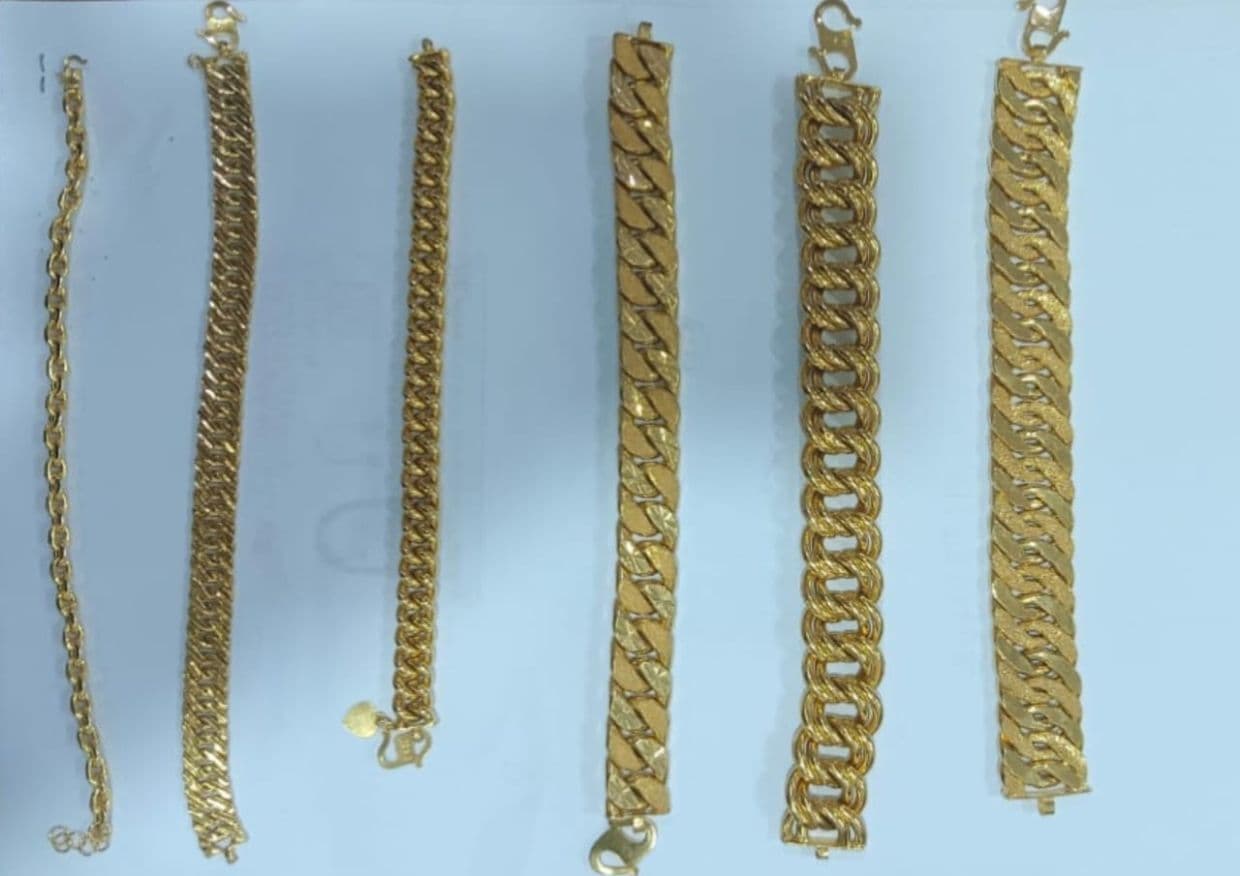
Two Bangkok Travelers Caught Smuggling Gold Chains at Kolkata Airport
Two men flying in from Bangkok were caught at Kolkata's NSCBI Airport with 662 grams of undeclared gold chains worth Rs 1 crore, part of a broader 6 crore enforcement sweep.
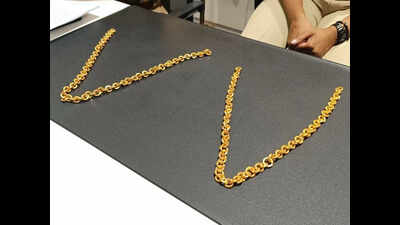
What customs officers found at Kolkata's Netaji Subhas Chandra Bose International Airport on April 2 was, on the surface, straightforward: two men, two gold chains, one flight from Bangkok. What it points to is a problem far messier than the seizure itself.
The two travelers were stopped at a naka checkpoint, the kind of secondary screening that airport officials deploy when passenger profiles or flight routes raise flags. Each man was found carrying one gold chain, with each piece weighing approximately 331 grams. The pair of chains together tipped the scales at roughly 662 grams and carried a declared market value of close to Rs 1 crore. Neither was declared at the customs counter. The arrest was part of a broader enforcement sweep that day, one that also netted significant foreign currency, pushing the combined seizure to approximately Rs 6 crore.
Investigations remained ongoing into the intended destination of the gold and whether the two men were acting as couriers for a larger syndicate. The Bangkok-Kolkata corridor has attracted sustained customs scrutiny; Thailand is a known transit point for gold sourced outside standard supply chains, and carriers typically conceal jewelry as personal ornaments or attempt to move it past green-channel customs without declaration.
The Rs 6 crore figure is not just a headline number. It represents the scale at which undeclared gold and forex can move through a single airport on a single day, and that scale has real consequences for the retail buyer who walks into a jewelry store in good faith.
When illicit gold enters a city's supply chain, it does not announce itself. It gets melted, recast, and often sold without the Bureau of Indian Standards hallmark that India's government made mandatory for gold jewelry above 14 carats. A BIS hallmark carries a six-digit alphanumeric code unique to each piece, a purity grade (22K or 18K, not the vague "gold" label many shopkeepers still use), and the year of hallmarking. Buyers should physically locate this stamp under a loupe before purchasing; a shopkeeper's verbal assurance is not a substitute.

Cash-only pricing is the other tell. Smuggled gold frequently enters the market through transactions designed to avoid paper trails. Insist on a GST-compliant invoice that lists the weight of gold, making charge, stone weight if applicable, and purity grade. A seller reluctant to issue one is a seller worth walking away from.
Buyback terms, too, reveal a great deal. Reputable jewelers offer documented buyback policies tied to prevailing BIS-certified gold rates. A shop that offers buyback only "by discussion" or ties it to in-store credit for new purchases is often working with inventory it cannot fully account for.
The two men arrested at NSCBI Airport will face proceedings under the Customs Act, 1962, which governs both seizure and penalty for undeclared goods. The gold chains they carried are now in state custody, their journey ended at a checkpoint. The gold that does not get caught ends up somewhere. Knowing what a hallmark looks like, what an invoice should say, and what a buyback clause must include is how a buyer ensures it does not end up on their wrist.
Know something we missed? Have a correction or additional information?
Submit a Tip