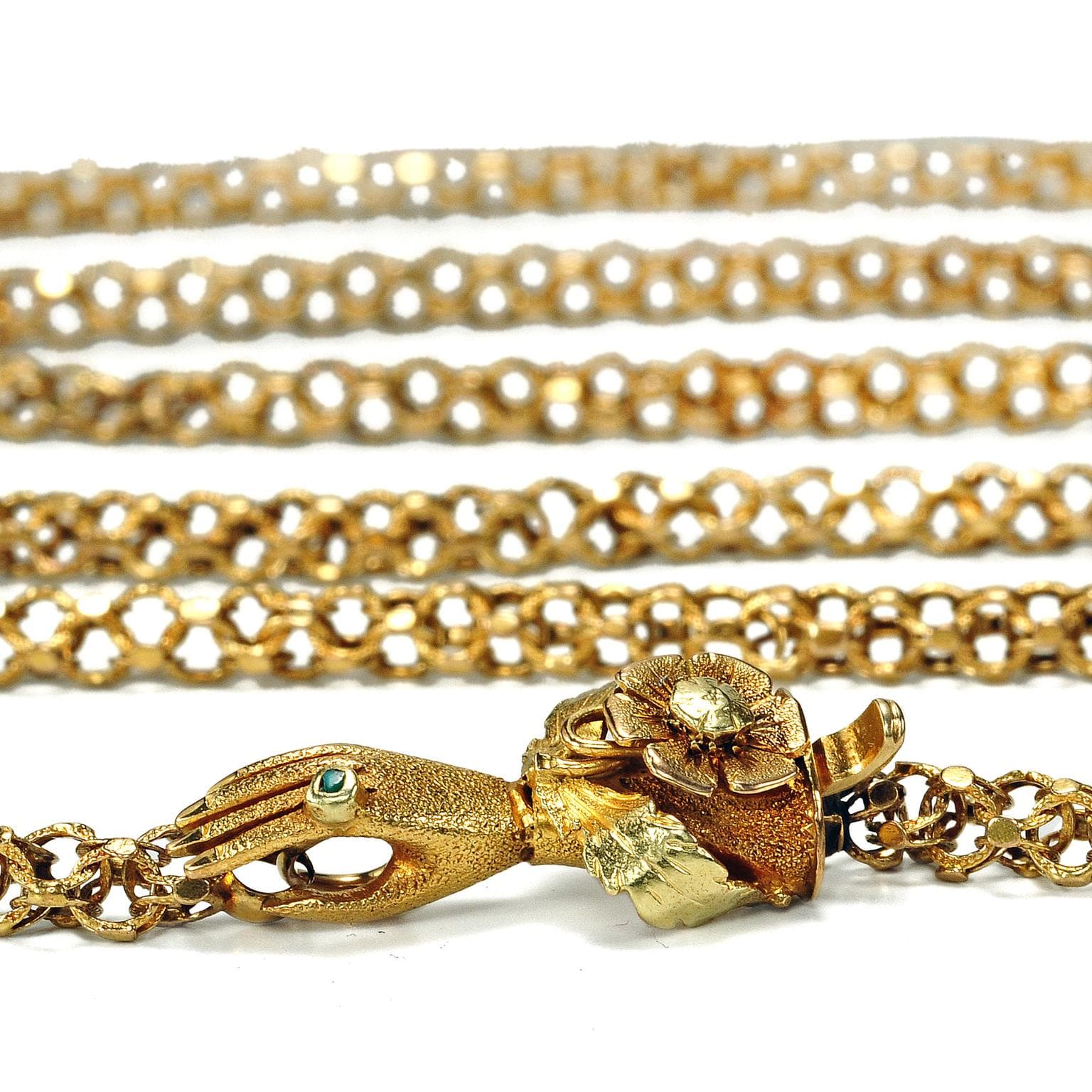
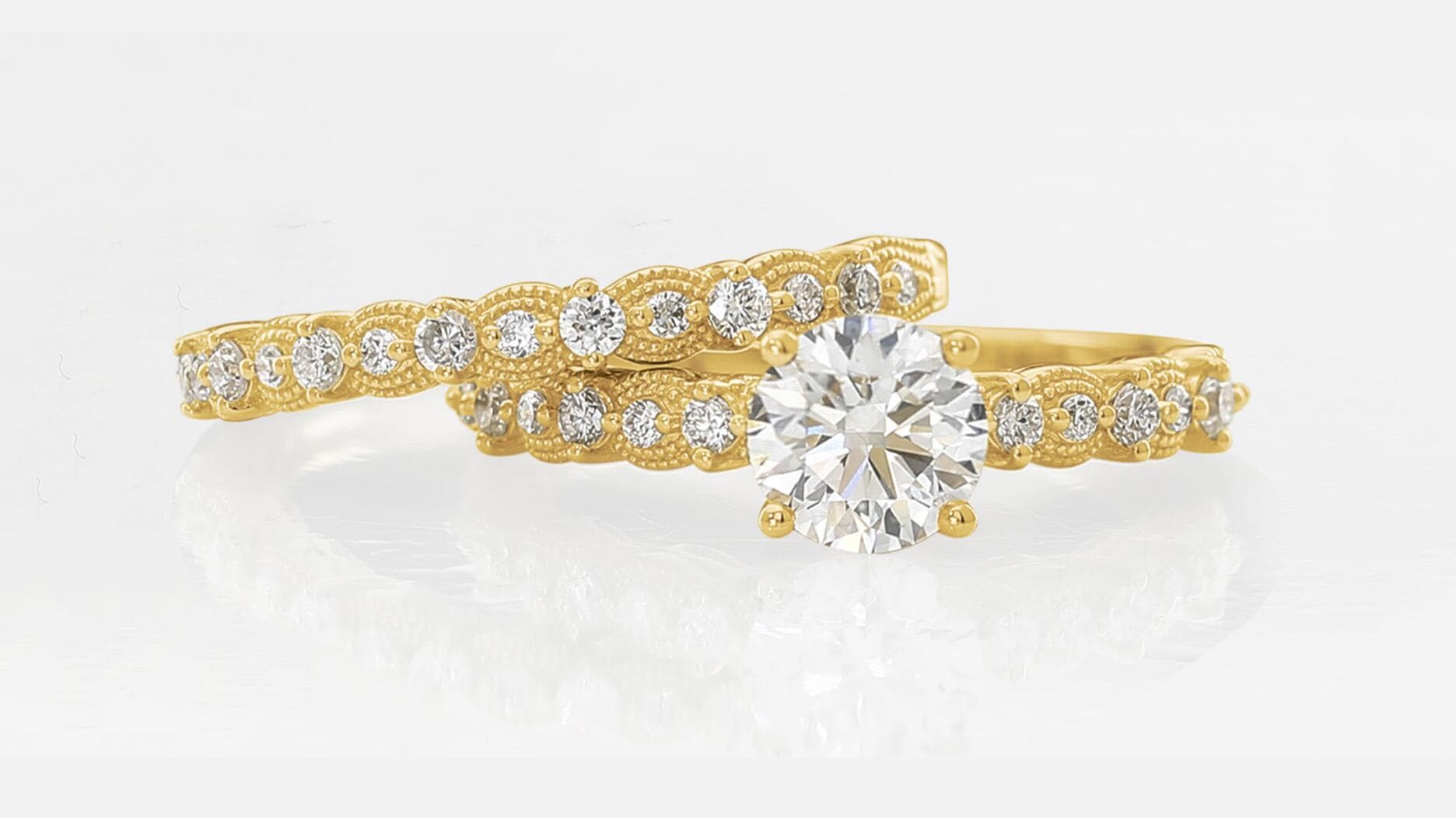
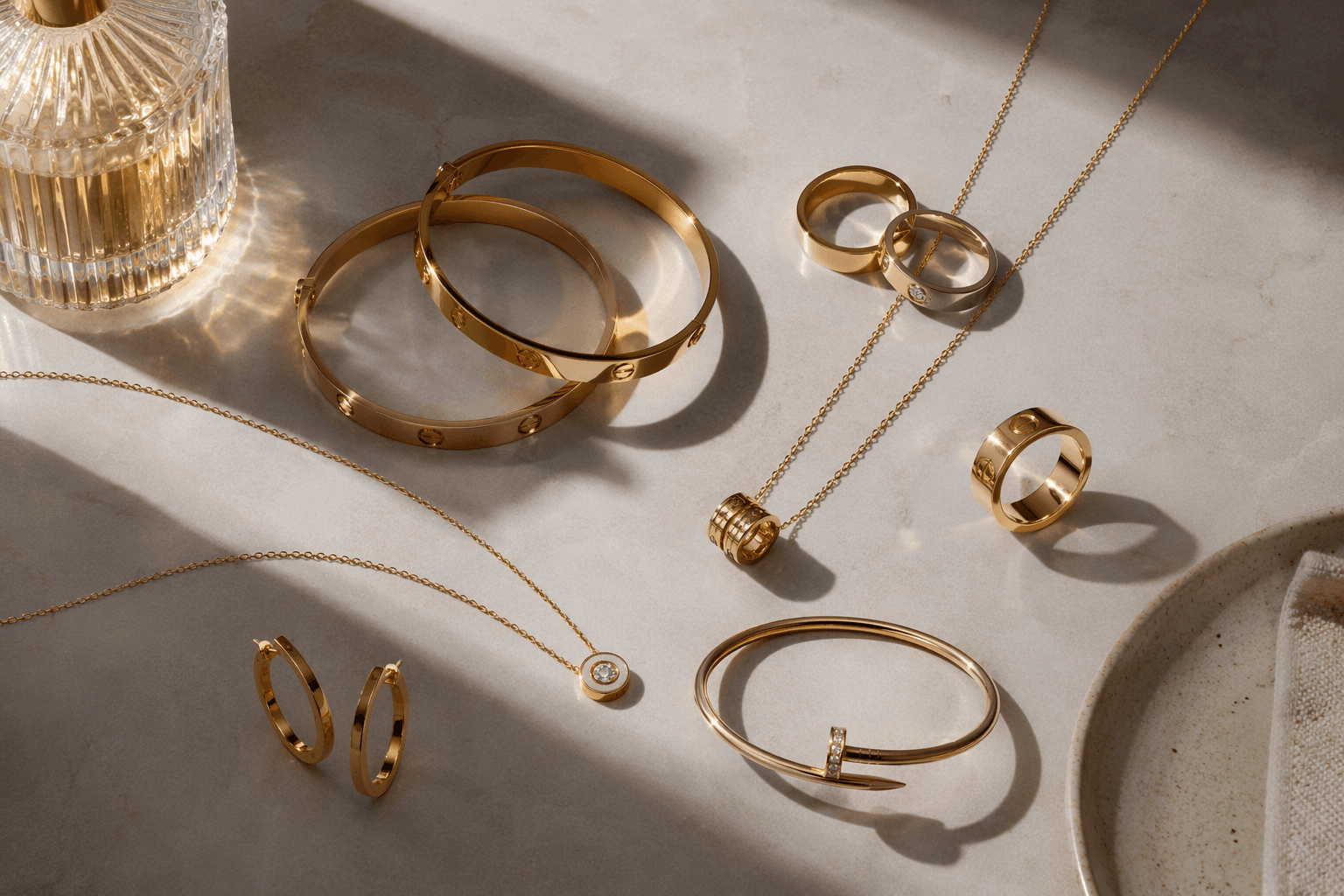
2026 Jewelry Trend Forecast Shifts From Ring Stacks to Wrist Stacking
The wrist has become the new canvas: bracelet stacks are replacing ring stacks, and the smartest looks now follow five clear rules.
The wrist is taking the lead
Rings had the spotlight for years, but the more compelling story now sits lower on the arm. Bracelet stacking is moving from a side note to the main event, and the appeal is easy to understand: it looks personal, it can be remixed endlessly, and it turns getting dressed into a small act of editing. That shift is not just aesthetic. One 2026 market estimate values personalized jewelry at USD 56.87 billion, with growth projected to USD 118.07 billion by 2035, a scale that shows how strongly self-expression now drives buying.
The wrist-stack comeback also has history on its side. Stacked bracelets were a defining look in the early 2010s, then gave way to minimalism and single statement pieces. Now the pendulum has swung back, helped by the continued appetite for ’90s and Y2K references and by a mood that favors chunkier, more visible wristwear. The result is not a throwback so much as a reset: bracelets are being styled as a system, not an afterthought.
Rule 1: Start with one anchor
Every good wrist stack needs a base. That anchor can be a cuff, a heavier link bracelet, a watch, or a single piece with strong visual weight, and everything else should respond to it instead of competing with it. The cleanest stacks feel intentional because one element does the structural work while the rest provide rhythm.
This is where restraint matters. If the anchor is substantial, keep the surrounding pieces lighter and more flexible. If the anchor is delicate, let the supporting bracelets do a little more of the talking. The aim is balance, not volume for its own sake.
Rule 2: Mix widths, but keep the proportions legible
The strongest bracelet stacks use contrast with discipline. Pairing wide with narrow keeps the eye moving, and mixing rigid shapes with softer chains prevents the whole arrangement from looking flat. Net-a-Porter and PORTER have noted that stacked bracelets have been trending for several years, and the current mood leans toward chunkier wrist stacks that still read as composed, not crowded.
A useful way to think about it is in layers of scale. One piece should dominate, one should bridge the gap, and one should add movement. If every bracelet has the same thickness, the stack loses depth. If every bracelet is oversized, the wrist disappears under the weight of the styling.
A simple building-block formula
- One anchor piece
- One medium-weight bracelet to connect the stack
- One slim line to create contrast
- One personal or symbolic piece to finish the story
That formula works because it creates hierarchy. The wrist reads first as a composition, then as a collection of individual objects.
Rule 3: Treat mixed metals as a design choice, not a shortcut
Mixed metals work best when the variation looks deliberate. Gold beside silver, polished beside brushed, matte beside high-shine, all of it can feel sophisticated if there is a repeating thread that ties the stack together. Without that thread, the wrist starts to look assembled rather than styled.
The practical advantage is versatility. WGSN’s Fashion Accessories Trend Forecast 2026, Layering and Modular Styling, ties the rise of wrist stacking to demand for versatility and modular fashion, which is exactly why mixed metals now feel less like a fashion risk and more like a usable wardrobe language. If you already wear both warm and cool tones in your clothing, bracelets are the easiest place to reconcile them.
Rule 4: Make room for one personal piece
The most shareable stacks usually contain something that feels like a signature. That might be a charm bracelet, an engraved tag, a friendship bracelet, or a piece picked up on a trip, but the point is the same: the wrist should tell a story, not just display inventory. Personalization is not a side benefit here; it is the engine behind the category’s growth.
Market research underscores that pull. Another 2026 estimate places the customized jewelry market at USD 42.25 billion, up from USD 36.98 billion in 2025, with a projected CAGR of 16.06% through 2032. Growth like that makes sense when you consider how many tools now support it. 3D printing, laser engraving, and virtual try-on are making custom stacks easier to design and easier to visualize before anything is finalized.
Rule 5: Leave breathing room so the stack can move
A wrist stack should look animated, not immobilized. Too many rigid pieces packed tightly together can snag, twist, or clatter in a way that feels accidental rather than polished. The most successful stacks leave small gaps that let the bracelets shift naturally as you move your hands.
This is also where modular styling earns its keep. WGSN says its forecasting draws on catwalk data, consumer insights, and Fashion Vision tools that use AI image recognition and catwalk analytics to spot category shifts and year-on-year changes. That analytical approach explains why the wrist stack is being treated as more than a passing mood: it works because the pieces can be recombined, removed, or added without breaking the whole look.
Why the trend keeps coming back
The wrist-stack revival is bigger than nostalgia. Bangkok Gems News notes that bracelet stacking was already a dominant style statement in the early 2010s, then returned as one of the more talked-about jewelry directions for 2026. The difference now is the commercial and digital infrastructure around it. Personalization has become easier to produce, easier to preview, and easier to justify, which is why the look feels aligned with the way people actually shop.
WGSN also frames the wider fashion moment as one of rapid consumer change, and bracelet stacking fits that reality cleanly. It is adaptable to office clothes, evening dressing, and everyday uniforms; it can be built from heirlooms, designer pieces, or custom-made links; and it rewards the kind of editing that makes style feel current without looking forced. The ring stack may still have its devotees, but the wrist is where the most interesting conversation now lives.
This article was produced by Prism’s automated news system from verified source data, official records, and press releases, then run through automated quality and moderation checks before publishing. The system is built and supervised by the people who set the standards it runs under. Read our full AI policy.
Did this article answer your question?