India Embraces Jewelry Layering, Maximalism Returns With Meaningful Style
Maximalism is back in India, but the new stacks are personal: mixed-metal necklaces, cuffs, and heirloom touches make dressing feel deliberate, not loud.
Why layering suddenly feels right again
India’s newest jewelry mood is not excess for excess’s sake. It is maximalism with intent, a return to pieces that refuse to blend in and instead speak in scale, texture, and memory. After years of minimal chains, dainty stacks, and quiet luxury, the pendulum has swung back toward jewelry that looks collected, not coordinated, and that shift feels especially natural in a country where ornament has long been part of cultural dress rather than an afterthought.
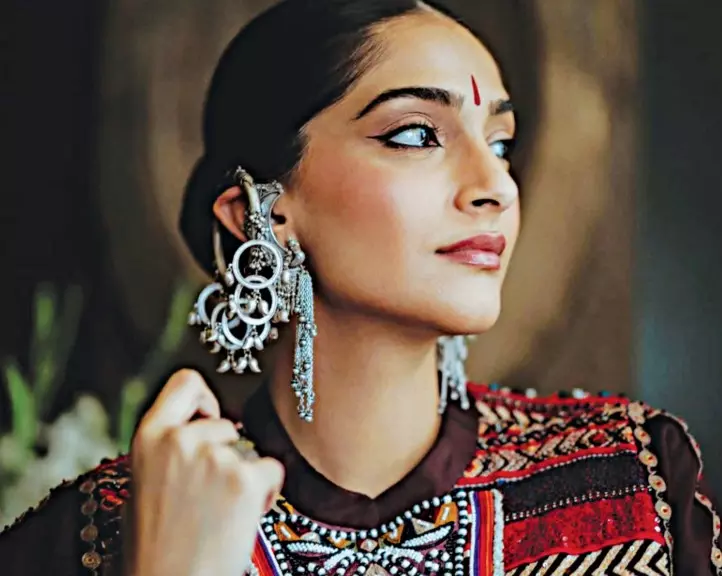
Mumbai-based stylist Megha Arora captures the change neatly: her clients want jewelry that feels like an extension of personality, not something that merely matches an outfit. That idea explains why the look now includes layered necklaces in mixed materials, chunky silver cuffs, mismatched earrings, and bold jhumkas that can feel almost theatrical in their volume. The point is not to cover every inch of skin. The point is to make the jewelry carry meaning.
There is also a deeper logic at work. India’s love of scale and detail is hardly new, and the current wave reads less like a trend imported from elsewhere than a revival of instincts that have always existed in traditional jewelry. Heirlooms, flea-market finds, and regional craft references are being reworked for contemporary wardrobes, so the result feels rooted even when it looks modern. A 2022 Harper’s Bazaar India feature framed jewelry as a kind of silent language, one that signals identity and passions while holding memories tied to weddings, births, deaths, separations, and journeys. That emotional charge is exactly what gives today’s layered look its force.
The new stack is built, not thrown together
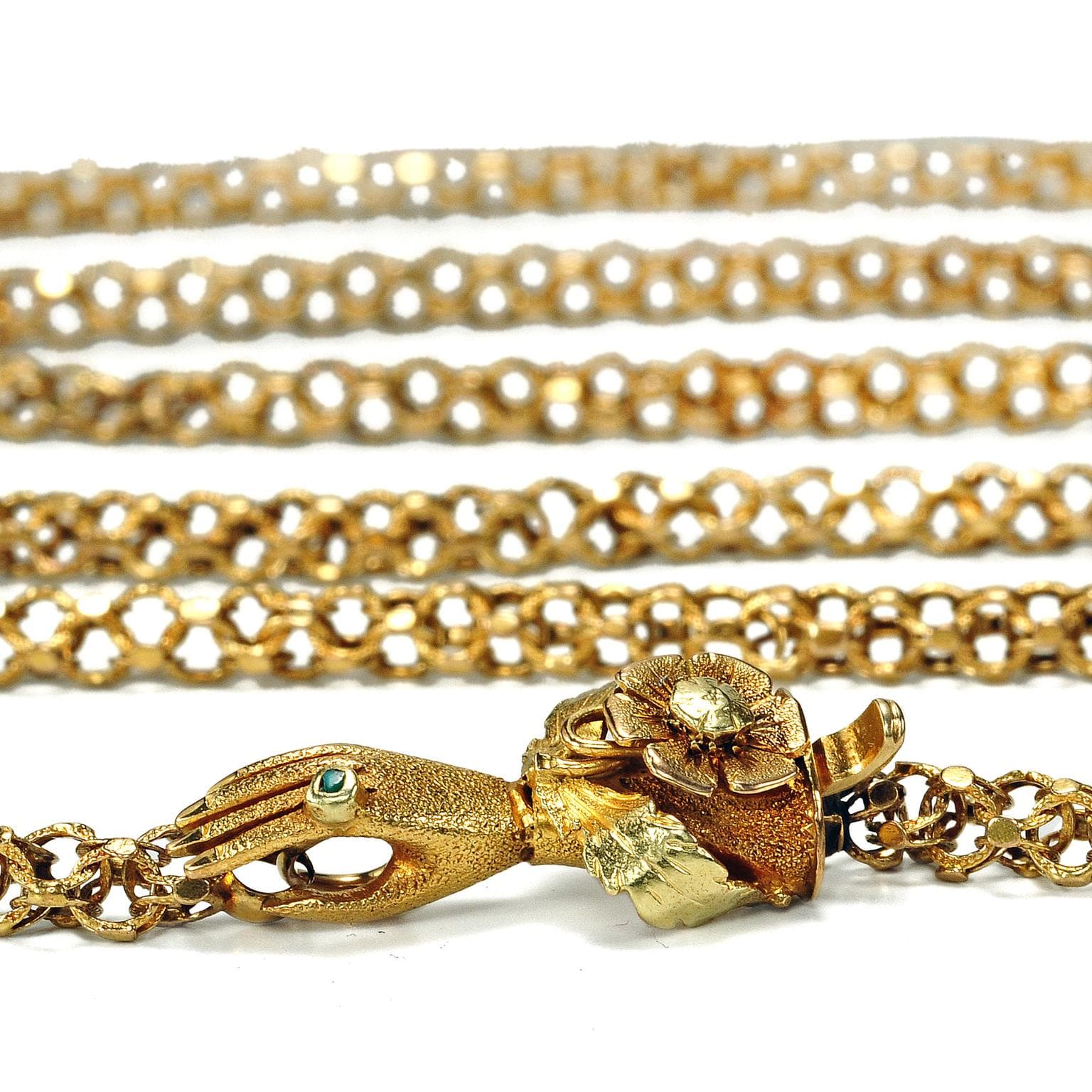
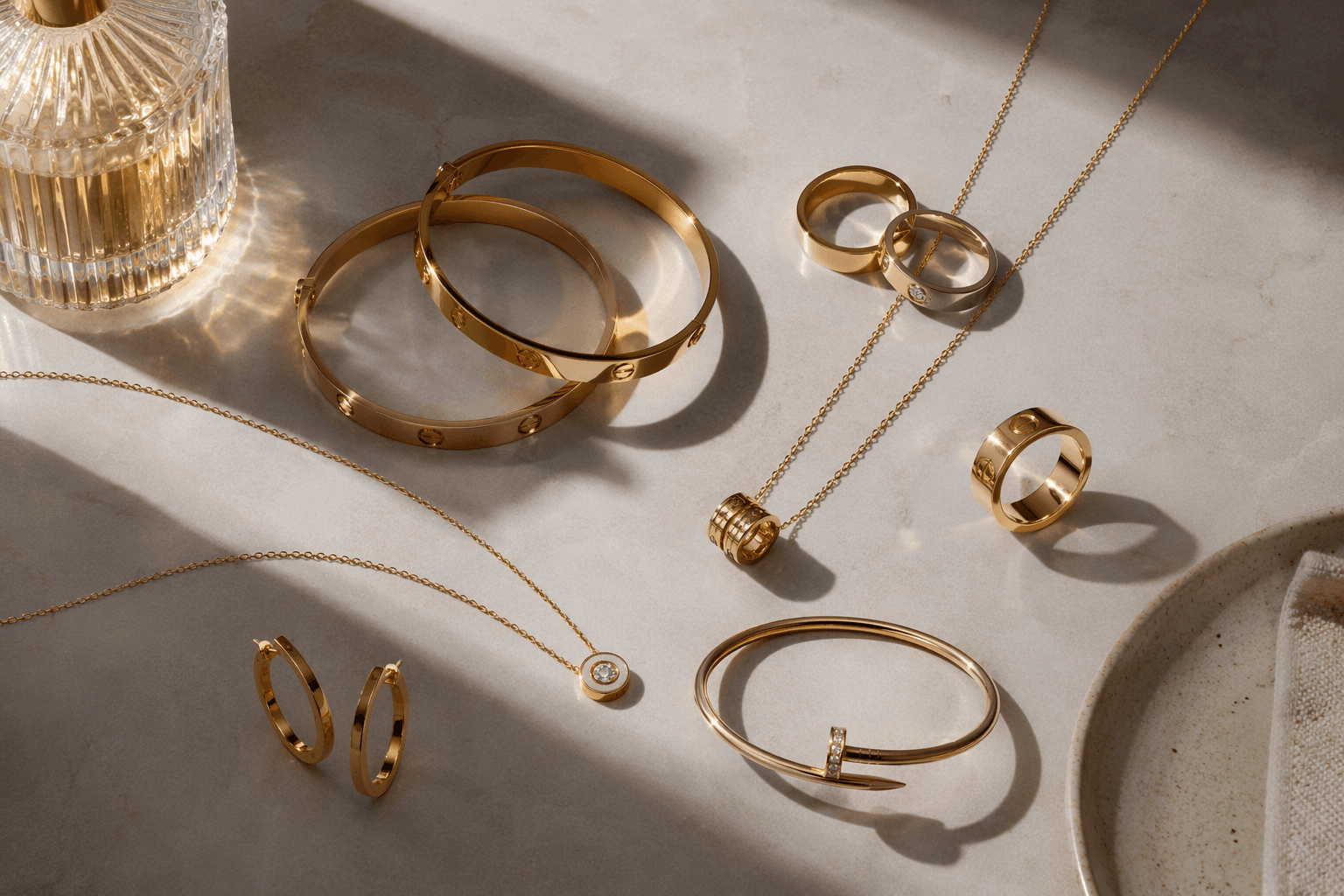
The freshest version of layering works because it has structure. ELLE India’s recent gold-jewelry coverage points to two to five chains of varying lengths as the sweet spot for visual depth, and the best examples mix delicate links with chunkier ones so the eye can move. That rhythm matters. If every piece is equally bold, the stack collapses into noise; if every piece is too fine, it disappears.
Designers are leaning into that tension with pieces that carry different textures and histories. Oversized jhumkas inspired by Kashmiri craftsmanship bring movement near the face. Vintage watches reimagined as chokers add a singular, almost conversational note at the throat. Chunky silver cuffs ground the wrist so the whole look feels anchored rather than floating. Mismatched earrings add wit, not chaos, when the rest of the composition is disciplined.
The best way to think about the trend is as a three-part equation: one statement element, one textural counterpoint, and one quieter piece to give the eye a place to rest. That is what turns more jewelry into a point of view.
Three necklace-and-cuff combinations that feel deliberate
- Mixed-metal chain stack with a hammered silver cuff
Build this around two to five necklaces in different lengths, ideally with one finer chain close to the collarbone and one heavier chain lower down. Add a single chunky silver cuff with a matte or hammered finish so the wrist echoes the necklaces without competing with them. This is the easiest formula to wear with a white shirt, a crisp kurta, or a blazer because the clean clothing gives the jewelry room to do the talking. Keep earrings simple here, or skip them entirely, so the look feels composed rather than crowded.
- Vintage-watch choker with a sleek cuff
A watch turned into a choker is the most surprising way to wear maximalism because it feels archival and subversive at once. Pair it with a narrow silver cuff or a polished sculptural cuff that repeats the watch’s metallic finish, but stops short of matching it exactly. This works best with a plain blouse, a black dress, or an uncluttered sari neckline, where the neck piece can act as the focal point. The trick is to leave the forearm clean, so the jewelry reads as a single line of intent from throat to wrist.
- Heirloom-inspired pendant chain with Kashmiri-style jhumkas and a bold cuff
This is the most ceremonial of the three, but it can still feel day-friendly if the clothing stays restrained. Choose one pendant chain that suggests an heirloom, then layer it with a slightly longer chain in the same metal family, and finish with a substantial cuff that mirrors the weight of the earrings. The Kashmiri-inspired jhumkas bring motion and drama near the face, so the necklaces should be structured rather than overly ornate. Wear this with a monochrome outfit, a simple silk kurta, or even denim and a plain top when you want the jewelry to carry the mood.
How to make maximalism look intentional in everyday life
The easiest way to avoid tangling and visual overload is to decide which part of the body gets the loudest sentence. If the neck is busy, keep the wrist sculptural but uncomplicated. If the cuff is oversized, let the necklaces vary in length but stay relatively streamlined. If the earrings are theatrical, let the necklace stack become more linear and less crowded.
That balance matters because jewelry is no longer being saved only for weddings or formal occasions. Supriya Kataria of Kumari has said that fine jewelry should feel beautiful, effortless, and personal, and that women wear her pieces to work, brunch, and at home. That is the real styling shift: jewelry is slipping into ordinary life without losing its emotional charge. A single meaningful cuff with a well-judged necklace stack can make a plain shirt feel finished, a simple kurta feel deliberate, or a black dress feel like it has a story.
The commercial scale of the category underlines how significant that shift is. The Gem & Jewellery Export Promotion Council reported that India’s gem and jewellery exports rose 12.11 percent year-on-year in the second quarter of FY2025-26 to US$7.48 billion, with July up 24.67 percent, August up 8.07 percent, and September up 6.54 percent. It also placed cumulative first-half exports at US$14.10 billion, and the FY2025-26 figure at US$27.72 billion. Those numbers say the industry is large, resilient, and still expanding even as tastes move toward personalization.
Sabyasachi Mukherjee’s position makes the final point elegantly: craft, culture, and fine artisanry should build something memorable and lasting, not something fragile and trend-driven. That is why India’s return to jewelry layering feels less like a revival of excess than a return to meaning. The best stacks do not merely decorate an outfit. They reveal the person wearing them.
This article was produced by Prism’s automated news system from verified source data, official records, and press releases, then run through automated quality and moderation checks before publishing. The system is built and supervised by the people who set the standards it runs under. Read our full AI policy.
Did this article answer your question?