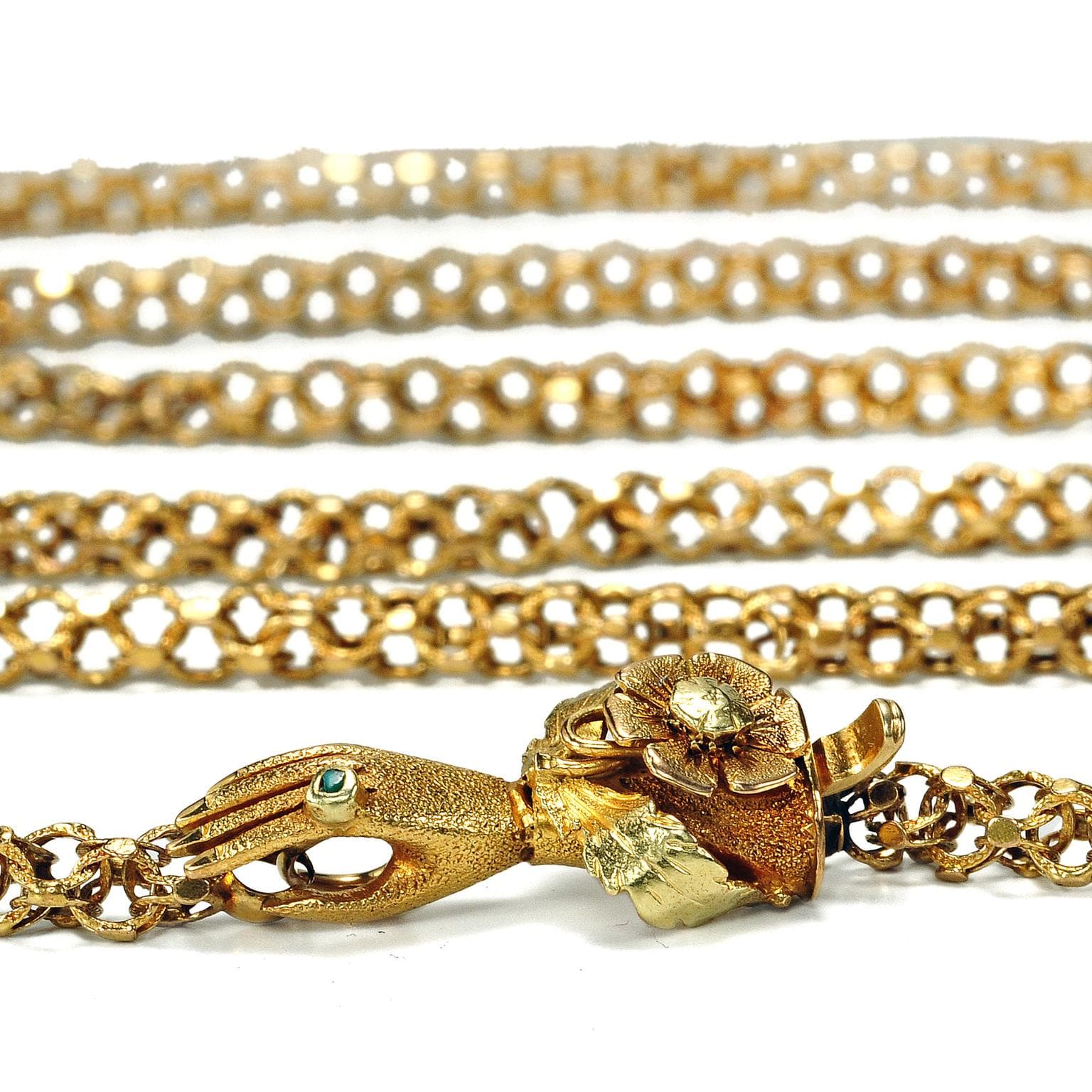
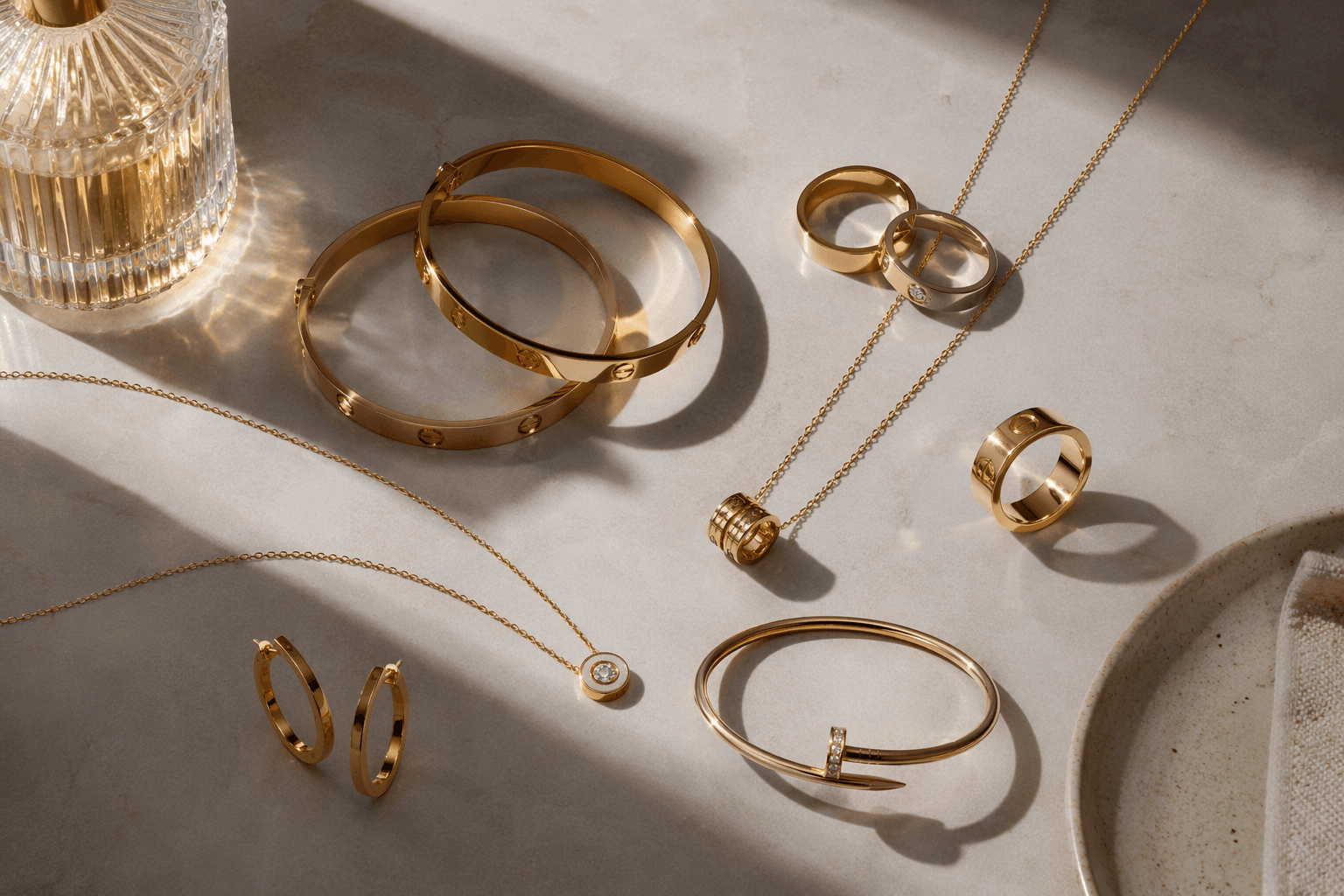
Jewelry layering takes center stage, mixing chains, textures, and focal pieces
Layering is no longer the finishing touch. It is the structure of the look, built from chain length, texture, and one clear focal point.
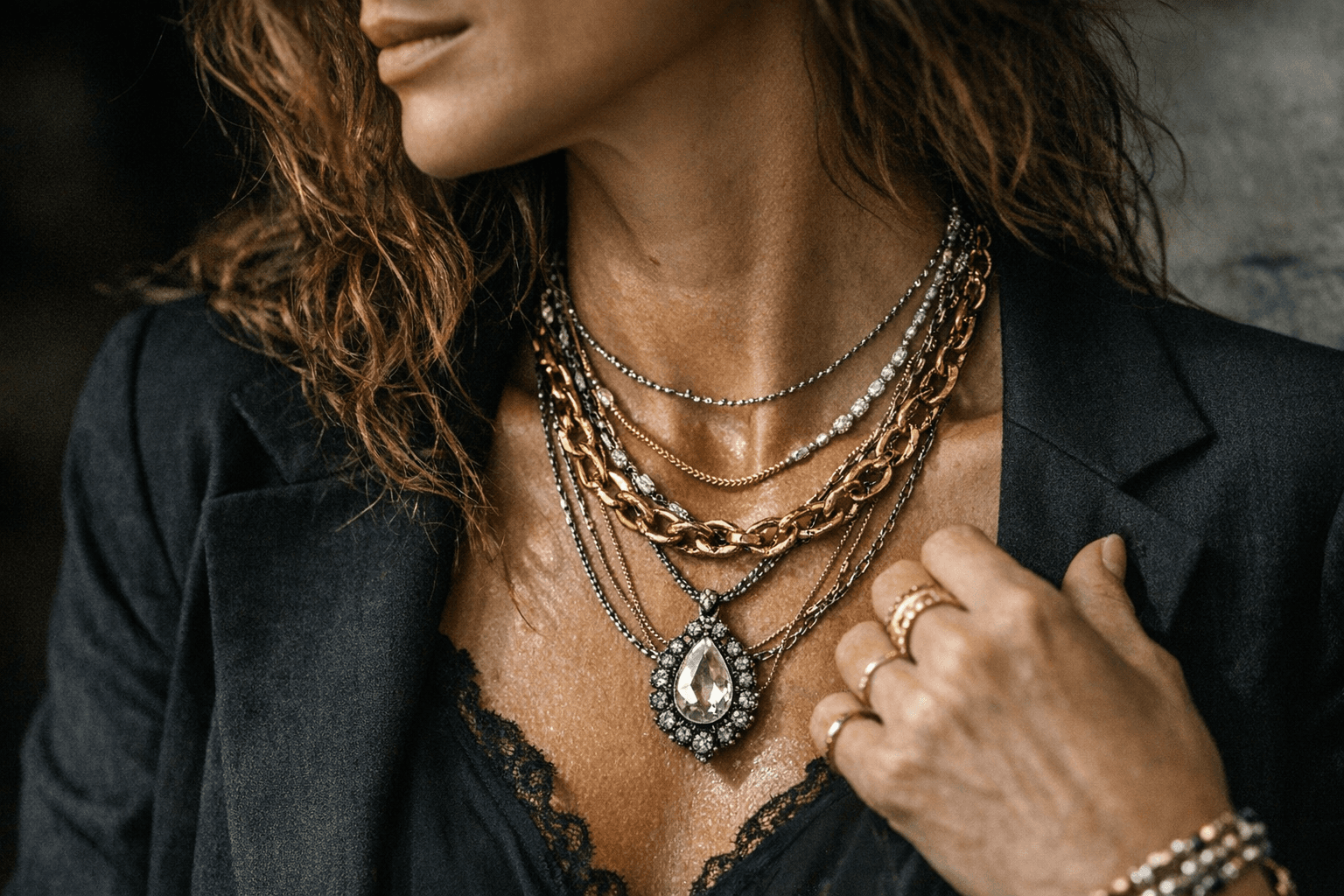
Layering has quietly stopped behaving like an accessory trick and started acting like outfit structure. The best necklaces, bracelets, and rings now do more than decorate, they organize the eye, add rhythm to a simple wardrobe, and give even the most familiar pieces a sharper point of view.
That shift has a commercial logic as well as a style one. Statista projects worldwide jewelry revenue to reach US$408.64 billion in 2026, with the market growing at a 5.10% annual rate through 2031. De Beers Group says global consumer demand for natural diamond jewelry reached $87 billion in 2022, unchanged from 2021 and 10% above 2019, a sign that the appetite for wearing jewelry in more than one piece is still very much alive.
Layering is the new baseline
The strongest case for layered jewelry is not excess, but control. WWD’s March 2025 runway coverage showed spring jewelry leaning into variety of chains, especially yellow gold, as an easy way to catch a “bigger is better” mood without tipping into something brash. That matters because the look is no longer reserved for special occasions or maximalist dressers; it is becoming the default way to make a simple outfit feel considered.
That is exactly why the most useful layering strategy starts with architecture. Think in terms of length, weight, and spacing before you think about sparkle. A short chain close to the collarbone, a second piece that falls lower, and a third that lands as a focal point create the kind of vertical movement that keeps necklaces from collapsing into one another.
Build the stack from the inside out
The cleanest layered look begins with one anchor piece. It might be a fine yellow-gold chain, a pendant with a distinct shape, or a strand with enough presence to hold the composition together. Once that anchor is in place, add contrast, not competition: a cable chain against a snake chain, a polished link against a textured rope, a diamond detail beside a plain metal surface.
Intentional spacing is what keeps the composition looking expensive rather than crowded. Leave enough room between necklaces so each one reads as its own line, especially if the pieces vary in thickness. When chains sit too close together, they tangle visually as well as physically, and the whole effect loses authority.
- Keep at least one piece visually quiet so the eye has a place to rest.
- Mix textures before mixing colors, then add metal contrast only if the composition still feels balanced.
- Use a single pendant or charm as the focal point, not several competing statements.
- Let one chain set the neckline and the rest support it.
Why interchangeable jewelry changed the equation
Retailers have learned that the modern customer wants flexibility as much as novelty. WWD noted that Missoma launched sets designed to simplify layering necklaces, earrings, and rings, which is telling because the smartest jewelry programs now behave like modular wardrobes. The appeal is not just aesthetic, it is practical: one base of pieces can produce multiple looks depending on how they are combined.
Four Seasons’ fashion coverage of Mejuri framed stacking as a design system in which silver or gold, diamonds or pearls can be mixed creatively. That idea is important because it shifts layering away from rigid rules and toward informed experimentation. When pieces share a similar design language, the stack feels deliberate even when it is varied, which is the real trick behind an easy-looking arrangement.
White tee, work blouse, evening neckline
A white tee is the most honest test of layering because it gives jewelry nothing to hide behind. Here, a slim collar-length chain paired with a longer pendant can turn a plain neckline into a polished frame, especially if the textures differ. Yellow gold feels particularly strong here because it brings warmth and clarity without needing much else.
A work blouse asks for more restraint, not less ambition. A buttoned collar or a softly open neckline benefits from one defined line close to the neck and a second piece that disappears under the fabric or falls just below it. The goal is polish, not interruption, so the best choice is usually a narrow stack with precise spacing and a single focal point.
An evening neckline can carry more drama, but the principle stays the same. If the dress or top already has architectural interest, choose jewelry that complements rather than repeats it. A layered necklace look can sharpen a clean strapless line or a deep V, but the final effect should feel edited, not crowded, with one piece taking the lead and the others orbiting it.
The old world makes room for the new
Layering may feel contemporary, but it has deep precedent. The Metropolitan Museum of Art’s Costume Institute collection includes more than 33,000 objects spanning seven centuries, a reminder that jewelry has always been a long-running form of adornment and self-expression rather than a single fixed category. The range of that collection makes today’s layering feel less like a fad and more like a continuation of a much older habit of building meaning through materials and form.
The Met’s Donna Schneier collection publication adds another layer of context, describing post-World War II jewelry makers experimenting with new materials, techniques, and concepts. That era matters because it helped open the door to jewelry that could be more sculptural, more conceptual, and more personal. Modern layering inherits that freedom, then makes it wearable in the everyday.
What makes a layered look work now
The most persuasive layered jewelry looks share a few traits. They are balanced rather than busy. They use texture to create depth. They choose one point of emphasis and let everything else support it. Most of all, they solve a dressing problem: how to make a familiar outfit feel finished, authoritative, and specific.
That is why layering has become so central. It gives a white tee structure, softens a work blouse, and adds tension to an evening neckline without relying on a single oversized statement piece. In a market that is still expanding, and in a wardrobe culture that prizes versatility, jewelry layering is no longer an embellishment at the edge of getting dressed. It is the grammar that holds the sentence together.
This article was produced by Prism’s automated news system from verified source data, official records, and press releases, then run through automated quality and moderation checks before publishing. The system is built and supervised by the people who set the standards it runs under. Read our full AI policy.
Did this article answer your question?