Chains and Necklaces for 2026, Fresh Links, New Lengths, Layerable Looks
Layering has moved from styling trick to retail strategy, with fresh links, longer drops, and talismanic neck pieces set to define the 2026 neckline.
.jpg&w=1920&q=75)
The neckline is getting louder
The clearest signal in chains and necklaces is not subtle at all: retailers are being told to stock fresh links, new lengths, and plenty of neck candy, while the runways are pushing jewelry away from whisper-thin gold into pieces with more presence. WWD’s spring 2026 coverage puts amulet necklaces at the center of that shift, noting sculptural silver pendants, shells, and gold coins as the kind of statement forms replacing delicate styles, while its Paris Fashion Week roundup frames the season around self-expression, heirloom references, color, minimal lines, and statement pieces. Even WWD’s shopping edit for spring leans in that direction, calling out thick chains alongside dainty birthstone pendants, which tells you the category is being merchandised as a spectrum, not a single look.
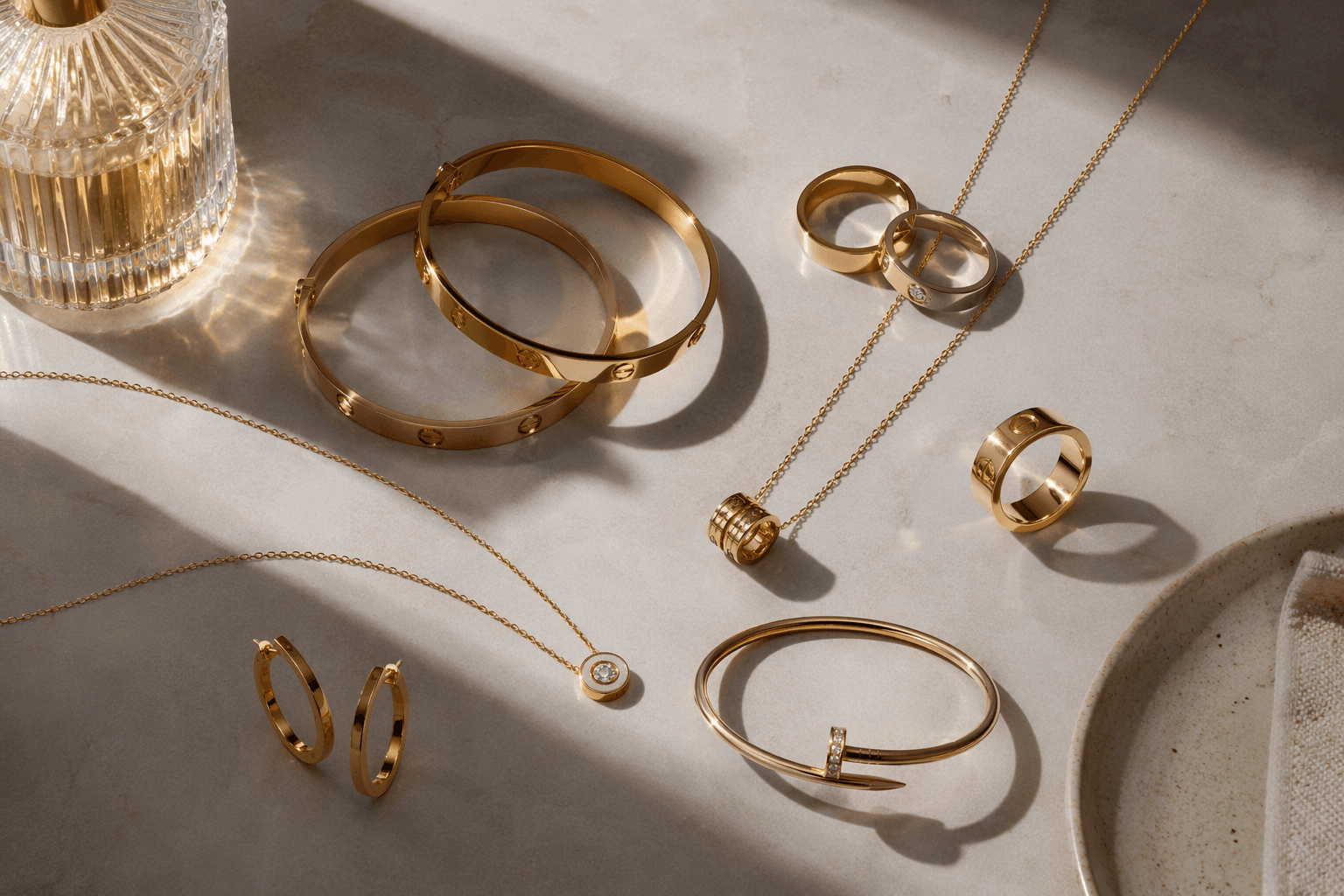
Layering is no longer being treated as a styling trick reserved for the jewelry-obsessed. It is being sold as a retail system, with layered necklaces and body chains positioned to reshape assortments and pre-styled sets used to reduce decision fatigue for shoppers who want the look without the work. That matters because it moves necklaces from “add-on” status to wardrobe infrastructure: one piece leads to the next, and the neckline becomes a built environment rather than a finishing touch.
The core investment pieces
The smart money is on a three-part stack: a short base chain that sits close to the neck, a mid-length chain that creates separation, and a longer pendant that gives the eye somewhere to land. That is an editorial inference from the way the category is being shown, because the strongest signals are all about contrast, from thick chains and amulet silhouettes to long pendant forms and layered combinations across runways and retail. In other words, the most important lengths are the ones that let one necklace speak against another rather than compete with it.
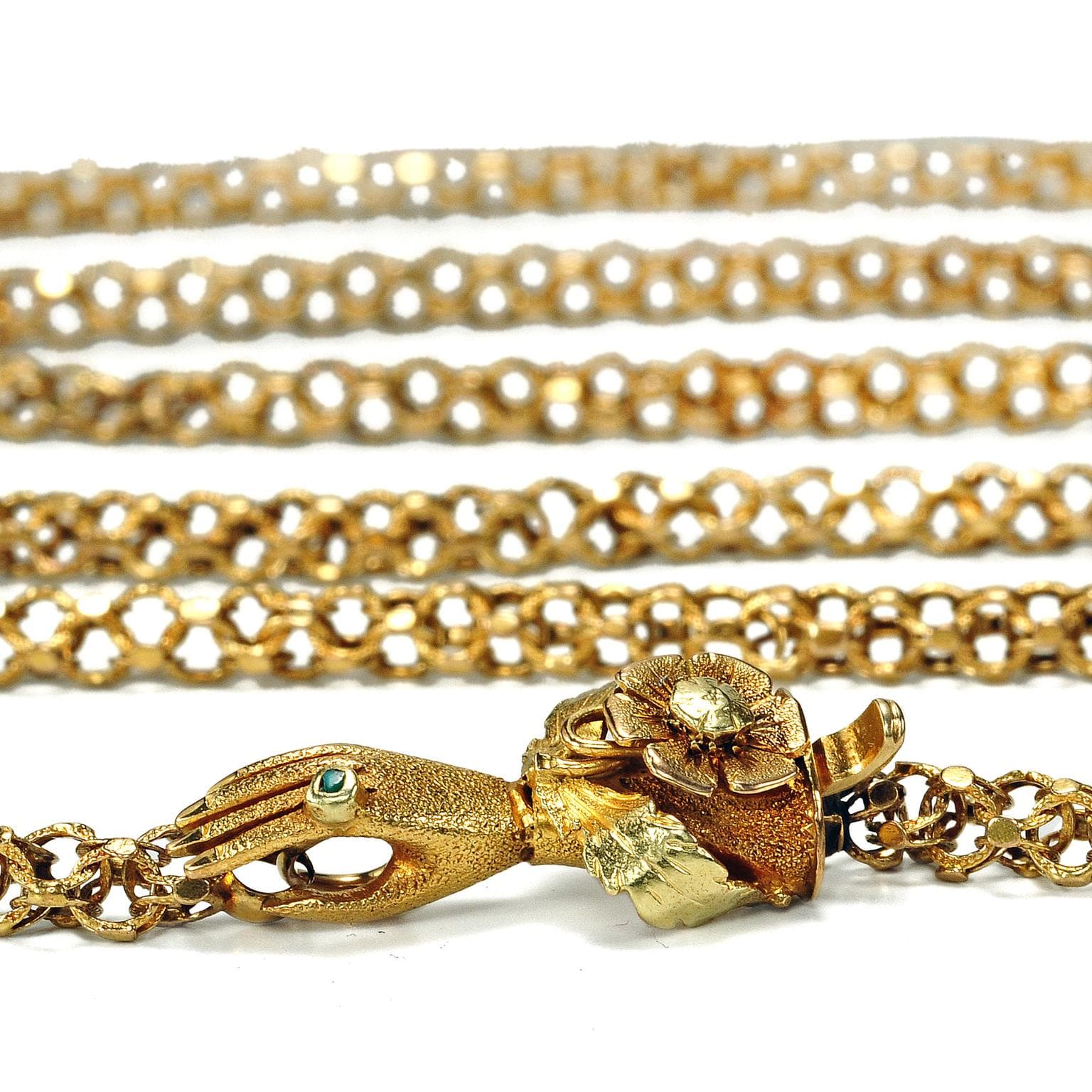
The profiles doing the heavy lifting are also less delicate and more declarative. Thick chains read as the anchor, while talismanic pendants, coins, shells, and mixed-material amulets supply the narrative, whether the piece is meant to feel collected, heirloom-like, or a little irreverent. The old idea that necklace layering needs one dainty foundation piece no longer fits the market language; today’s layered look is built on visible texture and a stronger outline at the collarbone and below.
Pricing is revealing, too. WWD’s gold-necklace edit stretches from Gorjana’s $78 Parker Necklace to Jennifer Fisher’s $550 Chelsea Chain, a spread that shows how broadly the category is being used, from easy entry points to more substantial links that can act as a stack’s backbone. That price gap is not a contradiction. It is the point: layering now spans impulse-friendly charms and investment-minded chain work, and both have a place in the story retailers are telling.
Why the category is expanding now
The commercial logic is backed by scale. De Beers says global natural diamond jewelry demand held at USD 87 billion in 2022, unchanged from 2021 and 10 percent above 2019, with the United States rising slightly, China falling on pandemic disruption, and India posting healthy growth. In the broader jewelry market, one 2026 industry estimate places global value at USD 381.54 billion in 2025, with a projected 5.5 percent CAGR through 2033. That is the kind of size that lets a necklace trend become a merchandising strategy instead of a passing styling note.
De Beers also helps explain why the product mix is changing. Its consumer research says Gen Z is especially shaped by ethical assurances, branded offerings, and phygital retail experiences, which means the necklace category has to do more than sparkle. It has to feel legible online, easy to personalize, and credible as a brand purchase, while a separate necklace-market report points to fashion trends, rising disposable income, personalization, sustainability, e-commerce, influencer marketing, and customization as the forces pushing demand forward. Layering fits that brief almost too neatly: it is modular, expressive, and easy to merchandize digitally.
What the 2026 assortment is really betting on
- Fresh links with enough visual weight to be seen on their own, not just under a blouse collar.
- Mid-length chains that can bridge a close-fitting layer and a pendant, giving the stack balance and movement. That length is not about a precise measurement so much as about creating the right vertical spacing.
- Longer drops, especially amulet-led silhouettes, because the season is rewarding pieces that look collected, meaningful, and slightly ceremonial.
- Mixed-material and lightly colored accents that keep the stack from becoming uniform, a direction visible in Paris where color, heirloom inspiration, and modern statement forms sat comfortably together.
The market signal underneath the styling
What retailers are really betting on is visibility. Layered necklaces are moving from private adornment to public signal, which is why the strongest pieces feel less like filler and more like architecture: one chain sets the tone, the next builds the line, and the final pendant gives the look a point of view. That is where the category is heading before mass retail catches up, and it explains why fresh links, new lengths, and neck candy now read less like merchandising language than a forecast for how jewelry will be worn next.
This article was produced by Prism’s automated news system from verified source data, official records, and press releases, then run through automated quality and moderation checks before publishing. The system is built and supervised by the people who set the standards it runs under. Read our full AI policy.
Did this article answer your question?