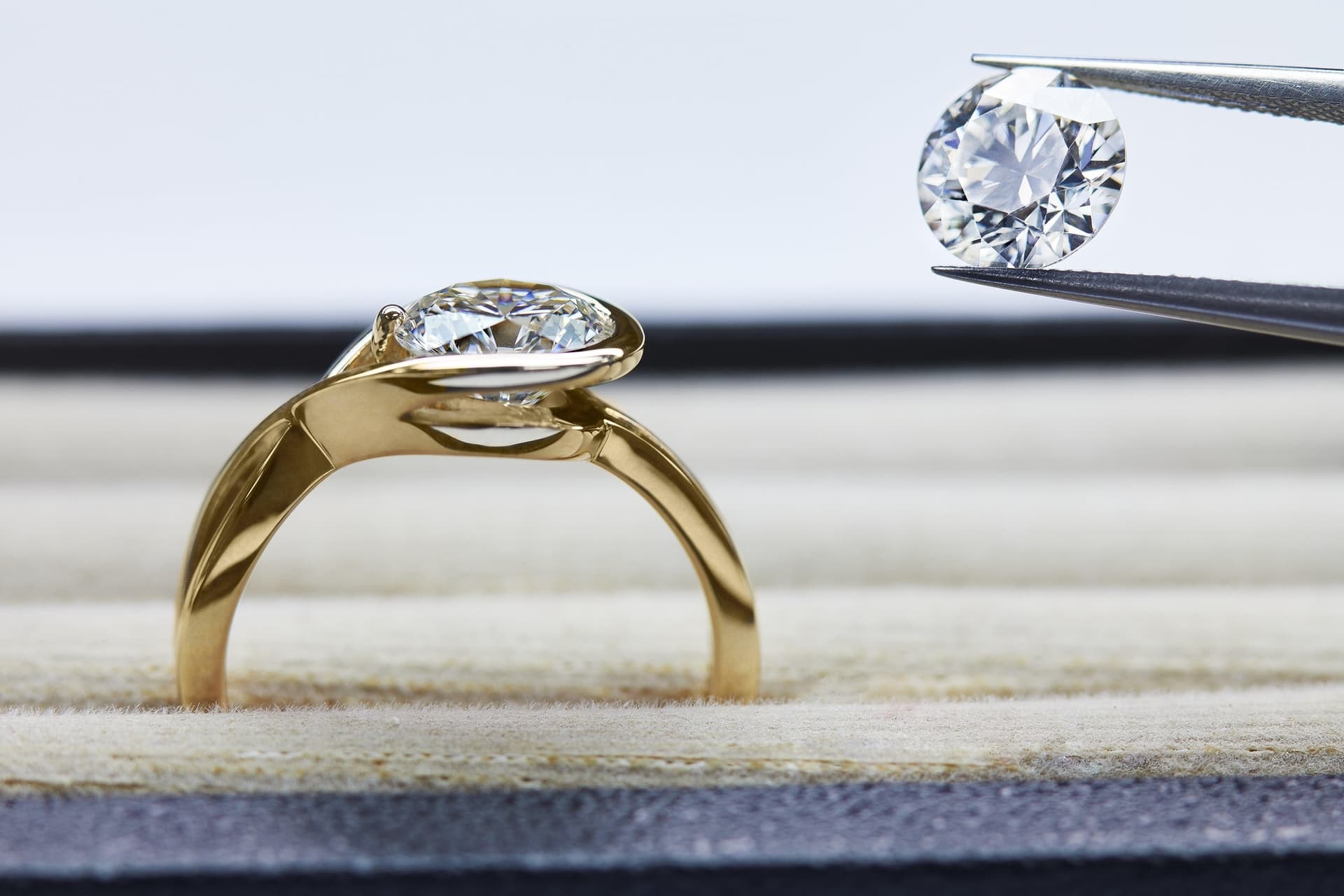
Charm bracelets return as the new base for layered stacks
Charm bracelets are no longer a sentimental afterthought. Diamond charms now anchor layered stacks with modular polish, visible personality, and everyday ease.

The new base layer for the wrist
Charm bracelets have stepped back into view not as nostalgia, but as the most modular piece in a modern wrist stack. The appeal is simple: a diamond charm bracelet can start clean, then accumulate meaning over time through medallions, links, and talismans that sit comfortably beside bangles and tennis bracelets. That shift makes the category feel current, because it is built around personal layering rather than a single finished look.
What makes the return interesting is how easily it fits the way jewelry is worn now. A charm bracelet can be the quiet center of a stack or the one piece that pulls everything else together, especially when it is set in yellow gold or mixed with other metals. Instead of reading as a keepsake pulled from a drawer, it reads as a working part of everyday styling.
Why the comeback feels modern
The bracelet revival has been visible in fashion coverage around Spring/Summer 2026, where charm bracelets were linked to Celine’s Spring 2026 collection and echoed at Burberry and Zimmermann. At Celine, the bracelet showed up chunky and oversized, styled with skinny jeans, an asymmetric blazer, and stacked rings, a combination that made the piece feel directional rather than decorative. The styling mattered as much as the jewel itself: it placed the charm bracelet in a sharp, urban uniform instead of a sentimental narrative.
The broader mood around jewelry in 2026 helps explain why the category is landing. Trendalytics describes the season as one driven by a collected-over-time aesthetic and unapologetic self-expression, with chunky bangle bracelets showing a reported +622% increase in market adoption and oversized hoop earrings up +414% in search interest. That is not the language of restraint. It is the language of visible jewelry, layered texture, and pieces that feel assembled with intent.
From talismans to collector pieces
Charm bracelets have always carried more than ornament. Sources tracing the category point back to amulets and talismans used for protection, with early forms appearing among Assyrians, Babylonians, Persians, and Hittites around 600 to 400 BC. The Victorian era later helped turn charm bracelets into a fashion among European noble classes, with Queen Victoria often credited as a key influence. The modern version may look polished and precious, but its emotional logic is ancient: jewelry as memory, signal, and safeguard.
That long lineage is part of why the category suits layering so well. A bracelet that can hold one charm now and another later is already designed for accumulation, which is exactly what the current wrist stack demands. The best examples invite building, not completion.
Why diamond charms make sense now
Natural diamonds bring a different kind of authority to the category because they are rare, brilliant, and durable, which makes them feel better suited to daily wear than trend-only novelty. A diamond charm bracelet can work as the anchor piece in a stack precisely because it carries enough visual weight to stand alone, but enough flexibility to live with other bracelets without overwhelming them. When the metal is solid and the links are substantial, the piece can move from everyday to heirloom without changing identity.
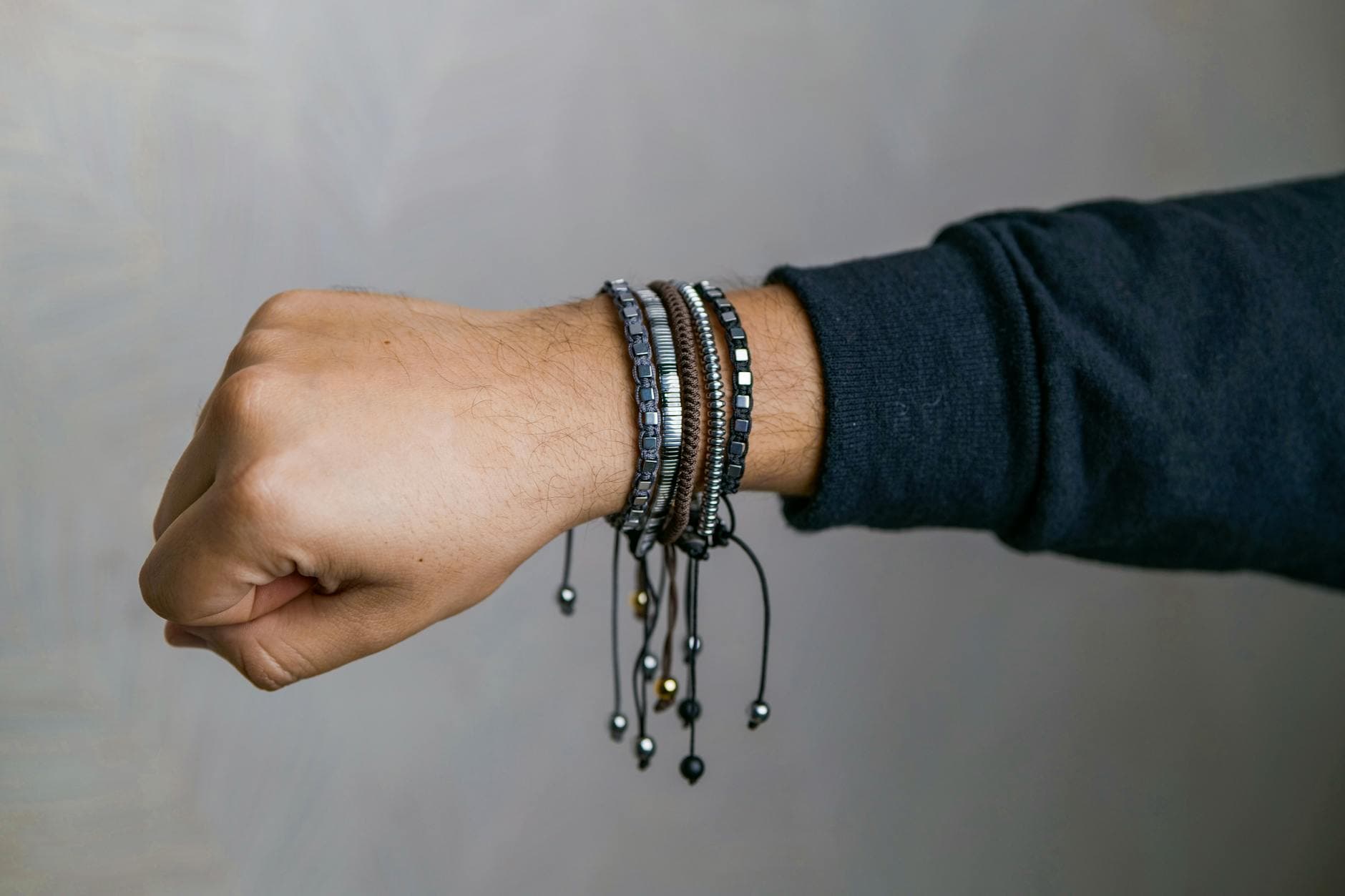
FoundRae’s Beth Hutchens puts that idea in human terms, describing medallion bracelets as able to represent moments, memories, beliefs, letters, and numbers. That is the real power of the category: each add-on becomes a marker of a person’s life rather than a decorative extra. A charm bracelet built this way is giftable, but it is also deeply ownable, because it can be shaped around the wearer’s codes instead of a retailer’s styling story.
How to build a stack around charm bracelets
The current charm-bracelet look works best when it is treated as a base rather than a finale. Start with one piece that can hold visual attention on its own, then let the rest of the wrist stack add contrast through width, texture, and metal color. A diamond charm bracelet can sit beside a slim tennis bracelet for sparkle, a sculptural bangle for structure, or a second chain-style bracelet for movement.
- one anchor piece with substance, such as a charm bracelet in gold or diamond detail
- one smoother bracelet for contrast, such as a tennis line or fine chain
- one piece with shape, such as a bangle or cuff, to keep the wrist from feeling too uniform
A strong stack usually has three qualities:
The most current stacks do not look carefully matched. They look collected, with each bracelet contributing a different surface or rhythm. That is why the charm bracelet is back in play: it offers room for evolution, and the look gets better as it is worn more often.
What to look for in a piece built to last
Because the category is so personal, the craft has to hold up to the sentiment. Look for secure settings around diamond charms, clean link construction, and metals with enough weight to withstand repeat wear. If a bracelet is meant to be added to over time, the clasp and the links matter just as much as the charm itself, because a modular piece should feel sturdy enough to live through years of additions.
The ethics question matters here, too. Vague claims about beauty, rarity, or responsibility are not enough on their own. The strongest pieces are the ones that make their materials legible, whether that means clearly identified natural diamonds, transparent metal descriptions, or a design that is built for repair and long-term wear rather than disposable trend value.
The reason charm bracelets have returned so forcefully is that they solve a very current problem: how to make jewelry feel personal without becoming fussy. In a market leaning toward visible stacks, collected histories, and bold self-expression, the charm bracelet has become the most persuasive kind of foundation piece, one that can keep taking shape without losing its meaning.
Know something we missed? Have a correction or additional information?
Submit a Tip