Pandora adds carbon footprint labels to lab-grown diamonds
Pandora turned climate data into a fifth C, betting that carbon labels will matter as much as sparkle in lab-grown diamond stacks.
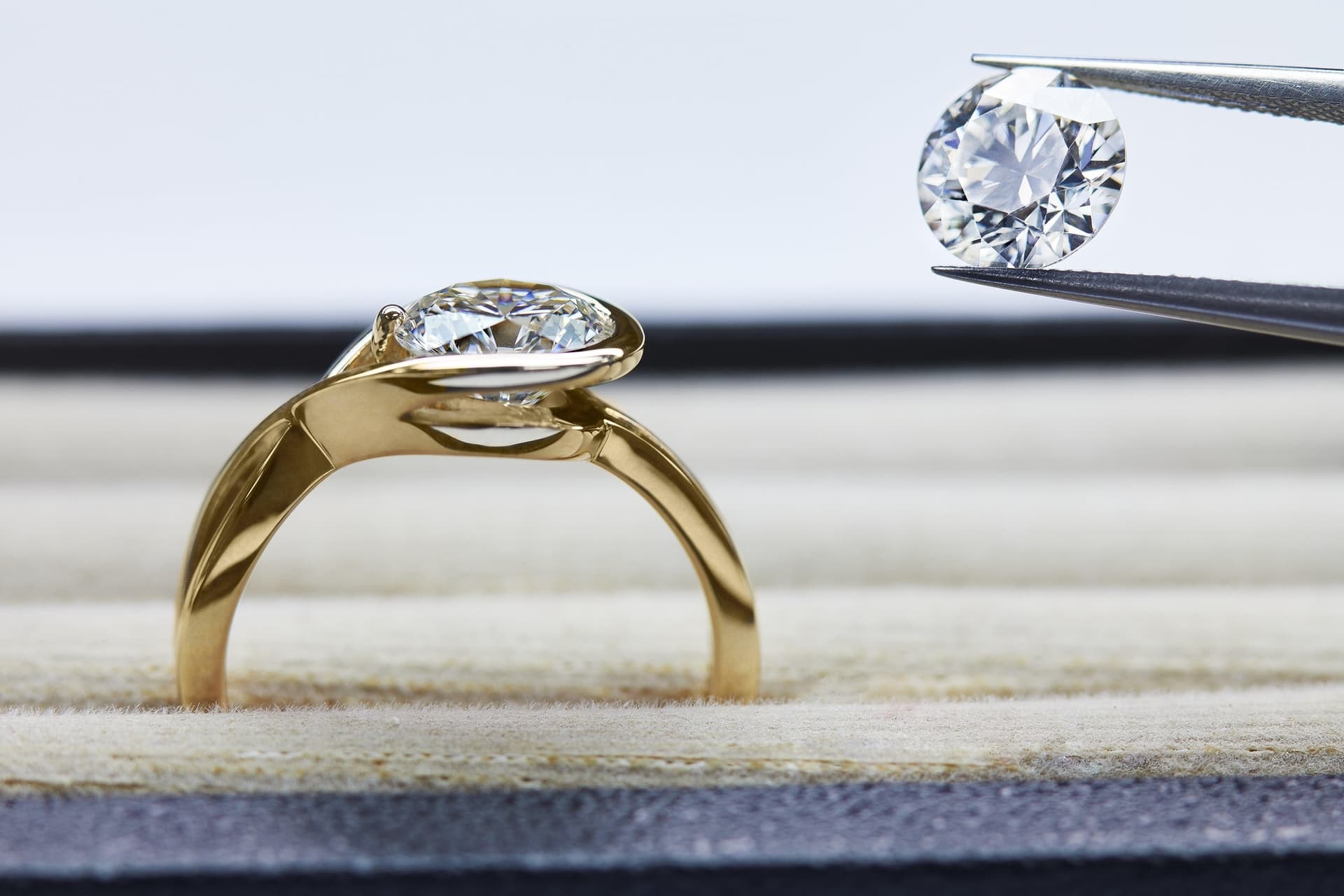
Pandora has added carbon-footprint labels to its lab-grown diamonds, folding climate data into the traditional language of cut, color, clarity and carat. The figures will appear on each stone’s product page on Pandora’s website, effectively giving shoppers a fifth C to weigh alongside the details that usually decide whether a diamond earns a place in a ring stack, a slim bracelet line-up or a layered necklace look.
That shift speaks directly to the way accessible fine jewelry is being bought now. Pandora’s lab-grown diamond collection was built for repeat wear and easy mixing, not just ceremony: in North America, the Pandora Brilliance line included rings, bangles, necklaces and earrings. By attaching a carbon label to each stone, the brand is inviting consumers to compare more than size and sparkle. It is asking them to read the environmental profile of a piece as part of the design, especially in a category where shoppers often assemble looks one ring, one chain and one bracelet at a time.
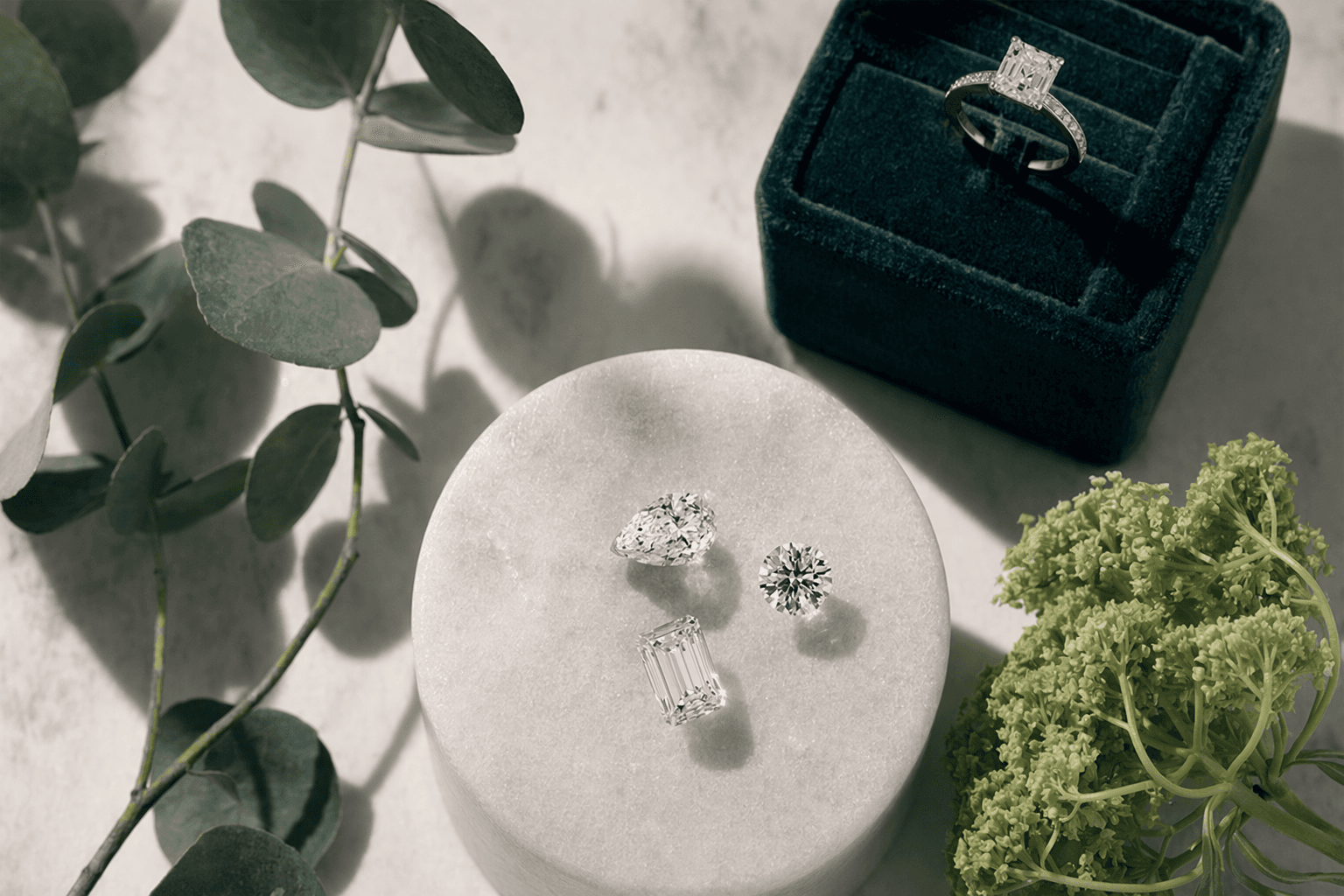
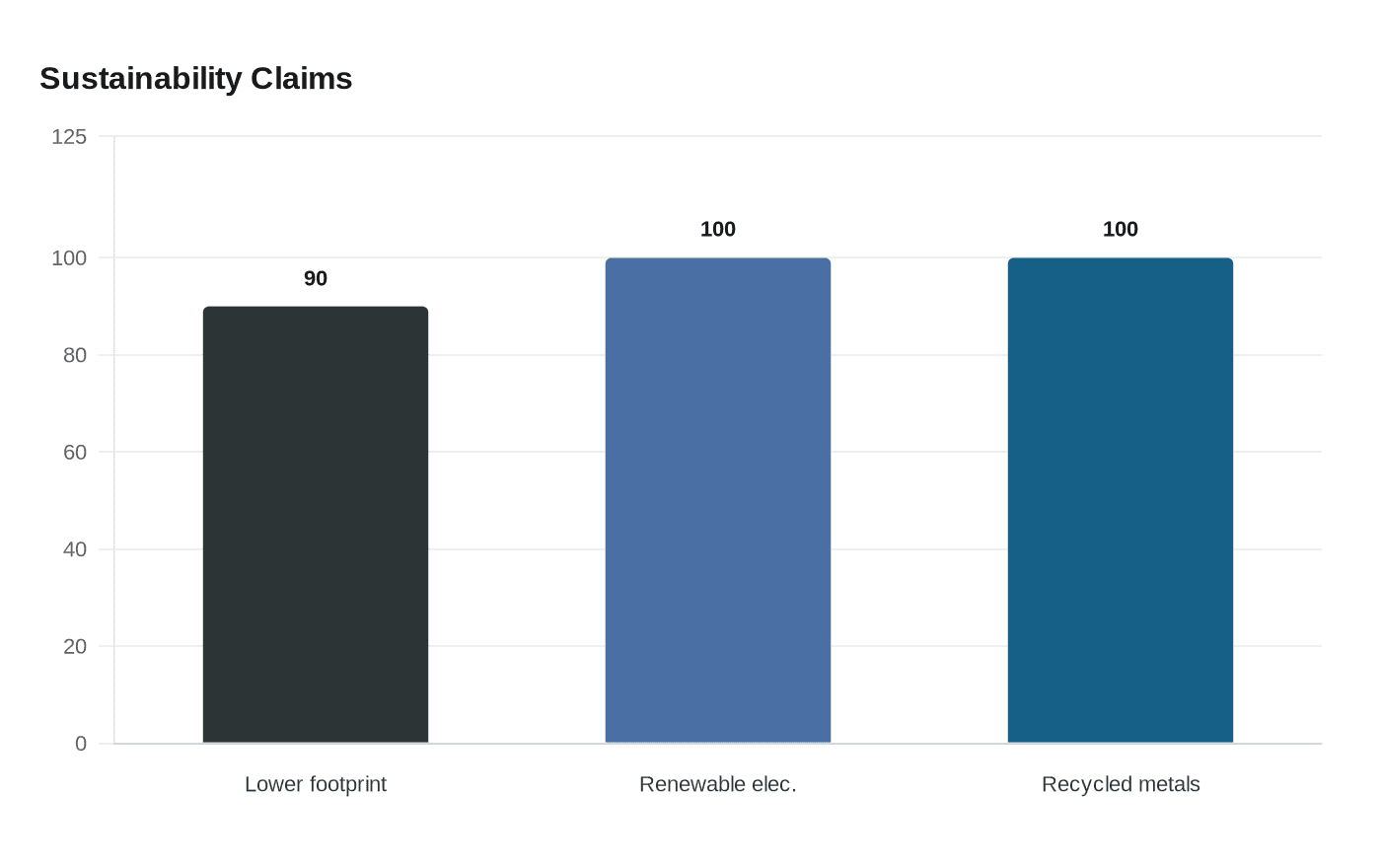
Pandora said the carbon footprint of its lab-grown diamonds is around 90% lower than mined alternatives. The company has previously said its lab-created stones carry a footprint of 8.17 kg CO2e per carat, and that if all diamonds were mined with the same footprint, the industry could save more than 6 million tons of CO2e annually, roughly equivalent to replacing all cars in New York City with electric vehicles. Pandora also says its lab-grown diamonds are grown, cut and polished using 100% renewable electricity and set in jewelry made from 100% recycled silver and gold.
The move lands with particular force in the United States, which Pandora calls the world’s largest diamond jewelry market. The company, which reported 2025 revenue of 32.5 billion Danish kroner and a store network of around 2,800 concept stores, first tested lab-created diamonds in a UK pilot in 2021 and said then it would stop using mined diamonds. The label rollout builds on that earlier pivot and on the broader market reality that lab-grown stones are increasingly sold as lower-impact alternatives. Still, the category’s sustainability claims remain contested: the Natural Diamond Council has argued that the picture is more complicated, depending on electricity sources and production methods. For Pandora, that complexity is exactly the point, and the new labeling suggests transparency itself may now be part of the luxury equation.
Know something we missed? Have a correction or additional information?
Submit a Tip