Experts Offer Material-Specific Cleaning and Storage Tips for Layered Jewelry
Layered jewelry lasts when you match care to material: warm water, mild soap and soft brushes for most pieces, daily wipes and yearly professional checks protect settings and value.
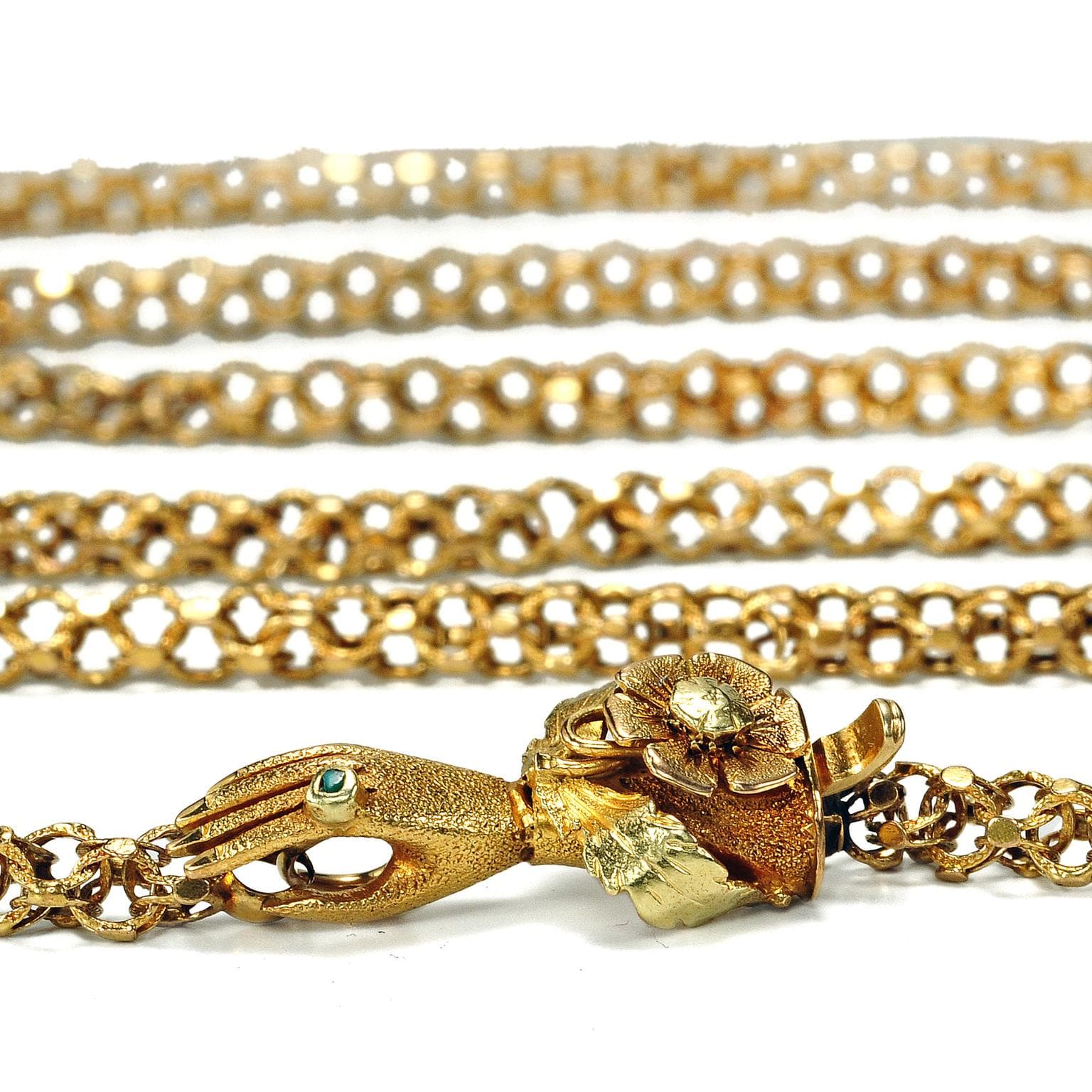
Layered necklaces and stacked rings collect life quickly, oils, perfume, sweat and everyday knocks hide in settings and between links. The practical guidance below compiles material-specific cleaning and storage tips drawn from jeweler and conservator recommendations so you can keep layered combinations beautiful without risking damage.
1. Daily end-of-day wipe
Gently remove oils and surface debris at the end of each day with a lint-free or soft cloth. As Bremer recommends, “Wipe After Wearing, Gently clean pieces with a lint-free cloth at the end of each day to remove oils and buildup.” This habit preserves sparkle, helps you spot loose stones early and reduces the need for aggressive cleaning that can stress prongs and delicate links.
2. Pre-wear precautions for gemstone pieces
Apply fragrances, hairsprays and colognes before putting on gemstone jewelry, not after. Gabriel’s guidance is explicit: “Apply fragrances, colognes, and hairsprays before putting on gemstone jewelry. These chemicals can be exceedingly corrosive and also reduce the jewelry's brightness and reflectivity.” For permeable or treated gems, avoid exposure to chemicals and wipe pieces with a moist cloth immediately after wearing to remove sweat and residues.
3. Inspect mountings before any cleaning
Visually check that stones are secure in their mountings before you begin cleaning; if in doubt, have a trusted jeweler inspect the piece. Borsheims advises, “Be sure to visually inspect your jewelry before cleaning to be sure all stones are secure in their mountings. If in doubt, have a trusted jeweler inspect the piece and perform any necessary maintenance.” A loose stone cleaned aggressively can be lost or damaged.
4. Basic home-cleaning method for most pieces
For most diamonds, sapphires, rubies and many colored gems, use warm water, a mild (non-detergent) soap and a soft brush, then rinse and dry thoroughly. Jewelryfactory sums the routine: “Stick to warm water, mild soap, and soft brushes. Dry thoroughly to prevent water spots and dullness.” Ellis/GIA concurs: “Most colored gems can be cleaned with warm water, mild dish soap (no detergents) and a soft brush.” Always rinse carefully and dry with a soft, lint-free cloth.
5. Diamonds: clean the underside and check settings
Diamonds can look dull when oils collect beneath the stone, but the settings are the vulnerable part, not the diamond itself. Jewelryfactory warns, “Diamonds may be hard, but the settings holding them aren’t. Oils and residue easily dull their brilliance.” Focus cleaning under the pavilion and around prongs with a soft toothbrush and mild soap, and inspect prongs for wear.
6. Colored gemstones (sapphires, rubies) follow diamond methods; treat others with care
Sapphires and rubies generally tolerate the same warm-water, mild-soap approach as diamonds, but not all colored gems do. Bremer states that “Sapphires and rubies can be cleaned with the same method as diamonds.” Ellis/GIA cautions that “Many colored gemstones are routinely treated to improve the appearance of color and clarity. These treatments can be negatively affected by heat, solvents, steam and ultrasonic cleaners,” so verify treatment history before exposing a gem to heat, steam or ultrasonic waves.
7. Emeralds and permeable/treated stones: extreme gentleness
Emeralds and other permeable or treated gems demand gentler handling, clean them with a damp cloth rather than submerging or scrubbing. Bremer is explicit: “Emeralds should be wiped with a damp cloth only.” Gabriel adds that “sweat, which is extremely hazardous to permeable gemstones,” means you should wipe such stones immediately after wearing. If a GIA report or treatment history exists, consult it: treated stones can be sensitive to heat, solvents and ultrasonic cleaning.
8. Pearls, opals and other delicate gems: avoid harsh cleaners
Do not assume commercial cleaners are safe for soft or porous gems. Borsheims cautions, “Commercial jewelry cleaners are safe for most stones, but be sure to read the label carefully before using any commercial cleaner, especially on delicate stones such as pearls or opals.” When in doubt, wipe gently with a damp cloth and seek professional advice.

9. Silver: avoid abrasives, prefer polishing cloths and light, regular maintenance
Silver tarnishes easily; avoid abrasive home remedies like toothpaste or baking-soda pastes that can scratch surfaces. Jewelryfactory warns to “avoid toothpaste or baking soda pastes that can scratch the surface. Instead, use gentle cleaning solutions and polishing cloths designed specifically for silver. Consistent light cleaning is far better than aggressive scrubbing once tarnish sets in.” Borsheims adds that badly tarnished all-metal silver may be treated with a commercial silver cleaner, but “Do not use commercial silver cleaners on gemstone pieces.”
10. Gold and platinum: gentle cleaner, thorough rinse and professional polish schedule
Use a gentle jewelry cleaner for gold and platinum, rinse well and dry with a soft cloth to prevent water spots. Bremer summarizes: “Gold and Platinum, Use a gentle cleaner designed for jewelry. Rinse thoroughly and dry with a soft cloth to prevent water spots.” For platinum specifically, Gabriel recommends seeking expert assistance “at least once or twice a year” because, while corrosion-resistant, platinum is prone to scratches; professionals can buff or apply rhodium plating for a matte or refreshed finish.
11. Ultrasonic cleaners: useful but risky, know when to hand to a pro
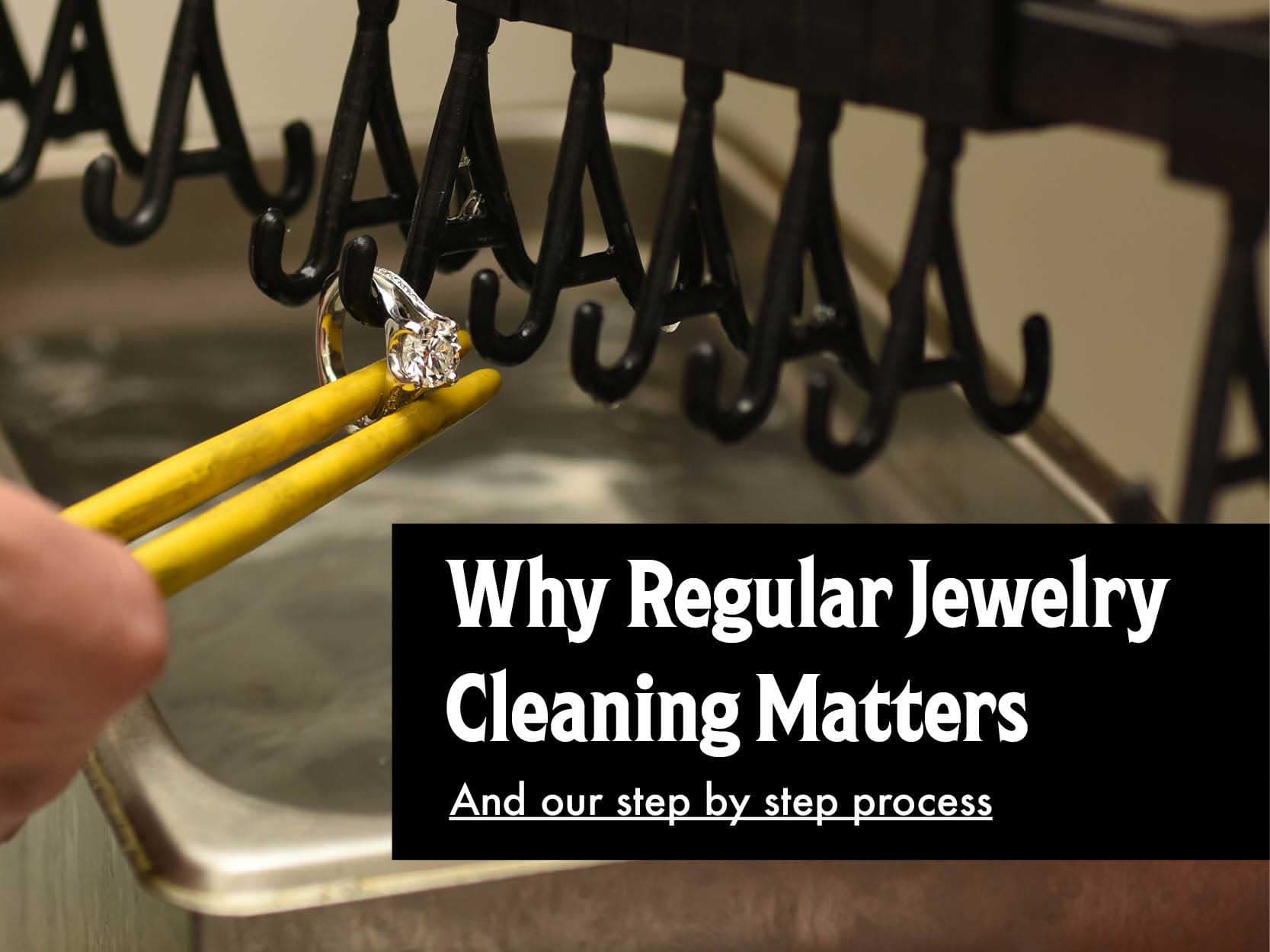
Ultrasonic cleaning is powerful but must be used selectively and knowledgeably. Ellis/GIA states, “This type of cleaning is best left to jewelry professionals who know about different gem materials and understand when and how to use the ultrasonic cleaner safely.” The same guidance notes that “While you can purchase a professional ultrasonic cleaner for $150 or less, you should be aware that not all gems and jewelry can be safely cleaned in it.” If you consider at-home ultrasonics, confirm a gem’s treatment history and security of settings first.
12. Commercial cleaners: read the label and respect exclusions
Commercial solutions can save time, but labels matter, especially for delicate or treated gems. Borsheims instructs, “Commercial jewelry cleaners are safe for most stones, but be sure to read the label carefully before using any commercial cleaner, especially on delicate stones such as pearls or opals.” Also heed the explicit warning not to use commercial silver cleaners on pieces that include gemstones.
13. Professional inspection and maintenance schedule
Routine professional checks catch early wear and prevent costly loss; aim for at least an annual inspection for most pieces and consider more frequent service for high-wear items. Jewelryfactory notes, “Sometimes home care isn’t enough. … A yearly professional check can catch issues before they become expensive problems.” Retailers like Bremer list services professionals provide, ultrasonic cleaning, tightening settings, polishing and restoring finishes, while Gabriel recommends platinum pieces see an expert “at least once or twice a year.”
14. Storage and anti-tangling for layered jewelry
The roundup emphasizes storage strategies that prevent tangling, the excerpt even includes the fragment “separate pouches for cha…”, and editors echo the need for intentional storage. Borsheims also advises polishing pieces “after cleaning and before storage,” which preserves finishes while reducing future tarnish. For layered sets, prioritize separate soft pouches or compartmentalized storage and make a nightly habit of wiping and inspecting pieces before stowing them to reduce abrasion and tangles.
15. A compact routine for people who layer daily
If you wear multiple chains and stacked rings every day, follow a short, repeatable routine: (1) apply fragrance and hair products before dressing; (2) wipe each piece with a lint-free cloth after wearing; (3) visually inspect settings; (4) clean at home only with warm water, mild soap and a soft brush when appropriate; and (5) schedule professional inspection at least yearly, or up to twice yearly for platinum and other high-wear metals. These steps combine Jewelryfactory’s, Bremer’s and Ellis/GIA’s guidance into a practical ritual that protects both the emotional and financial value of layered jewelry.
Conclusion Layering is a style choice that rewards modest, material-specific maintenance: simple daily wipes, careful handling of permeable or treated gems, restraint with abrasives, and routine professional checks preserve beauty and reduce risk. Follow these concrete steps and the pieces you layer will keep their brilliance while remaining safe to wear.
This article was produced by Prism’s automated news system from verified source data, official records, and press releases, then run through automated quality and moderation checks before publishing. The system is built and supervised by the people who set the standards it runs under. Read our full AI policy.
Did this article answer your question?