Five Stackable Rings for 2026: Base Bands, Texture, and Pavé Picks
Stackable rings are having a structural moment — here's how base bands, texture, and pavé work together on a single hand.
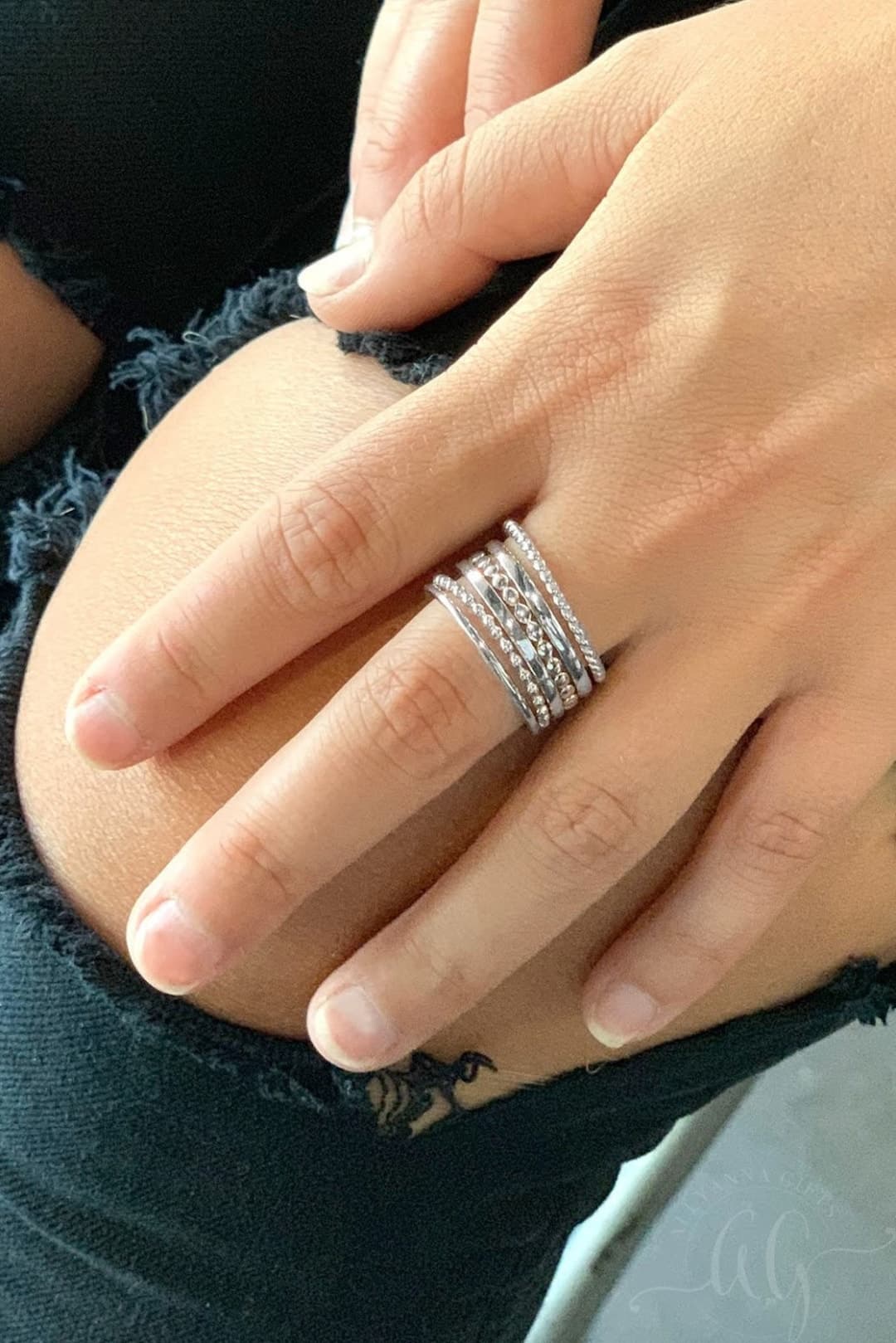
Every awards season carries its own sartorial tension, and right now that tension has migrated from the red carpet to the ring finger. The question isn't whether to stack; it's how to stack with intention. A pile of mismatched bands can read as an afterthought. A considered stack, built around a clear visual logic, reads as a signature. The difference between the two usually comes down to three things: a strong base, deliberate texture, and knowing when pavé is the answer.
What follows is a close look at five stackable ring picks for 2026, organized around the layering philosophy that jewelry editors and collectors are gravitating toward this year: start with a base band, build in texture, and use pavé as punctuation rather than wallpaper.
The Base Band: Your Stack's Structural Foundation
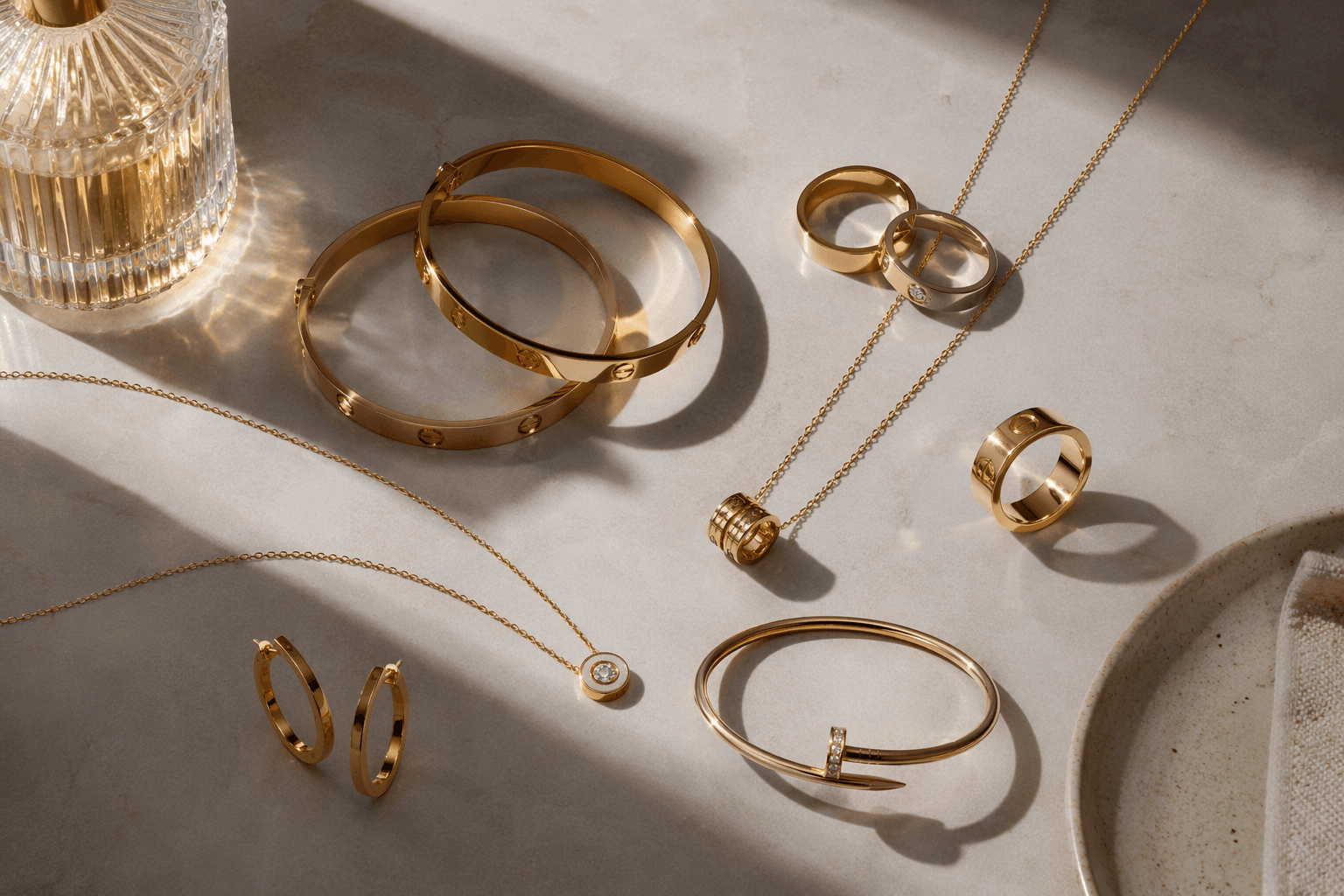
Before anything else, a stack needs an anchor. A base band is the ring you'd wear alone on a quiet Tuesday and not feel underdressed. It earns its place not through ornamentation but through weight, proportion, and finish. In 2026, the most compelling base bands sit somewhere between architectural and minimal: flat profiles in yellow gold or sterling silver, with enough visual mass to hold their own once neighbors crowd the finger.
When evaluating a base band, the questions worth asking are material-specific. Is the gold solid or gold-filled? What is the alloy composition, and does the brand disclose it? A 14-karat solid gold band will wear differently over a decade than a gold vermeil piece, and the price should reflect that difference honestly. Recycled gold certifications from bodies like the Responsible Jewellery Council add meaningful provenance context, though not every independent jeweler will carry that accreditation. What matters is whether the brand can tell you where the metal came from.
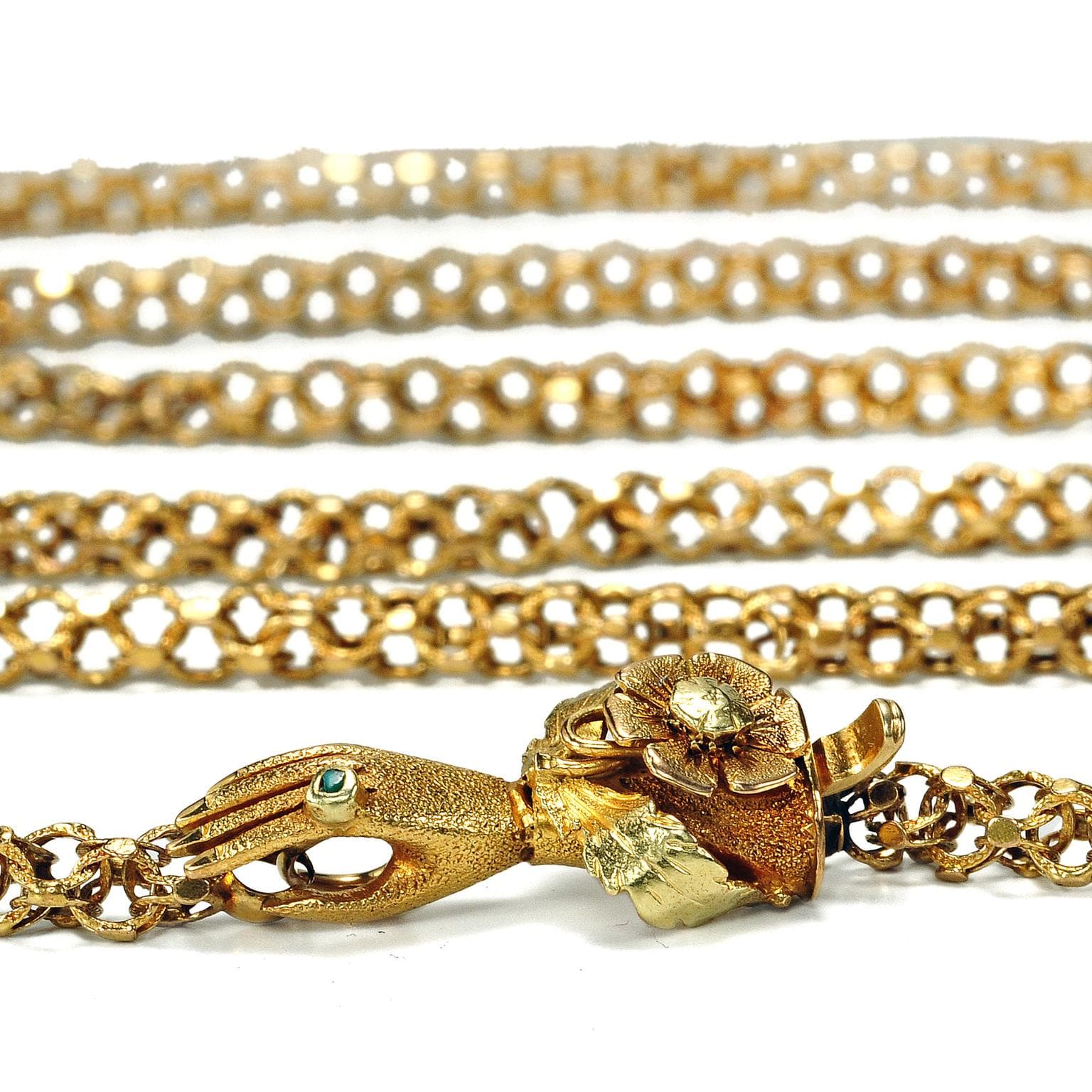
A well-chosen base band also determines the tonal direction of the entire stack. Warm yellow gold pulls the eye toward organic, botanical textures. White gold and platinum push naturally toward geometric or pavé companions. This isn't a rule so much as a gravitational pull, and understanding it gives you the freedom to work with it or deliberately against it.
Texture Rings: Where a Stack Develops Character
Texture is what makes a stack legible from across a room. Hammered surfaces catch light at angles that polished metal cannot. Twisted or rope-detail bands create linear rhythm between flatter neighbors. Milgrain edges, a technique with roots in Edwardian jewelry-making, add a fine beaded border that photographs beautifully and holds up under daily wear.
The best textured rings in a stack occupy the middle register: more visually active than a base band, but quieter than a pavé piece. They are the connective tissue of the stack, bridging the gap between restraint and spectacle. A single hammered band flanked by two plain polished rings creates immediate depth. Two twisted bands beside a wide base band generates rhythm without chaos.
From a durability standpoint, texture can also be a practical asset. Hammered finishes mask minor surface scratches better than a high-polish surface, which tends to show wear more visibly. For rings worn daily, that's a meaningful consideration, not a minor footnote. Ask jewelers whether a texture was hand-applied or machine-stamped; the former tends to have more variation and character, the latter more consistency.
Pavé Rings: Precision Settings and When They Earn Their Place
Pavé, derived from the French word for "paved," describes a setting style in which small stones, typically diamonds or diamond simulants, are set closely together across a metal surface with minimal metal visible between them. Done well, it creates an unbroken river of light. Done poorly, it can look crowded or, worse, feel insecure: stones in poorly executed pavé settings are more likely to loosen under daily contact.
When assessing a pavé ring, the prong work is what separates a considered piece from a commodity one. Micro-pavé, which uses stones typically under one millimeter in diameter, requires exceptional precision from the setter. The claws holding each stone should be uniform, and the stones themselves should sit level with one another rather than at varying heights. Natural diamonds in pavé settings carry the most robust resale and provenance considerations. Look for stones accompanied by Kimberley Process documentation, and, for lab-grown alternatives, ask whether the brand discloses the growth method (CVD versus HPHT), as this affects energy use and cost.
In a stack, pavé rings work best as a single exclamation point rather than a repeating motif. Two pavé bands side by side can flatten the visual hierarchy the rest of the stack has built. One pavé ring, placed intentionally between a base band and a textured piece, draws the eye through the full composition.
Mixing Metals: The Case for Intentional Contrast
The instinct to match metals is understandable, but the stacks generating the most visual interest in 2026 are often the ones that mix them. Yellow gold beside white gold creates warmth-and-cool contrast. Sterling silver beside rose gold adds an almost photographic tonal range. The key is ratio: two bands in one metal to one in another tends to feel considered. A true 50-50 split between metals can tip into visual conflict rather than contrast.
Mixed-metal stacks also raise material questions worth thinking through. Sterling silver oxidizes differently than gold, and the two metals can accelerate each other's wear when in constant contact. Rhodium-plated white gold holds its color longer than unplated white gold but will eventually show the warmer yellow tone beneath. Knowing this upfront helps you set realistic expectations about maintenance, rather than experiencing it as a disappointment.
Building the Stack: A Practical Layering Logic
The most durable stacking philosophy is also the simplest: build from widest to narrowest, from least ornamented to most. Start with your base band, typically the widest piece in the stack, closest to the knuckle or at the base of the finger depending on your preference. Add a textured mid-weight ring as a visual bridge. Place the pavé piece where the light hits most naturally, often toward the center of the stack where it benefits from framing on both sides.
- Odd numbers of rings in a stack (three or five) tend to feel more organic than even numbers.
- Spacing rings across multiple fingers rather than crowding one avoids the visual noise that undermines a considered stack.
- A single stack on one hand, with clean fingers on the other, creates deliberate asymmetry that reads as confident rather than excessive.
The rings that hold their value and their story over time are the ones built on honest materials and disclosed provenance. A stack is only as strong as its foundation, which is as true of the craftsmanship inside each band as it is of the layering logic holding them together.
This article was produced by Prism’s automated news system from verified source data, official records, and press releases, then run through automated quality and moderation checks before publishing. The system is built and supervised by the people who set the standards it runs under. Read our full AI policy.
Did this article answer your question?