Gold prices push jewelers toward smaller collections and mixed materials
Gold’s price surge is shrinking collections into slimmer, more inventive layers, with wood, leather, and mixed metals doing more of the visual work.
Gold gets smaller, but more intentional
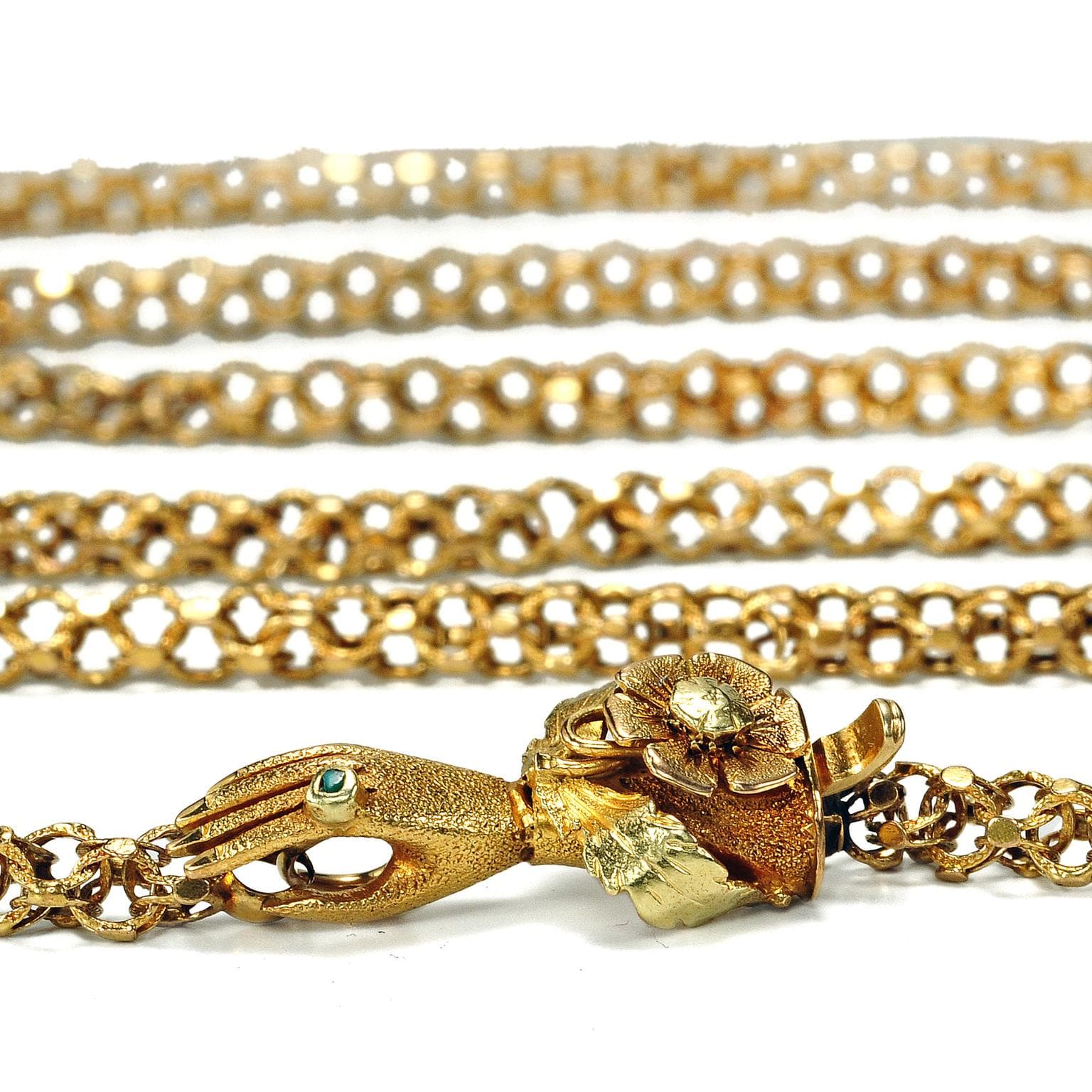
Gold is getting more expensive, and the most interesting response is not retreat but refinement. Designers are trimming collections into tighter edits, building slimmer silhouettes, and using mixed materials to keep layered jewelry looking fresh without relying on heavy metal weight. The result is a visible shift in scale: fewer oversized links, more precise proportions, and pieces that are designed to play well together rather than compete for attention.

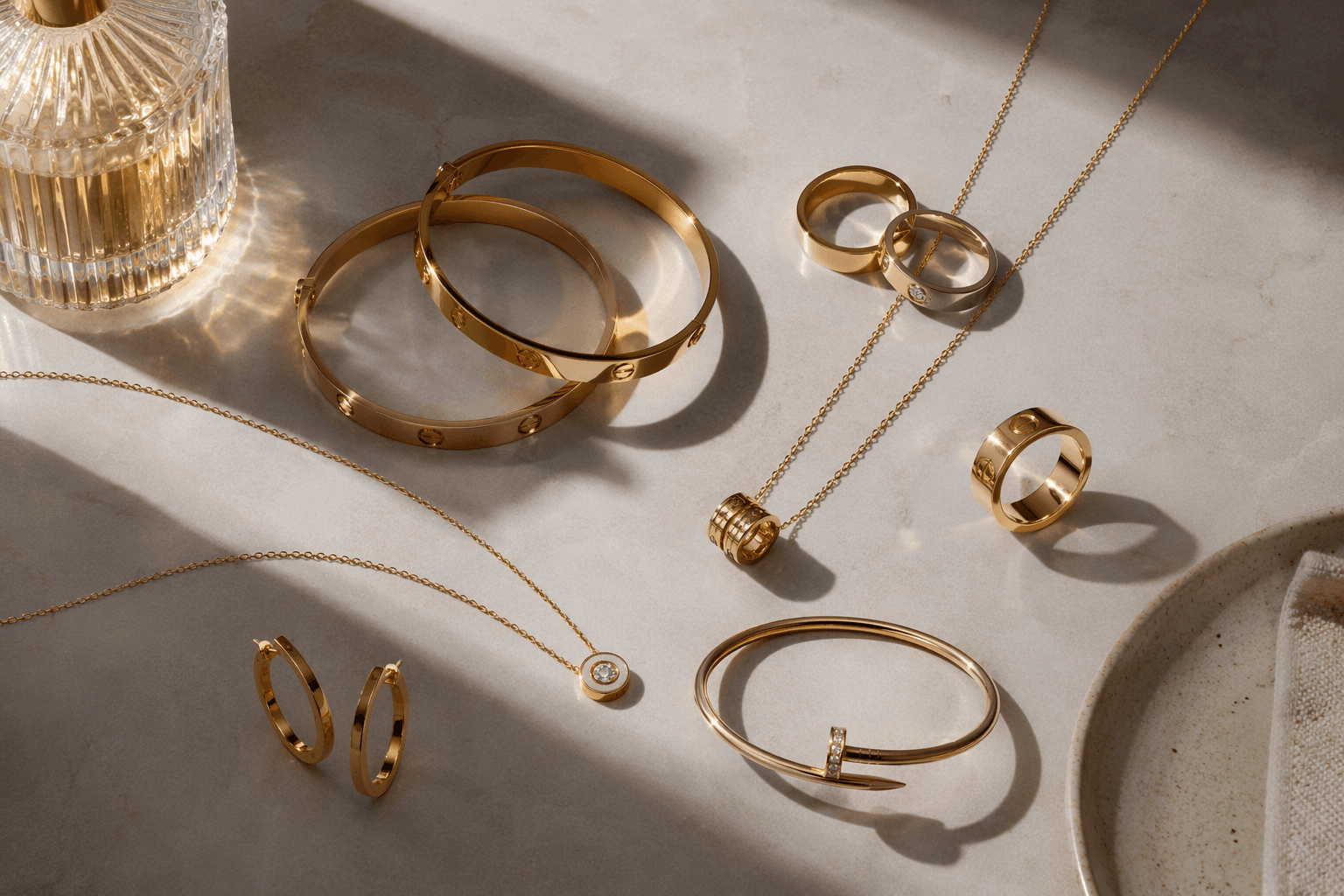
That change matters because layering lives or dies on balance. A wrist stack needs variation in texture, thickness, and finish; a neck messier than intended quickly looks crowded. As gold prices rise, jewelers are leaning into that logic, replacing excess with deliberate construction and treating each piece as a component in a larger composition.
The market pressure behind the new silhouette
The numbers explain why the look is changing. The World Gold Council says total gold demand in 2025 reached 5,002 tonnes, the first time it exceeded 5,000 tonnes, and that demand was valued at US$555 billion. It also says gold set 53 new all-time highs during the year, a run that pushed buyers and makers into a more expensive reality.
That pressure continued into 2026. The Council says first-quarter demand reached 1,231 tonnes and a record US$193 billion in value, even as jewelry volumes fell 23% year on year and spending rose 31%. Global jewelry demand in the quarter was just 300 tonnes, the lowest since Q2 2020, yet value climbed to a first-quarter record US$47 billion. In other words, the market is paying more for less metal, and that inevitably changes how collections are built.
What smaller collections look like on the body
The most immediate design consequence is scale. Instead of broad assortments of heavy cuffs, large collars, and oversized chain families, jewelers are presenting tighter capsules with fewer pieces and sharper point of view. A slim bangle reads differently when it is intended as part of a stack rather than as a lone statement, and a fine chain pendant becomes more powerful when the collection around it is edited to support layering.
This is where gold’s cost pressure becomes an aesthetic force. Smaller collections force the eye to work harder, so proportions have to be exact. A bezel-set stone can feel more architectural than a prong-set one in a reduced format, while narrow collars, delicate huggies, and understated medallions depend on finish and spacing to create impact. The look is less about volume and more about rhythm.
Mixed materials are doing more of the storytelling
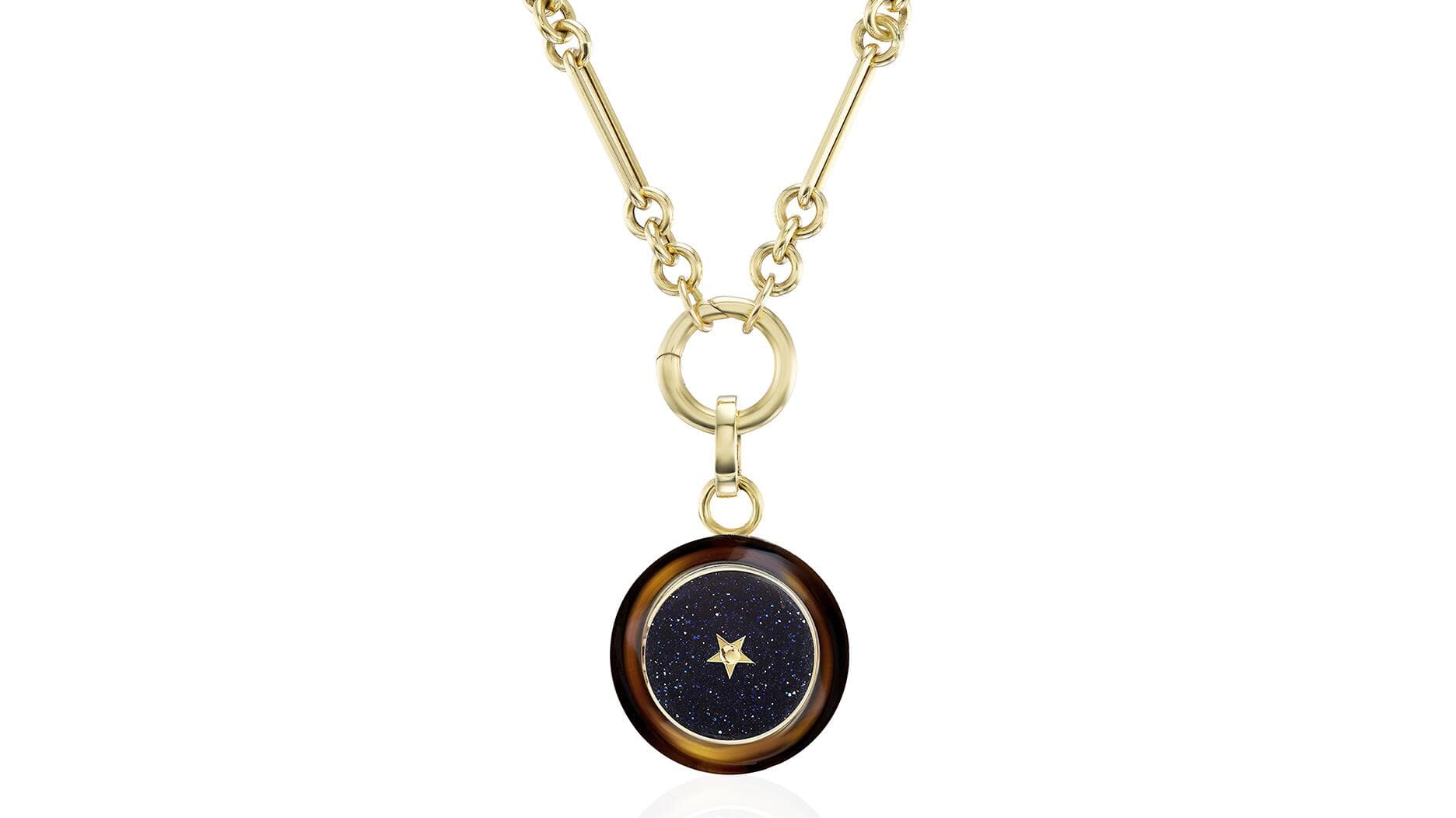
National Jeweler has noted that designers are embracing wood and leather, creating smaller but more thoughtful collections, and in some cases leaning into gold’s investment value as part of the story. That shift is especially useful for layering, because non-metal materials add contrast without demanding the same cost burden as an all-gold build.
Wood softens the shine and introduces warmth that reads artisanal rather than industrial. Leather brings tensile contrast, making a gold clasp, toggle, or charm feel more tactile and modern. For readers building layered looks, these materials change the mood entirely: a gold-and-leather cord necklace feels quieter and more personal than a heavy chain, while wood accents can keep a stack from feeling too polished or precious.
Mixed metals and recycled materials feel less like trend language, more like practical design
Trend reporting for 2026 points toward mixed metals, recycled materials, and more personal layering and stacking. That trajectory makes sense in a gold-constrained market, but it also reflects a broader shift in taste. Jewelry is being asked to feel intentional rather than mass-produced, and mixed materials help collections achieve that without looking stripped down.
In layered jewelry, mixed metals are not a compromise. They are a visual strategy. Yellow gold beside white gold or silver breaks up a stack and gives each piece breathing room. Recycled metals add another layer of meaning, especially when the design itself is already pared back. The result is jewelry that looks assembled with judgment, not assembled by default.
Why independents are moving differently from big houses
WWD reported in November 2025 that independent fine jewelers are getting more creative in both design and business strategy as gold rises. Samantha Conti and Lily Templeton reported a designer’s point that larger houses can hedge gold and buy in bulk, while independents have to maneuver more carefully and adapt with greater precision.
That difference shows up in the jewelry itself. Big brands can absorb cost through scale, but independents often translate pressure into sharper editing: fewer SKUs, more bespoke-feeling capsules, and pieces with clearer identity. For layering readers, that tends to produce better objects. When a designer has to think harder about every gram, the result is often a cleaner clasp, a smarter chain length, or a charm that feels considered rather than decorative.
How the next layering pieces are likely to feel
The next generation of layering jewelry will probably look leaner, but not austere. Expect chain families built around slimmer links, pendant necklaces that are designed to sit at staggered lengths, and bracelets that stack by texture rather than sheer size. Expect more wood, leather, and recycled materials to interrupt the shine of gold and keep pieces visually alive.
Most of all, expect collections to communicate value differently. In a market where gold’s price has made every gram matter, jewelry has to earn its place through design intelligence, not weight alone. That is a good development for layering: the strongest stacks are rarely the heaviest ones, but the ones in which every piece knows exactly why it is there.
This article was produced by Prism’s automated news system from verified source data, official records, and press releases, then run through automated quality and moderation checks before publishing. The system is built and supervised by the people who set the standards it runs under. Read our full AI policy.
Did this article answer your question?