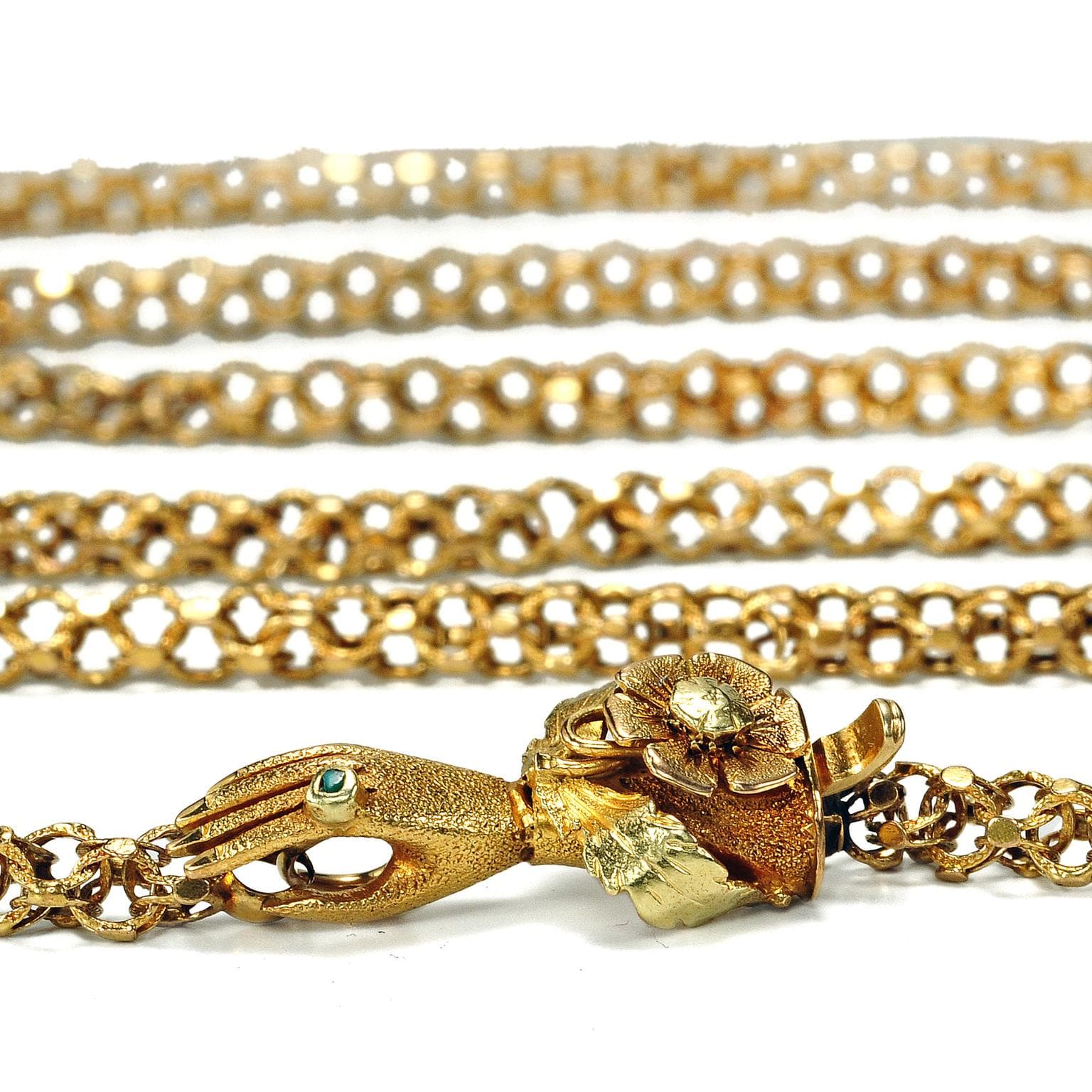
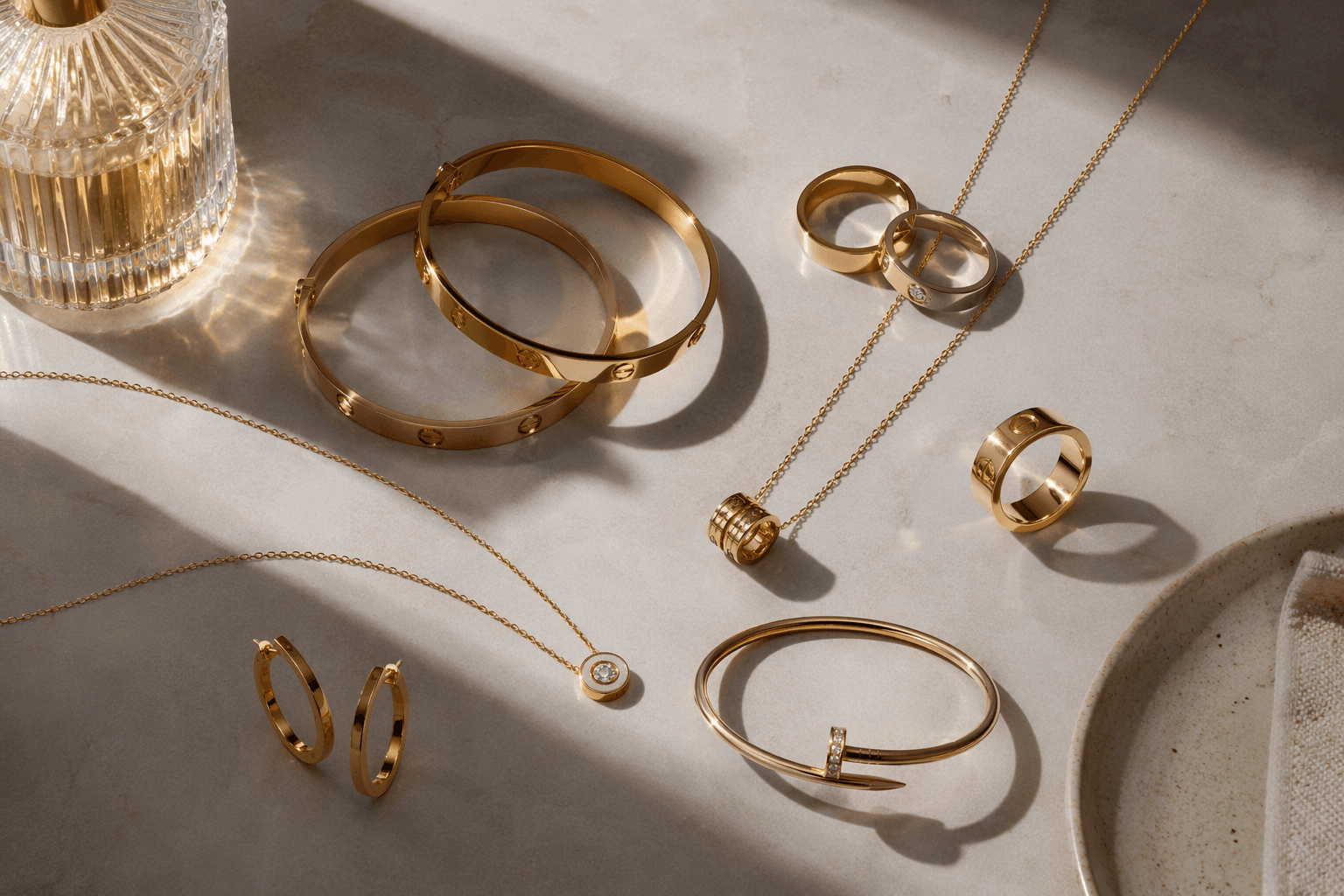
How to Build a Balanced, Textured Bracelet Stack Like a Style Pro
Bracelet stacking is equal parts texture and curation: here's how to build a wrist stack that holds together with intention.
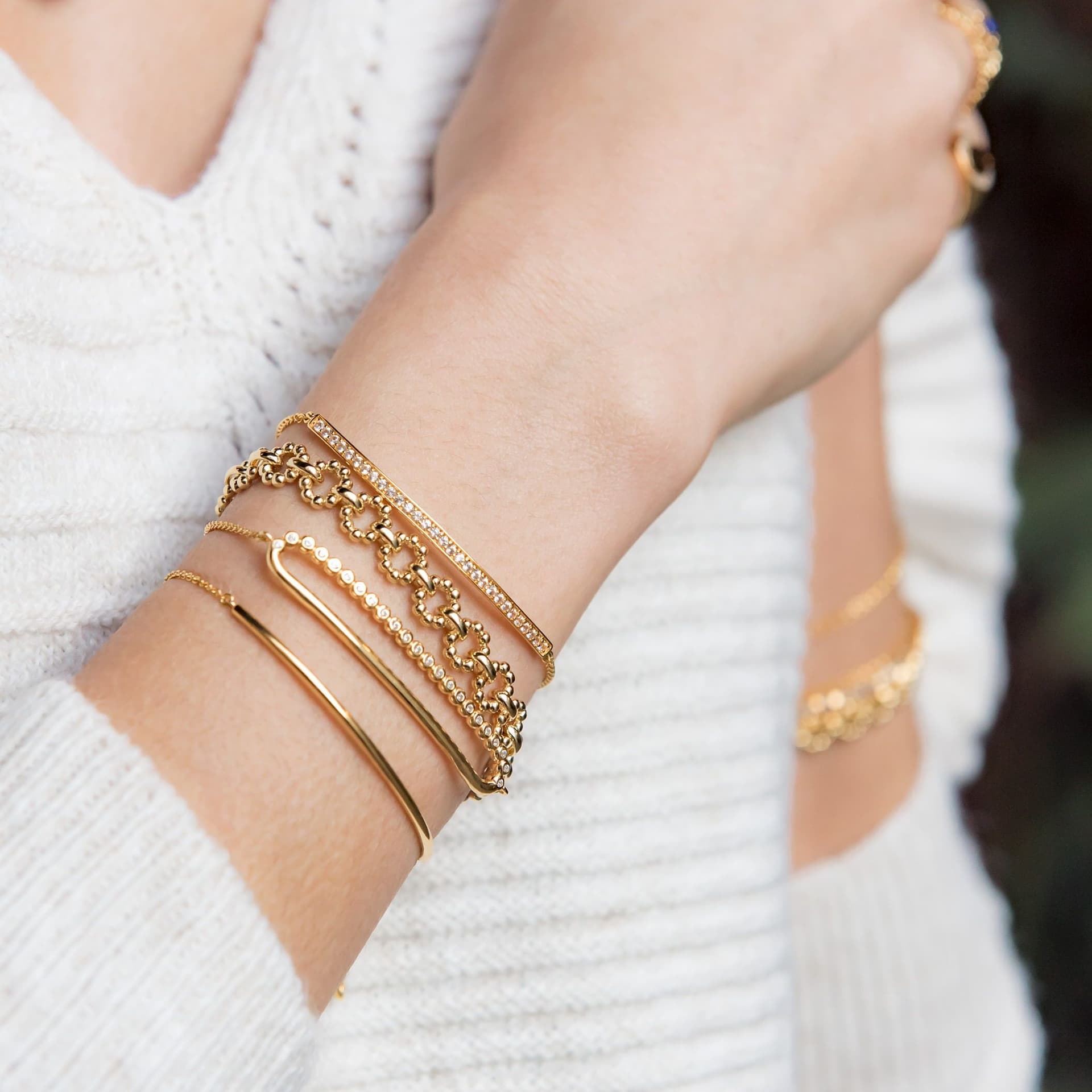
There is a particular kind of wrist that stops you mid-scroll. Not because it's draped in expensive things, but because every piece seems to belong exactly where it is. The bracelets sit at different widths, catch light at different angles, and somehow read as a single considered thought rather than an accumulation of impulse purchases. That effect is not accidental. It is the result of treating stacking as what it actually is: a textural exercise and a curation problem solved simultaneously.
Vogue Singapore's recent feature on bracelet stacking captures this tension precisely, framing the layered wrist as something influencers and street-style figures are actively thinking through this season, not just throwing on. The piece lands at a moment when the wrist has quietly become the most compositionally complex piece of real estate on the body, and the rules for dressing it well are worth understanding from the ground up.
Start with the architecture, not the aesthetics
Before you think about gold versus silver or beads versus chain, think about structure. A strong stack needs at least three distinct silhouettes to read as intentional. Consider a slim chain or tennis bracelet as your base layer, sitting closest to the wrist bone. Above it, a mid-weight piece, perhaps a flat cuff or a link bracelet with visible negative space. Finally, a chunkier or more dimensional element, a sculptural bangle, a braided cord, or a wide beaded piece, that anchors the composition and gives the eye somewhere to land.
The reason this architecture works is the same reason a well-dressed window display works: contrast creates visual rhythm. When every piece occupies the same visual weight, the eye has nothing to travel between. The stack collapses into noise. When weight varies deliberately, the pieces in conversation with each other produce something more coherent than any single bracelet could achieve alone.
Texture is doing the work you think metal is doing
A common mistake in bracelet stacking is treating it primarily as a metals exercise, obsessing over whether yellow gold mixes with rose gold, whether silver belongs with white gold, whether two-tone is permissible. These questions matter less than texture does. A smooth high-polish cuff, a matte hammered bangle, a woven leather strap, and a pavé-set diamond bracelet can all live on the same wrist because their surfaces are in active dialogue. The polish of one throws the texture of the next into relief.
This is the textural exercise that informed observers like those Vogue Singapore highlights are genuinely navigating. Street-style figures who wear stacks well are not necessarily wearing expensive pieces; they are wearing pieces with different surface qualities, different degrees of light absorption and reflection, different degrees of rigidity. A rigid bracelet next to a fluid chain next to a soft cord is a texture story. Three rigid bangles of the same finish is a repetition story, and repetition without variation reads as an accident rather than a choice.
Mixing materials without losing coherence
The most versatile stacks incorporate at least two material families beyond metal. Beaded bracelets bring organic warmth, whether they are strung with matte lava stone, faceted labradorite, or smooth jade. Cord and leather pieces add a softness that pure metal stacks can lack. Enamel introduces color in a way that gemstones sometimes cannot, because enamel reads as flat and graphic while stones, even opaque ones, carry depth.

When mixing materials, the unifying principle is finish temperature. Warm finishes, yellow gold, amber resin, honey-toned stone, wood, sit together naturally. Cool finishes, silver, white gold, gray agate, pale blue chalcedony, onyx, form their own coherent group. Crossing between warm and cool works when one temperature is clearly dominant and the other is an accent. A stack that is 80 percent warm yellow gold and matte amber with a single oxidized silver charm reads as warm with a cool note. A stack split evenly down the middle between warm and cool tones tends to look undecided rather than balanced.
Scale and spacing: the curation problem
The curation challenge at the heart of bracelet stacking is one of scale and spacing. How many pieces before the stack becomes cluttered? How much wrist should remain visible between pieces? There is no universal number, but the principle is consistent: the wrist should remain readable. That means leaving enough space between pieces that each one registers individually before the eye assembles them into a whole.
Slim wrists tend to carry three to five pieces well before crowding occurs. Fuller wrists can often support more because there is more surface area for the stack to breathe across. The stack should move with the wrist, not constrict it. If pieces are pressing against each other when the wrist is relaxed, the edit is too dense.
Building a stack intentionally over time
The best stacks are not bought all at once. They are assembled piece by piece, with each addition considered against what already exists. Start with one anchor piece, something with personal significance or strong design identity, and build around it. Let each subsequent piece either echo one quality of the anchor, its metal, its scale, its material, while introducing something new. This is how a stack develops a point of view rather than becoming a collection of things that happened to land on the same wrist.
From a provenance perspective, building slowly also creates the opportunity to ask better questions about where each piece comes from. A beaded bracelet made with fair-trade turquoise from a verified American mine, a cuff produced by a small workshop with documented labor practices, a cord bracelet sourced from a brand with a traceable supply chain: these stories add dimension to the stack beyond the visual. The pieces you choose to wear daily are also the pieces you wear most physically close to you. Knowing their origin is part of knowing what they mean.
The wrist stack at its best is not a trend response. It is a considered composition, built with the same attention to balance, texture, material, and meaning that goes into any well-made piece of jewelry. The influencers and street-style figures doing it well are not following a formula. They are solving the same curation problem every thoughtful jewelry wearer faces: how to hold complexity on the body without letting it tip into chaos.
This article was produced by Prism’s automated news system from verified source data, official records, and press releases, then run through automated quality and moderation checks before publishing. The system is built and supervised by the people who set the standards it runs under. Read our full AI policy.
Did this article answer your question?