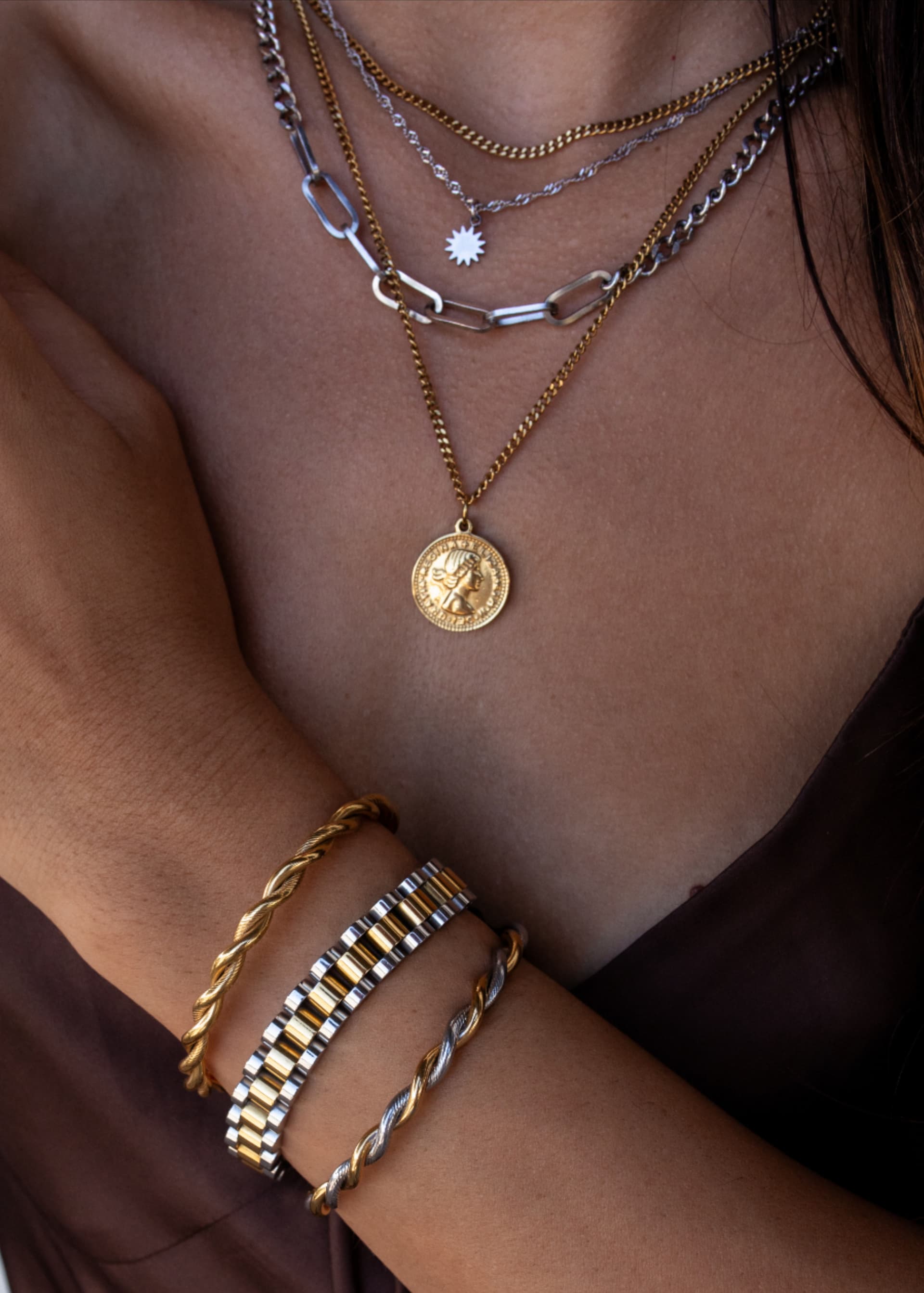
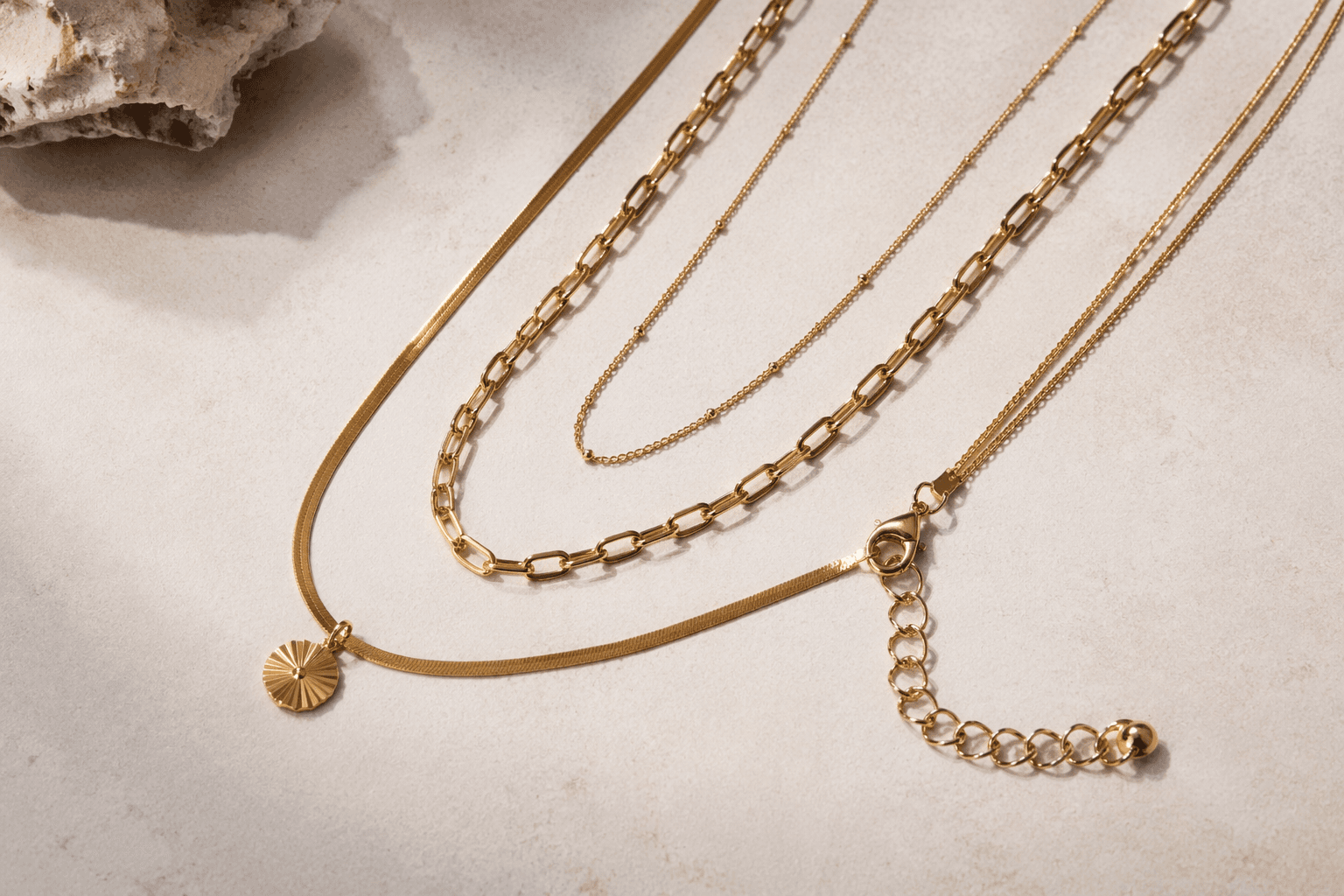
How to build an ear stack that feels balanced and personal
The strongest ear stacks start with a clear anchor at the lobe, then taper upward with space, comfort, and one deliberate statement.
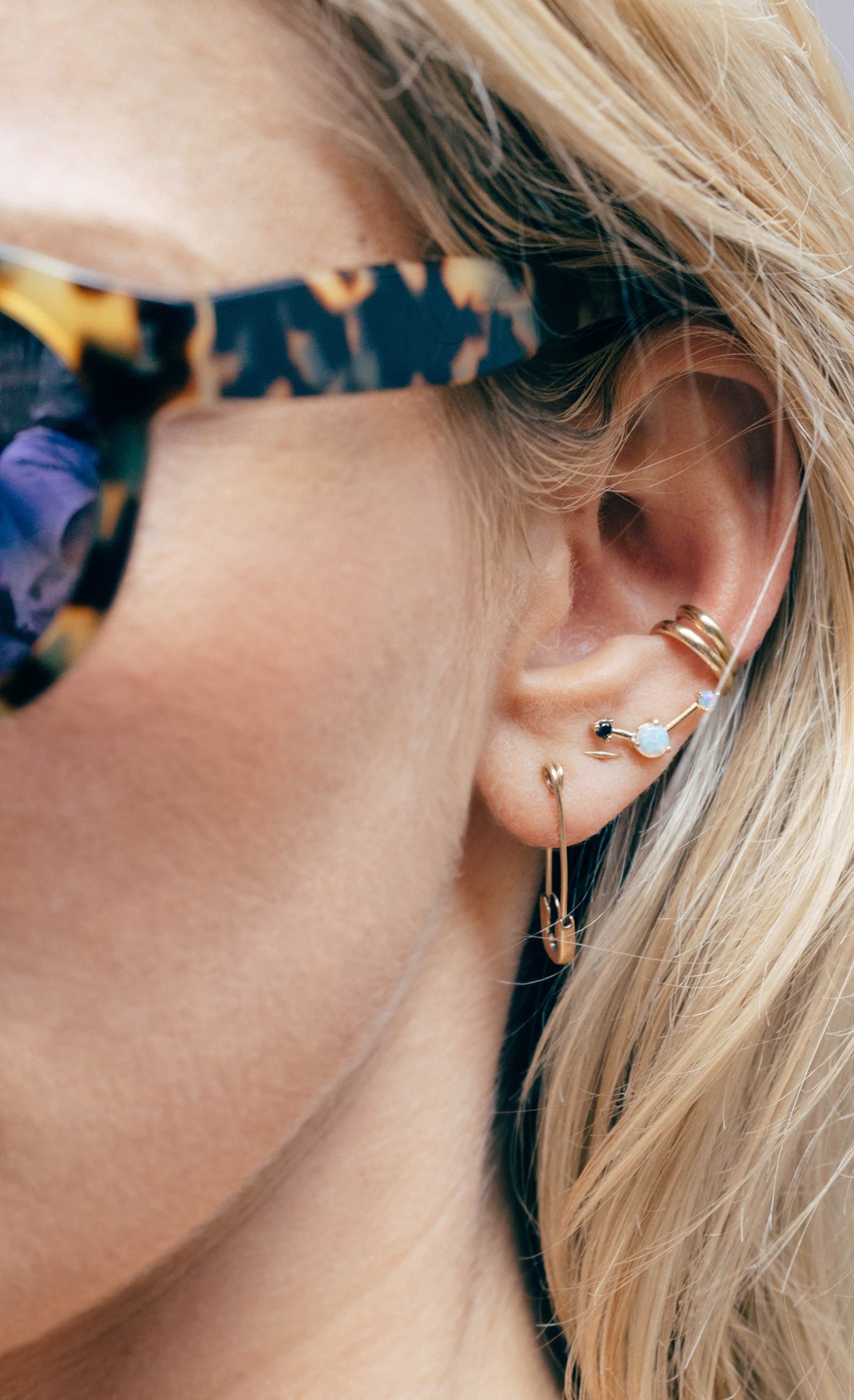
Piercing and body modification practices stretch back tens of thousands of years, a span Smithsonian Magazine traces through early body modification practices. Ear stacking works because it follows the body’s architecture. The eye reads a line of jewelry along the lobe and cartilage the way it reads tailoring: proportion first, then detail. The impulse to decorate the ear is almost universal, and Catbird has been designing for that instinct since 2004.
Why the ear keeps winning
Necklaces and bracelets rise and fall with the mood of the season, but an ear stack stays persuasive because it frames the face every time you move. Harper’s Bazaar included mix-and-match stacks among the earring trends for 2026, and the logic is easy to see: the effect is immediate, readable, and personal without being loud. Even a single earring has a long history, but paired or clustered pieces create a sharper point of view, especially when the arrangement is clean enough for each stone, hoop, or stud to register on its own.
Britannica traces the direct forerunners of today’s pierced earrings to earplugs.
The formula: anchor, taper, movement
The most reliable stack begins with a clear anchor in the lower lobe. Catbird’s rule is simple: start with bolder pieces at the bottom, then taper into studs and smaller earrings as you move upward. One statement piece paired with two or three quieter companions gives the eye a resting point, then a path upward, instead of a blur of competing shapes.
That balance depends on negative space as much as on the jewelry itself. A solid-gold piece that sits close to the ear reads differently from a dangling element, because it hugs the contour instead of pulling away from it.
The practical lineup usually works best when it includes a range of silhouettes: studs for precision, huggies and small hoops for continuity, and one more expressive piece, such as a drop or threader, for motion.
Four stack archetypes by placement
The lower-lobe anchor
This is the most legible arrangement and the easiest to wear every day. Start with a substantial stud or a small hoop in the first piercing, then keep the second and third placements smaller so the stack narrows as it climbs. Diamond, pearl, or plain gold all work here because the visual weight comes from placement as much as from size.
The polished climb
This version moves from a stud at the base to a tiny hoop or huggie above it, then finishes with a flatter, subtler piece higher on the ear. The progression feels elegant because the silhouette gets lighter as it rises, which keeps the stack from crowding the face. If you want the look to feel especially deliberate, let one metal or stone repeat once, then stop.
A slim ear cuff can play the same visual role as a high piercing, especially if you want height without committing to another hole. Used sparingly, it adds structure; overused, it starts to flatten the spacing that makes a stack feel expensive.
The movement stack
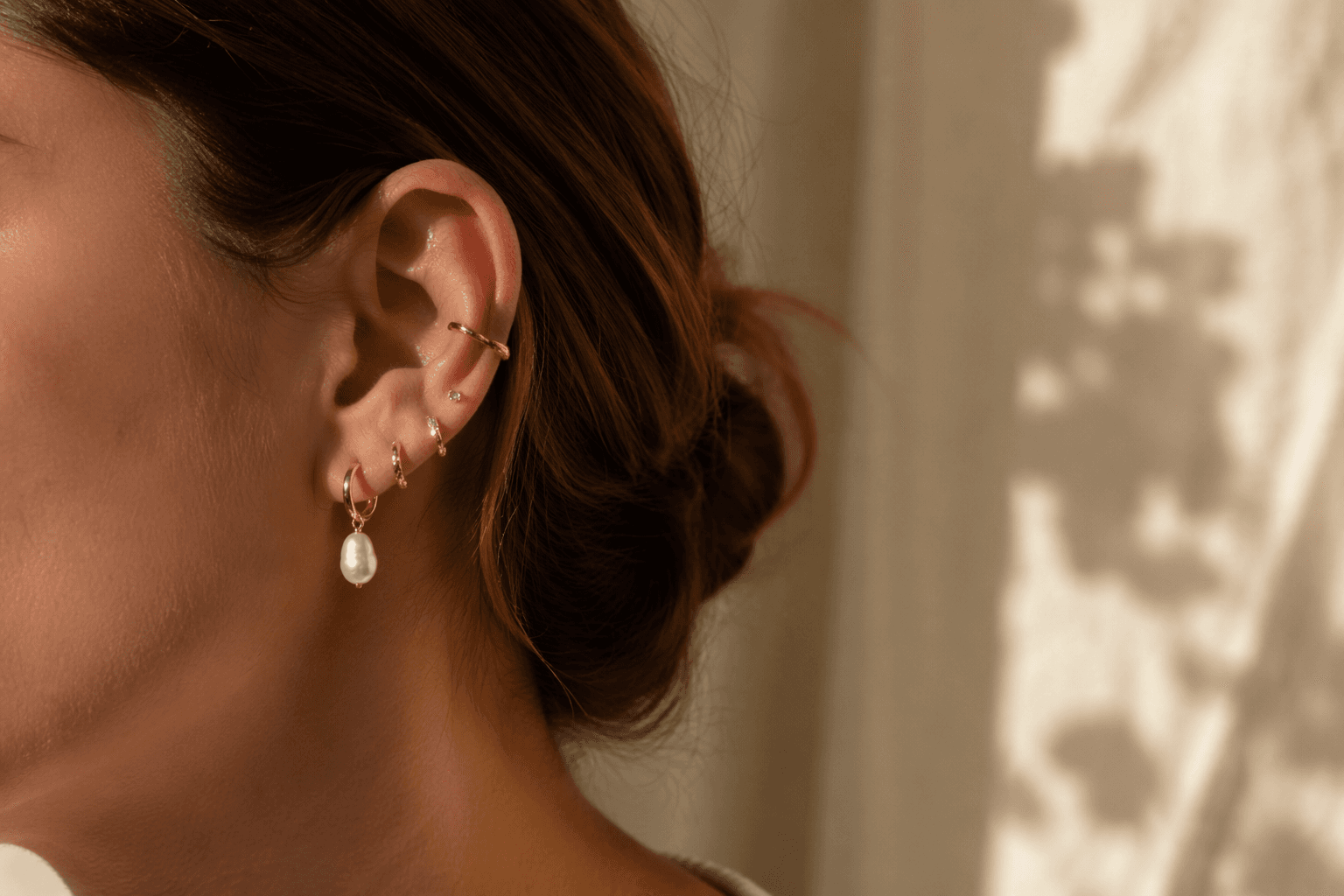
This is the most alive version, built around a hoop or huggie in the lower lobe and a drop, threader, or other pendant-like shape that introduces motion. A single statement piece works here, because movement already creates attention. The rest of the ear should stay restrained so the swinging element does the work.
This is also where mixed finishes matter. A polished gold hoop beside a softer, shorter stud creates contrast without making the arrangement busy. The moving piece should remain the only one that truly leaves the ear’s line.
The curated ear
This is the most personal composition, the one that includes upper-lobe and cartilage placements such as a hidden helix. Studs highlighted hidden helix among the piercing looks it expected to be popular in 2025, and the placement makes sense because it adds surprise without demanding visual volume. Natural Diamonds also noted that many clients change healed piercings to hoops and add charms and chaining, which turns the ear into a small, evolving landscape rather than a fixed set of holes.
In this version, the stack should feel edited. A tiny upper stud, a mid-lobe hoop, and one charm or chain detail can say more than a dense run of identical pieces. The more elevated the placement, the smaller the scale should become.
Why comfort is part of the design
Beautiful earrings fail if they cannot be worn for more than an hour. Mejuri’s flat back studs are designed for maximum comfort and use a threadless, implant-grade titanium backing that is safe for metal sensitivities. That matters for long-term stacks, especially when the ear is carrying several pieces at once and any bulky post can spoil the line.
Comfort also affects the visual finish. When a backing sits flat, the earring rests closer to the ear, which lets the stack read as one composition instead of a series of separate objects.
The luxury logic of studs, hoops, and mixed metals
Tiffany & Co. treats stud earrings as the foundation of the category. Combining unexpected metals, shapes, or lengths, from diamond studs and small hoops to bold drop earrings, gives the arrangement life.
Classic diamond and pearl studs remain reliable because they bring light close to the face without stealing the whole scene. A striking hoop or a clean drop adds punctuation.
This article was produced by Prism’s automated news system from verified source data, official records, and press releases, then run through automated quality and moderation checks before publishing. The system is built and supervised by the people who set the standards it runs under. Read our full AI policy.
Did this article answer your question?