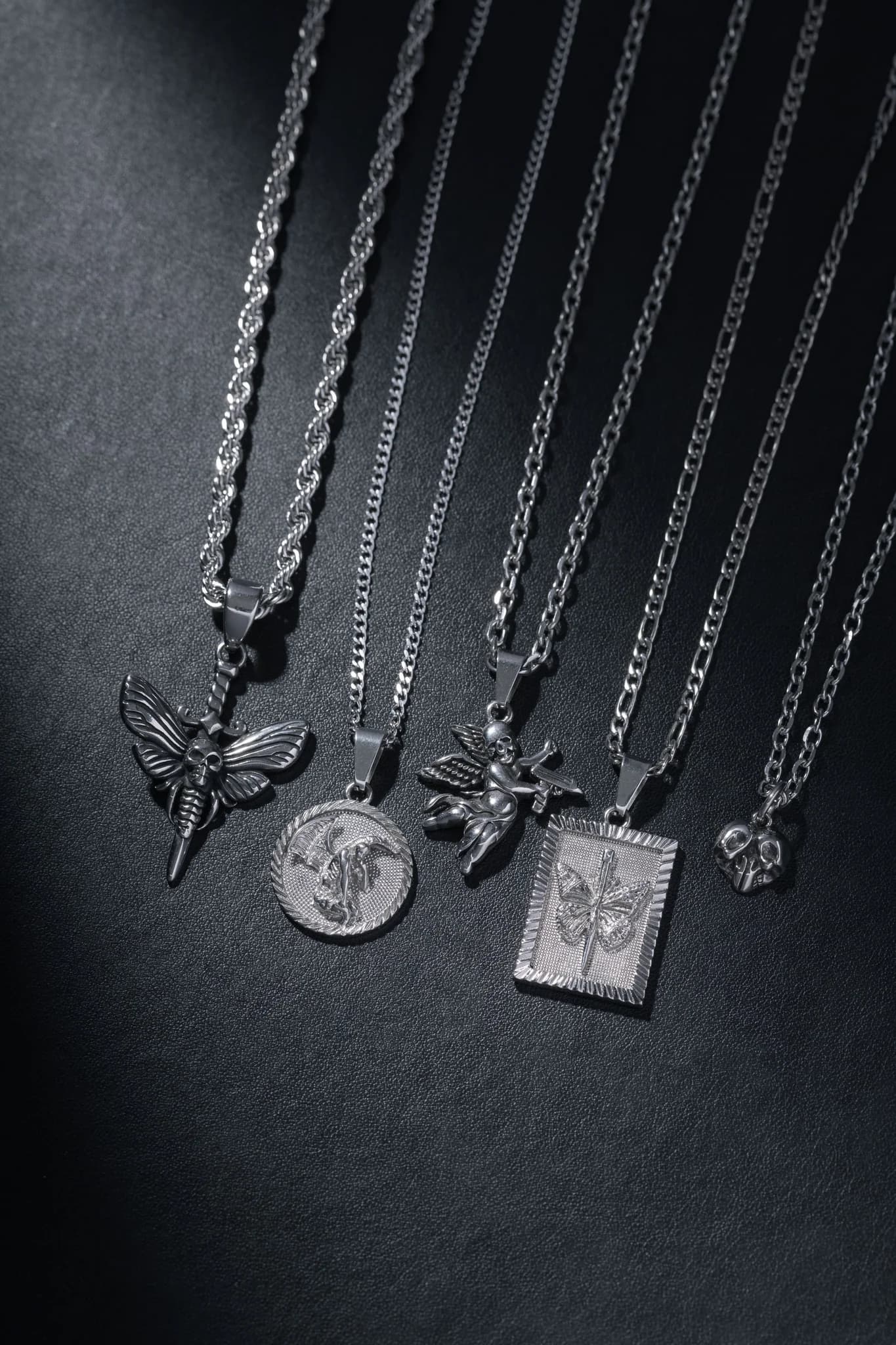
How to layer mixed metals for a polished necklace stack
Mixed metals work when one tone leads, one contrasts, and one piece bridges both. David Yurman’s logic makes a necklace stack look designed, not assembled.
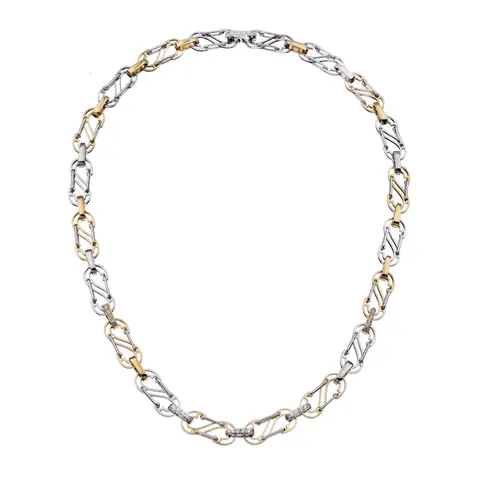
A two-tone clasp can keep a gold chain and a silver pendant in the same necklace stack from looking accidental. A polished mixed-metal necklace stack does not come from forcing every chain to match. It comes from design discipline: one metal leads, one metal interrupts, and a bridge piece ties the composition together. David Yurman has made that logic feel natural.
Why the mix feels current, not pieced together
Mixed metals moved into the fashion conversation well beyond street style. Mixed metals and two-tone jewelry emerged as one of the strongest trends from the jewelry showrooms at Paris Fashion Week on March 20, 2023, and Forbes returned to the subject in its Paris Fashion Week jewelry coverage in September 2023, February 2024, and March 2025. Urbiana’s autumn 2024 trend coverage also treated mixing gold and silver pieces as one of the biggest jewelry trends of that season.
Byrdie framed the look as a spring wardrobe update. A mixed-metal stack solves a basic jewelry problem: if you already own a gold chain, a silver pendant, and a two-tone piece, you do not have to wait until your box is perfectly coordinated. The palette becomes flexible, and the same pieces can move between outfits instead of sitting in separate finish-based categories.
The three rules that keep the stack polished
The cleanest mixed-metal stacks follow a simple hierarchy. Start with one dominant metal, usually the warmest or most present finish in the stack. Then add a secondary metal in a smaller dose so it reads as contrast, not competition. Finish with a bridge piece that contains both metals, such as a two-tone link, clasp, charm, or pendant, so the eye has somewhere to land.
Scale matters as much as color. If the anchor chain is substantial, the contrast chain should usually be slimmer, or the two pieces can feel like they are fighting for attention. Repetition matters too: when shapes echo one another, whether through round links, oval pendants, curved bars, or similar clasps, the mix looks curated. Echoed hardware is the quietest signal of all, because matching closure details can make even different finishes feel like part of the same family.
Anchor one metal
Choose one finish to do most of the visual work. A yellow-gold curb chain, for example, can carry the stack while a silver pendant or white-gold layer plays a cooler note beneath it. The dominant metal should be the one that appears first and most often as the eye moves down the necklace line.
Add contrast in a smaller dose
The contrast metal should feel deliberate but restrained. A fine silver chain beside a heavier gold chain, or a rose-gold whisper chain under a white-gold pendant, gives the stack tension without turning it into a color clash.

Use a bridge piece to connect the finishes
This is the piece that makes mixed metals look edited. A two-tone clasp, a pendant that combines yellow and white metal, or a link that contains both finishes gives the stack a visual hinge.
Three stack formulas that feel composed
A warm-gold anchor, a silver accent, and a two-tone bridge is the most reliable formula. Picture a gold chain closest to the collarbone, a smaller silver pendant at mid-length, and a mixed-metal charm or connector lower down. The repeated curve of the chains and the shared hardware are what make the contrast feel polished.
A second formula works by reversing the temperature balance. Start with a white-gold or silver chain, add a yellow-gold pendant in a smaller scale, then finish with a two-tone piece that repeats the shape of the pendant or chain links. This works especially well when the hardware is echoed, because the clasp and pendant share the same visual language even when the metals differ.
A third formula leans into softness. Rose gold can act as the bridge between silver and yellow gold because its warmth sits between the two. When the necklace shapes are matched, such as slim chains paired with rounded medallions or curved bars, rose gold can keep the stack from feeling stark.
How to shop the look with intention
Kendra Scott put the point simply: “First and foremost, consider your personal style and which metals best complement it.” If your wardrobe already leans cool, let silver or white gold anchor the stack and treat yellow gold as the accent. If you wear a lot of warm tones, reverse that balance and let the gold lead.
VRAI separates mixed-metal jewelry from necklace layering. Finish choice and layering proportion are related, but they are not the same decision. One governs color and material; the other governs length, spacing, and how the eye travels from collarbone to pendant.
This article was produced by Prism’s automated news system from verified source data, official records, and press releases, then run through automated quality and moderation checks before publishing. The system is built and supervised by the people who set the standards it runs under. Read our full AI policy.
Did this article answer your question?