JCK retailers chase expandable bracelets, cross necklaces and bridal customization
JCK buyers signaled the next layering wave: expandable bracelets, cross necklaces, colored stones and custom bridal stacks. Gold’s climb is steering the market toward smarter, more versatile pieces.

The next layering wave is already on the buying floor
JCK’s Las Vegas show offered a clear market read: the next mainstream jewelry layering story will not be built on a single hero piece, but on pieces that flex, stack and personalize. Retailers on the floor were chasing expandable bracelets, cross necklaces, colored gemstone designs and better tools for bridal customization, a mix that points to a more intentional kind of layering, one shaped as much by price pressure as by style appetite.
The setting mattered. JCK’s 2026 show returned to The Venetian Expo in Las Vegas from May 29 to June 1, with education, networking and discovery-focused programming built around what comes next for the trade. But the most revealing information came from what buyers were asking for in real time, against a backdrop of gold prices, tariffs, artificial intelligence and Pinterest-driven bridal shopping.
Expandable bracelets and cross necklaces signal a more wearable stack
Orin Mazzoni Jr., owner of Orin Jewelers in Northville, Michigan, was looking for client favorites from Doves, Vahan and Artistry, but he also wanted pieces that could refresh his cases immediately. His phrase for the buying mission was simple: “something new” from “favorite brands and progressive designers.” That combination captures the mood on the floor, where retailers were not chasing novelty for its own sake. They were looking for familiar silhouettes with just enough momentum to feel current.
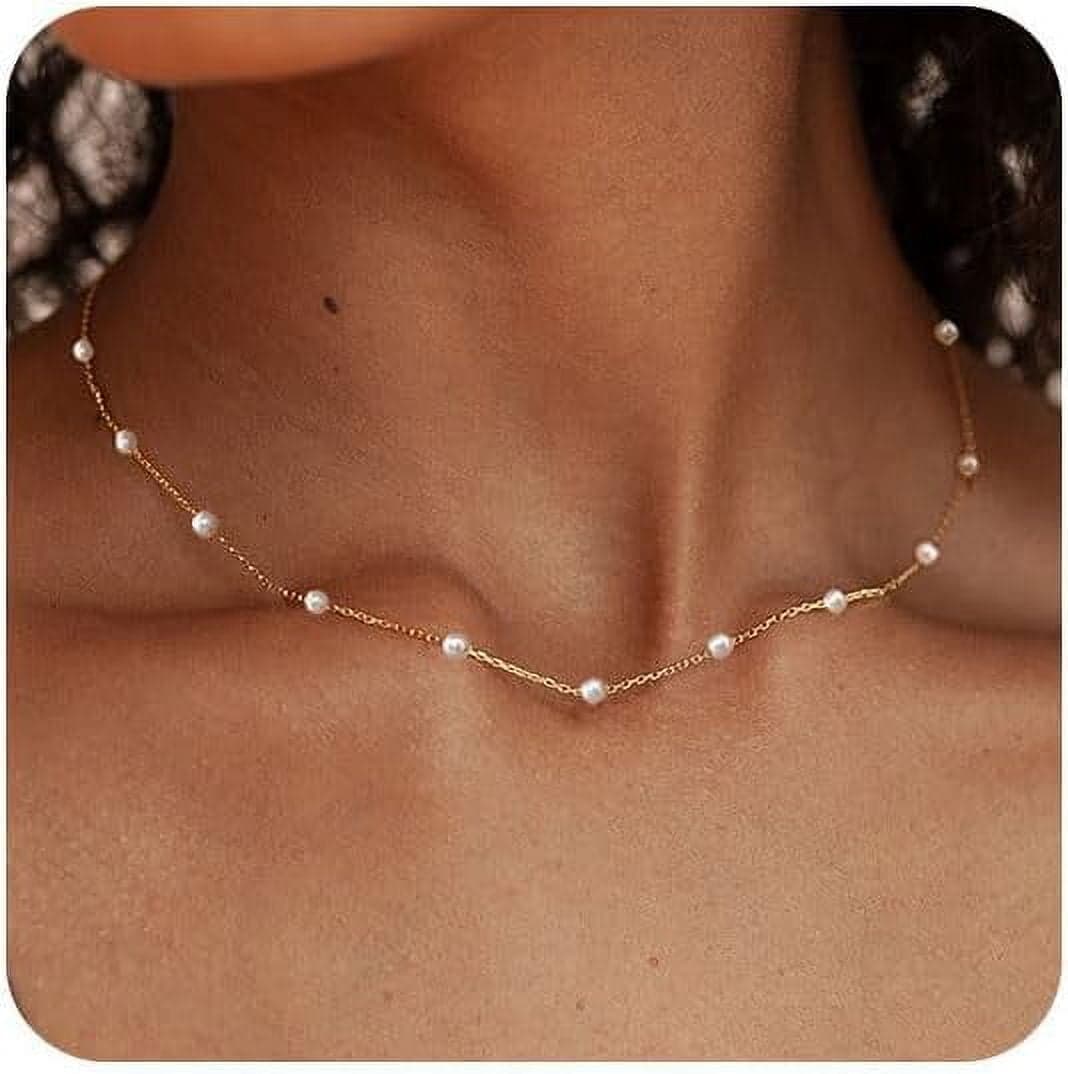
Expandable bracelets fit that brief perfectly. They are inherently stackable, easy to wear and forgiving in fit, which makes them useful in store and on the wrist. Cross necklaces work the same way in the neck layer: they are recognizable, easy to merchandise and adaptable enough to sit alone or among chains of different lengths and textures. Together, they point to a layering market that is becoming more practical, more personal and less rigidly styled.
Colored gemstone designs added another layer of urgency. Color has been one of the strongest signals on the trade floor, and in layering it does more than brighten a display. It creates contrast, which is what makes a stack feel deliberate rather than repetitive. A yellow-gold chain beside a sapphire strand or a bracelet punctuated by color reads as collected, not merely accumulated.
Bridal buying is becoming more customizable and more social-media aware
If the wrist and neckline are being shaped by versatility, bridal is being shaped by personalization. Jana Bowden of Beard Fine Jewelers in Lufkin, Texas, was looking for CAD and technology updates to improve bridal customization and personalization, and she was also meeting exhibitors such as Gabriel & Co. to see how the latest tools could make that process more responsive on the sales floor.
That focus matters because bridal is no longer just about the center stone. It is about how the center stone sits, how the setting can be modified, how the wedding band will stack and whether the final look feels individual. CAD gives retailers the ability to move faster from idea to finished piece, and that speed is especially valuable when the customer wants a ring that feels designed around her rather than merely chosen from a case.
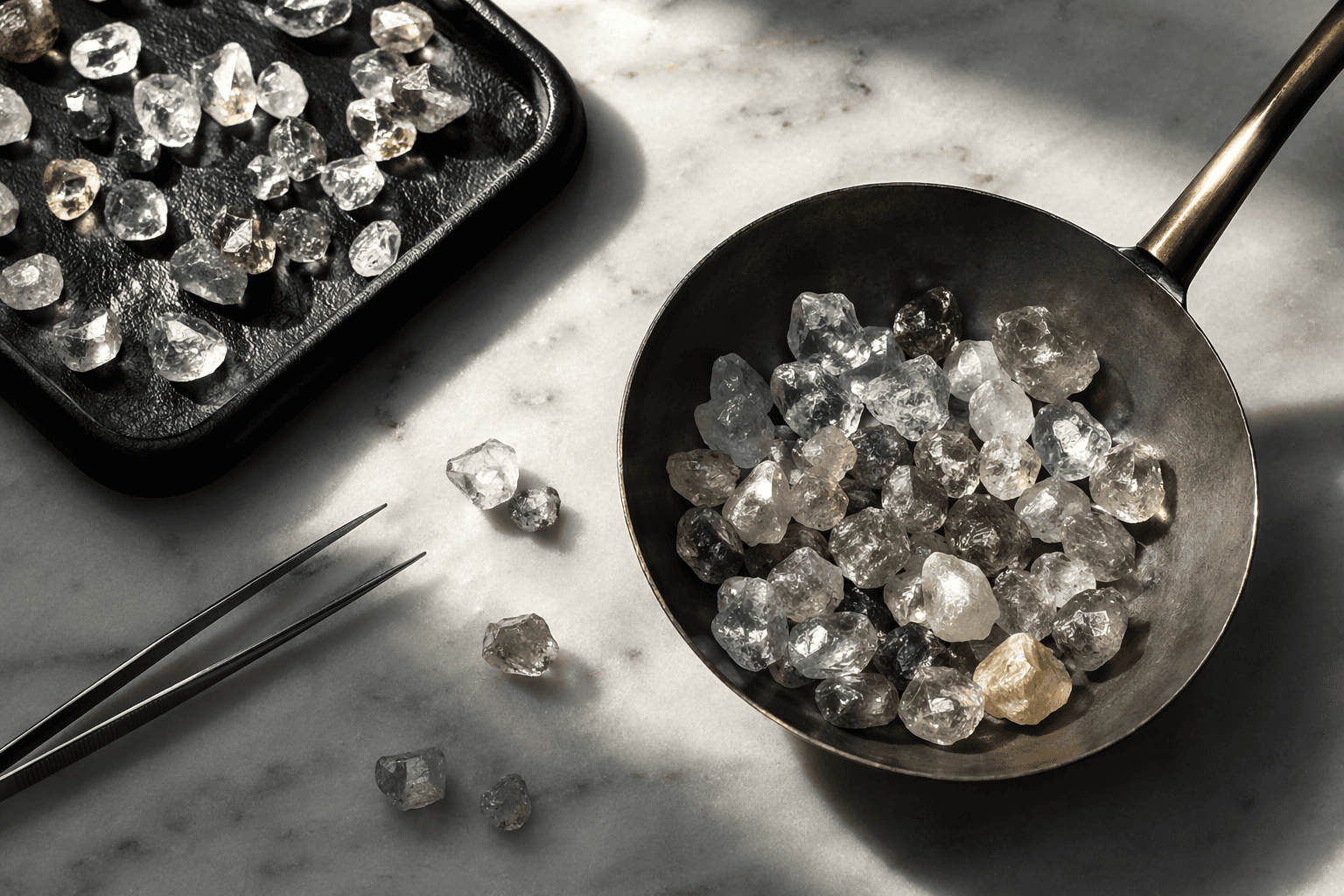
Bowden was also looking for lab-grown diamonds for customers who want 2-plus carat engagement-ring stones, as well as lab-grown diamond studs for Gen Z and millennial shoppers influenced by social media. That detail is telling. Larger stones have become part of the visual language of online jewelry shopping, and the demand is not confined to one category. It reaches from engagement rings to everyday studs, which means the same appetite for scale is influencing both bridal and fashion jewelry.
Gold prices are changing what feels worth stocking
The trade’s material choices are being made under pressure. Gold opened JCK at $4,585 per ounce, and that price point is forcing retailers and exhibitors to think carefully about weight, construction and perceived value. Mark Perle of Mark Peter’s Diamond Designs in Plainfield, Illinois, said he was looking for the next trend and shopping technology vendors as well as silver jewelry as a cost-saving alternative to gold.
That is not a retreat from luxury so much as a recalibration of it. The show floor was full of pieces designed to feel substantial without becoming prohibitively expensive, including heavier gold pieces and fine gemstone strands with bold gold clasps. Those details matter because they preserve a sense of richness even as metal costs rise. A bold clasp can anchor a strand visually; a heavier profile can make a chain feel intentional rather than thinly built to save weight.
JCK’s May 4 preview had already made clear that gold pricing pressures, color and versatility would define the season. The show floor confirmed it. Retailers were looking for smart, innovative designs that could hold their own in a case, move quickly and still make economic sense when reordered.
Yellow gold, men’s jewelry and Georgian influences are still strong
Even with gold at historic levels, yellow gold remained a bright spot. Retailers still saw “yellow” and yellow gold as strong, which suggests that the metal’s appeal has moved beyond trend cycle and into a durable category position. That strength was joined by interest in men’s jewelry and vintage-inspired Georgian settings, both of which reward a layered look but do so in different registers.
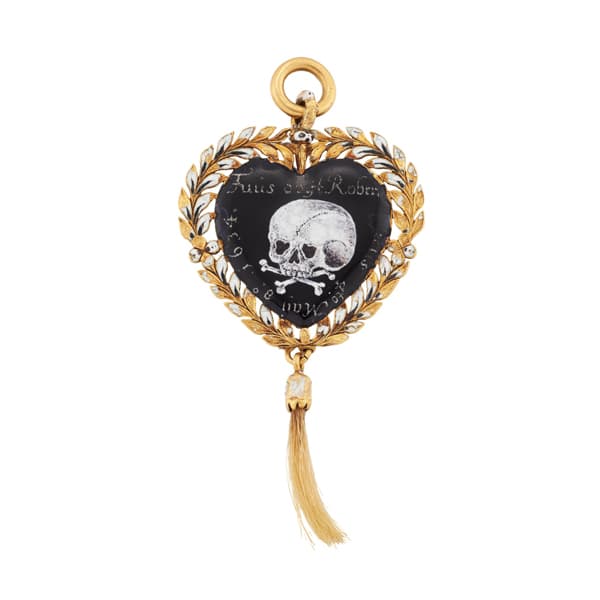
Men’s jewelry often relies on heft, texture and a clean silhouette, which makes it a natural companion to bracelet stacks and chain layering. Georgian-inspired settings, by contrast, bring the romance of old-world craftsmanship. They offer the kind of detail that can make a ring stack or pendant grouping feel curated rather than current for current’s sake.
The broader point is that layering is not narrowing into one aesthetic. It is widening. Yellow gold gives the look warmth, colored stones bring contrast, cross necklaces add iconography and expandable bracelets solve for fit and stackability. In other words, the market is not just buying layers. It is buying the reasons those layers will keep being worn.
What this means for the case, and for the customer
The strongest signal from JCK is that layering is becoming more edited, not less. Retailers are looking for pieces that can move across categories and use cases: a bracelet that expands, a necklace that can anchor a stack, a colored stone that adds energy and a bridal ring that can be customized to match the way customers actually shop now.
That is why the next mainstream wave is likely to feel less like a pile-on and more like a system. The smartest assortments will mix gold and silver, color and neutral metal, familiar motifs and fresh engineering. They will also reflect a customer who wants her jewelry to do several jobs at once: signal taste, satisfy budget, photograph well and still feel personal in person.
JCK’s floor made the direction plain. Layering is moving toward pieces that are adaptable, visible and worth investing in now, and the retailers who read that signal correctly will be the ones setting the tone for the season ahead.
This article was produced by Prism’s automated news system from verified source data, official records, and press releases, then run through automated quality and moderation checks before publishing. The system is built and supervised by the people who set the standards it runs under. Read our full AI policy.
Know something we missed? Have a correction or additional information?
Submit a Tip