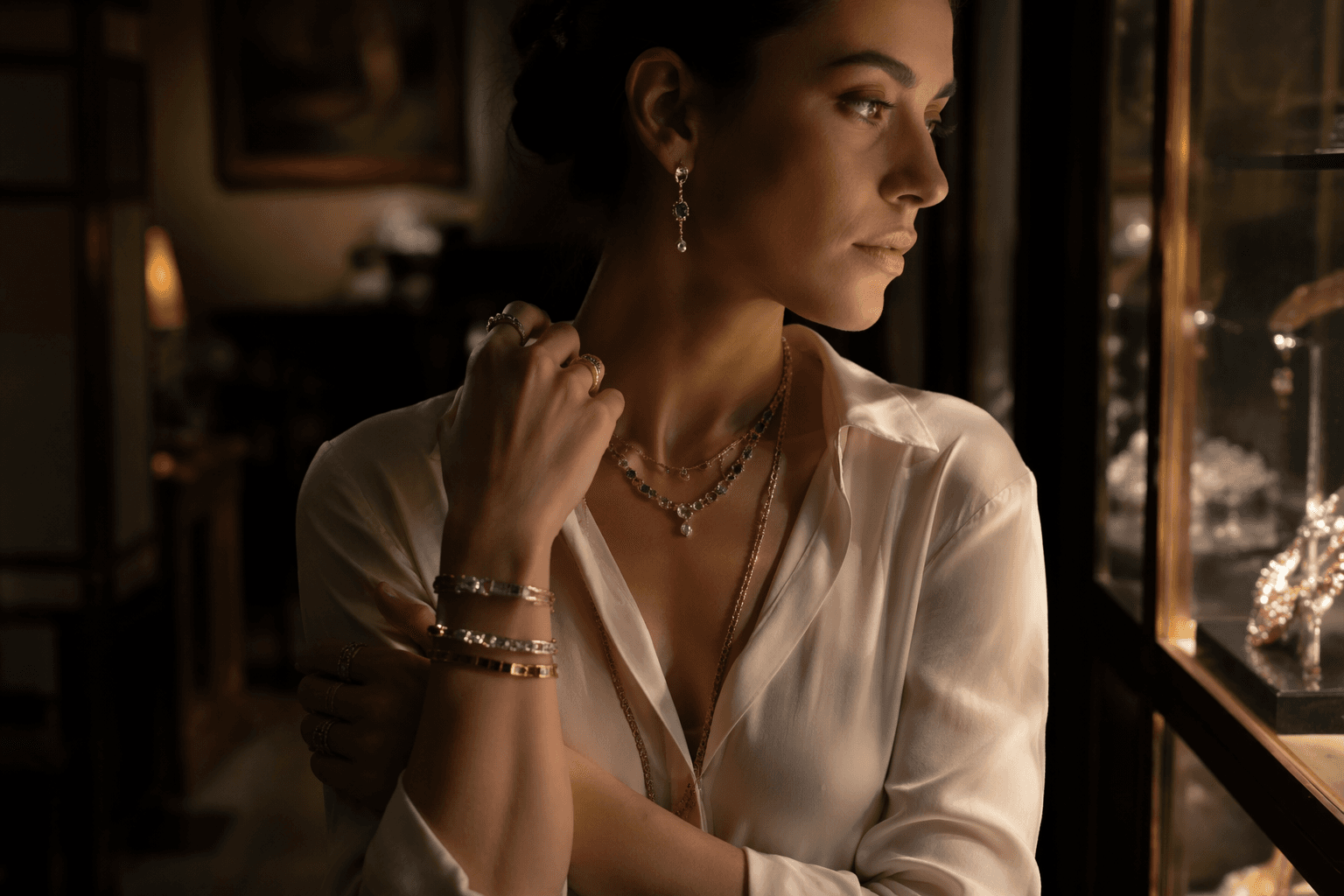
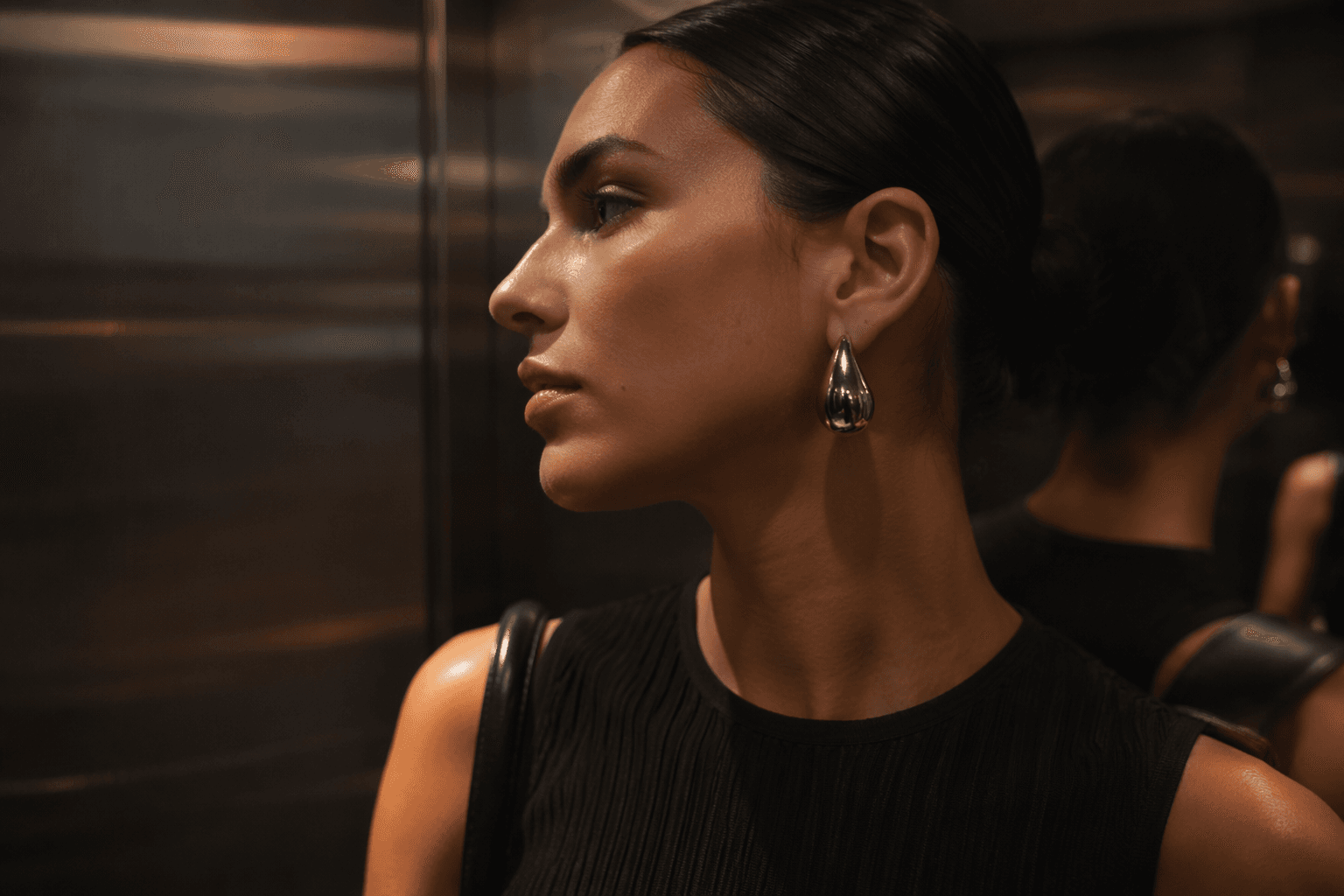
Layering drives summer 2026 jewelry toward personal expression
Stacking is becoming summer’s clearest jewelry signal, but the 2026 version is more intentional, personal, and less matchy than last year’s layered looks.
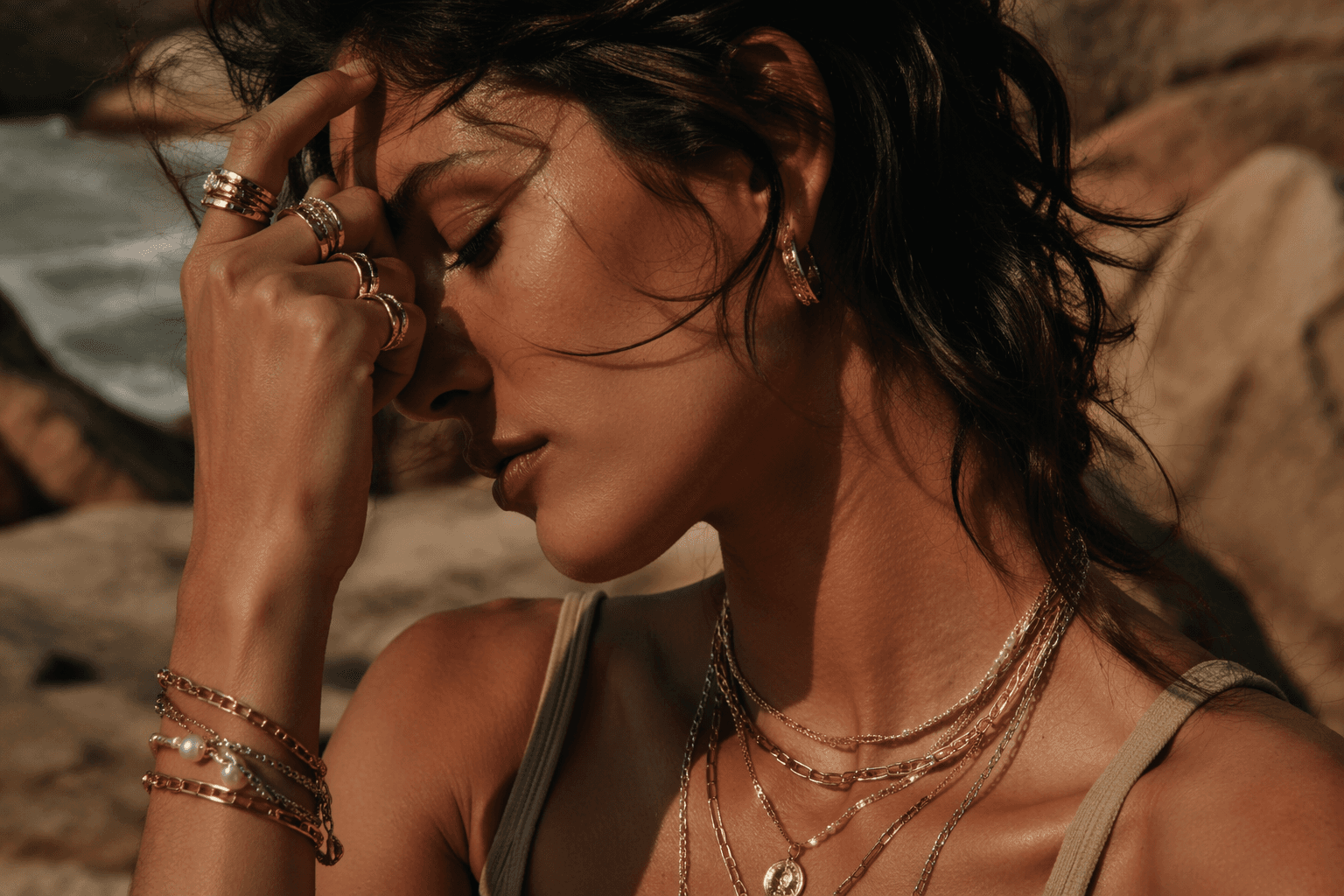
Layering has moved past the status of styling trick and into the language of self-definition. In a cooler trend environment, it is one of the few jewelry directions with real staying power because it lets every piece do double duty: signal taste, carry memory, and still feel current. The shift is visible everywhere from the runways to the show floor in Las Vegas, where jewelry is leaning less polished-uniform and more collected, edited, and unmistakably personal.
Stacking is the trend with momentum
For Summer 2026, Forbes placed stacking among the season’s four defining jewelry directions, alongside marine-inspired motifs, bold florals, and bright color palettes. That matters because stacking is not being treated as a side note or an accessory reset. It is being framed as one of the core ways jewelry is moving now, toward pieces that feel chosen rather than simply matched.
The appeal is easy to understand. Stacking allows a chain bracelet, a signet ring, a pendant, and a slim bangle to read as one composition without looking overstyled. It also gives shoppers room to build slowly, which is exactly why it is surfacing in a market where versatility and repeat wear matter as much as novelty.
Why the 2026 version feels different
Last year’s layered look often leaned on symmetry and polish, with neat rows of similar necklaces or bracelets designed to look complete on first wear. The 2026 version is looser, more editorial, and much more intentional. JCK’s spring-summer runway reading describes the season as one of “new maximalism,” and says adornment now revolves around “intentionality, scale, and high-fashion function.”
That shift changes the character of layering. Instead of simply doubling or tripling up for visual fullness, the new approach mixes textures and messages: a link chain beside a charm pendant, a sculptural cuff beside a delicate tennis bracelet, a ring stack that includes both a signet and a stone-set band. The point is not abundance for its own sake. The point is to make the combination say something.
Cedric Garnier of Sofragem captured the mood succinctly when he said, “Layering jewelry and creating edgier looks will be the buzz on the show floor.” In other words, the most compelling stacks are no longer the safest ones. They are the ones with a little tension, a little contrast, and a strong point of view.
Personalization is what gives stacking its staying power
The reason layering keeps resurfacing is that it now overlaps with personalization, one of the strongest signals in jewelry right now. JCK’s spring 2026 coverage points to charms, rings, and pendants featuring birthstones, names, dates, symbols, and letters as part of the storytelling trend. Those pieces are especially powerful when layered, because each one can stand for a person, a date, or a private meaning while still contributing to a larger look.
PRYA’s Jewellery Search Insights Report adds a useful consumer backdrop. Using Google Keyword Planner, it analyzed more than 200 jewelry-related search terms in the United Kingdom between November 2024 and October 2025, and found shoppers moving away from minimalism toward sculptural shapes, bold metalwork, vibrant colours, and jewelry that tells a personal story. That is the broader context behind the stack: people are not just buying adornment, they are assembling identity.
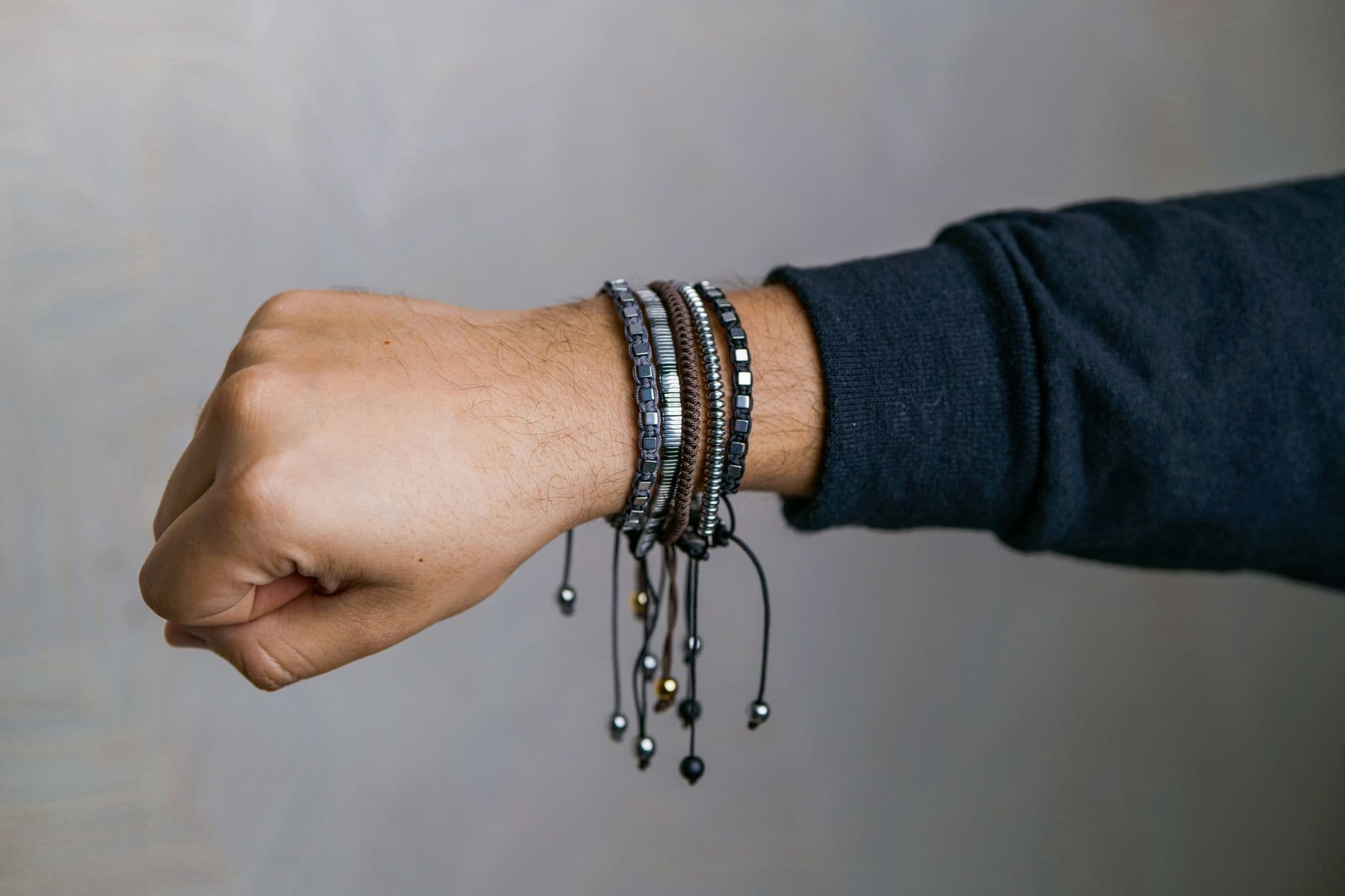
This is why layered jewelry feels different from a simple trend cycle. A necklace worn with a birthstone pendant, a date charm, and a plain gold chain is not just a style decision. It becomes a portable archive. The same is true of rings that combine a letter, a symbol, and a substantial metal band, or a wrist stack that pairs a precious bracelet with a more casual, everyday piece.
The combinations readers will see first
The first stacks to appear widely are the ones that balance recognizability with ease. Layered necklaces will stay central, especially combinations that begin with a slim chain and add one or two pendants with obvious visual contrast. Think small-scale pieces that create a narrative without overwhelming the neckline.
Bracelet stacking is also set to remain highly visible because it translates immediately on the wrist and works across dress codes. A rigid bangle beside a softer chain bracelet, or a charm bracelet offset by a plain polished cuff, delivers that edited maximalism JCK is describing. Rings follow the same logic: a signet revival paired with one or two thin bands feels sharper than a uniform row of identical rings, and it speaks directly to the personalization trend.
What distinguishes the strongest combinations is not quantity but cadence. The best stacks have breathing room. They mix high-shine metal with textured surfaces, polished forms with engraved details, and sentimental pieces with cleaner silhouettes so the whole arrangement feels collected over time.
Why this matters for how jewelry is being bought and worn
Layering is also tied to a broader move toward multi-piece purchasing. Trade reporting throughout 2026 repeatedly connects stacking with versatility, personalization, and the desire for jewels that can be worn more than one way. That is good news for buyers who want pieces that travel from day to night, but it is also a clue about how jewelry is being valued now: less as a single finish and more as an evolving set of choices.
For designers and retailers, that means the most compelling pieces are the ones that can anchor a story on their own and still participate in a larger composition. A well-made pendant with a meaningful symbol, a signet with clear engraving, or a bangle with a sculptural profile all earn their place twice, once as an individual object and again as part of a stack.
Summer 2026 jewelry is not drifting toward restraint. It is moving toward deliberate accumulation, where meaning, scale, and material contrast matter more than perfect matching. Layering endures because it gives jewelry what the season wants most: personality you can actually wear.
This article was produced by Prism’s automated news system from verified source data, official records, and press releases, then run through automated quality and moderation checks before publishing. The system is built and supervised by the people who set the standards it runs under. Read our full AI policy.
Know something we missed? Have a correction or additional information?
Submit a Tip