Luxury Houses Bet on Charm Layering and Storytelling for Spring Sales
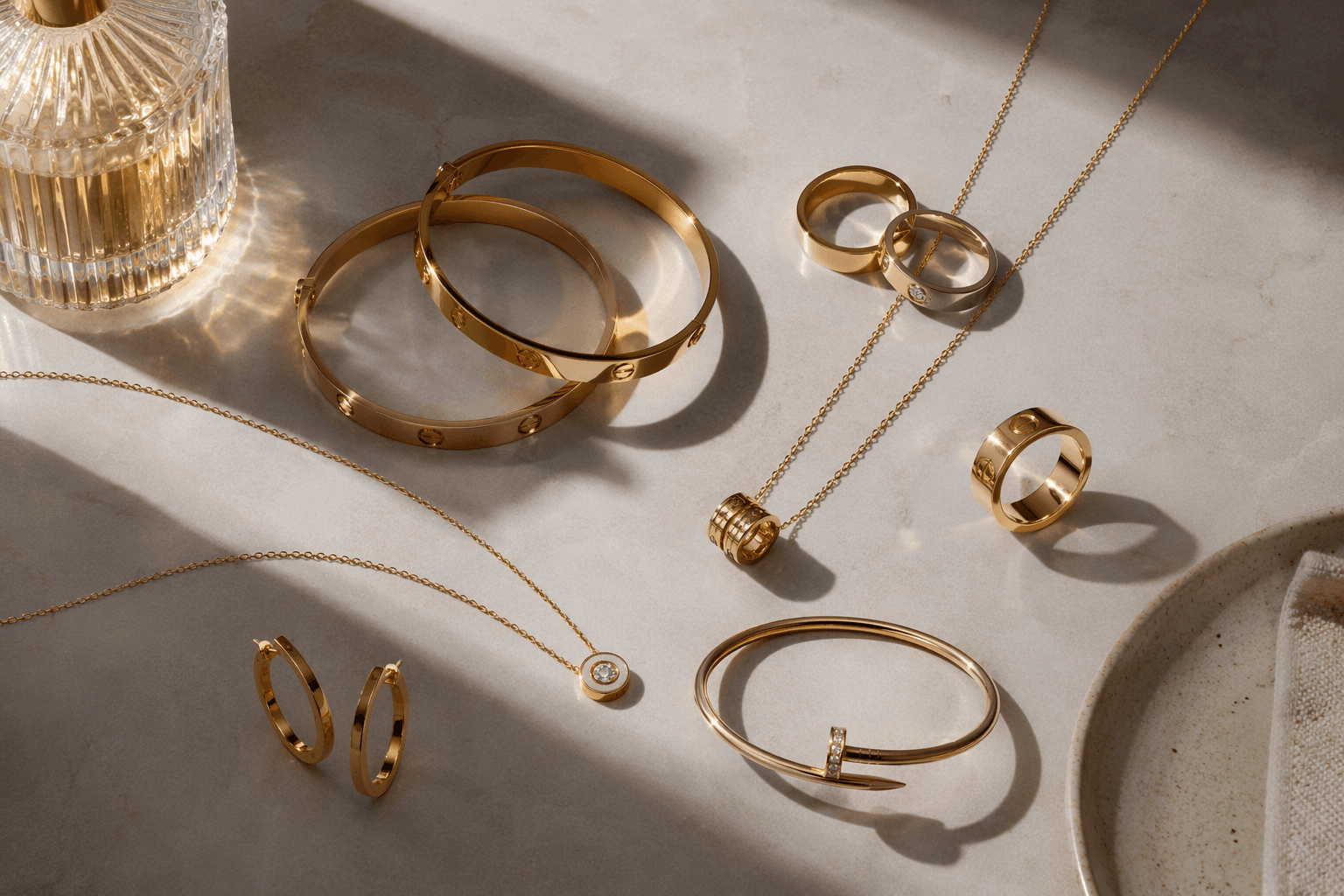
Charm layering is luxury's commercial bet for spring, with major houses using storytelling-driven product drops to capture red-carpet momentum.

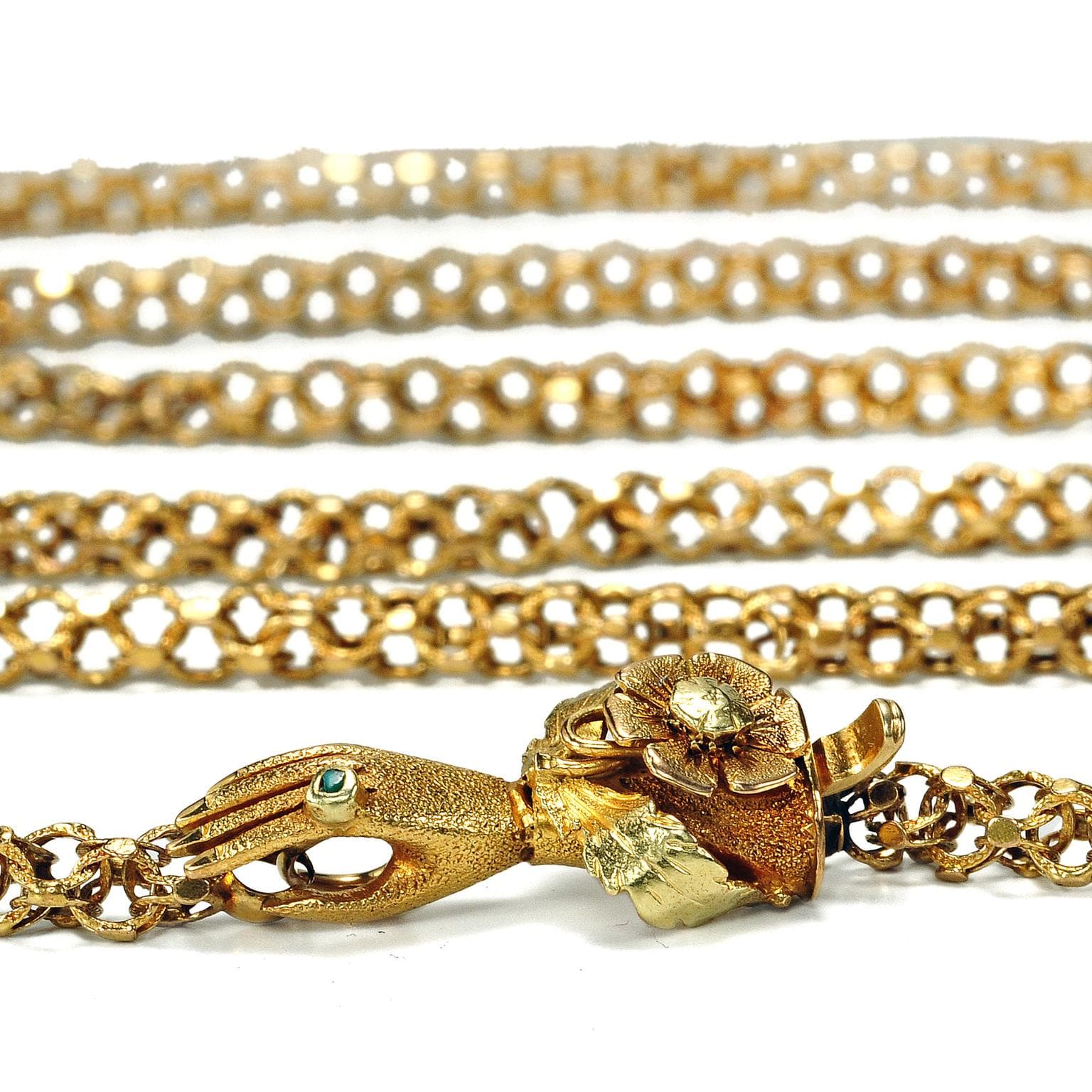
Charms have always carried meaning. A locket holding a photograph, a golden initial suspended from a chain, a small enamel medallion earned on a trip abroad: these are objects that remember. What luxury houses have understood, with increasing commercial precision, is that this sentimental power is also extraordinary selling power. This spring, the industry is leaning into that knowledge with deliberate force, positioning charm and pendant layering as one of the defining commercial strategies of the season.
The approach is not accidental. Fine jewelry has long operated on the logic of the singular statement piece: the engagement ring, the anniversary tennis bracelet, the heirloom brooch passed down through generations. But layering disrupts that hierarchy in a way that is frankly more lucrative. A client who buys one pendant is a client. A client who returns every season to add another charm to a growing narrative is a collector, and a loyal one. Luxury houses have recognized this, and their spring product drops reflect a calculated investment in the repeat-purchase model that charm-based jewelry naturally supports.
Why Storytelling Has Become the New Merchandising Strategy
The shift toward narrative-driven jewelry is partly a response to how consumers have changed. Buyers today, across every tier of luxury, want to understand what they are wearing and why it matters. A charm is not simply a decorative object; it is a vessel for a story, and the brands that articulate that story most compellingly are the ones converting browsers into buyers. This spring, luxury houses are pairing product launches with rich editorial context: the mythology behind a motif, the artisanal technique involved in its construction, the way a particular pendant connects to a broader collection philosophy.
This storytelling strategy is also acutely calibrated to the red-carpet season, when celebrity visibility translates directly into consumer aspiration. When a layered charm necklace appears on a major awards stage, the question shifts immediately from "who made that dress" to "where is that necklace." Houses that have seeded their charm collections into the right stylists' hands are positioned to capture that moment of cultural attention and convert it into sales.
The Craft of Layering: What Actually Works
Understanding charm layering as a compositional art form is essential before investing in it. The most successful layered looks share a few structural principles that are rooted in jewelry construction rather than trend.
- Chain weight matters more than most buyers realize. A delicate trace chain in 18-karat gold will pool differently against the collarbone than a heavier filed curb chain, and mixing weights creates visual tension that reads as intentional rather than accidental.
- Pendant scale should graduate. The piece sitting closest to the throat should be the smallest or most refined; pieces lower on the chest can carry greater visual weight. This mirrors the compositional logic of fine art, where the eye is guided through a hierarchy of detail.
- Metal consistency anchors the look. Mixing yellow gold with oxidized silver can work beautifully, but it requires one unifying element, whether that is a repeated motif, a consistent stone color, or a deliberate textural contrast that ties the metals together.
- Negative space is not emptiness. A bare chain between two pendants is not a gap to fill; it is breath in a composition. Overcrowding a layered look is the most common mistake, and it undermines the individual craftsmanship of each piece.
The charm format is particularly well-suited to layering because charms are designed with their three-dimensionality in mind. A well-made charm rotates on its bail, catches light from multiple angles, and occupies space in a way that a flat pendant does not. This sculptural quality means that even a single charm on a simple chain reads with complexity.
The Investment Case for Charm Jewelry
From a purely financial perspective, charm jewelry occupies an interesting position in the fine jewelry market. Entry-level pieces can be accessible, making them natural gifts and introduction points for clients who have not previously engaged with a house's fine jewelry line. But the ceiling is genuinely high: a charm in hand-engraved gold set with pavé diamonds represents hours of skilled labor and materials that justify a significant price point.
The modularity of charm systems also creates a form of investment logic. A charm bracelet or chain that can be added to over time is not simply a single purchase; it is an ongoing relationship with a maker. Houses that design their charm systems with that longevity in mind, ensuring that new additions complement earlier pieces rather than replacing them, are building something more durable than a seasonal trend. They are building jewelry wardrobes.
Layering for the Red-Carpet Moment
Spring's awards and event calendar has always been a crucible for jewelry trends, and this year the focus on layered charm necklaces reflects a broader cultural appetite for personal adornment that reads as curated rather than prescribed. The monolithic statement necklace still has its place, but there is a growing sensibility that a layered look, one that has clearly been assembled over time and carries genuine personal meaning, communicates something that a single showpiece cannot.
This is the deeper commercial insight that luxury houses are acting on: jewelry that tells a story is jewelry that people do not want to take off. And jewelry that people do not want to take off is jewelry that attracts attention, generates questions, and ultimately drives the kind of organic visibility that no advertising budget can fully replicate. The charm, small as it is, carries weight far beyond its physical scale.
Spring 2026 is not a reinvention of fine jewelry; it is a refinement of something the craft has always understood. The most enduring pieces are the ones that mean something. What has changed is how precisely the industry has learned to design for that meaning, and how strategically it is deploying that understanding at exactly the moment when attention is highest and wallets are open.
This article was produced by Prism’s automated news system from verified source data, official records, and press releases, then run through automated quality and moderation checks before publishing. The system is built and supervised by the people who set the standards it runs under. Read our full AI policy.
Did this article answer your question?