MAD About Jewelry 2026 spotlights experimental materials, global artist-made designs
MAD About Jewelry 2026 turns sculptural jewelry into a guide for smarter stacking, with 45 artists and materials that reset what layering can look like.
The new language of layering starts with material risk
MAD About Jewelry has become the rare jewelry event where the most collectible pieces are also the most conceptually daring. For 2026, curator Bryna Pomp reviewed nearly 1,000 collections before narrowing the field to 45 artists from more than 20 countries, a scale that makes the final edit feel less like a fair and more like a global statement on what jewelry can become.
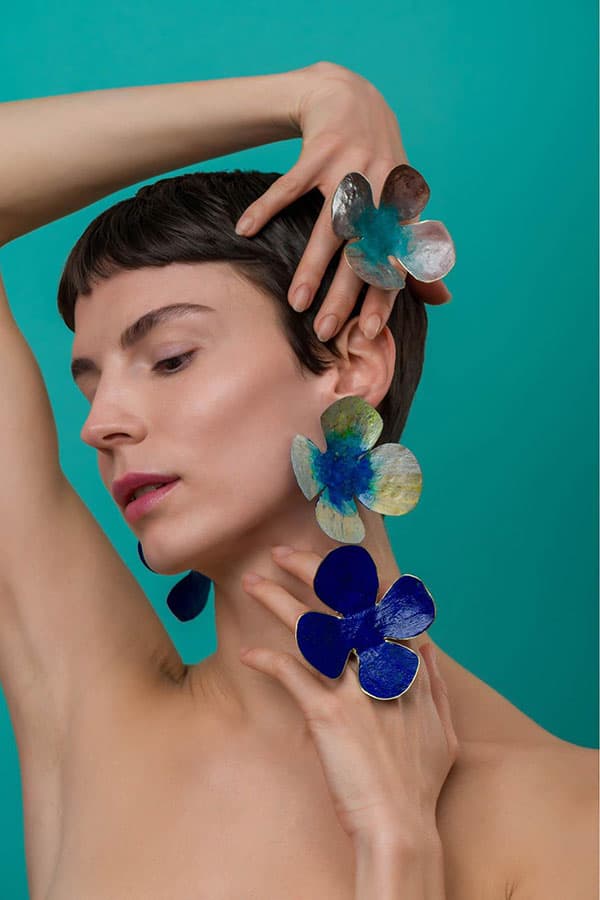
The strongest signal here is not a single metal or silhouette. It is the way the show pushes layering away from default polish and toward contrast, with experimental materials such as glass, paper, textiles, reclaimed objects, and other inventive substrates. That matters because the next generation of stacks is likely to feel less uniform and more editorial: one radical piece, one quiet companion, and a deliberate tension between the two.
What the show suggests readers will wear next
MAD frames the fair as one of the most influential showcases of contemporary artist-made jewelry in the United States, and that influence shows up in the pieces most likely to change how necklaces, cuffs, and rings are paired. The museum calls the event its signature benefit celebration and annual curated sale, which is precisely why it works as a trend map. These are not display-only objects. They are one-of-a-kind wearable works meant to move from the artist’s hand to a collector’s neck, wrist, or lapel.
For layering, that direct-to-maker relationship is everything. A sculptural collar does not need to be worn alone to feel complete. A paper or textile necklace can become the center of a more restrained stack, anchored by a fine chain or a simple gold line. A cuff made from reclaimed material reads strongest when it meets a slimmer bangle in a cleaner finish, letting the artisanal piece carry the visual weight while the companion piece gives the eye a place to rest.
The event also points to a broader shift in how jewelry is read. MAD says the 2026 edition explores identity, memory, architecture, nature, and material innovation, and those themes tend to produce pieces that behave like fragments rather than totals. That is ideal for layering. A ring that feels architectural can sit beside a plain band without losing force. A necklace that suggests a landscape or a memory can be styled as the focal point in a chain story that stays intentionally spare.
The silhouettes that make layering feel current
Pomp’s selection also includes men’s-specific or unisex jewelry, with leather pieces, smaller earrings, and brooches among the focus areas. That matters because layering is widening beyond the classic neck stack. Smaller earrings invite mixed pairings across multiple piercings. Brooches reopen the lapel as a surface for composition. Leather, meanwhile, introduces softness and edge at once, especially when it sits against polished metal.
The most useful styling formula from a show like this is simple: let the avant-garde piece do the strange, then let the rest do the breathing.
- A sculptural pendant in glass or paper works best against a slim chain or plain collar, not beside another busy necklace.
- A wide cuff in upcycled or reclaimed material becomes more elegant when paired with a narrow bracelet in a smoother finish.
- A brooch with an unusual surface or form can punctuate a jacket while a small necklace stays close to the throat, creating a two-point composition instead of a crowded chest.
- Leather elements bring structure to a stack, especially when they temper the cold shine of metal.
That is where the show feels buyable, not merely aspirational. It offers a way to translate gallery-level design into wearable decisions that can happen immediately, even with pieces already in a jewelry box.
Where to read the trend in real time
MAD About Jewelry 2026 runs from Tuesday, May 5 through Saturday, May 9, 2026, at the Museum of Arts and Design at 2 Columbus Circle in Manhattan, New York City. The opening benefit preview on Tuesday, May 5 includes cocktails, early-access shopping, and a buffet dinner at Robert restaurant, while the public sale runs Wednesday, May 6 through Saturday, May 9.
The timing gives the event unusual market clarity. It arrives with both collector urgency and public access, which means the ideas on view can move quickly from exhibition language to street-level styling. When an event allows the public to meet the artists, learn how the work is made, and acquire the pieces directly, it tends to spread design ideas faster than a traditional museum exhibition. That direct exchange is part of why MAD About Jewelry has become such a potent incubator for the next wearable mood.
Why MAD still matters in the jewelry conversation
The Museum of Arts and Design says it is the only American museum with a gallery dedicated exclusively to jewelry exhibitions, and that institutional focus gives the fair unusual authority. It is not simply importing jewelry into an art context for a single week. It is building a long argument that jewelry belongs inside contemporary art discourse, and that argument began decades ago. MAD’s jewelry history page points back to its 1956 inaugural exhibition, Craftsmanship in a Changing World, which introduced many Americans to metalsmiths experimenting with sculptural forms.
That lineage matters now because the most interesting jewelry no longer separates craftsmanship from experimentation. It depends on both. A piece can be meticulously made and materially unexpected, emotionally resonant and structurally precise. That is the real lesson of MAD About Jewelry 2026: the future of layering is not about piling on more. It is about choosing one object with enough idea, texture, or silhouette to shift everything around it.
This article was produced by Prism’s automated news system from verified source data, official records, and press releases, then run through automated quality and moderation checks before publishing. The system is built and supervised by the people who set the standards it runs under. Read our full AI policy.
Did this article answer your question?