Nine Jewelry Subscription Services Reviewed for Building a Layered Wardrobe
Subscription jewelry is having a moment, but not every service delivers on its promise of effortless layering.
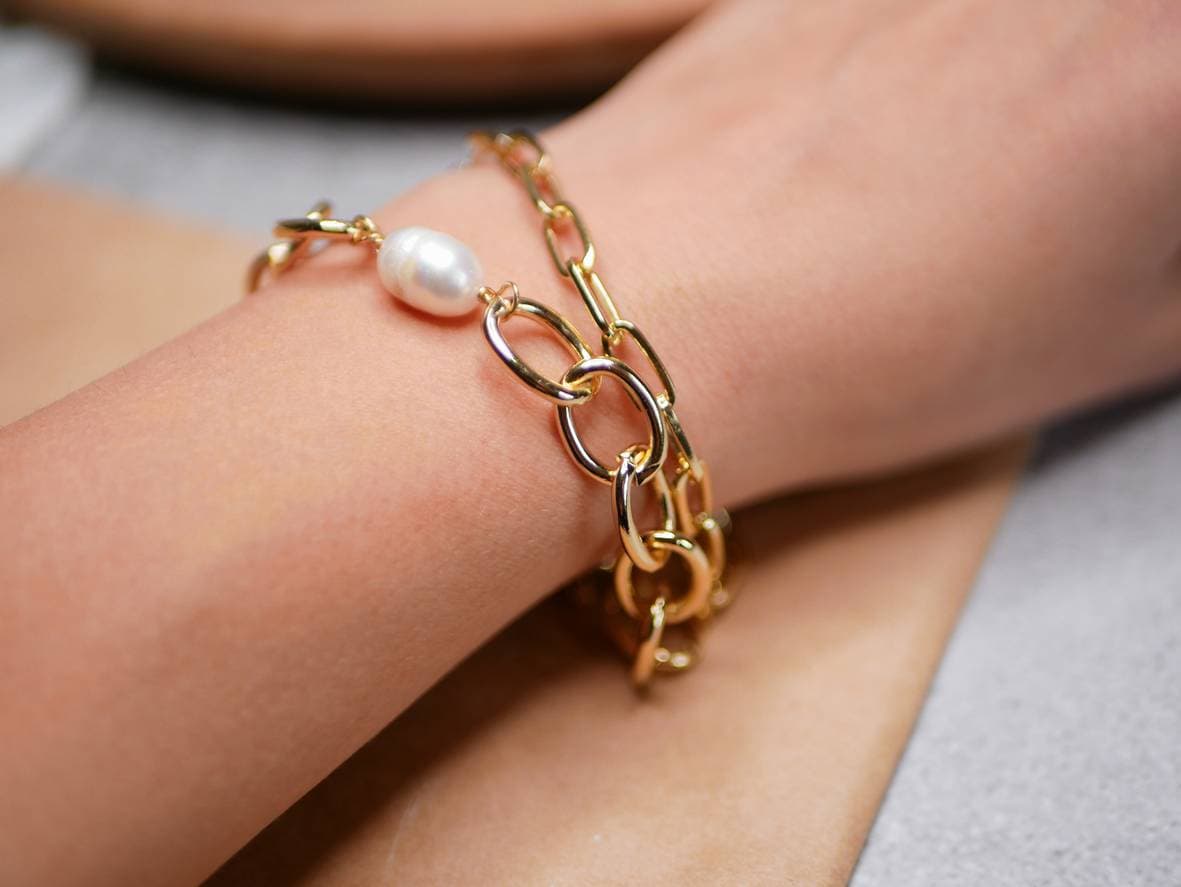
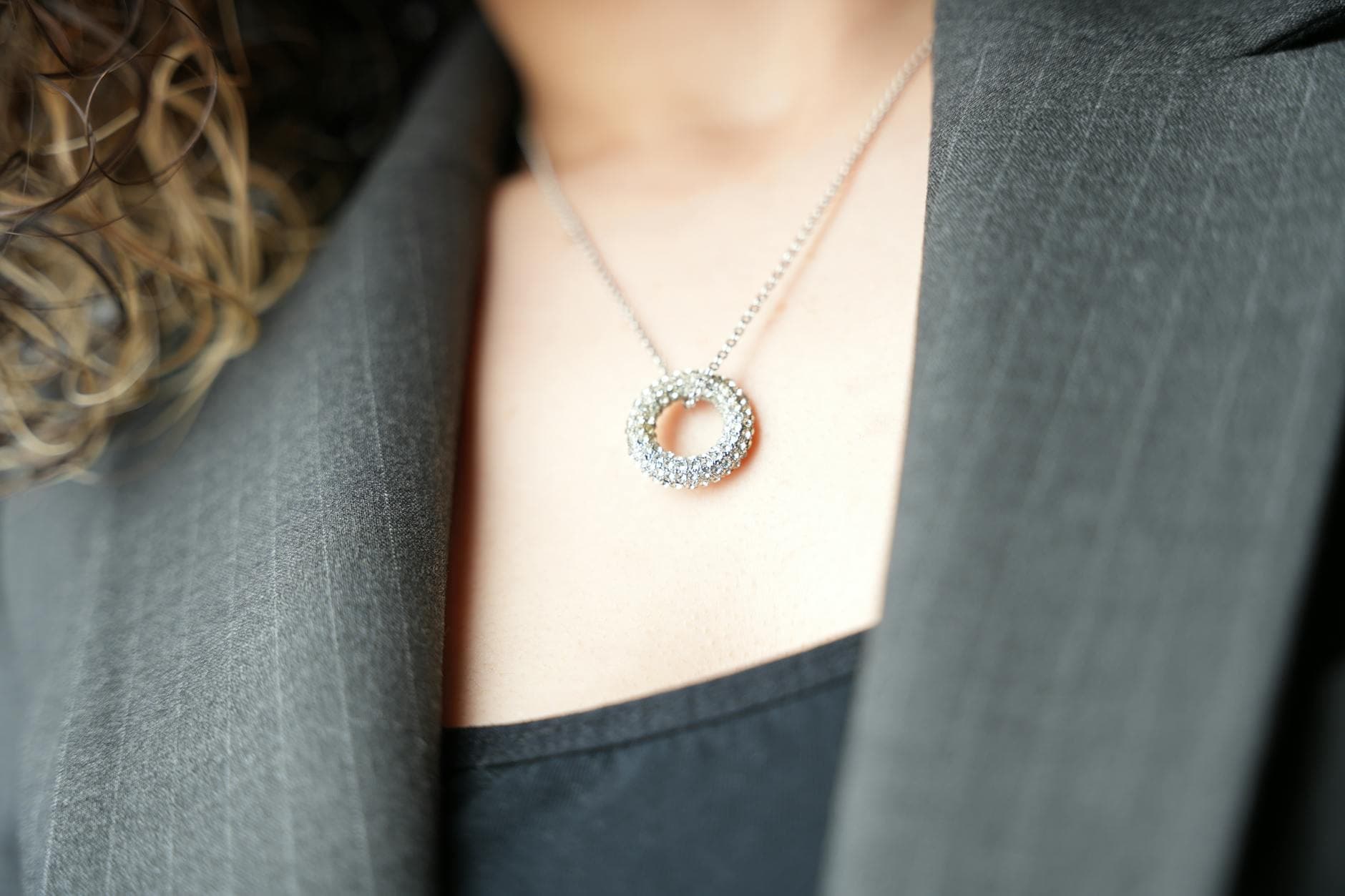
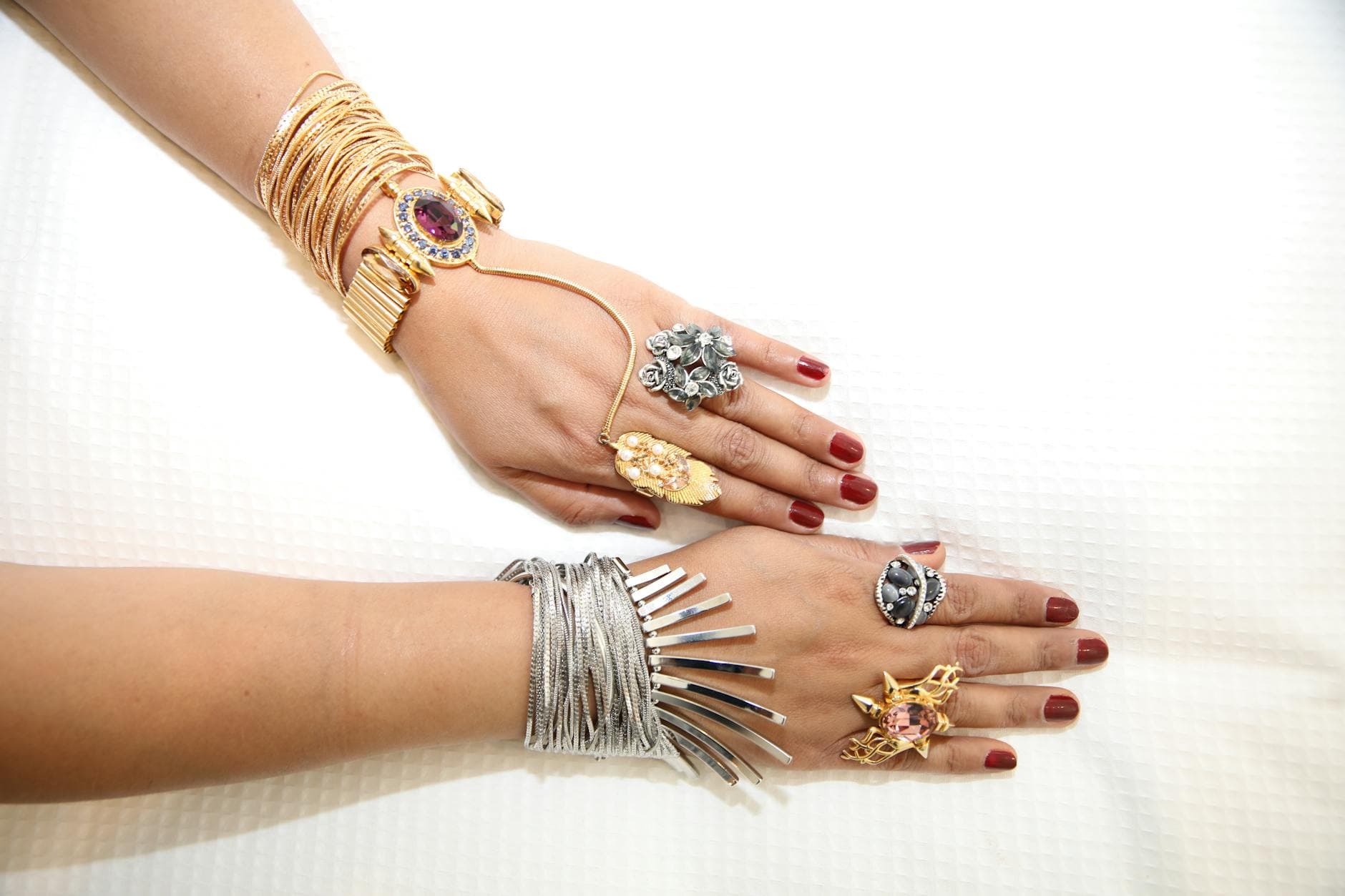
There is a particular kind of creative defiance in wearing five necklaces at once and making it look intentional. The layered jewelry aesthetic that has moved from street style into fine jewelry territory asks something real of its wearer: a rotating wardrobe of pieces at different chain lengths, in different metals, with different stone weights. Buying everything outright is one approach. Renting or subscribing is another, and the market for jewelry subscription services has grown complex enough that the differences between them now matter enormously, especially if you care about where the metals come from, how the stones are sourced, and whether a "sustainable" claim is backed by anything verifiable.
The research available for this review covers nine subscription and rental services evaluated as buyer's-guide-style options for building a layered jewelry wardrobe. What follows is an honest assessment of what these services offer, where their claims hold up, and where they fall short for the reader who wants beauty without compromise.
The central tension in this category is the rental-versus-buy model. Rental services allow you to cycle through pieces, which suits the layering approach perfectly: you can experiment with a chunky gold vermeil collar one month and a set of delicate diamond-cut chains the next without committing to a full purchase price. Buy-to-keep subscription boxes, by contrast, operate more like a curated shopping service with a membership discount baked in. Each model has a different relationship to provenance. When you rent, you rarely receive documentation about where a stone was cut or whether a metal was recycled. When you buy, even at subscription prices, you have more grounds to demand that information.
For anyone building a layered wardrobe with ethical intent, the first question to ask any service is straightforward: what metal are these pieces made from? Gold-filled and gold vermeil are not the same as solid gold, and neither is gold-plated, which can wear off within months of regular contact with skin. A layered neck stack worn daily against skin and perfume deserves at minimum gold-filled construction, which by United States federal standard requires a gold layer constituting at least 5% of the item's total weight bonded to a base metal. Vermeil requires sterling silver as its base and a gold layer of at least 2.5 microns. Plated pieces have no regulated minimum thickness. If a subscription service does not specify which of these you are receiving, that silence is itself an answer.
Stone sourcing is the second pressure point. Many subscription services operating in the accessible price tier, typically monthly fees between $20 and $100, use synthetic stones or semi-precious materials without labeling them clearly. There is nothing wrong with a well-cut cubic zirconia or a laboratory-grown stone, but it should be described honestly. The Kimberley Process certification is the baseline standard for natural diamonds, though it has well-documented limitations around artisanal mining and conflict financing. If a service mentions diamonds and does not reference Kimberley Process compliance or a stricter third-party audit, ask directly before subscribing.
The layering wardrobe use case also creates specific practical demands that pure aesthetics reviews often overlook:
- Chain length variety: A functional layering set needs pieces that sit at the collarbone (14 to 16 inches), the mid-chest (18 inches), and the sternum (20 to 24 inches). Services that send only one length per cycle are not genuinely serving the layered look.
- Metal consistency: Mixing gold and silver intentionally is a valid style choice, but receiving random metal assortments from a subscription box makes cohesive layering harder, not easier.
- Clasp quality: Lobster clasps on fine-gauge chains are the standard for a reason. Spring ring clasps on delicate chains fail faster and are harder to manage when wearing multiple pieces simultaneously.
- Pendant weight distribution: Layering works best when heavier pendants anchor lower chains. Services that send pendant-heavy pieces without considering proportional weight will produce stacking that pulls uncomfortably.
For subscribers primarily interested in building a permanent collection rather than rotating pieces, the buy-to-keep model offers a clearer path to provenance accountability. When a piece is yours to keep, you have both the documentation and the incentive to research it. Ask for the metal stamp, the stone certificate if applicable, and the country of manufacture. Reputable services in this category will provide at minimum a product card with material specifications.
The rental model serves a different reader: someone who wants to experiment with layering aesthetics before investing in permanent pieces, or who genuinely prefers a rotating wardrobe and has no attachment to ownership. For this person, the ethical considerations shift toward the service's operational practices rather than individual piece provenance. How are pieces cleaned between wearers? What happens to damaged or retired pieces? Are they recycled, resold, or landfilled? These are questions worth asking before committing to any rental subscription, and the answers reveal a great deal about how seriously a company takes sustainability as a practice versus a marketing position.
The nine services reviewed in this category span both models and multiple price points. The accessible end of the market, services priced under $30 per month, tends toward gold-plated brass with synthetic stones, which is honest value for experimentation but not a long-term investment. The mid-tier services, roughly $40 to $80 monthly, begin to offer gold-filled and vermeil construction with semi-precious stones, where the provenance conversation becomes both possible and worthwhile. At the premium tier, above $80 per month, some services work with solid gold and certified stones, and at that price point the documentation expectations should match what you would demand from any fine jewelry purchase.
What no subscription service can fully replace is the knowledge that comes from buying a single piece with intention: understanding its maker, its material journey, and its place in your collection. Layering is at its most compelling not when it looks like a lot of jewelry but when it looks like a considered life, accumulated piece by piece. Subscription services, used wisely, can accelerate that accumulation. Used carelessly, they fill a drawer with pieces whose origins are unknown and whose metals will not survive a year of honest wear.
The smartest approach is to treat subscriptions as a testing ground. Identify the chain lengths and metal tones that work for your particular layering aesthetic, then invest in permanent versions from makers who can answer every question about provenance. The subscription becomes the education; the considered purchase becomes the wardrobe.
Know something we missed? Have a correction or additional information?
Submit a Tip