Oscars Red Carpet Reveals Three Jewelry Trends Shaping Layering Choices Now
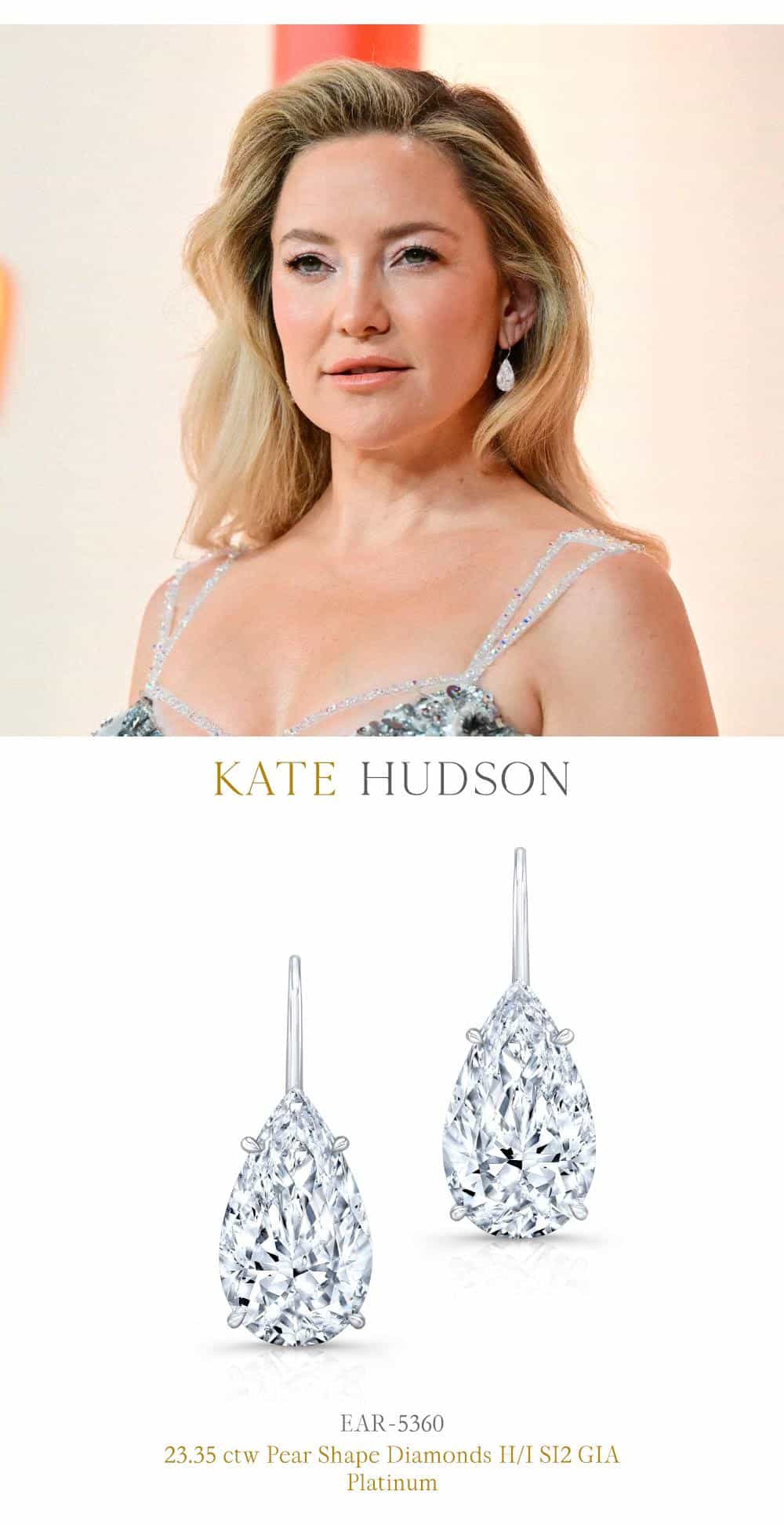
Kate Hudson's Oscars jewelry made the case for colored gemstones as the new emotional centerpiece of fine layering.
There is a particular sartorial tension that plays out every awards season between jewelry that protects and jewelry that performs. On the Oscars red carpet, safety rarely wins. What the most recent ceremony made clear, however, is that the performance has shifted in both register and intention: the pieces that commanded attention were not simply spectacular, they were specific. They told stories. And the three movements that emerged from that evening are already reshaping how thoughtful dressers, collectors, and professional stylists are approaching the art of layering.
Colored Gemstones as Emotional Anchors
The ascendancy of colored stones is not a new conversation in fine jewelry, but the Oscars red carpet crystallized something that had been building for several seasons: the colored gemstone is no longer a supporting player to a diamond-dominant look. It is the point. Kate Hudson's appearance, anchored by a Garatti piece centered on vivid colored stones, demonstrated precisely what this shift looks like in practice. The choice was not about color for color's sake; it was about meaning made visible. Colored gems have always carried emotional and cultural weight, from the protective symbolism of sapphire to the passion traditionally ascribed to rubies, and what the red carpet confirmed is that wearers are leaning into that weight rather than wearing around it.
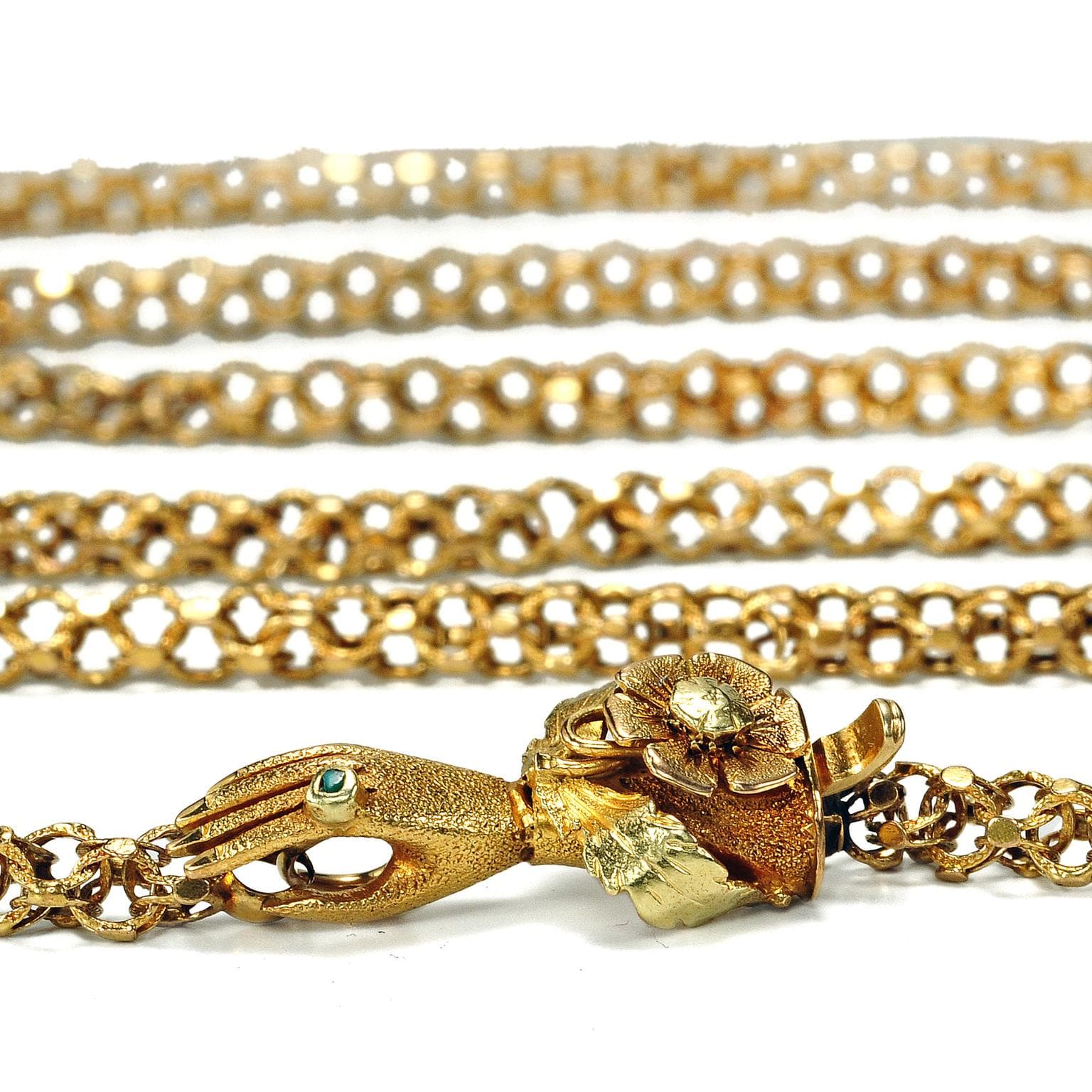
For layering, this changes the calculus considerably. When a colored stone is the emotional anchor of a look, every other piece in the stack must support rather than compete. A vivid emerald-cut green tourmaline pendant, for instance, invites delicate gold chains rather than another statement stone. The lesson stylists are drawing from this moment is that layering with intention means identifying your anchor first, and building outward from its color temperature, its cut geometry, and its personal resonance. A well-chosen colored stone does not need volume around it; it needs breathing room and complementary texture.
The practical consequence for buyers is also worth noting. Colored gemstones, particularly those graded for saturation and clarity rather than simply cut to sell, are among the most meaningful investments available in fine jewelry precisely because no two stones read identically. A padparadscha sapphire catches light differently at noon than at a candlelit dinner. That variability is not a flaw; it is the point of the piece, and it makes colored stones uniquely suited to layered looks that are meant to evolve across a day rather than remain static.
The Return of Sculptural Scale
The second trend the Oscars confirmed is a decisive turn away from the barely-there minimalism that dominated fine jewelry for much of the previous decade. What appeared on the red carpet was jewelry with physical presence: pieces that occupied space, commanded the eye, and made no apologies for their scale. This is not the maximalism of excess; it is the maximalism of craft. There is a significant difference between a piece that is large because it is heavy with stones and a piece that is architecturally scaled because its design demands it. The work seen at the ceremony leaned emphatically toward the latter.
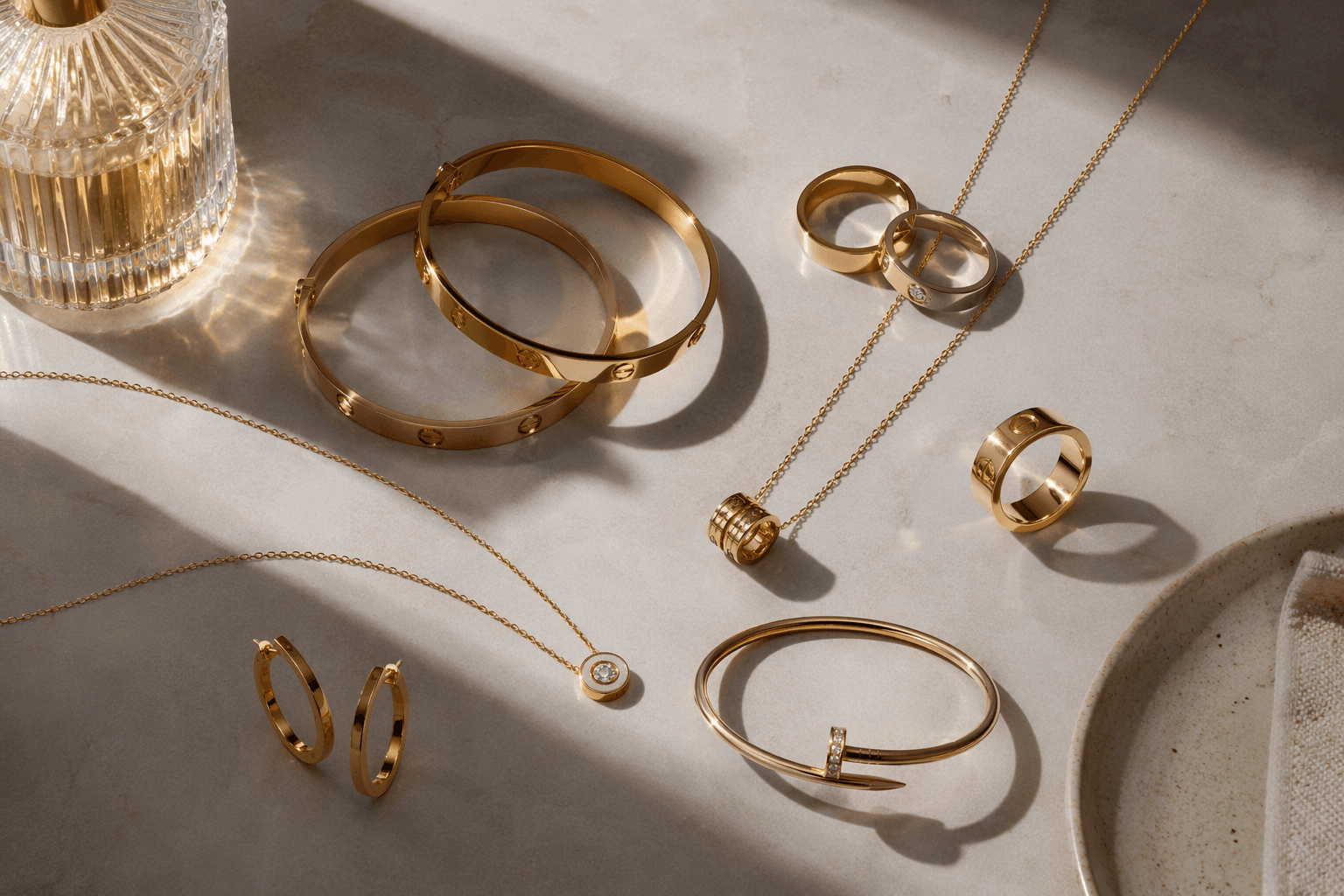
For layering specifically, sculptural scale introduces an important discipline. A single large architectural piece, whether a substantial cuff, a wide collar, or a chandelier earring with structural weight, effectively anchors the entire look and sets the visual grammar for everything else on the body. Stylists working in the wake of the Oscars are increasingly counseling clients to treat their most sculptural piece as a sentence and every other layered element as punctuation. The chain that runs alongside a bold pendant necklace should feel like a comma, not a competing clause.

The gemological implication here is also meaningful. Sculptural jewelry at this scale often showcases stone cuts that would be wasted in a smaller setting: a long, narrow baguette-cut that only reads as elegant when it has room to lie flat against the collarbone; a freeform boulder opal that reveals its full play-of-color only when it has sufficient surface area. Choosing to layer around a sculptural piece means understanding what that piece is actually doing with its stones, and ensuring that the companion pieces do not crowd its stage.
Personalization as the New Luxury Standard
The third trend is perhaps the most consequential for anyone approaching layering as a long-term practice rather than a single-occasion choice: personalization has moved from a niche offering to a dominant red carpet value. The pieces that generated the most sustained conversation from the ceremony were those that appeared to have been chosen, commissioned, or customized with a specific person's biography in mind. These were not loans from a brand's vault selected because they were the most expensive available option. They were expressions of a considered relationship between wearer and object.
This is a shift that has been accelerating in fine jewelry for several years, and the Oscars simply gave it its most visible showcase yet. Consider what personalization means in a layering context: it means that a stack built around a signet ring engraved with a meaningful date, a birthstone set in a cut that references a family heirloom, and a chain length calibrated to fall at a personally significant point on the body is not an arbitrary accumulation. It is a coherent autobiographical statement made in gold and stone.
The craft implications are equally important. Personalization at the fine jewelry level is not simply adding an initial to a mass-produced pendant. It involves decisions about alloy composition, setting style, stone sourcing, and surface finish that collectively determine whether a piece ages into an heirloom or simply ages. A bezel-set birthstone in recycled 18-karat yellow gold with a matte finish reads entirely differently from the same stone prong-set in white gold with a high polish, and both read differently again against a layered stack of oxidized silver. The red carpet made clear that the most powerful jewelry choices of this moment are the ones that could not have been worn by anyone else. That specificity, translated into layering, is where personal style and genuine craft finally converge.
What the Oscars established this season is not a set of rules to be followed but a direction of travel: toward meaning, toward presence, and toward the kind of intentional self-expression that turns a layered neck or wrist into something worth a second look. The consumer and stylist who take these three movements seriously will find that they are not simply keeping pace with a trend cycle; they are building a jewelry wardrobe that will outlast it.
This article was produced by Prism’s automated news system from verified source data, official records, and press releases, then run through automated quality and moderation checks before publishing. The system is built and supervised by the people who set the standards it runs under. Read our full AI policy.
Did this article answer your question?