Pomellato brings its revolutionary jewelry story to Paris exhibition
Pomellato’s Paris debut turns its archival rebellion into a blueprint for the layered-jewelry look dominating 2026, where stacking, color, and ease matter most.
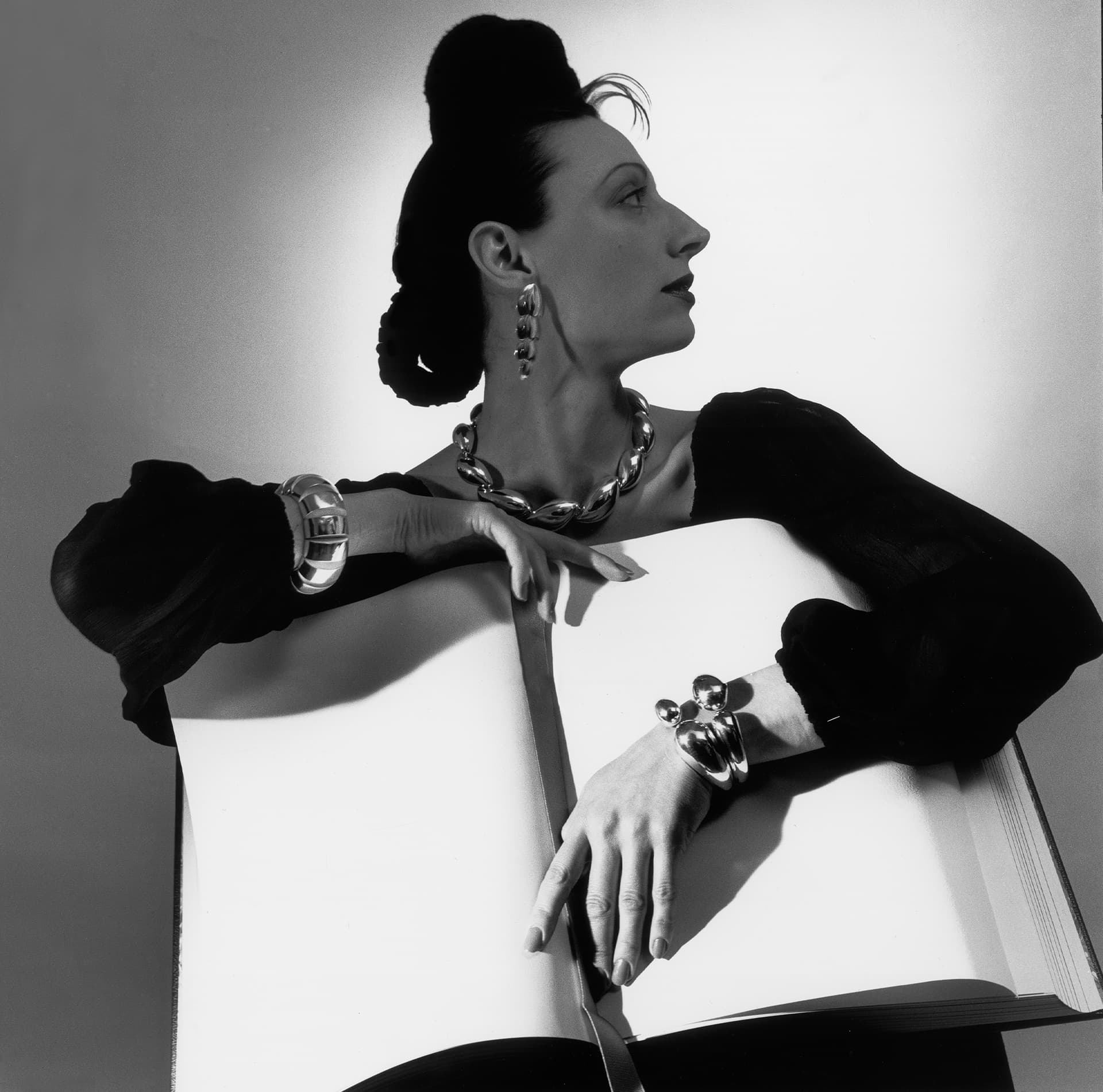
Pomellato’s Paris debut and the new logic of layering
Pomellato is arriving in Paris with a story that feels made for the way jewelry is worn now: in layers, in contrasts, and with a refusal to look too precious to live in. The house’s first Paris exhibition, “Pomellato, le joaillier révolutionnaire,” runs from June 24 to July 20, 2026 at Palais de Tokyo, a setting that places the brand inside contemporary culture rather than behind the velvet rope of a traditional luxury showcase.
That matters, because Pomellato’s identity has never been about quiet conformity. Founded in Milan in 1967 by Pino Rabolini, the maison introduced a prêt-à-porter approach to fine jewelry, translating ready-to-wear fashion thinking into gold, color, and everyday wearability. Long before layering became a styling shorthand, Pomellato was already building jewelry that invited combinations, with pieces designed to be mixed rather than isolated.
Why this exhibition feels current
The exhibition is organized around five revolutions: style, craftsmanship, color, image, and women. Taken together, those themes explain why the house still resonates in a jewelry market that prizes individuality over uniformity. The layered-jewelry mood dominating 2026 leans on the same ideas Pomellato built into its DNA: bold scale, visible texture, chromatic richness, and an everyday-luxury attitude that makes stacking feel intentional rather than overworked.
Pomellato’s archive is the key to that relevance. The house’s heritage creations and contemporary collections are being shown side by side, not as separate chapters but as evidence of a long-running design code. That code is especially legible in the way Pomellato treats contrast: polished gold against vibrant stones, sculptural volume against lightness, and strong signature pieces against the freedom to layer them.
The exhibition as a style lesson
Curated by Alba Cappellieri, Ph.D., full professor and head of jewelry design at the Politecnico di Milano, the exhibition reads less like a brand retrospective than a guide to how luxury jewelry acquires staying power. Pomellato’s own framing makes clear that the show will connect heritage creations to the creative codes that define the maison today, which is exactly the point for anyone watching how jewelry is styled now.
Stacking before stacking was the story
Pomellato’s prêt-à-porter instinct anticipated the current taste for intentional layering. The brand’s emphasis on versatile, precious pieces means its jewelry was never meant to be locked into one ceremonial use or one rigid styling rule. That makes the exhibition feel less like a look back and more like a reminder that the best modern jewelry systems are built to be worn together.
Color as structure, not decoration
Color is not an accent in Pomellato’s universe. It is part of the architecture. That approach helps explain why the house remains so useful to the current stacked-jewelry mood, where a mix of tones and materials often matters more than a single, perfectly matched set. In Pomellato’s case, vibrant gemstones and Milanese goldsmithing are not competing ideas but complementary ones.
Image, women, and the politics of visibility
The exhibition also emphasizes Pomellato’s dialogue with photographers including Helmut Newton, Herb Ritts, Michel Comte, and Snowdon, a reminder that the house has long understood jewelry as a visual language, not just an object category. Its #PomellatoForWomen program extends that logic into the present, with support from figures including Jane Fonda, Cate Blanchett, and Sinéad Burke. The message is clear: this is a brand that has used image not to soften its edge but to sharpen it.
What to look for in the house’s craft story
Pomellato’s craft narrative is central to why this exhibition matters beyond branding. The maison says it is rooted in Milanese goldsmithing and describes its modern identity through a commitment to 100% responsible gold. It also points to the Pomellato Virtuosi education programme, created with the Galdus Goldsmith Academy, as part of its effort to train specialist professionals and preserve artisan skill for the future.
That blend of heritage and accountability gives the Paris show more weight than a simple archive display. In a market where sustainability language can be vague, Pomellato at least names its material commitment directly with responsible gold and connects skill preservation to training, not just marketing. The result is a clearer argument for why the house’s jewelry has remained culturally visible: it pairs design rebellion with a craft system that is meant to endure.
Why Palais de Tokyo is the right frame
The venue sharpens that argument. Palais de Tokyo describes itself as Europe’s largest center for contemporary creation, and that context shifts Pomellato away from a retail reading and toward a broader conversation about art, fashion, and cultural change. For a jewelry house built on the idea of crossing from fashion into fine jewelry, the setting is not incidental. It underscores the brand’s original gamble that jewelry could belong to the same visual world as contemporary style.
Pomellato has also described this as its first exhibition in Paris, which makes it more than a calendar stop. Paris is the stage where the maison is presenting its design language as a cultural thesis: that luxury can be bold, wearable, colorful, and still technically serious.
Pomellato’s Paris exhibition ultimately works because it explains a current taste through a long-held position. The layered-jewelry look thriving now is not a new idea so much as a rediscovery of the freedom Pomellato has championed since 1967: stack the pieces, contrast the textures, keep the jewels close to daily life, and let the design speak loudly enough to hold its own.
This article was produced by Prism’s automated news system from verified source data, official records, and press releases, then run through automated quality and moderation checks before publishing. The system is built and supervised by the people who set the standards it runs under. Read our full AI policy.
Know something we missed? Have a correction or additional information?
Submit a Tip