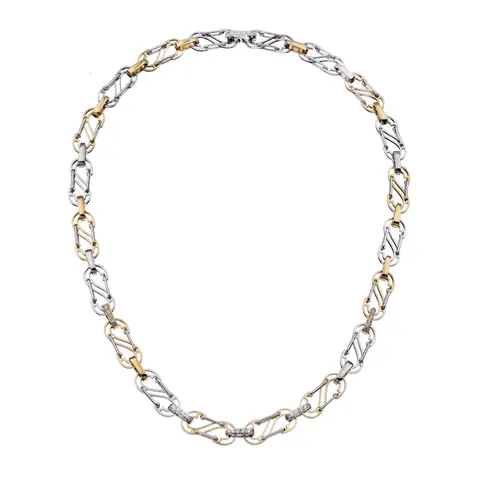
The Met Store glossary explains the necklace terms behind layering
Layering works best when the necklace lengths have names. The Met Store’s glossary turns collar, choker, pendant, lariat, sautoir, and chain into a practical stacking language.
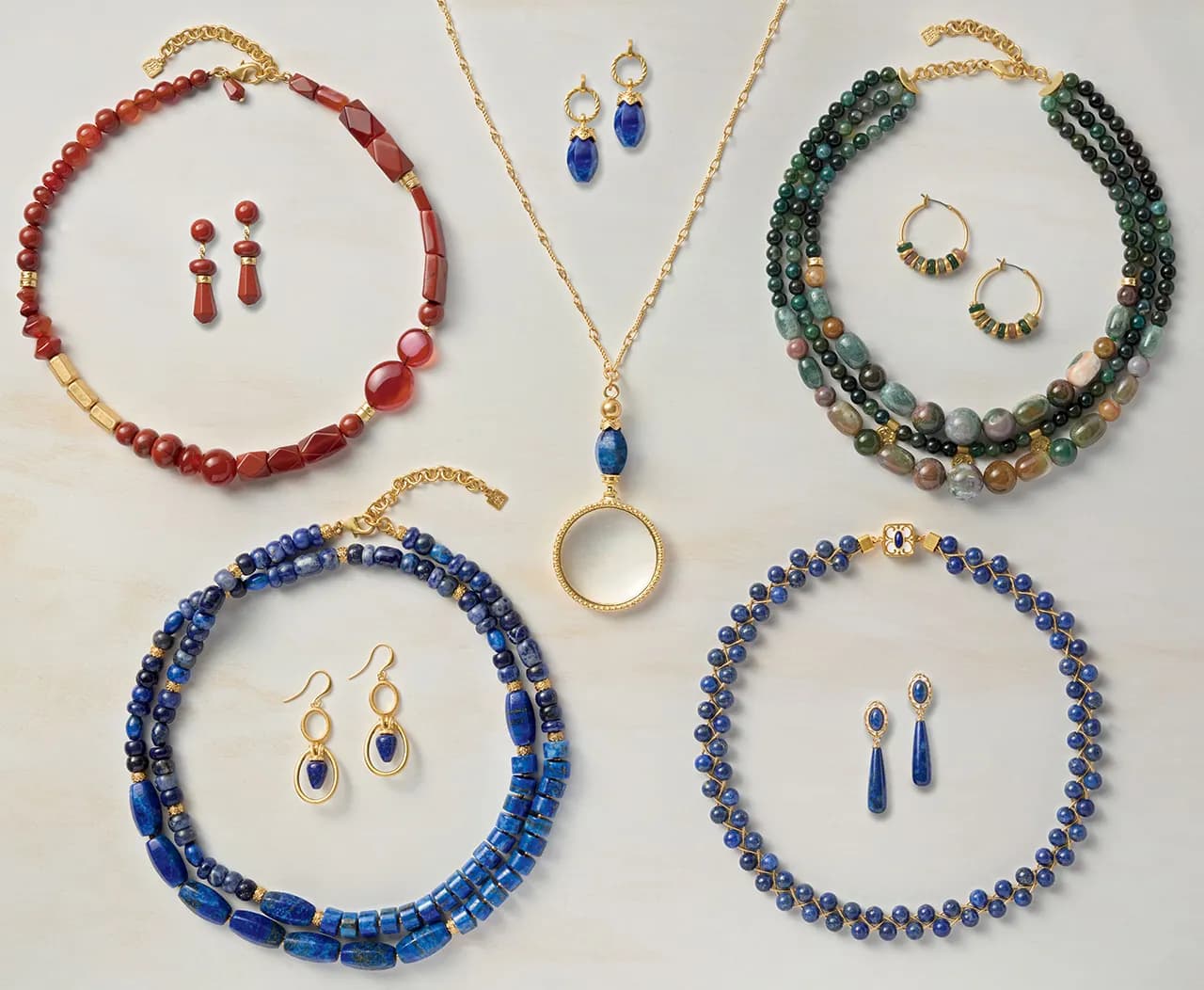
Layering looks effortless only when the lengths are doing different jobs. The Met Store’s glossary gives that choreography a vocabulary, turning necklace terms such as collar, choker, pendant, lariat, sautoir, and chain into a way to build a neckline with intention instead of guesswork.
Start with the names, not the pile
The most common layering mistake is simple: buying beautiful necklaces without knowing where each one lands on the body. Once you can name the silhouette, you can predict whether it will frame the face, bridge a gap, or pull the eye downward. That is why a museum retail glossary matters here, especially one tied to The Metropolitan Museum of Art, where terminology is treated as part of both education and display.
The Met Store uses these words in live product names, not just in a reference chart. A French Empire Collar Necklace, a Spanish Day and Night Reversible Lariat Pendant Necklace, and a Celestial Symbols Lariat Necklace all show the same thing: collar and lariat are active retail descriptors, not dusty jargon. The language is already embedded in the way the pieces are sold, which makes it easier to shop with precision and layer with purpose.
Know what each length does
A collar sits high and close, creating a strong frame around the face and upper neck. In a stack, it acts as the anchor, the shortest point that defines the top of the composition and creates a clean visual stop. A choker works similarly, but with a softer, closer fit that sits high on the neck and is typically 14 to 16 inches long. That measurement matters because it places the piece just above the collarbone, where it can read as polished rather than crowded.
A pendant and a plain chain usually belong in the middle of the arrangement. They give the eye a place to travel between the short top layer and the longer pieces below, and a pendant adds a focal point without overwhelming the stack. When the middle layer has movement but not too much volume, it keeps the whole neckline from feeling heavy.
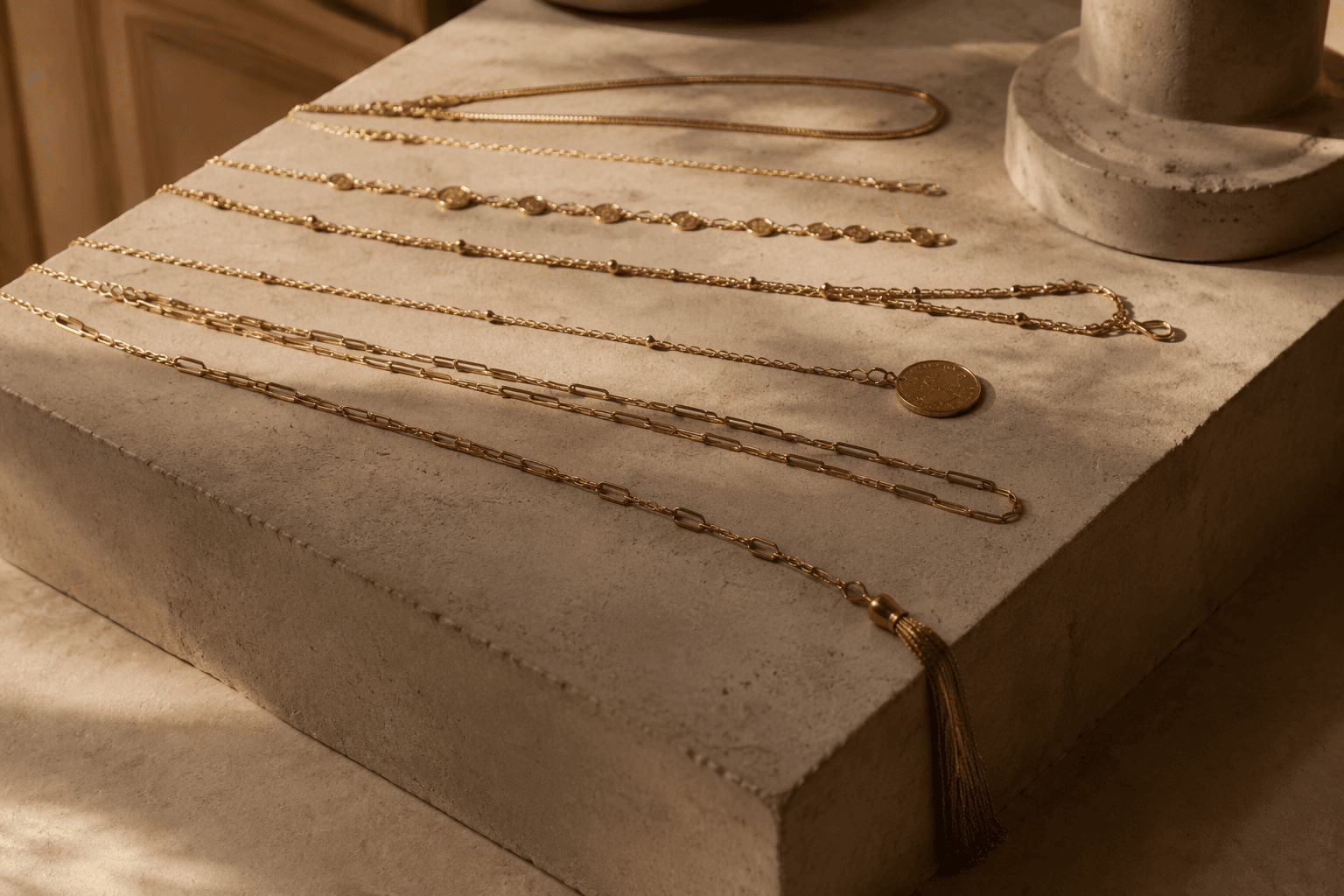
The long layer changes the tempo. A lariat or a sautoir stretches the composition downward and adds vertical movement, which is especially useful with high necklines or simple tops. That longer line can keep a stack from stopping abruptly at the collarbone, and it gives the layered look a deliberate finish rather than a compressed one.
Collar and choker as the top anchor
When the top necklace is close to the neck, it gives every piece beneath it a clear starting point. A collar is the most graphic of the short forms, and because it sits so near the throat it can function almost like a border, especially with open necklines. A choker, by contrast, is close-fitting but slightly less architectural, which makes it easier to wear with shirts, knits, and dresses that already have texture or detail.
If you want the stack to look considered, let the collar or choker do the framing rather than asking it to compete with the rest of the necklace lineup. That is the difference between a strong top line and a crowded one. The shorter piece should set the mood, not fight the rest of the jewelry for attention.
Pendant and chain as the bridge
The middle layer is where many stacks either come together or collapse into clutter. A standard chain is useful because it adds lightness and movement without another visual interruption, while a pendant gives the eye a center point and can echo the shape of a neckline, a button placket, or even a brooch. In a layered look, that middle section should feel like a transition rather than a second headline.
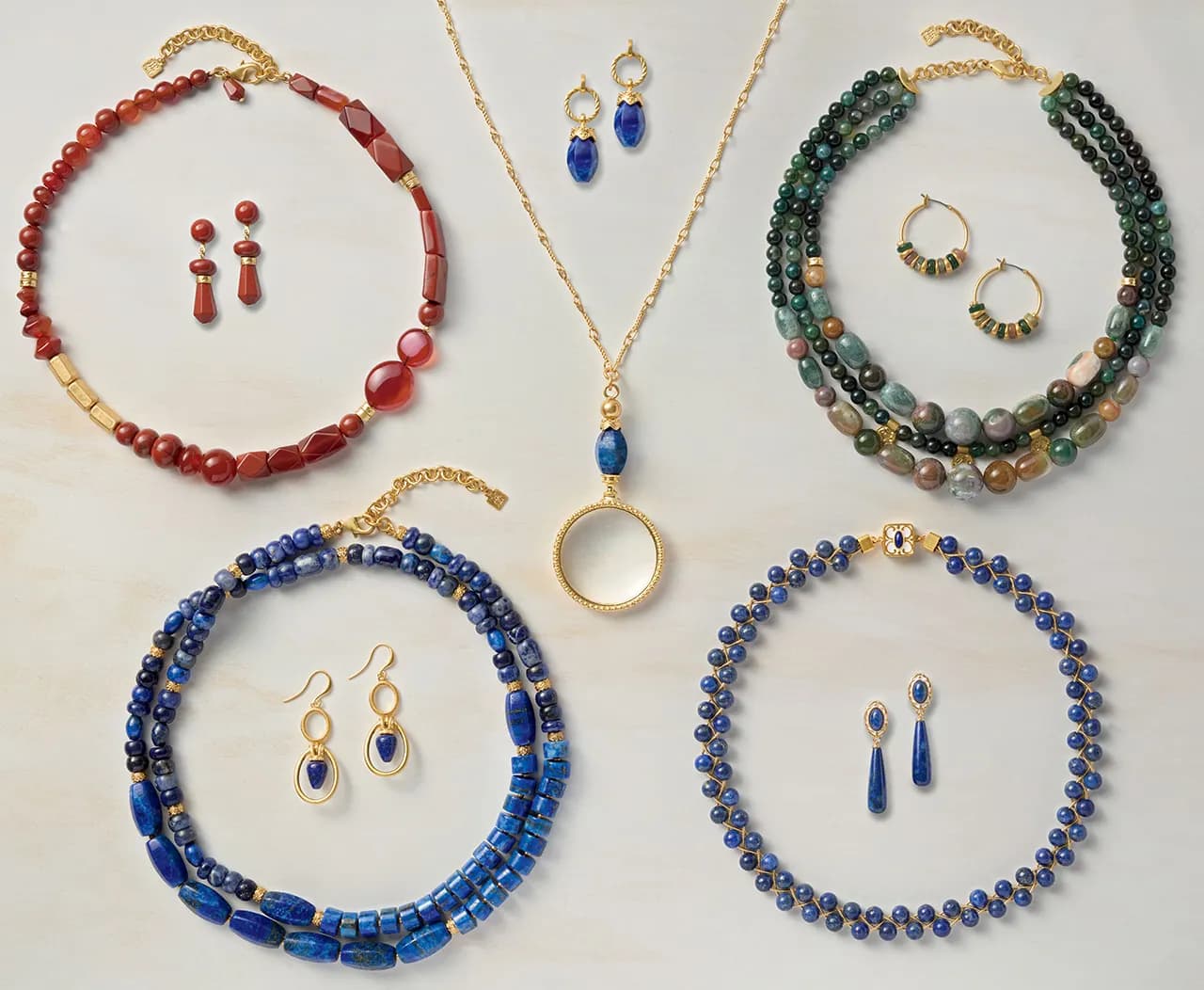
This is also where proportion matters. If the top piece is very compact, the middle necklace should create enough space below it to keep each layer legible. A small pendant on a fine chain often reads more elegantly than a heavier charm, because the goal is separation, not density.
Lariat and sautoir for vertical movement
Long necklaces are where layering becomes most expressive. A lariat introduces a drop and lengthens the line of the torso, while a sautoir belongs to the same extended register and helps the stack travel downward with ease. These are the pieces that make a composition feel finished, especially when the clothing underneath is simple enough to support movement.
The practical value of that long layer is obvious on high necklines. A turtleneck, crew neck, or plain knit can make a necklace stack look static unless something long breaks the plane of the fabric. The lariat is especially useful because it can create an intentional focal point below the bust line, giving the whole arrangement a sense of direction.
Another jewelry glossary treats the lariat as its own distinct category and focuses on lengths, styling, and when to wear one. That emphasis is useful because the term is often confused with pendant necklaces, even though the design role is different. A pendant centers the middle of the stack; a lariat extends it.
Build the stack from shortest to longest
The cleanest layering formula is still the most direct one: short, medium, long. Start with a collar or choker, add a chain or pendant in the middle, then finish with a lariat or sautoir that adds the final line. That sequence prevents tangling visually, even when the chains themselves are delicate, because each necklace claims a distinct zone on the body.
- What is the shortest piece, and does it sit high enough to read as an anchor?
- What is the middle length, and does it bridge the gap without crowding the top?
- What is the longest necklace, and does it add a drop or just more chain?
- Are the metals harmonious, or is mixed metal the point?
- Does the long piece create vertical movement, especially against a high neckline?
A useful shopping checklist keeps the process honest:
That kind of edit is what turns a stack into a composition. You are not simply adding more jewelry; you are building a sequence of lengths that can be read at a glance.
Why the museum context sharpens the eye
The Met’s broader jewelry language reinforces why these terms matter beyond styling. In the museum’s publication Metropolitan Jewelry, the institution presents jewelry from ancient and modern cultures around the world, which places the necklace not just in fashion but in the history of adornment. The exhibition Jewelry: The Body Transformed, with more than 200 jewels and ornaments, asked what jewelry is and why people wear it.
That frame matters because necklace layering is part of a much older visual habit. Necklaces have always marked the body, shifted proportion, and signaled identity, status, and taste. The Met Store glossary gives the modern shopper a practical way into that tradition: learn the terms, and the stack stops being random decoration and starts reading like design.
This article was produced by Prism’s automated news system from verified source data, official records, and press releases, then run through automated quality and moderation checks before publishing. The system is built and supervised by the people who set the standards it runs under. Read our full AI policy.
Did this article answer your question?