Western wear and turquoise shape 2026 jewelry layering trends
Western accents and turquoise are steering stacks toward richer contrast: think bold beads, silver, charms, leather, and one statement piece that keeps the rest in orbit.
The next wave of layering is less about perfect symmetry than about tension done well. In the Vegas jewelry circuit, the most convincing stacks mixed western references with polished white metals, turquoise with silver, and chunky color with small, deliberate charms. The result feels collectible rather than crowded, and it is exactly the kind of styling that can take a simple wardrobe from plain to edited.
The new stack is built on contrast
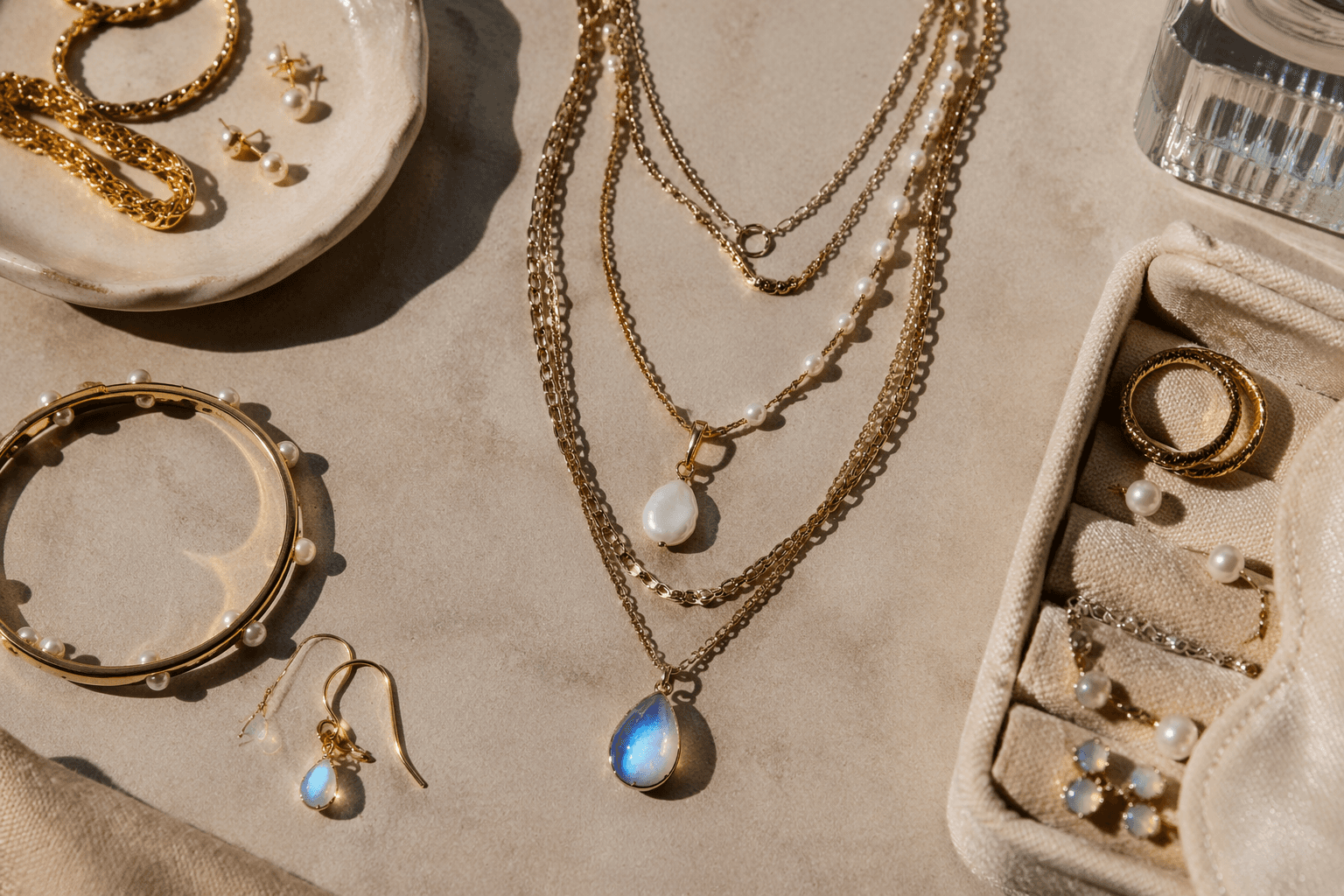
The clearest message from the Vegas market was that jewelry is moving toward pieces with more texture, more personality, and more visual heft. National Jeweler’s post-Vegas trend report points to western wear, big colorful beads, alternative materials like wood and leather, charms, white metals, and turquoise as the shapes and materials that will guide the rest of 2026 and carry into 2027. That mix matters because it gives you permission to pair opposites: a smooth silver chain beside a rough leather cord, or a row of glossy beads anchored by a single charm with sentimental weight.
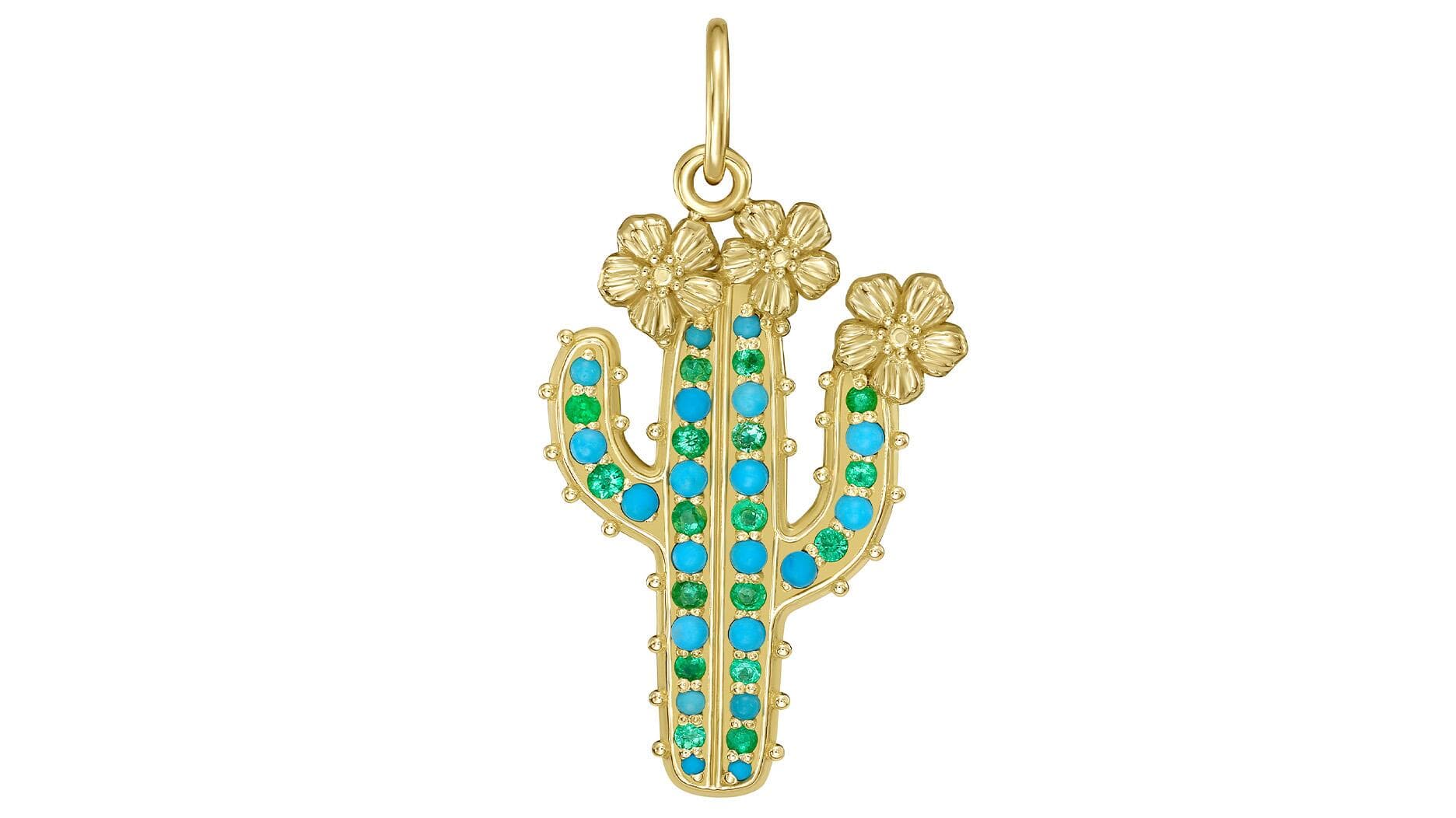
That contrast is what keeps the look from tipping into costume. Western touches, whether they are horseshoes, cowboy hats, boots, belt buckles, spurs, cactuses, or bolo ties, work best when they are treated as punctuation rather than the whole sentence. One strong motif is enough if the rest of the stack is cleaner and more refined.
How to wear turquoise without making it feel expected
Turquoise is the season’s defining stone, but the most current way to wear it is not as a lone Southwestern statement. It looks sharper when it sits beside white metals, especially silver, or when it is offset by wood, leather, or a line of colorful beads. That combination brings out the stone’s brightness and keeps it from reading too theme-driven.
For day, try a turquoise pendant on a fine silver chain with one strand of oversized beads closer to the neckline. Add a leather bracelet or narrow leather cord to interrupt all that polish. For evening, a single turquoise piece can carry a stack if the rest of the jewelry is pared back to white metal and one charm. The effect is elegant because turquoise does not need a lot of competition; it needs room.
Big beads, small chains, and the art of balance
The big colorful bead trend works because it is unapologetically tactile. These are not timid spacer beads, but pieces with enough scale to read from across a room. The trick is to keep the rest of the stack lean so the beads feel intentional rather than heavy-handed.
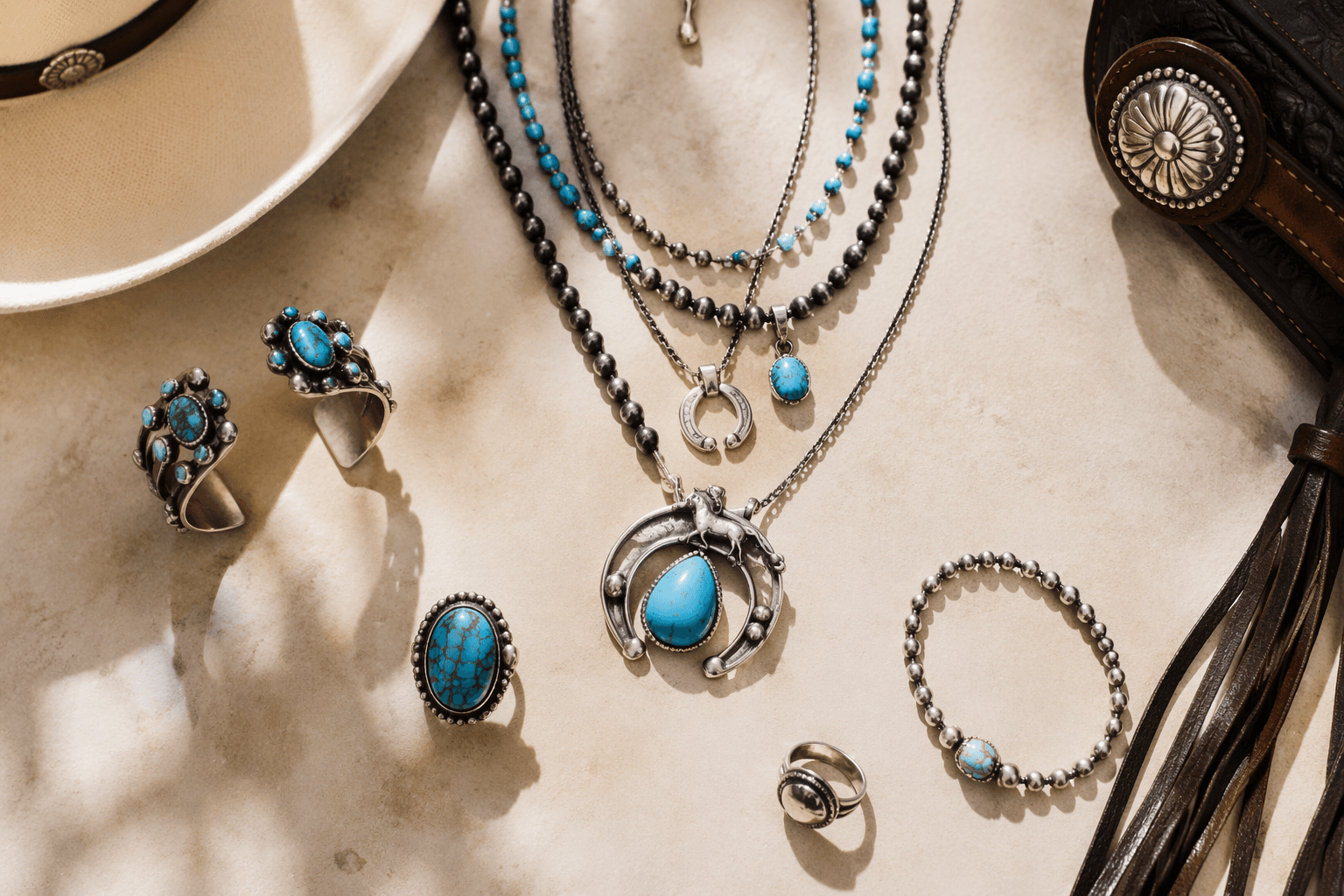
A good formula is one row of oversized beads with one or two thinner elements nearby, such as a fine chain bracelet or a slim charm necklace. If the beads are bright, let the surrounding metal go quiet, preferably silver or platinum-toned white metal. If the beads are more muted, the stack can handle a slightly more ornate companion piece. Either way, the goal is rhythm: one bold texture, one clean line, one small detail that keeps the composition moving.
Charms are becoming the memory piece in the stack
Charm jewelry is surging because it gives a stack narrative. JCK’s Vegas forecasting pointed to whimsical objects and jumbo charms as styles likely to dominate the floor, and that appetite for personality-driven jewelry fits neatly with the broader move toward collectible pieces. A charm does not have to be delicate to feel personal; in fact, the stronger the shape, the more it can hold its own beside beads, leather, or a western pendant.
The smartest way to wear charms now is to treat them like markers inside a larger composition. Put a single charm on a polished chain, then layer it with a more textural piece, such as leather or a strand of colored beads. If the charm is oversized, let it be the focal point and keep the surrounding pieces thinner. If it is small, repeat the motif once somewhere else in the look so it feels curated rather than accidental.
White metals are regaining their force
White metals are back in focus not because they are new, but because they solve a practical styling problem. They cool down colorful stones, sharpen western silhouettes, and make stacks look cleaner when several materials are in play. Platinum is especially interesting here. Platinum Guild International’s 2026 Retail Barometer, which surveyed 300 fine jewelry retailers, found that more than three-quarters planned to add platinum inventory in 2026, more than half had converted some portion of their white gold business to platinum, and non-bridal platinum sales grew more than 24% in 2025.
That shift says a lot about what shoppers are responding to now. Gold prices have pushed some consumers toward silver and platinum, but the appeal is not only cost. White metals give color jewelry more edge and make layered looks feel modern rather than overworked. If gold is the warmth in the stack, white metal is the line that keeps everything disciplined.
What buyers were actually shopping for in Vegas
The market week in Las Vegas drew 17,500 attendees from around the world to The Venetian Expo and The Venetian Resort, and the energy on the floor showed up in what retailers were buying. They were looking for expandable bracelets, cross necklaces, colored gemstone designs, flexible and stretch bracelets, silver jewelry as a lower-cost alternative to gold, and still, in plenty of cases, yellow gold. That mix is useful because it reflects real wear habits: pieces that move with the body, stack easily, and do not require much fuss.
JCK’s coverage also noted that retailers were navigating gold prices, tariffs, artificial intelligence, and social-media-driven bridal demand. In other words, the appeal of layering is partly aesthetic and partly practical. Flexible bracelets and stretch pieces are easy to live in, silver brings down the entry price, and stackable formats make it possible to build a look over time instead of buying it all at once.
The color story is richer than turquoise alone
JCK’s summer 2026 magazine, a 138-page issue, cast the season as a bold celebration of color, and higher-end shoppers are already showing demand for garnet, spinel, and paraiba tourmaline. That matters for layering because turquoise does not have to stand alone to feel current. It can sit inside a broader color story, especially when paired with deeper stones or a bright bead palette.
If you want the stack to feel expensive rather than busy, keep one color family dominant and let the others act as accents. Turquoise with silver and a single garnet pendant feels controlled. Paraiba tourmaline beside white metal and a leather strand feels fashion-forward. The point is not to collect every hue at once, but to let one stone set the mood.
Why the western moment feels bigger than a trend cycle
Horse motifs have become especially visible this year, helped along by 2026 being the Year of the Fire Horse. That detail gives the western story extra momentum, but the broader appeal is that these motifs feel naturally integrated into layering. Horses, horseshoes, boots, and belts all have strong silhouettes, which means they can anchor a stack without requiring much else.
The most wearable western formula now is simple: one motif with shape, one material with texture, and one metal with polish. A horse charm on a silver chain, a turquoise bead bracelet, and a leather accent can look far more considered than a heavily themed set. That is the real lesson from Vegas. The best stacks are not the loudest ones, but the ones that know when to stop, when to contrast, and when to let a single piece carry the story.
This article was produced by Prism’s automated news system from verified source data, official records, and press releases, then run through automated quality and moderation checks before publishing. The system is built and supervised by the people who set the standards it runs under. Read our full AI policy.
Know something we missed? Have a correction or additional information?
Submit a Tip