Blue diamonds turn rare luxury into meaningful keepsakes
Blue diamonds carry hope, wisdom and faith, and the right shade and setting turn that symbolism into a keepsake that can outlast the occasion.
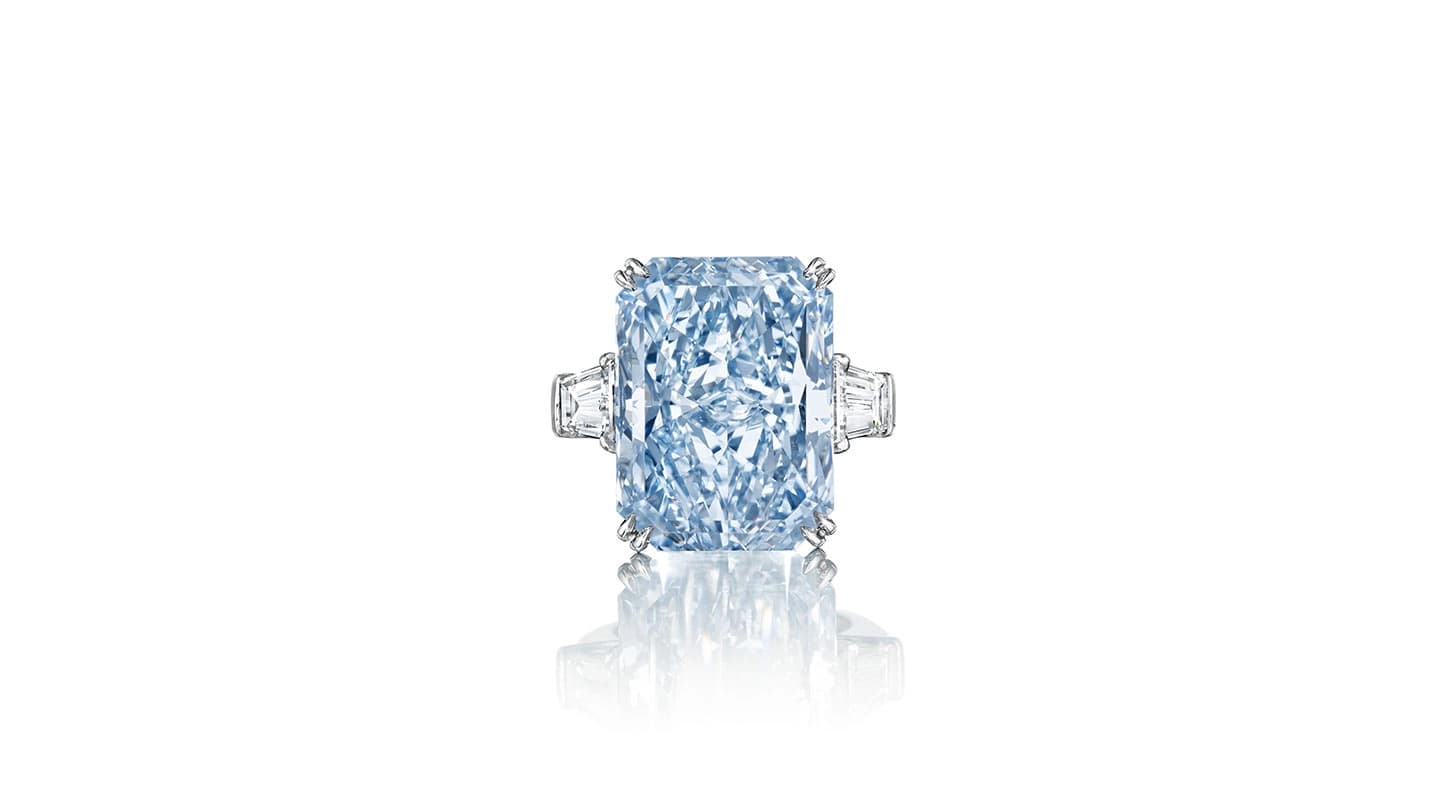
A blue diamond does something few jewels can manage: it makes rarity feel intimate. GIA links blue diamonds with hope, wisdom and faith, which is why they suit moments that ask for more than sparkle, from graduations to anniversaries to a private milestone bought for yourself.
Why blue diamonds feel like personal heirlooms
Blue diamonds sit at the intersection of emotion and expertise. GIA describes them as stones beloved by collectors and jewelry connoisseurs, and that appeal comes from more than a beautiful color. In GIA’s research on natural-color Type IIb blue diamonds, more than 400 stones were studied over several years, a reminder that the field is small enough to feel special even to seasoned buyers.
That scarcity matters because it gives the symbolism weight. A blue diamond can stand for perseverance as easily as celebration, which makes it especially powerful as a message stone. If the gift is meant to say “I believe in your future” or “this bond has endurance,” blue is one of the few diamond colors that carries that language naturally.
Read the color first
With blue diamonds, color is the story. The best purchase begins with asking how the stone actually looks, not just how it is labeled. In fancy-color diamonds, the shade can read vivid, soft, or dramatic depending on saturation and tone, and the same stone may feel cooler in daylight and deeper under indoor light.
That is where benchmarks help. Christie’s described the Oppenheimer Blue as the largest Vivid Blue diamond ever to appear at auction before its 2016 sale in Geneva, and the result, reported at $57.7 million, shows how much collectors prize saturated color when it is strong enough to hold the eye. It is a useful reference point because it reminds you that blue is not one note. Some stones lean toward icy brilliance, while others feel almost velvety.
When you are choosing, look for the shade that matches the intended meaning:
- A lighter, airier blue can feel graceful and hopeful
- A deeper blue reads more formal and ceremonial
- A vivid blue tends to feel the most dramatic and collector-driven
The most successful purchase is not always the most intense color. It is the one that stays visually compelling in the light where it will actually be worn.
Confirm the stone’s authenticity and character
Blue diamonds are not just colored diamonds in the casual sense. EBSCO Research’s starter on the Hope Diamond notes that the color comes from boron, which also allows the diamond to conduct electricity, and that scientific detail points to why natural blue diamonds are so distinctive. The category most often discussed by gemologists is Type IIb, a class tied to this boron-related color.
Documentation matters because the stone’s identity is part of the value. GIA’s grading paper on the Hope Diamond confirmed its weight at 45.52 carats and graded its color as “fancy dark grayish blue,” proof that serious blue-diamond buying depends on precise description, not poetic language alone. For a buyer, that means asking for a grading report that clearly states color origin and quality, especially if the piece is meant to become an heirloom.
GIA’s authority also matters because its education spans both science and history. Its Hope Diamond webinar, recorded live on November 18, 2021, described the stone as perhaps the most famous jewel in the world, a useful reminder that blue diamonds are evaluated not only by their beauty but by their place in gemological culture.
Let the setting match the message
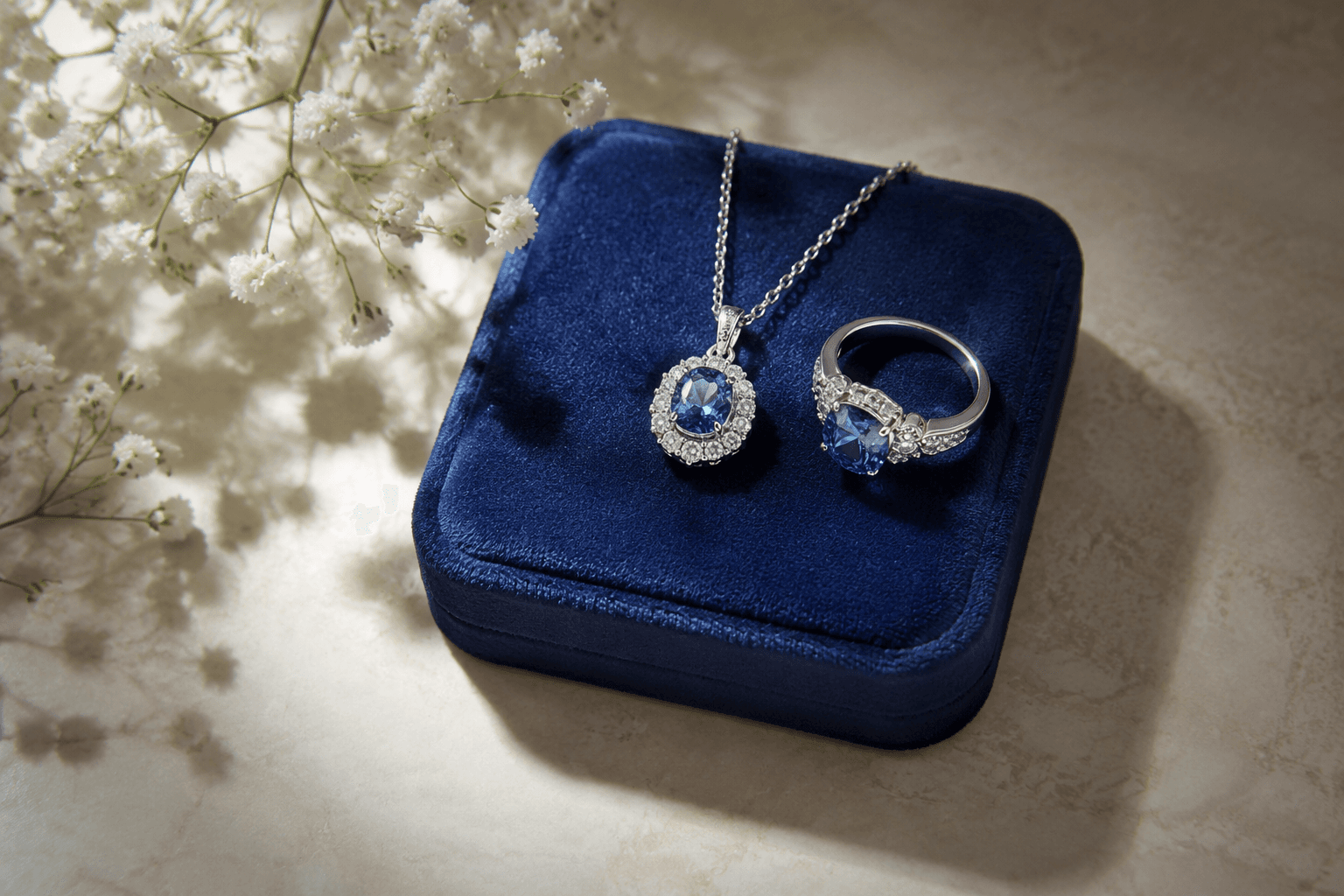
The setting changes the emotional tone of a blue diamond as much as the stone itself. A solitaire feels private and restrained, the kind of choice that lets the color speak without much interruption. A halo increases presence and can make a smaller blue stone read as more ceremonial, while a three-stone design adds a sense of journey and continuity.
The metal and mounting matter too. A prong setting leaves the diamond visually open, which can make the blue look brighter and more animated. A bezel wraps the edge and gives the piece a more contemporary, contained feeling, often with extra protection for daily wear. If the piece is meant to last as an heirloom, the most elegant choice is the one that balances visual lift with structural security.
Think about how the jewel will live on the body. A ring makes the message immediate and personal, a pendant keeps it close to the heart, and earrings make the color feel lighter and more wearable. For a graduation or career milestone, a smaller blue diamond in a clean mounting can feel more intimate than a large, ornate design.
Choose legacy over novelty
Blue diamonds make the most sense when the purchase is tied to a specific chapter. They can mark the leap from one life stage to another, the endurance of a long marriage, or the decision to commemorate a hard-won achievement with something permanent. That is why they work so well as keepsakes: the stone is rare, but the meaning is even rarer when it is chosen carefully.
The Smithsonian National Museum of Natural History houses the Hope Diamond, and that institutional home reinforces how far blue diamonds travel beyond ordinary adornment. Their fame is not only in the stone itself but in the stories attached to it, from museum provenance to GIA’s long-running studies and historical grading work. When a blue diamond carries that level of cultural memory, it becomes easier to understand why collectors return to the category again and again.
A blue diamond chosen well does not simply announce luxury. It gives shape to hope, wisdom and faith, then holds those ideas in a form that can be worn now and passed down later.
This article was produced by Prism’s automated news system from verified source data, official records, and press releases, then run through automated quality and moderation checks before publishing. The system is built and supervised by the people who set the standards it runs under. Read our full AI policy.
Did this article answer your question?