Why pearls keep returning as jewelry’s most enduring staple
Pearls return because they hold memory without locking you into formality. From layered men’s looks to bridal microtrends, they now move easily across every dress code.
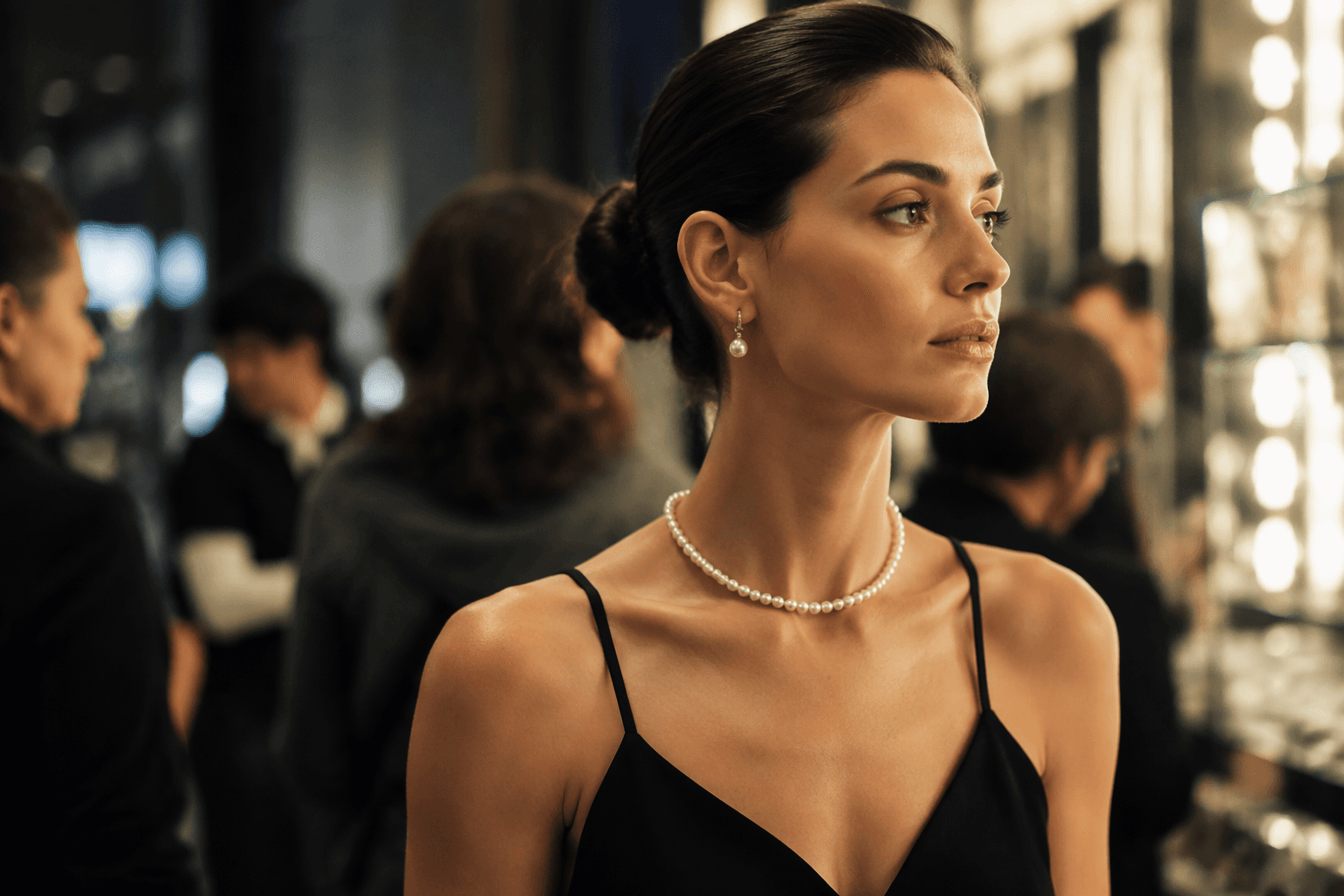
Pearls survive style’s churn because they carry two things at once: inheritance and ease. JCK has been tracing that tension for years, from a 2019 piece that called the category a “pearl renaissance” and said pearls were a “mainstay” in jewelry stores, to later stories that pushed them out of the velvet-lined box and into everyday wardrobes.
Why pearls keep coming back
The reason pearls resurface so often is that they are one of the few gems whose meaning is built into the object itself. A pearl strand still signals ceremony, but JCK’s June 26, 2023 feature, Pearls for Every Day (and Everyone), made clear that the category no longer belongs only to formalwear or bridal dressing. Once a material can move from a special-occasion necklace to a daily staple, it becomes a different kind of luxury: less fragile in practice, even if it remains emotionally loaded.
That emotional weight matters. Pearls are among the rare jewels that can feel inherited even when they are new, which is why they keep being repositioned as pieces for memory, milestone dressing, and personal ritual. JCK’s repeated pearl coverage, from Give It a Pearl to later trend stories such as Pearl Necklace Trends: More Is More and Pearls! Pearls! Pearls! This Season’s Lust-Worthy, Lustrous Trends, shows a category that does not disappear between seasons so much as reappear in fresh dress codes.
The silhouettes that changed the script
What has changed most is not the pearl itself but its silhouette. The old shorthand, a strict single strand or a matched pair of studs, now sits beside baroque pearls, dainty pearl jewels, layered necklaces and sterling silver pairings that read cooler and less ceremonious. That shift is why pearls feel less like heirloom only and more like clothing for the body you live in now.
JCK’s February 21, 2023 story, Men’s Pearls Continue to Score as Fashion-Forward Fans Layer Up, made that evolution plain. Pearls were being worn by men and stacked into layered looks, which matters because it breaks the category free from the old assumption that pearls are inherently feminine, bridal or conservative. Once pearls can sit comfortably on a man in a layered necklace or on a woman in a mixed-metal stack, they stop being a symbol with one script and start behaving like a versatile material.
High jewelry has helped that transition too. JCK’s pearl coverage spans the rarefied end of the market as well as casual styling, so the gem now appears in both showcase pieces and everyday wardrobes. That range is part of the appeal: a pearl can still feel polished enough for a red-carpet neckline, but it can also work with denim, knitwear or a crisp shirt without looking overdressed.
What makes pearls feel modern again
The modern pearl is rarely trying to look perfect. Baroque pearls, with their irregular outlines, soften the old primness of the category and make the gem feel more tactile, more sculptural and less museum-like. Even when the pearl itself is round and classic, the setting or the way it is worn can shift the mood, especially when designers use thinner chains, looser layering or the contrast of sterling silver against the pearl’s glow.
That contrast is one reason pearls keep feeling current. Sterling silver lends a sharper, cooler edge than the old default of highly polished yellow gold, while dainty pearl jewels make the material feel less formal and easier to wear every day. The result is not a rejection of tradition but a recalibration of it: the pearl remains recognizably elegant, just without the obligation to be precious in a stiff, ceremonial way.
Milestones without the museum effect
Pearls are especially compelling when life calls for a piece that means something but does not look locked in a past decade. JCK’s pearl bridal microtrend story, Are Pearl Engagement Rings Really a Thing?, placed the gem in one of jewelry’s most emotionally loaded categories, and that is exactly where pearls gain another layer of relevance. A pearl engagement ring is niche, but its existence tells you how far the material has traveled beyond the necklace case.
For milestones, that flexibility matters. A single strand can still anchor a wedding look, but a baroque pendant, a pearl ring or a layered mix of pearls with other fine jewelry can mark the same occasion with less formality. The trick is to let the pearl carry the sentiment without forcing the entire outfit into classic bridal language.
- Pair one classic element with one relaxed one, such as a pearl strand with a sharply tailored jacket or a pearl pendant with a simple knit.
- Choose baroque pearls when you want movement and texture, especially if the rest of the look is minimal.
- Use layered lengths to break up the old single-strand formality and make the jewelry feel lived-in.
- Let sterling silver or mixed metals cool the sweetness of the pearl and keep the look contemporary.
A few styling rules make that easier:
That is the real reason pearls keep returning: they can still signify memory, ceremony and refinement, but they are no longer confined to the moments that once defined them. JCK’s pearl coverage has followed the same arc for years, and the pattern is clear enough now to read as more than nostalgia. Pearls endure because they can hold the past without dressing the wearer in it.
This article was produced by Prism’s automated news system from verified source data, official records, and press releases, then run through automated quality and moderation checks before publishing. The system is built and supervised by the people who set the standards it runs under. Read our full AI policy.
Did this article answer your question?