Couture jewelry shifts as consumers seek meaning, craftsmanship and value
The luxury middle is getting squeezed, while buyers chase pieces that feel personal, collectible or investment-worthy.
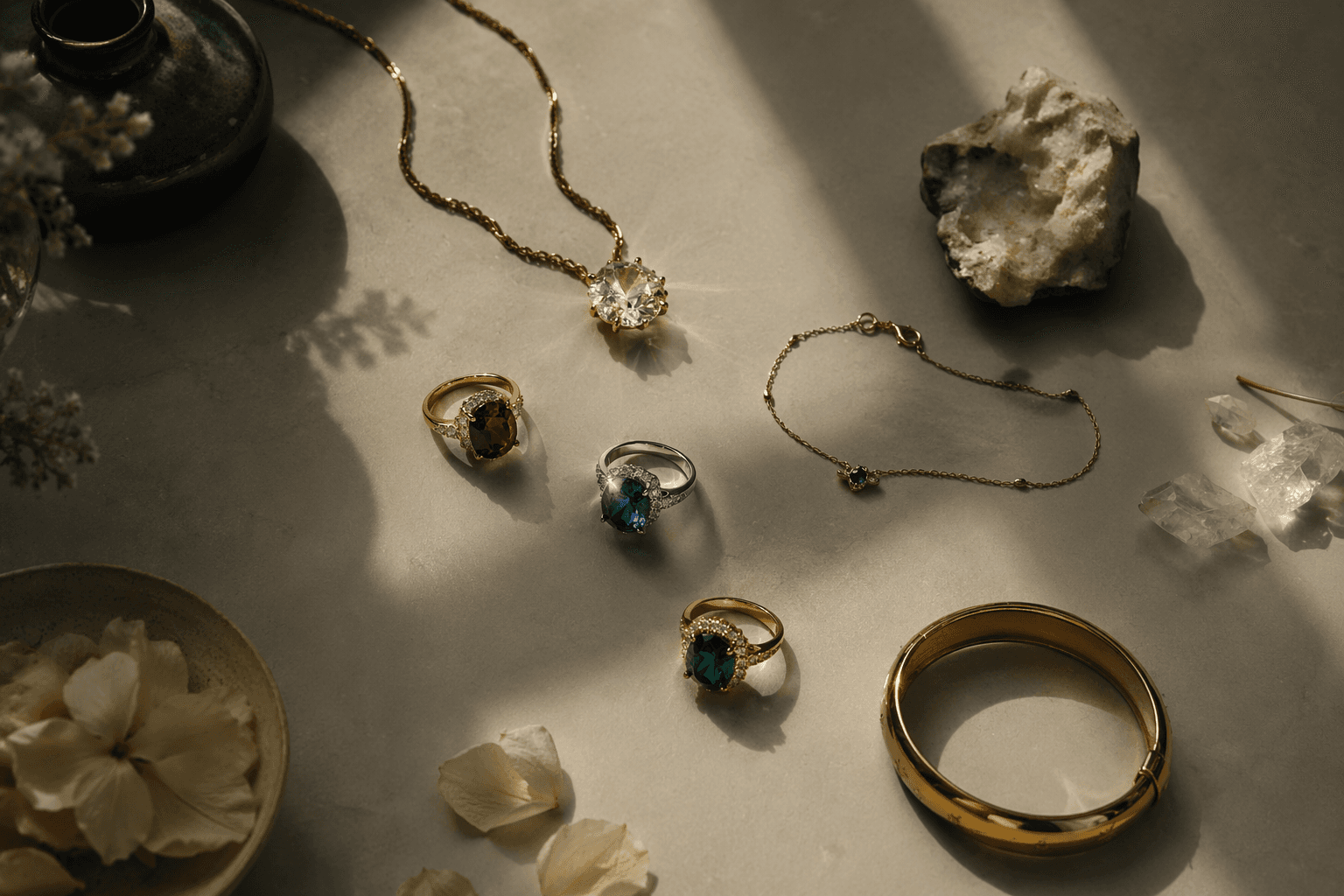
Meaning is overtaking the old middle-market luxury pitch. At Couture in Wynn Las Vegas, the strongest jewelry was not simply the most expensive, but the most legible: pieces with craftsmanship, longevity and a story buyers could claim as their own.
The market is splitting in plain sight
The 2026 Couture show ran from May 27 to May 31 at Wynn Las Vegas, and the mood on the floor reflected a market that is no longer moving as one. National Jeweler analyst Edahn Golan has described the U.S. jewelry business as increasingly split into two consumer groups, with the middle shrinking. Buyers under $1,500 were purchasing fewer pieces than they had the year before, while shoppers above $1,500 were spending significantly more overall.
That higher-end growth is not just a story of richer shoppers paying more per item. Golan said the gains were driven mainly by more units sold, which is a crucial distinction: demand at the top is broadening even as the center softens. Bridal jewelry, diamond stud earrings and tennis bracelets have been especially strong, and they remain most often set with natural diamonds, a reminder that classic forms still command trust when the broader market feels unsettled.
Why the middle is under pressure
The squeeze on the middle is not happening in isolation. It sits inside a wider shift in how customers define value, with fewer people buying an interchangeable piece just to fill a category gap. Retailers at Couture described customers who are buying fewer jewelry items overall but choosing pieces with lasting wear, personal significance or investment value. That changes the way brands have to speak, because the old language of aspirational but undifferentiated luxury is losing ground.
This is where the K-shaped market becomes visible. At one end, the buyer can spend more freely on a substantial piece, often with a clear milestone in mind. At the other, the buyer wants a lower-cost jewel that still feels intimate, symbolic or easy to wear every day. The pieces being squeezed are the ones that offer neither strong emotional pull nor unmistakable material substance.
Gold prices have changed the way jewelry is built
The material story is as important as the market story. Surging gold prices in 2025 and 2026 have pushed independent jewelers and designers to rethink construction, production and even scale. Some are reducing the weight of solid gold pieces, while others are pressing platinum and silver into more active use to control costs without abandoning the polish that customers expect.
That shift matters because it changes what a piece feels like in the hand. Thinner gold sections, smaller gold constructions and mixed-metal approaches can preserve design intent, but they also make the economics visible to anyone paying attention. The best brands are not hiding that pressure; they are turning it into a conversation about craft, durability and how material choices affect both value and wearability.
Storytelling has become part of the setting
WWD’s Couture coverage pointed to a floor full of colorful gemstones, personal storytelling, vintage influences and narrative-driven design. That mix is not decorative noise. It reflects a broader appetite for jewelry that reads as identity, memory and self-expression rather than only a reward for a formal occasion.
The strongest contemporary pieces are often the ones that make their material choices part of the message. A vintage-inspired silhouette, a gem with an unusual color, or a setting that references an heirloom shape can carry more emotional weight than an anonymous high-polish classic. Found materials and other unconventional elements also signal that the meaning of luxury is widening, especially for buyers who want a piece to say something specific about them.
What meaningful jewelry now has to do
For retailers and designers, the question is no longer simply whether a jewel is beautiful. It is whether the piece has enough substance, whether physical or emotional, to justify the purchase in a market that is more selective at both ends. That is why high jewelry and entry-level styles are being positioned differently: the first must feel singular and investable, while the second must feel personal enough to escape commodity status.
The best guideposts for buyers are increasingly concrete:
- Ask what the piece is actually made of, not just what it looks like. Gold weight, platinum content and silver use all affect value and wear.
- Look for settings and constructions that match the stone. Natural diamonds continue to anchor bridal, studs and tennis bracelets because they still carry broad market confidence.
- Pay attention to whether the story is backed by design. Color, vintage references and narrative motifs mean more when they are reflected in the build, not just the copy.
- Treat smaller gold pieces carefully. When gold has been pared back, craftsmanship has to do more of the work.
That is the real lesson from Couture this season. Jewelry is not disappearing into abstraction; it is becoming more specific. Buyers still want beauty, but they want a reason to keep it, wear it and believe in it, which is why meaning, craftsmanship and value now sit at the center of the conversation.
This article was produced by Prism’s automated news system from verified source data, official records, and press releases, then run through automated quality and moderation checks before publishing. The system is built and supervised by the people who set the standards it runs under. Read our full AI policy.
Know something we missed? Have a correction or additional information?
Submit a Tip