SSEF warns of emerald fraud involving cleaned stones and older reports
SSEF says some emeralds are cleaned, retested, then quietly refilled with oil or resin, leaving older reports to disguise a fresh treatment.
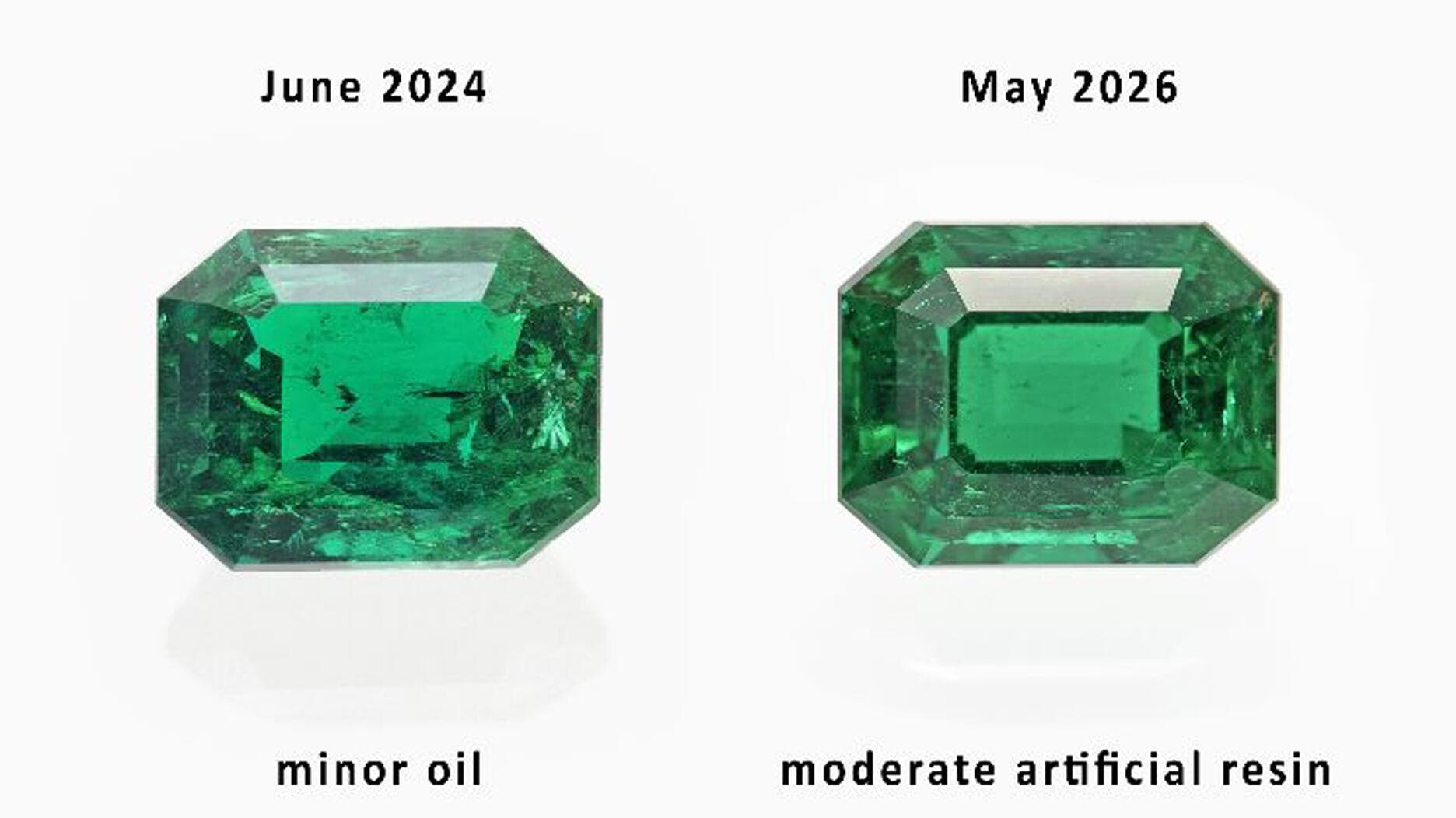
A clean-looking emerald can inspire instant trust, but that confidence can be badly misplaced when the stone has been altered after it was tested. The Swiss Gemmological Institute SSEF issued a trade alert on June 15, 2026, warning that some emeralds are being cleaned, retested, and then refilled with oil or artificial resin after a laboratory report has already been issued.
The pattern is as troubling as it is simple. Sellers chemically clean emeralds, often stripping out earlier artificial resin, submit the stone for testing, and receive a report that may show no clarity modification or only minor clarity modification at the time of testing. The stone is then refilled before sale, while the older report remains in circulation. SSEF says that can happen in just a few minutes, even after a gem has already been tested.

That is why disclosure matters. Emeralds naturally develop fissures, and filling those fissures with colorless substances such as oil, wax, natural resin, or artificial resin has long been accepted in the trade. But the treatment must be disclosed because it directly affects value. SSEF says its reports identify the filler substance and the amount present, using a full-disclosure system that distinguishes none, minor, moderate, and significant filler. The lab also stresses that its reports describe only the stone’s condition at the time of testing, and that the photo on the report is representational, not a guarantee of current appearance.
For buyers, collectors, and jewelers, the practical question is chain of custody. SSEF advises checking report authenticity and validity on myssef.ch and having any fissured emerald retested immediately before purchase if the report is not recent or the stone looks unusually clean compared with the fissures visible in the gem. Sellers, SSEF says, should never circulate a report after a stone has been cleaned, refilled, or otherwise altered. If a stone is later resubmitted for a recheck or a report update, it receives a new report number, a reminder that an older document is not a current passport.

SSEF has been warning about this for years. In March 2016, the lab adopted more descriptive wording for emerald clarity modification, and in a 2017 article by Dr. M. S. Krzemnicki, SSEF noted that many emeralds are submitted more than once because fissures are cleaned or filled again and again. The lab has also warned that strong acidic solutions, mechanical tumbling, and ultrasonic cleaning can make emeralds brittle and prone to chipping or cracking, especially in Colombian stones, which often contain many fissures. Under LMHC guidelines, and in line with CIBJO’s colored-stone standards, the message is clear: a meaningful emerald is only as honest as its latest treatment disclosure.
This article was produced by Prism’s automated news system from verified source data, official records, and press releases, then run through automated quality and moderation checks before publishing. The system is built and supervised by the people who set the standards it runs under. Read our full AI policy.
Know something we missed? Have a correction or additional information?
Submit a Tip