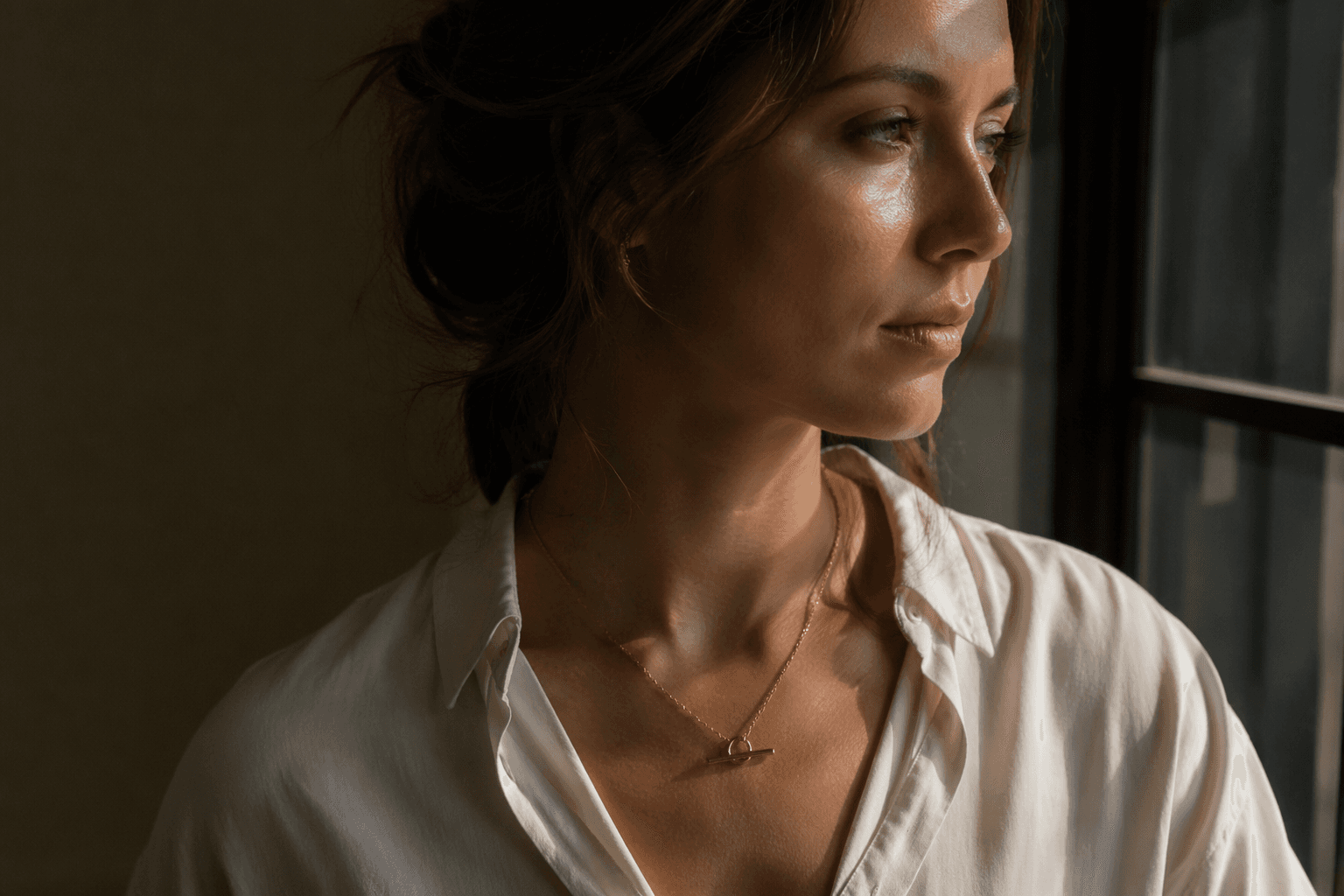
De Beers expands Desert Diamonds bridal with 200 new warm-toned designs
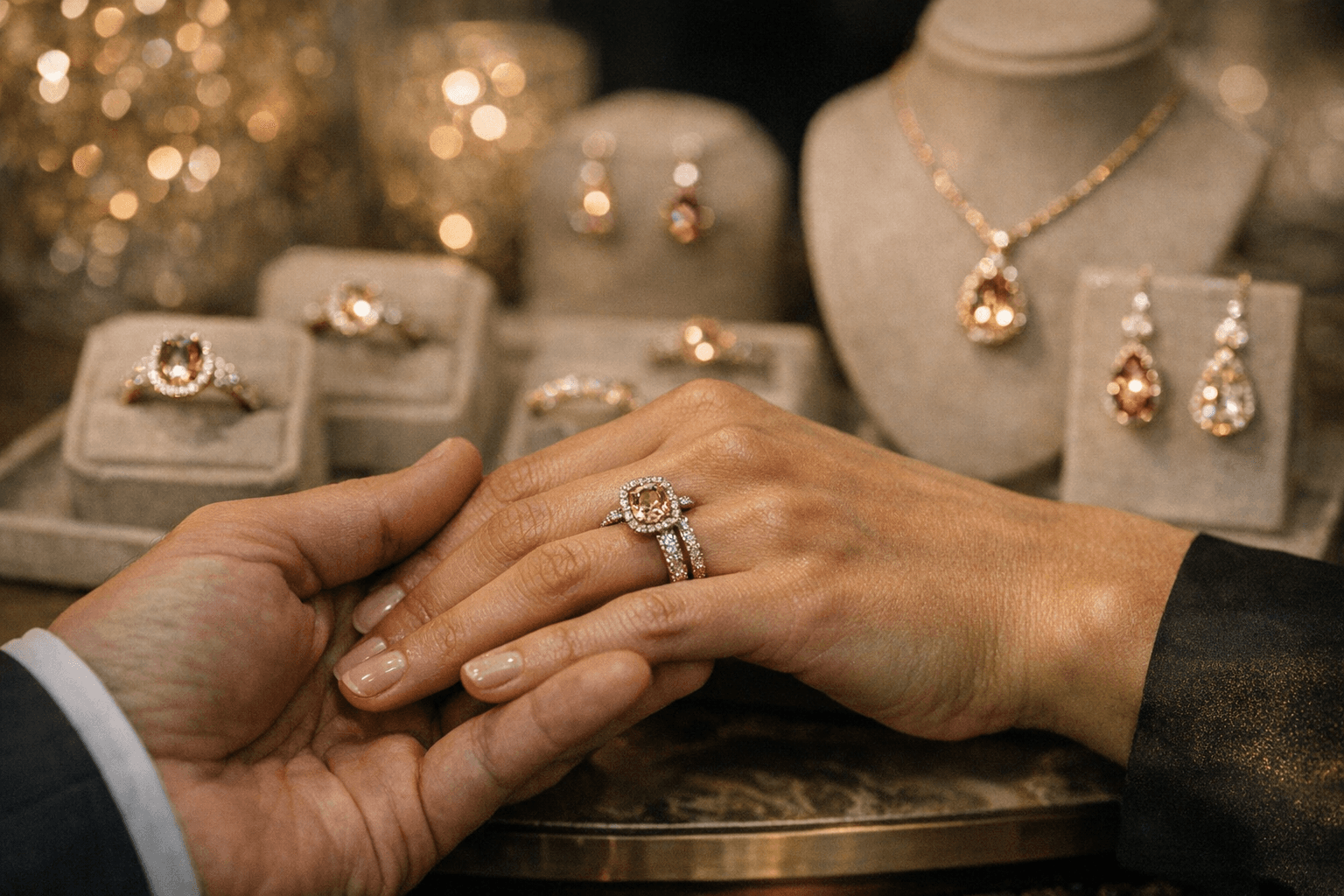
De Beers is turning bridal toward warmth, with 200-plus Desert Diamonds designs that make color feel intimate, not secondary. The new palette reads like a love language: champagne, honey, blush and cognac.
A new bridal default is taking shape
For years, engagement-ring shorthand has treated colorless as the ideal. De Beers is pushing that hierarchy aside with Desert Diamonds, a bridal expansion built around 200-plus new designs in warm, earth-toned diamonds that make the case for personality over perfection. The result is less about abandoning tradition than rewriting it: a diamond can still signal commitment, but now it can also suggest mood, memory, and a more individual sense of style.
That shift matters because the center stone has always carried more than carat weight. A ring is one of the few pieces of jewelry expected to live on the hand every day, which makes its color and setting feel almost autobiographical. By framing warm stones as the new emotional register of bridal, De Beers is offering an alternative to the classic white solitaire that feels softer, less prescribed, and far more specific to the wearer.
What Desert Diamonds is really selling
The new bridal campaign launched in the United States on April 13, 2026, after being announced on April 9, and it arrives as an industry-wide umbrella program rather than a single boutique collection. De Beers says the goal is to reignite demand for natural diamonds by giving retailers and designers a shared visual language: stones in champagne, honey, blush, and cognac tones, set into familiar engagement-ring archetypes that still feel broadly wearable.
That mix is smart. A solitaire in a warm stone does not read like a radical departure so much as a subtle correction, while three-stone rings, diamond bands, and eternity-style pieces let the palette spread across more kinds of bridal shopping. The campaign includes more than 200 new designs, and that breadth gives the concept room to work for both first-time buyers and collectors who want a ring with a little more character than the default white brilliant.
How each tone changes the mood of the ring
The most useful way to read Desert Diamonds is as a color language rather than a single trend. Champagne carries the most obvious bridal ease: luminous, restrained, and versatile enough to read as modern without losing polish. It is the tone for someone who wants warmth, but still wants the ring to feel quietly classic.
Honey is richer and more intimate. It suggests glow over sparkle, which gives the stone a candlelit quality that flatters yellow gold, bezel settings, and softer ring profiles. Blush brings the most romantic register of the group, with a tender pink cast that feels delicate without tipping into preciousness. Cognac is the most dramatic choice, the one that reads as confident, editorial, and slightly unexpected, especially in bold solitaire mounts or wide bands.
Taken together, the palette offers something the traditional bridal market often avoids: visible personality. A colorless stone can be elegant; a warm stone can feel authored.
Who this trend is courting
De Beers is clearly speaking to a buyer who wants meaning with texture. The brand has described today’s couples as wanting jewelry that feels authentic, rare, deeply personal, and expressive of individuality. That language tracks with the broader bridal mood, where many shoppers are looking for rings that feel chosen rather than inherited from a template.
This is also why the campaign’s cultural timing is shrewd. Warm-toned diamonds have been gaining visibility on celebrities including Bad Bunny, Doja Cat, and Teyana Taylor, and Taylor Swift’s engagement ring has become a widely discussed reference point for a candlelight-toned stone. In other words, the aesthetic has already crossed from niche into recognizable shorthand, which makes it easier for a bride or groom to imagine the look on a hand without needing a full explanation.
The retail strategy behind the romance
Desert Diamonds is not being pushed as a luxury-only idea confined to a single flagship. De Beers says the campaign will be supported across digital, social, outdoor, experiential, publishing, and retail channels, with an estimated reach of 25 million American consumers. It also spans more than 60 designers, including Kindred Lubeck, whose work is being highlighted alongside the launch, and it is being sold through both independent jewelers and larger chains such as Jared Jewelers and KAY Jewelers.
That distribution matters because bridal is often won at the counter, not the billboard. De Beers says independent retailers involved in the first Desert Diamonds rollout reported increased foot traffic and more bridal inquiries, which suggests the concept is translating into conversation as well as visibility. For shoppers, that usually means more chances to see warm stones in person, where the color shift from champagne to cognac is much easier to appreciate than on a screen.
Why De Beers is making this move now
The strategic backdrop is impossible to miss. Desert Diamonds first launched to consumers in October 2025 as De Beers’ first new beacon in more than a decade, backed by the company’s largest category marketing investment in over ten years. De Beers says research and creative testing found that more than 90% of consumers would like to own and consider purchasing a desert diamond, and that the concept generated more than 250,000 mentions and 450 million digital views over two years.
That momentum gives the bridal expansion a built-in argument: if warm stones can move from conversation to category, they become a useful answer to the rise of lab-grown diamonds and the growing desire for jewelry that feels singular. Sandrine Conseiller, who leads De Beers Brands & Diamond Desirability, has framed the success of Desert Diamonds as proof that consumers are drawn to what is real, rare, and personal, and that logic sits at the center of this launch. In that sense, the campaign is not simply about color. It is about reclaiming natural variation as a form of desirability.
What the shift means for the ring on your hand
Desert Diamonds makes a clear editorial point: bridal no longer has to mean white by default. A champagne solitaire reads as understated confidence, honey feels warm and lived-in, blush leans romantic, and cognac gives the category some much-needed depth. The stronger message is not that one tone replaces another, but that engagement rings are becoming more legible as personal objects, shaped by taste, mood, and cultural reference rather than tradition alone.
For a category built on symbolism, that is a meaningful recalibration. The most persuasive rings are the ones that seem to have earned their place, and Desert Diamonds is betting that warmth can now carry that authority.
This article was produced by Prism’s automated news system from verified source data, official records, and press releases, then run through automated quality and moderation checks before publishing. The system is built and supervised by the people who set the standards it runs under. Read our full AI policy.
Did this article answer your question?