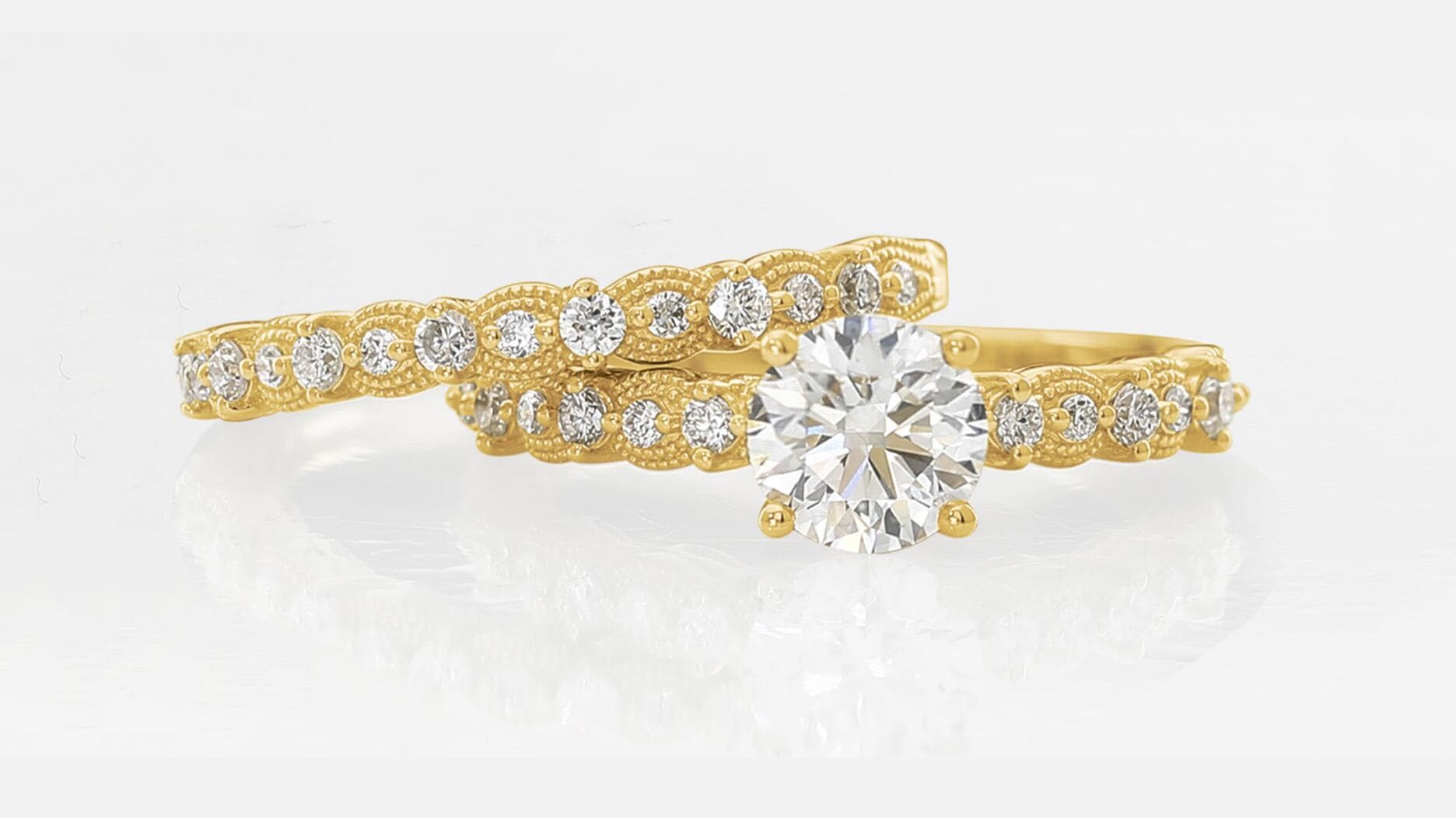
Laopu Gold sparks rush into China’s heritage-coded luxury jewelry market
Laopu Gold turned heritage gold into a luxury signal, and rivals are rushing in with ancient-method pieces priced far above standard bullion.
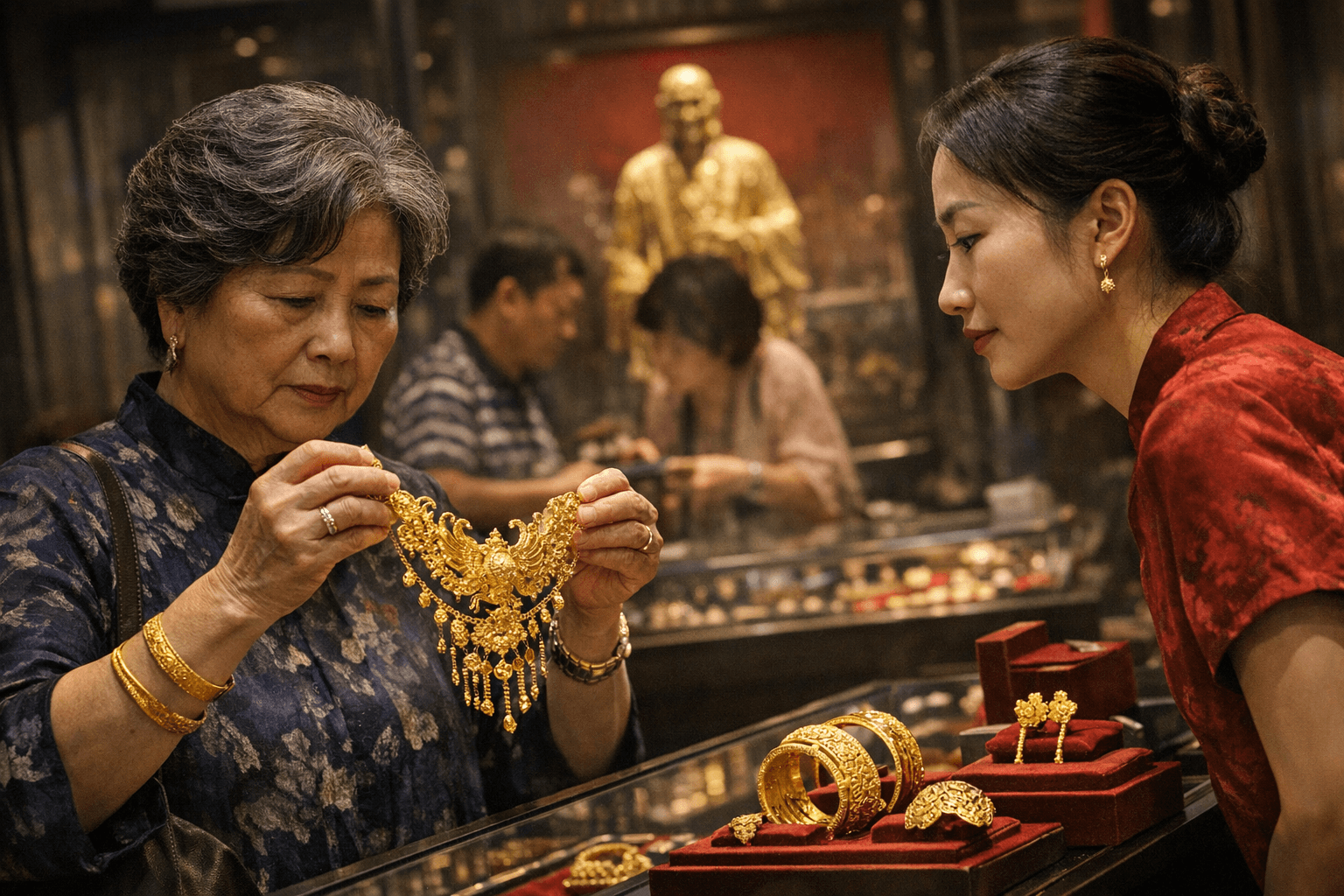
Laopu Gold has turned a corner of the gold market that once looked niche into a luxury signal young buyers can spot from across a mall. Its rise has pulled a wave of competitors into China’s gufajin, or ancient-method gold, category, where the pitch is no longer ounces and weight alone but craftsmanship, cultural memory and the feel of an object that can earn its place in a jewelry box.
The timing is striking. The World Gold Council said full-year 2024 global jewellery demand fell 11%, with China the biggest source of weakness in volume. Reuters reported that China’s gold consumption fell 11.18% in the first three quarters of 2024, while gold-jewelry consumption dropped 27.53% to 400.038 metric tons. Yet within that softer market, heritage-coded gold kept its pull, suggesting that buyers are not abandoning gold so much as demanding more meaning from it.
Laopu’s numbers explain why rivals are moving fast. The company said 2024 revenue reached 8.506 billion yuan, up 167.51% from a year earlier, while net profit attributable to shareholders rose 253.86% to 1.473 billion yuan. Same-store revenue growth exceeded 120.9%, average sales per mall were about 328 million yuan, and the chain ended the year with 36 self-run stores after adding seven and optimizing four more. In investor materials, Laopu said it had nearly 2,000 original designs, along with 249 domestic patents, 1,314 copyrights and 228 foreign patents as of Dec. 31, 2024, a reminder that the brand is trying to make tradition defensible, not just decorative.
The category is filling quickly. WWD named Jemper, Lamchiu, Baowangfu and the Kering-backed Borland as competitors now betting on store openings to build awareness and sales. Borland has said it raised more than 100 million yuan from investors including Kering Ventures and Shunwei Capital, a sign that outside capital sees more than a fad. Lamchiu, rooted in Lanzhou and family gold-processing history, has also benefited from livestreaming; recent reporting says its handmade pieces can take months to craft and its annual revenue surpassed 500 million yuan as of November.
A separate market report said Laopu was founded in 2009 and pioneered diamond-inlaid pure-gold jewelry in 2019, a design move that helps explain its pricing power. Unit prices above 1,400 yuan per gram, versus roughly 700 to 900 yuan per gram for traditional gold brands, recast gold from commodity to status object. That premium only works when the piece reads as culturally legible and visibly worked, with the kind of detailing that makes buyers feel they are wearing heritage, not just metal.
The larger shift is bigger than one Chinese chain. Heritage gold is becoming a template for symbolic jewelry: heavy with identity, precise in craftsmanship and convincing enough to make bullion look modern again.
This article was produced by Prism’s automated news system from verified source data, official records, and press releases, then run through automated quality and moderation checks before publishing. The system is built and supervised by the people who set the standards it runs under. Read our full AI policy.
Did this article answer your question?