Gold Prices Drive Shoppers Toward Vintage, Investment-Worthy Jewelry
Gold's record run is pushing shoppers toward vintage and heirloom jewelry, and Randi Molofsky says permanence is now part of the purchase decision.
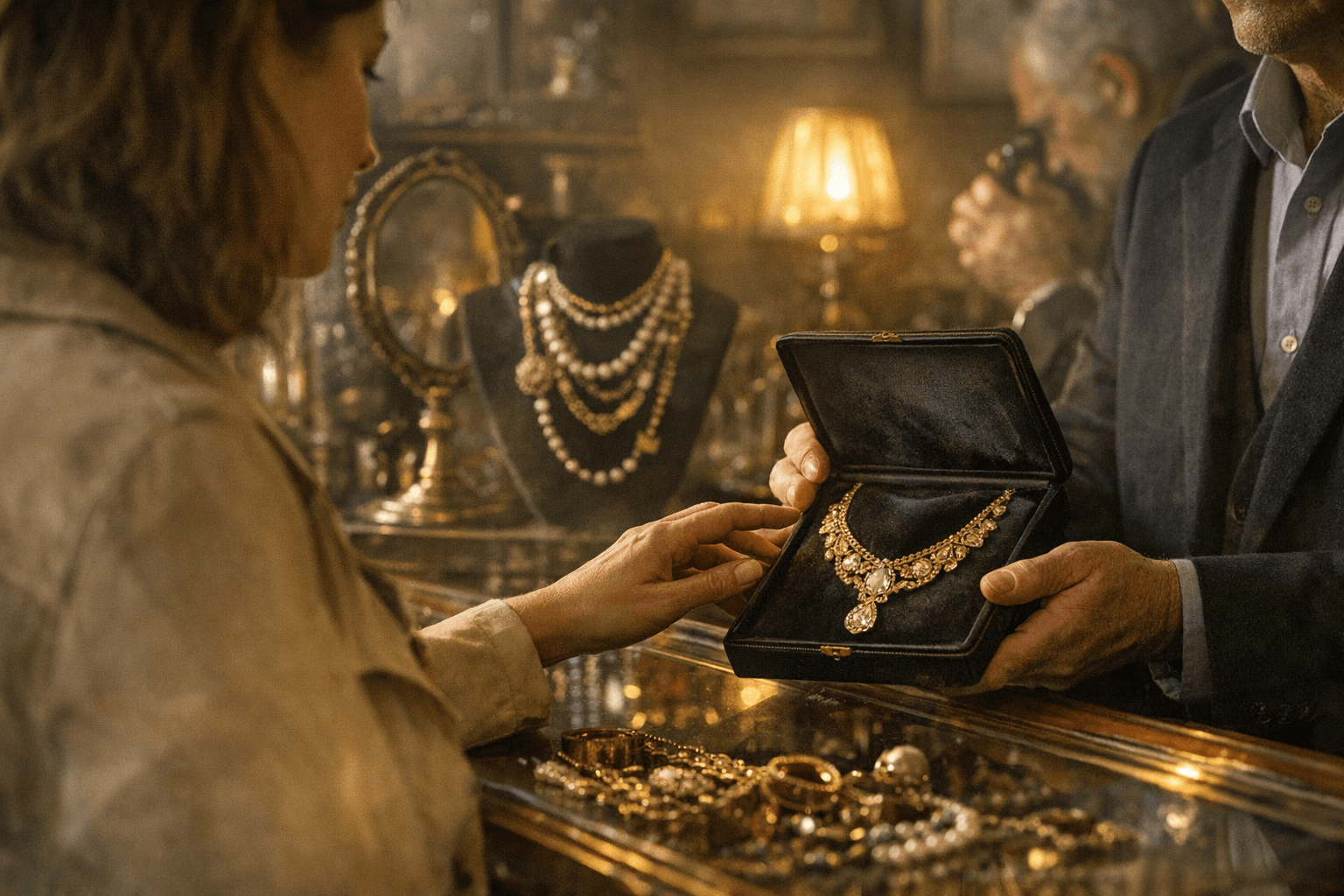
Rising gold prices are changing the language of jewelry shopping. Randi Molofsky sees buyers weighing more than sparkle now, with price and permanence sitting beside beauty in the decision, and that shift is pushing gold jewelry, vintage pieces, and investment-minded buys that can be passed down rather than worn once and forgotten. Floral jewelry and alternative materials still have an audience in fine jewelry, but the conversation has become more practical: what holds value, what lasts, and what carries a story worth inheriting.
Molofsky, the founder of For Future Reference, has built that argument into her own business. Her vintage arm, For Future Reference Vintage, grew from a long working relationship with Excalibur, a Los Angeles estate-jewelry supplier run by a father-daughter team that has been in the trade since 1981. The line now has a permanent display at Bergdorf Goodman, a sign that estate and antique jewelry has moved from a niche collector's lane into a luxury retail showcase. Molofsky has said she wants vintage to feel more approachable by making jewelry education and the vintage market easier to understand, and that framing matches the moment: shoppers want meaning, but they also want receipts, history, and enough confidence to hand a piece down later.
The broader market backdrop helps explain why the pivot is sticking. The World Gold Council said total gold demand in the third quarter of 2025 reached 1,313 tonnes, a record quarterly total, while the value of that demand hit US$146 billion, up 44 percent from a year earlier. Safe-haven buying, diversification, and price-driven purchases all fed that surge. At the same time, CNBC reported in March 2026 that wealthy consumers were increasingly buying jewelry as an investment as volatility and uncertainty pushed them toward tangible assets, especially rare colored gemstones. For high-end shoppers, the logic has shifted from resale alone to a mix of liquidity, rarity, and personal attachment.
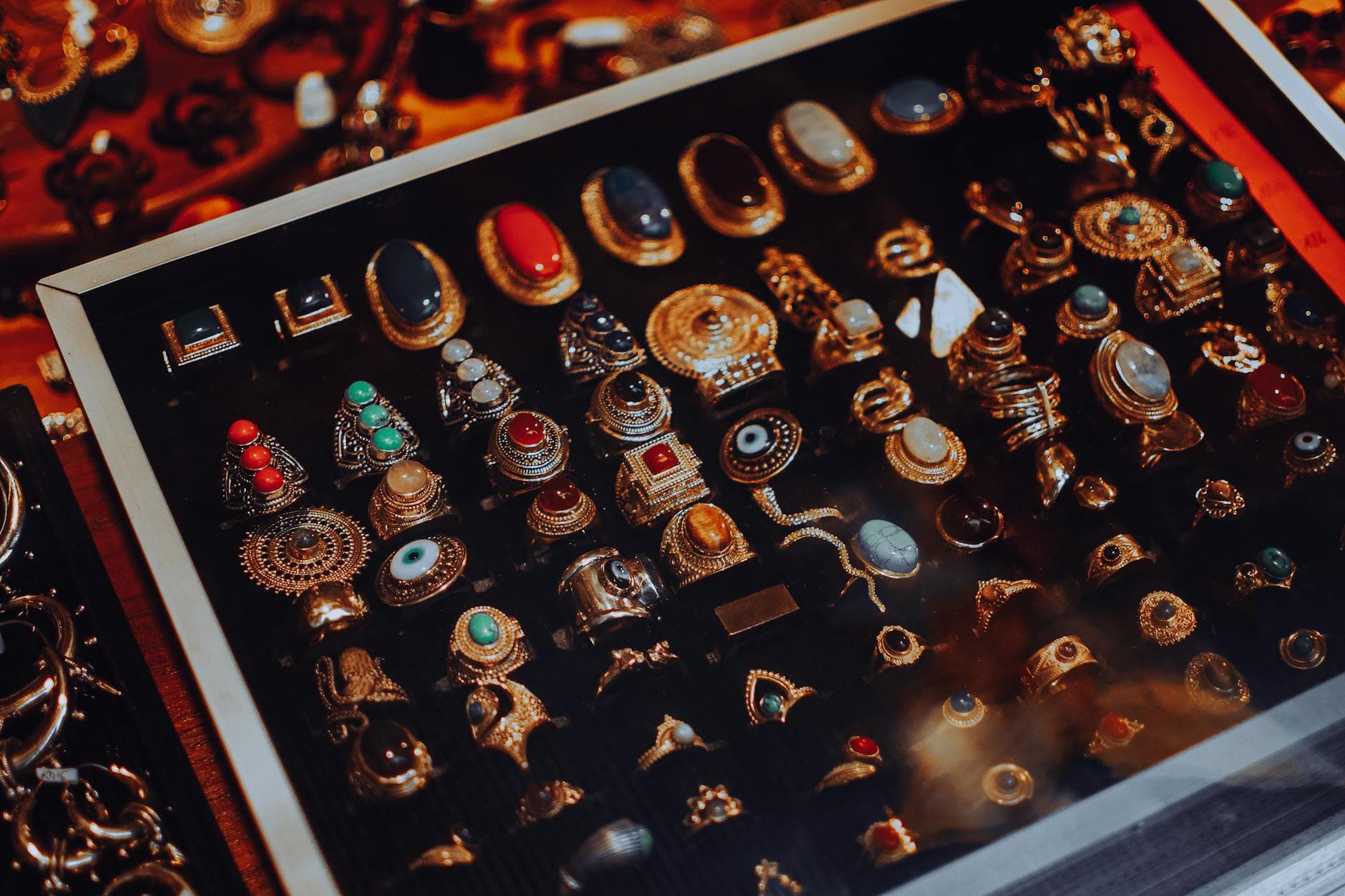
That is the real decoder for this market. Trend buying is driven by a look, a moment, or a seasonal silhouette. Legacy buying asks harder questions: who made it, how it was built, whether the materials can be verified, and whether the piece has the kind of provenance that survives fashion cycles. In a year when gold has become more expensive and vintage has become more visible, the strongest purchases are the ones that can live on the wrist or neck today and in a family jewelry box tomorrow.
This article was produced by Prism’s automated news system from verified source data, official records, and press releases, then run through automated quality and moderation checks before publishing. The system is built and supervised by the people who set the standards it runs under. Read our full AI policy.
Did this article answer your question?