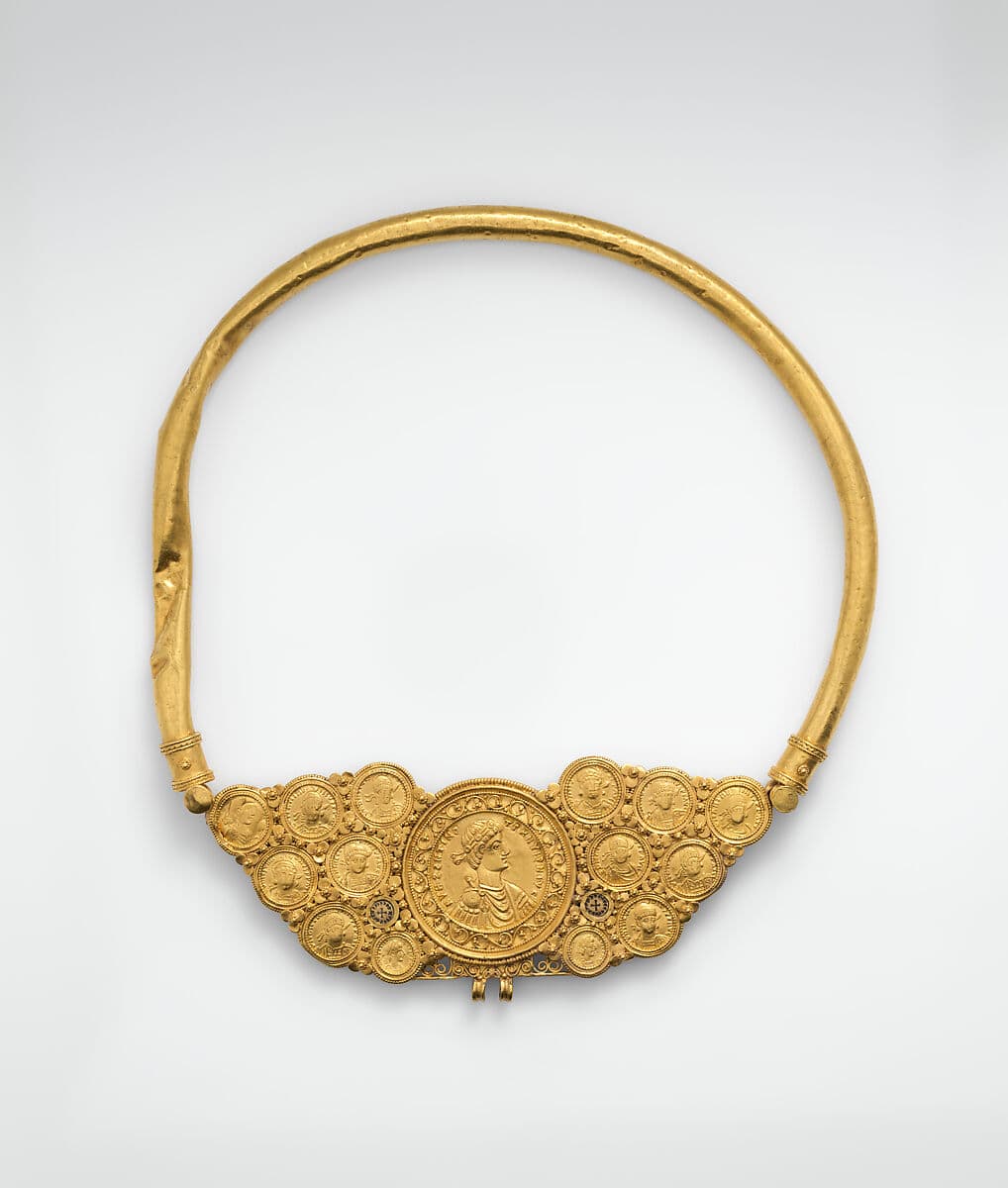
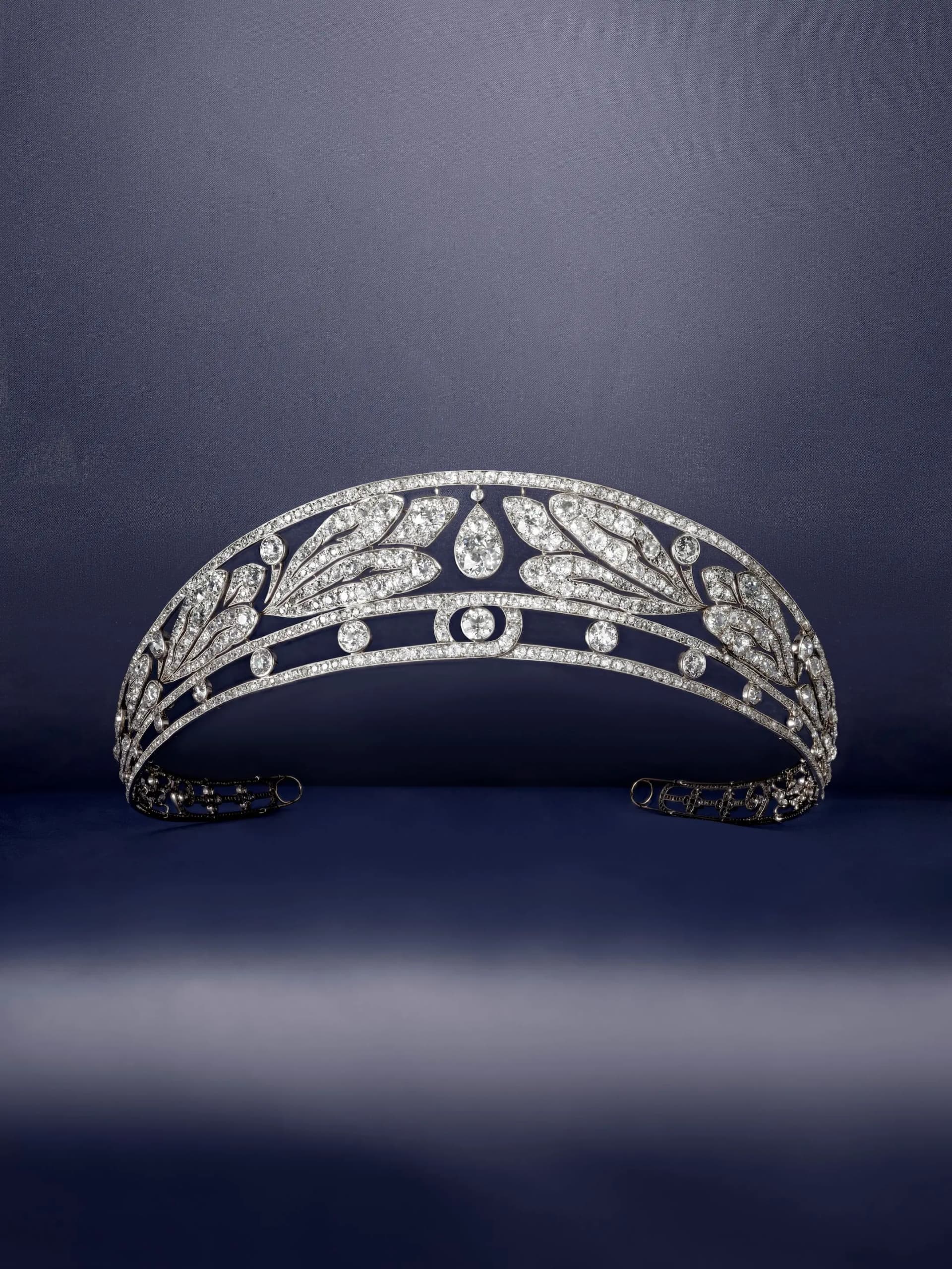
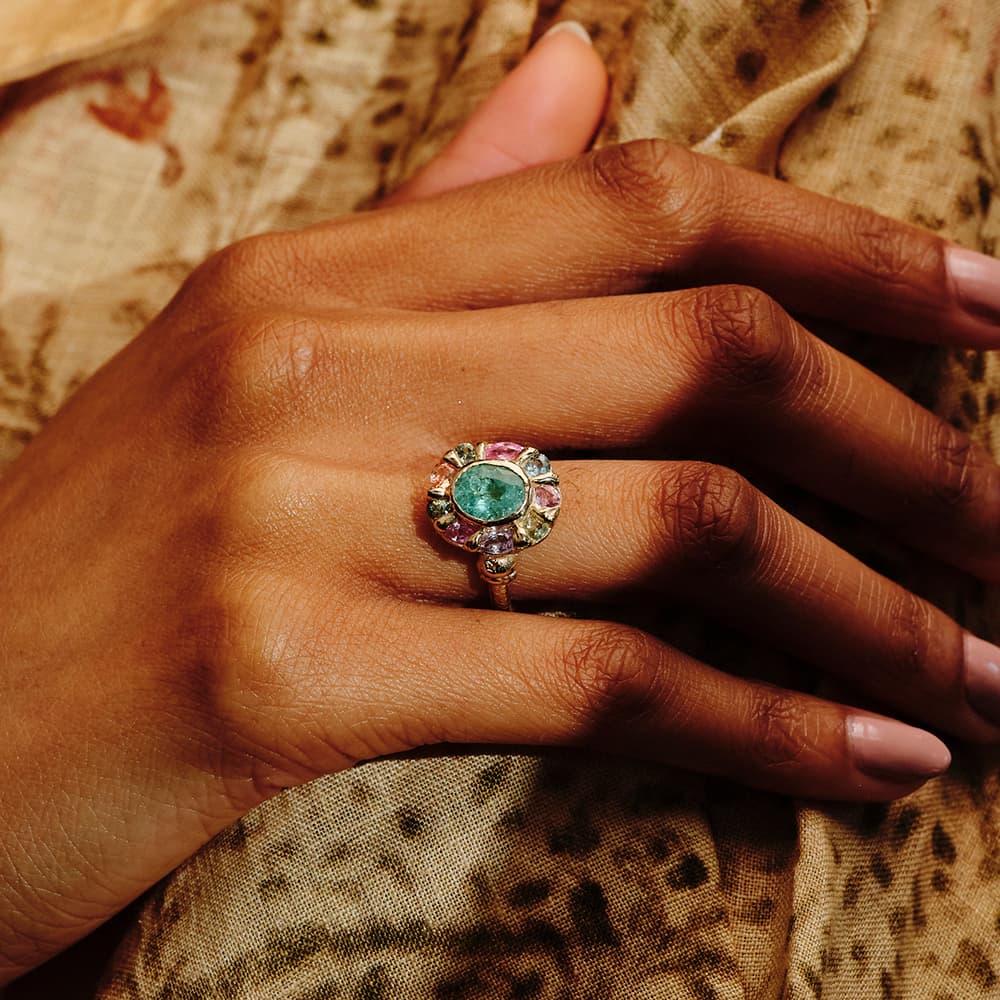
How cameo jewelry turned personal symbolism into wearable art
Cameos turn a profile into a private emblem, and the Met’s holdings show how one carved face can carry empire, devotion, memory, and style.
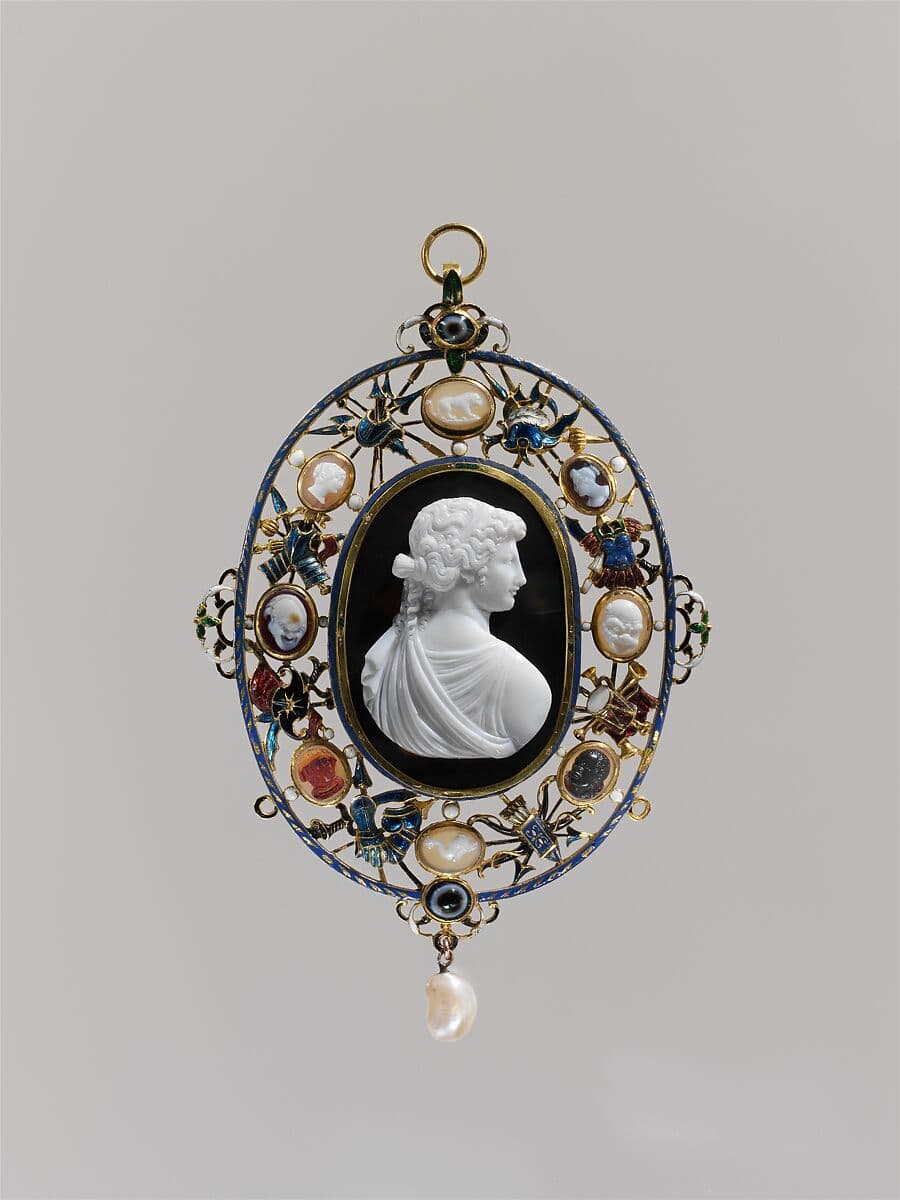
A cameo condenses a face, a myth, or a memory into a sliver of shell or stone, which is why the form still feels so intimate. It is jewelry as wearable identity: small enough to sit at the throat or on a lapel, specific enough to signal who is being remembered, admired, or claimed.
Why the cameo reads like a private portrait
The Metropolitan Museum of Art traces cameo carving from Greco-Roman antiquity through the nineteenth century, and that long span explains why the form never reads as just decorative. Profiles have always been personal because they reduce identity to outline, hairline, and nose, the features that survive in silhouette even when the rest is compressed into a few centimeters of material.
The museum’s Department of European Sculpture and Decorative Arts oversees roughly 250 small, highly wrought hard-stone cameos, a scale that makes clear how central the category is to ornamental art. Cameos also carry an unusually broad emotional range in the Met’s own collection, where subjects include Augustus, George Gordon, Lord Byron, Elizabeth I of England, Priam, and religious figures. The same format can therefore move from imperial power to literary celebrity, from monarchy to devotion, without losing its basic language of recognition.
How to tell a cameo from an intaglio
The difference is structural, and once you see it, you cannot unsee it. In an intaglio, the relief is incuse, cut into the stone. In a cameo, the drill removes the background so the composition rises in relief, which is why a cameo reads less like an engraving and more like a tiny sculpture.
That raised surface is what gives a cameo its tactile force. The figure catches light at the brow, nose, and chin, while the field behind it falls away, creating the crisp contrast that makes the portrait stand out even in a modest setting. The effect is especially strong in banded materials, where the artisan can use natural color layers to sharpen the separation between figure and ground.
The Met’s 2005 exhibition, Cameo Appearances, was built around that distinction. It ran from March 8 to October 30, 2005 in the Special exhibition gallery in the European Sculpture and Decorative Arts Galleries, and it placed more than 160 superb examples of hardstone carving on view. James David Draper arranged a survey of about 100 examples for the publication, giving the museum a concrete framework for showing cameo carving as a serious art form rather than a relic of taste.
The materials tell you as much as the image
Material matters in a cameo because it shapes both the carving and the mood. The Met’s collection includes examples in sardonyx, onyx, chalcedony, shell, and jasper, all of which behave differently under the cutter’s tools. Hard-stone cameos in particular reward patience, because the artist has to work around natural bands and layers to make the raised image read with clarity.
Shell cameos became especially popular in later centuries because they are easier to carve and often offer strong contrast between the pale figure and darker ground. Hard-stone examples have a different authority: sardonyx, onyx, chalcedony, and jasper produce a sharper, denser presence, and they tend to feel more lapidary than decorative. The exhibition’s inspiration, a recent acquisition of a magnificent jasper carving of the head of Medusa by Benedetto Pistrucci, shows why jasper still matters to collectors who want surface tension and visual depth.
The 2005 show also highlighted Neoclassical Italian cameo makers whose names remain central to the category: Benedetto Pistrucci, Giuseppe Girometti, and Luigi Saulini. Girometti was a Rome-based Italian gem carver active from 1780 to 1851, while Saulini worked from 1819 to 1883. Those dates place cameo carving squarely inside the neoclassical taste for antiquity, when carved profiles and classical subjects carried educated, self-conscious style.
Subjects, settings, and why cameos feel heirloom-like
Cameos are rarely anonymous. Their subjects often tell you exactly what kind of meaning the wearer wanted close to the body: Augustus for imperial continuity, Byron for literary self-fashioning, Elizabeth I of England for dynastic memory, Priam supplicating Achilles for the body of Hector for classical pathos, and the Virgin and Child for devotion. That range is what makes the form so durable in the language of meaningful jewelry: a cameo can commemorate, flatter, pray, or proclaim.
The setting matters just as much as the carving. The Met’s collection includes a parure, a coordinated tiara, necklace, and brooch with cameos carved by Luigi Saulini, all mounted in onyx and gold. Another museum piece, Priam Supplicating Achilles for the Body of Hector by Giuseppe Girometti, is also mounted in gold, which shows how a cameo becomes more than a loose carving once it is framed by metal and worn as part of a larger jewel.
If you are judging a cameo for yourself, the first question is whether the carving is actually hand-cut and how cleanly the relief rises from the ground. Crisp edges around the nose, hair, and drapery matter more than size. So does the mounting: gold settings can protect a carved plaque and also tell you that the maker intended the piece to be worn as a finished jewel, not treated as a curiosity.
What makes cameo jewelry endure is not nostalgia alone, but the way it preserves likeness in a form that is both tactile and restrained. The raised profile turns identity into surface, and surface into memory, which is why a cameo still feels like a face carried deliberately, and not just a decoration pinned on.
This article was produced by Prism’s automated news system from verified source data, official records, and press releases, then run through automated quality and moderation checks before publishing. The system is built and supervised by the people who set the standards it runs under. Read our full AI policy.
Did this article answer your question?