Queen Camilla’s State Visit Jewels Tell a Story of Anglo-American Ties
Queen Camilla used heirloom jewels as quiet diplomacy, from a 1957-linked brooch to a rare amethyst suite with deep royal history.
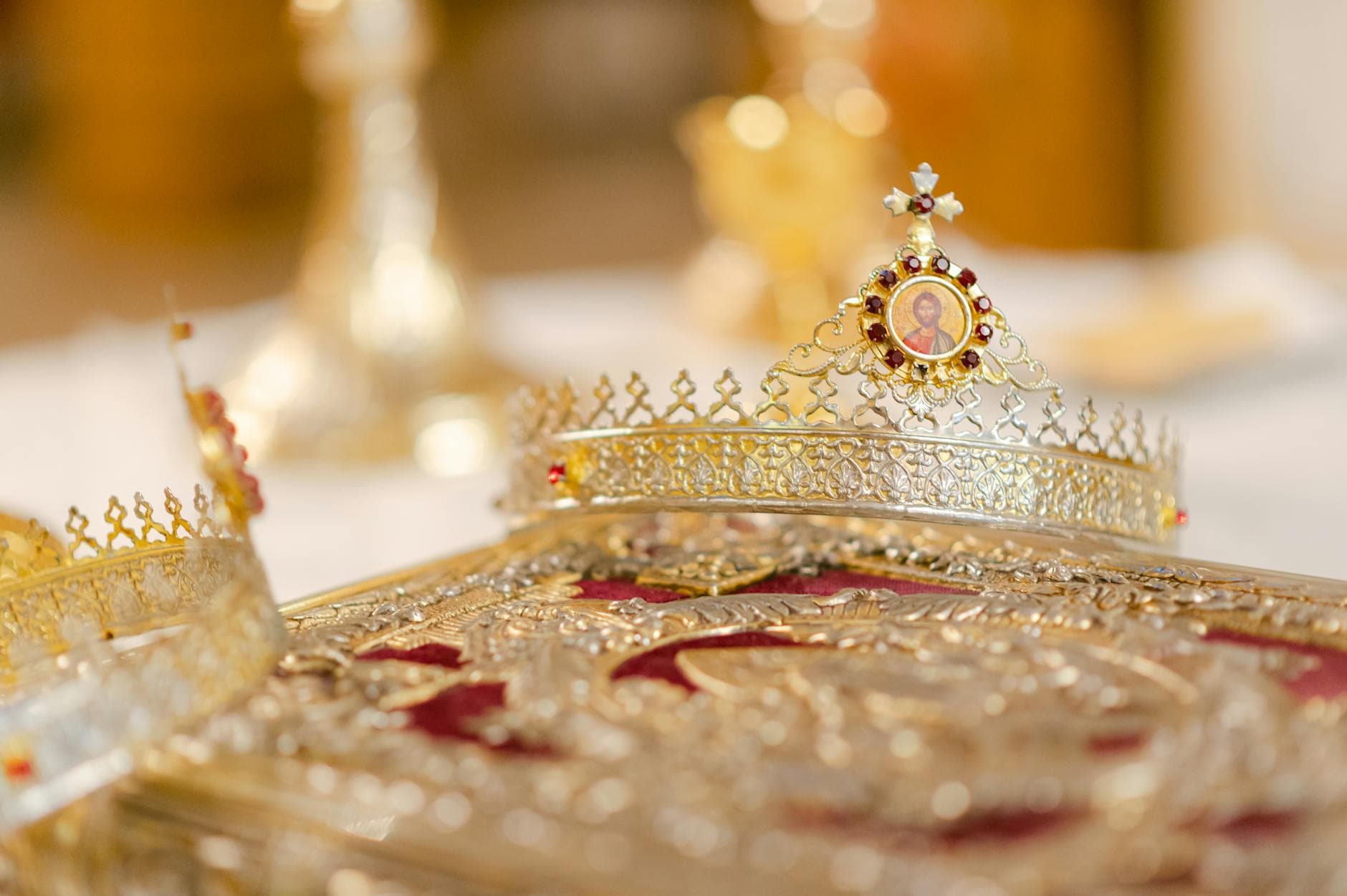
Queen Camilla’s jewels turned a state visit into a lesson in symbolism
The first thing to notice was not the sparkle, but the message. Queen Camilla’s U.S. state-visit jewels, chosen for King Charles III and Queen Camilla’s first state visit to the United States during his reign, read like a carefully edited family archive, with each piece carrying history, continuity, and diplomatic intent. The White House framed the visit as a commemoration of 250 years of shared heritage between the United States and the United Kingdom, and the jewelry answered that brief with unusual precision.
A brooch that said friendship before a word was spoken
When Camilla arrived in the United States on April 27, 2026, she wore Queen Elizabeth II’s Cartier Union Jack and Stars and Stripes brooch, a piece closely linked to the late queen’s 1957 U.S. state visit. That choice did more than nod to protocol. It placed Camilla within a recognizable line of royal diplomacy, using a jewel as a small but unmistakable sign of Anglo-American friendship.
The power of that brooch lies in its clarity. It does not rely on scale or showiness, but on recognition: flags, friendship, memory, and statecraft folded into one compact Cartier design. In meaningful jewelry, that is often the strongest move of all. A single inherited piece, worn at the right moment, can carry more narrative weight than a whole suite chosen for spectacle alone.
The amethyst suite brought depth, not just color, to the White House dinner
At the White House state dinner on April 28, Camilla wore a fuchsia Fiona Clare gown with the Kent Amethyst Parure and the Queen Mother’s Art Deco Cartier diamond bracelet. The combination mattered because it balanced freshness with inheritance. The bright gown gave the jewels a modern frame, while the amethysts supplied the historical gravity.
Observers noted that she did not wear a tiara, and that omission sharpened the look rather than diminishing it. By centering the necklace and earrings from one of the oldest surviving jewelry suites in the royal collection, Camilla shifted attention from rank to story. The effect was elegant and deliberate: the jewels were not there simply to crown the outfit, but to speak for it.
Why the Kent Amethyst Demi-Parure carries such resonance
The Kent Amethyst Demi-Parure originated with Queen Victoria’s mother, the Duchess of Kent, and includes a necklace, earrings, three brooches, and hair combs. That kind of provenance matters in royal jewelry because it places the set within the longest possible arc of family memory. Royal Collection Trust imagery even shows the Duchess of Kent wearing the amethyst brooch from the demi-parure at her breast, and Queen Victoria recorded that she had received a gift from her mother, reinforcing how private family lineage can become public historical record.
Royal-jewelry historians say Queen Elizabeth II wore the suite only rarely, which is precisely why Camilla’s use of it felt so charged. The necklace and earrings were last seen in a notable diplomatic setting during a 1985 state visit to Portugal, another moment when jewelry served as a refined diplomatic language. When a piece is that seldom worn, it does not just decorate an outfit. It recalibrates attention toward the continuity of monarchy itself.
The Queen Mother’s bracelet completed the conversation
The Queen Mother’s Art Deco Cartier diamond bracelet added a second layer of family meaning to the state dinner ensemble. If the amethysts carried antique depth, the bracelet brought a sharper, more geometric energy, the kind associated with the elegance of the interwar period. Together, the bracelet and the amethyst parure created a dialogue between eras rather than a flat display of inherited wealth.
That interplay is the real lesson for anyone thinking about heirloom jewelry. When pieces come from different generations, the goal is not to make them match perfectly. The goal is to let them converse. Camilla’s selection showed how a bracelet, necklace, and earrings can become a coherent narrative when each piece is chosen for its symbolic role, not merely its visual compatibility.
Camilla followed a familiar royal tradition of jewelry as coded language
The broader significance of these appearances is that they echoed Queen Elizabeth II’s long-standing practice of using jewelry to send diplomatic and commemorative messages. In that sense, Camilla’s brooches and heirlooms were not costume changes between engagements. They were forms of soft power, worn in public and understood by those who know how to read them.
That kind of styling works because it is specific. A flag brooch recalls a previous state visit. A rare amethyst suite signals continuity with the royal collection. A diamond bracelet from the Queen Mother adds another family layer. Each object carries a different kind of memory, and the wearer’s judgment comes through in the order in which those memories are placed on display.
How to borrow the logic of royal heirlooms without copying the crown
The smartest takeaway from Camilla’s jewelry is not about owning rarities. It is about choosing one clear symbolic anchor and letting the rest of the look support it. If a jewel has family history, a birthstone connection, or a commemorative origin, it deserves a setting that allows its story to be read without competition.
A useful framework looks like this:
- Choose one piece with the strongest personal meaning, then build around it.
- Let an heirloom set the tone, even if you wear only part of it, as Camilla did with the necklace and earrings.
- Use one modern element, such as a dress or contemporary setting, to keep the story present tense.
- Repeat a motif, like amethyst, flag imagery, or Art Deco geometry, so the eye understands the narrative quickly.
- Avoid overloading the look with too many “important” pieces at once. In jewelry, restraint often makes the symbolism louder.
That is why Camilla’s state-visit jewels landed so well. They were not random luxury objects assembled for effect, but a sequence of deliberate choices that linked two nations, two reigns, and multiple generations of royal memory. In the best sense, the jewelry did exactly what meaningful jewelry should do: it made history feel visible.
This article was produced by Prism’s automated news system from verified source data, official records, and press releases, then run through automated quality and moderation checks before publishing. The system is built and supervised by the people who set the standards it runs under. Read our full AI policy.
Did this article answer your question?