Tiffany turns Sixteen Stone into a symbol of self-love
Mikey Madison fronted Tiffany’s Love & Celebration campaign, casting the 1959 Sixteen Stone ring as a marker of self-love, family, and chosen bonds.

Tiffany & Co. used Mikey Madison to push its romance story beyond couples when the house debuted its Love & Celebration campaign on July 6, 2026. The film turns the old “he loves me, he loves me not” refrain into a blunt “I love me,” with the Sixteen Stone solitaire diamond ring cast as the centerpiece of that shift.
The move is more than a mood change. Tiffany says Love & Celebration is meant to honor love in all its forms, including self-love, family, chosen communities, and life milestones. Madison, an Academy Award-winning actress and a Tiffany house ambassador, had already been folded into the brand’s language of attachment and strength in its April 24, 2025 HardWear campaign, which centered on “love’s transformative strength.” Here, that emotional register gets recast for a generation that reads jewelry as personal declaration as much as partnership token.
Sixteen Stone gives the message its pedigree. Jean Schlumberger introduced the design in 1959 as a wedding ring, and Tiffany says the pattern is built around a cross-stitch motif tied to Schlumberger’s family background as textile manufacturers in Alsace, France. The house describes the collection as “an expression of love’s nurturing forces,” a phrase that fits the piece’s woven, ribbon-like geometry and its long life inside Tiffany’s archive. The new solitaire diamond ring extends that language into a more direct bridal-adjacent statement without abandoning the original design code.
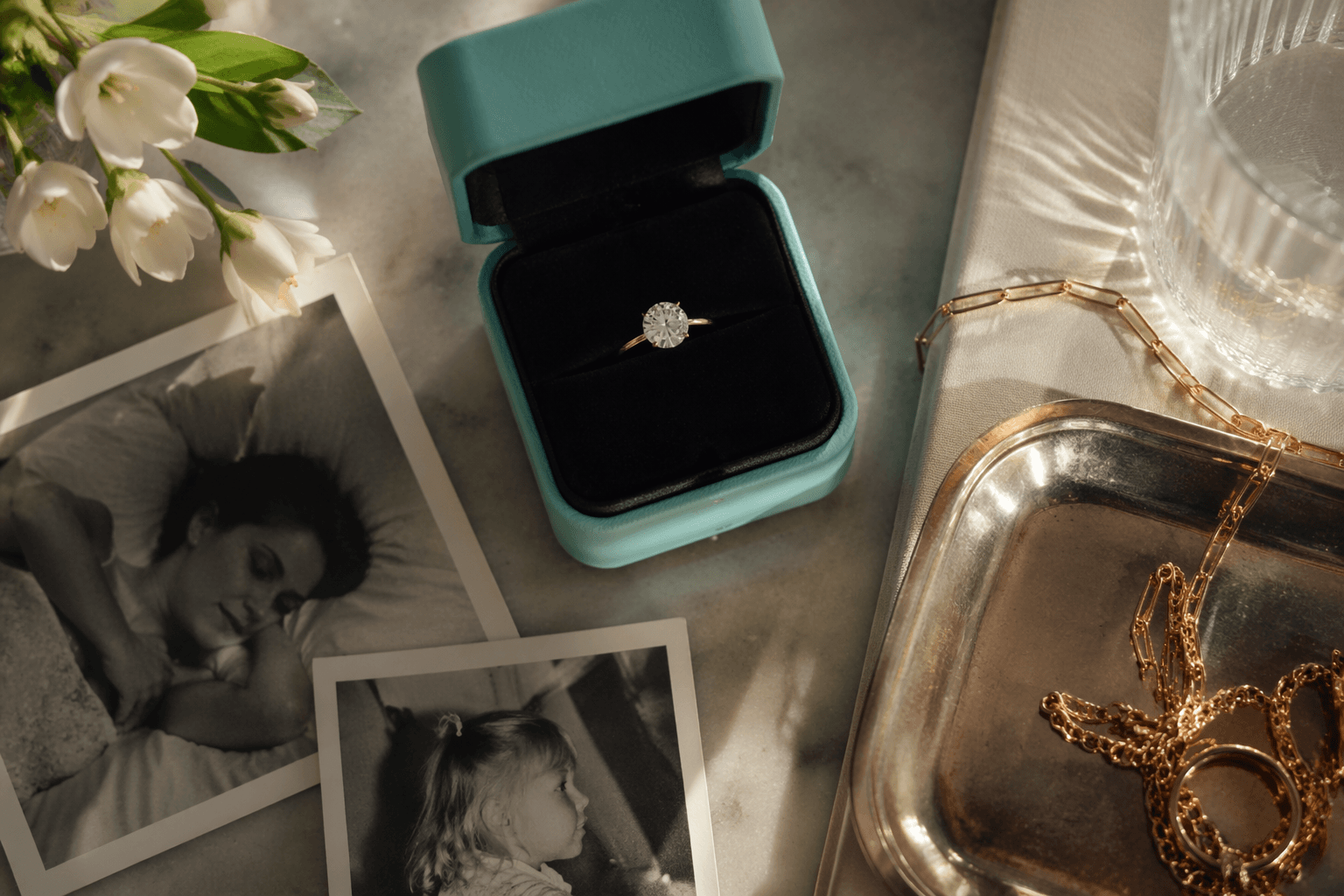
The timing also matters because Tiffany has spent nearly 140 years shaping how the market talks about commitment. The company says it introduced the engagement ring as we know it in 1886, a claim that helps explain why a refreshed Sixteen Stone message carries weight far beyond one campaign. By pairing a 1959 Schlumberger icon with Madison’s self-possessed image, Tiffany is testing whether one of fine jewelry’s most familiar symbols can now stand for self-love, friendship, and chosen family as convincingly as it once stood for marriage.
This article was produced by Prism’s automated news system from verified source data, official records, and press releases, then run through automated quality and moderation checks before publishing. The system is built and supervised by the people who set the standards it runs under. Read our full AI policy.
Did this article answer your question?