Lab-grown diamond prices fall, but signs of stabilization emerge
Wholesale lab-grown diamond prices fell 13% in the second quarter, but 1-carat rounds rose 1%, hinting at a steadier floor for minimalist diamond buys.
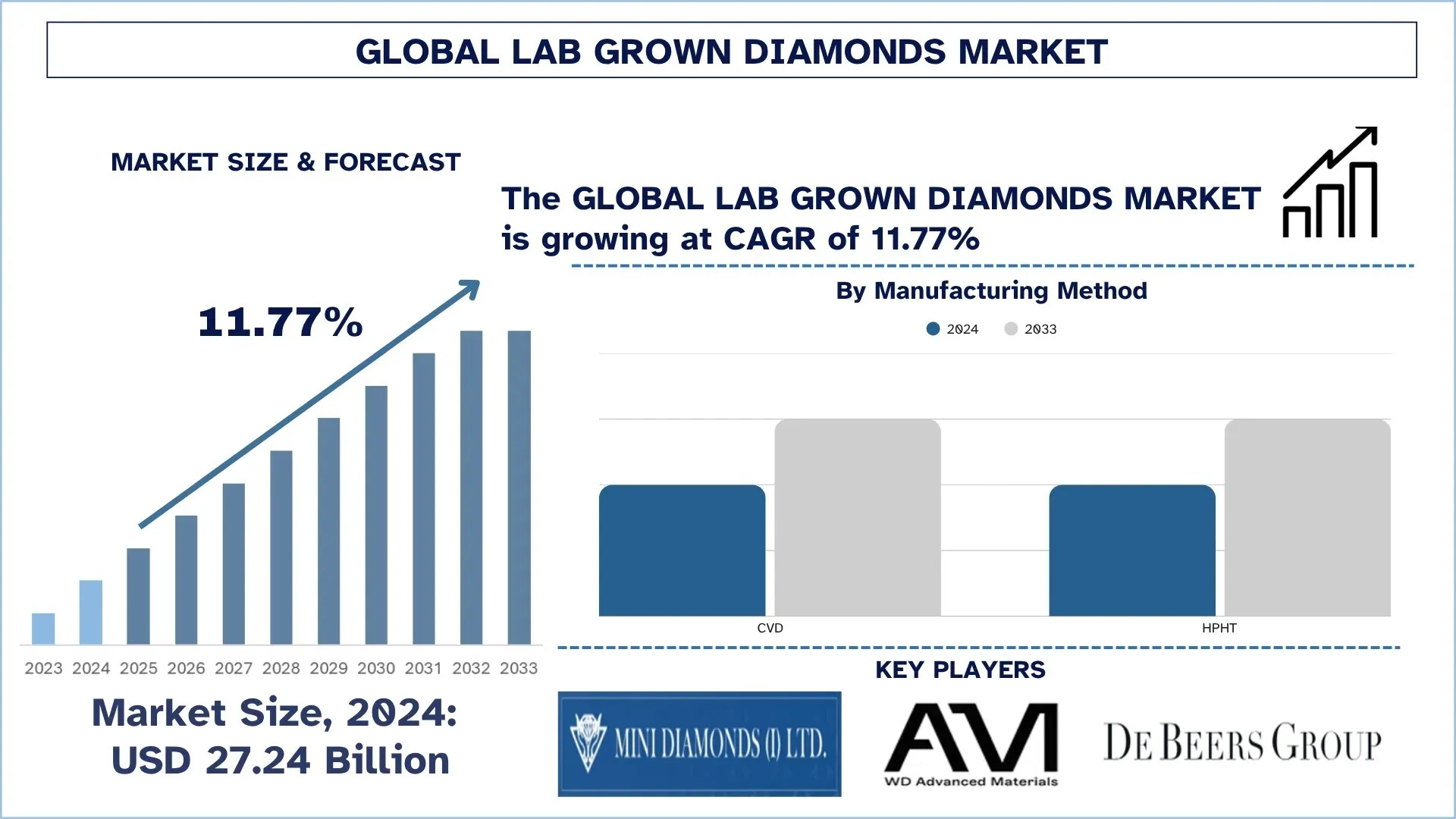
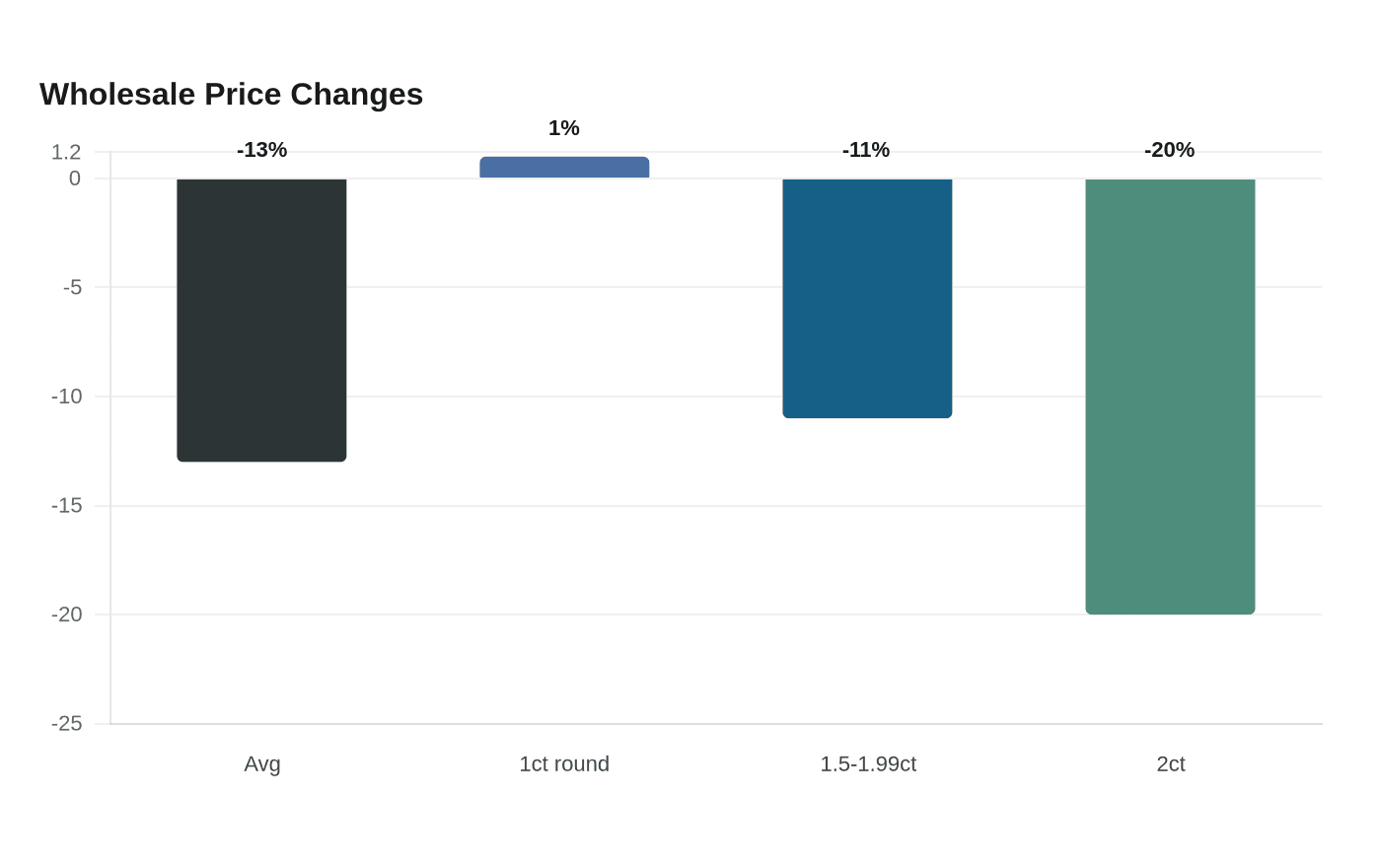
Wholesale lab-grown diamond prices fell an average 13% year over year in the second quarter of 2026, even as 1-carat round stones rose 1%. The split is the clearest sign yet that the category’s long slide is starting to lose momentum, especially in the sizes that define studs, solitaires, slim pendants and delicate bracelets.
Edahn Golan, who tracks the market, said the LGD Wholesale Price Index is down 96% since he began monitoring prices in July 2018. He also said price declines began slowing in 2024, after another 14% drop in the first quarter of 2026. In the latest quarter, the pressure remained heaviest on larger goods: 1.50- to 1.99-carat lab-grown diamonds fell 11% year over year, while 2-carat stones dropped 20%.
That matters most in minimalist jewelry, where size and price are tightly linked. A round solitaire pendant or a four-prong stud can look materially larger in lab-grown form without moving into the cost of a mined diamond, but the rapid erosion that once powered that value proposition is now easing. For brands built on clean silhouettes and accessible carat weights, the question is no longer just whether lab-grown can offer more visual spread for less money, but whether pricing can stay predictable enough to support consistent assortment and fewer promotional swings.
Retail demand has not disappeared. Tenoris data cited by Golan showed U.S. specialty retailers’ sales of lab-grown diamond jewelry rose 24% in the second quarter, driven by higher unit sales. Yet average consumer spending has stayed within a narrow range for roughly 18 months, a sign that shoppers are buying to a fixed budget rather than chasing ever-larger stones. In other words, the sweet spot has become familiar: a piece must land inside a price band consumers already accept.
There are early signs that the pipeline itself is tightening. Golan said rough lab-grown prices have recently moved higher, with some Chinese producers raising prices by at least 30% and Diamond Foundry increasing prices by about 25% in recent weeks. If that sticks, the era of relentless discounting could give way to a market where value is built less on markdown headlines and more on dependable pricing.
Broader industry data point in the same direction. De Beers’ June 2026 Diamond Report said synthetic lab-grown diamonds accounted for 15% of U.S. independent jeweler sales in 2025, even as retail prices trended downward and volumes kept rising. For minimalist diamond jewelry, that combination is the new tension: growing consumer appetite, thinner margins, and a need for clear labeling that leaves no doubt about origin. The Federal Trade Commission requires laboratory-grown diamonds to be described that way, and IGI says its loose diamond reports clearly identify whether a stone is natural or lab-grown.
This article was produced by Prism’s automated news system from verified source data, official records, and press releases, then run through automated quality and moderation checks before publishing. The system is built and supervised by the people who set the standards it runs under. Read our full AI policy.
Did this article answer your question?