Minimalist Jewelry Returns, Simple Pieces Lead Spring Style
Spring’s jewelry shift is quieter but sharper: thin chains, close-to-ear hoops, slim bracelets, and clean rings are doing the real wardrobe work.
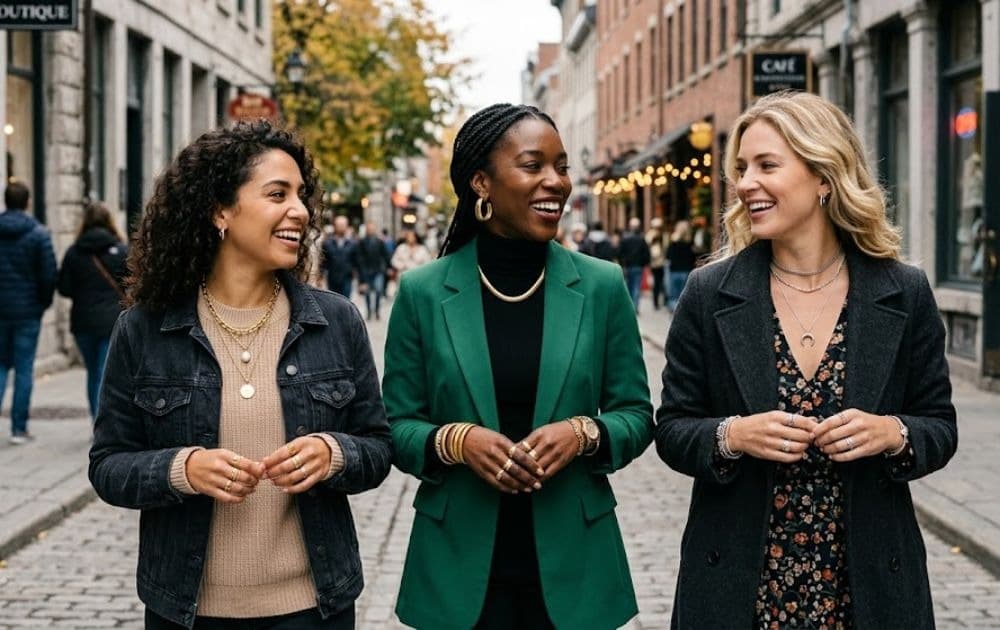
The new minimalism is not blank, it is disciplined
The pieces getting worn most now are the ones that finish a look without announcing themselves. Thin chain necklaces, hoops that hug the ear, slim bracelets, and clean rings are replacing the old idea that jewelry has to dominate a room to matter. In a market valued at USD 4.6 billion in 2024 and projected to reach USD 8.5 billion by 2032, understated jewelry is not a side note. It is the commercial and stylistic center of gravity.
What makes this shift feel especially current is that it is not really about austerity. It is about precision. Across Paris, Milan, New York City, and Tokyo, spring jewelry coverage showed minimal lines sitting alongside chunky volumes, color, and nature-inspired delicate pieces, which means the category is still broad enough for personality. The difference is that even the more restrained side now carries intent, craft, and longevity rather than the blank polish of a trend that only works for social media.
Why thin chains are the season’s easiest starting point
A thin chain necklace works because it disappears into a wardrobe and then quietly improves it. Worn at the collarbone, it suits crewnecks, button-downs, and the simple knits and tees that make up real weekday dressing. It is also the easiest way to keep jewelry from competing with tailoring or a strong neckline, which is exactly why it has become a default for people who want daily wear without costume energy.
The best versions are the ones with enough structure to read as intentional, not fragile. A fine cable chain has a little more bite than a nearly invisible strand, while a small pendant or a tiny natural form gives the necklace just enough focus to feel personal. That is the real appeal of minimal jewelry now, the ability to look simple without looking generic.
Close-to-ear hoops are the smartest shortcut to polish
Hoops worn close to the ear are having a very particular kind of success because they do not fight with the rest of an outfit. They frame the face, stay neat under hair, and work with glasses, scarves, and sharp collars in a way larger hoops often do not. For anyone who wants one piece to move from errands to dinner with no reset, this is the earring that does the least but delivers the most.

This is also where the category’s move away from novelty becomes obvious. Buyers and editors have been emphasizing accessories with personality and longevity, and the best close-to-ear hoops do exactly that through proportion and finish rather than gimmick. In gold, they soften crisp shirting. In silver, they sharpen a monochrome look. Either way, they keep the ear line clean, which is why they read as modern even when the design itself is minimal.
Slim bracelets work best when they are not trying to be the whole story
The slim bracelet is the least dramatic piece in the current rotation, but it may be the most useful. It sits neatly beside a watch, slips under a cuff, and does not snag when you are typing, commuting, or carrying a tote. That makes it ideal for office dressing, especially now that style has shifted back toward pieces that have to survive actual movement rather than just photographs.
A single polished bangle, a fine chain bracelet, or a narrow cuff can carry the same discipline as a thin necklace. The key is restraint in quantity. One bracelet gives the wrist a line; two can start to look considered in the best way; more than that and the minimal effect begins to dissolve. The new minimalism works because it understands that negative space is part of the design.
Clean rings are where craftsmanship matters most
Rings are the hardest minimalist pieces to get right because they are seen up close, every day, in motion. That is why the category has broadened from dainty bands into more refined, sculptural forms that still feel heirloom-like. A clean ring can be a plain band with immaculate proportions, a softly curved profile, or a small stone set low enough to remain practical.
Setting choice matters here. A bezel setting, which wraps metal around the stone, keeps the profile smooth and secure, making it especially well suited to daily wear. Prong settings lift more light into the stone, but they also create height, which can make the ring feel less understated and slightly more vulnerable to knocks. For minimalist jewelry, that low, controlled silhouette is often the point.
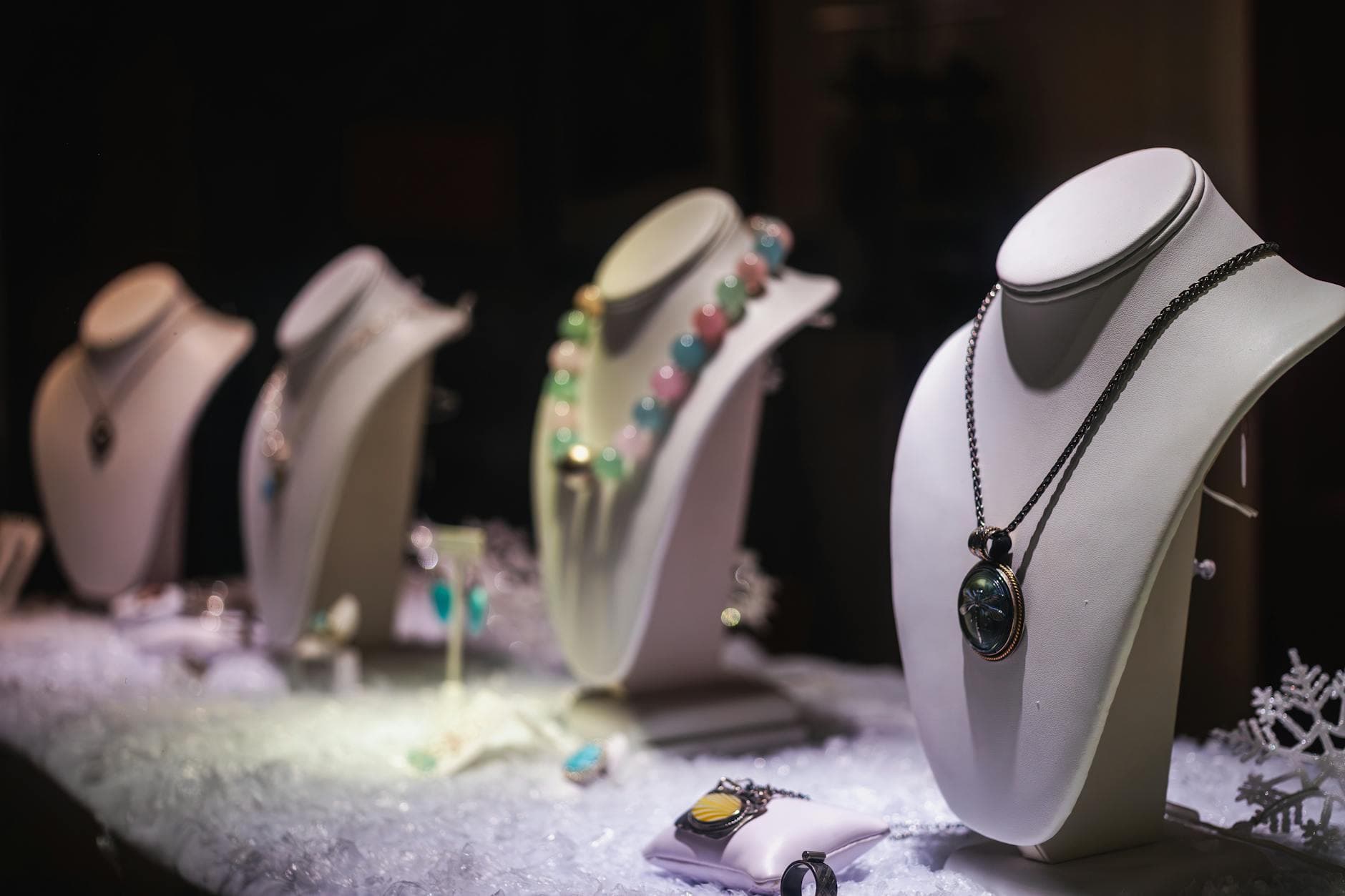
Minimal does not mean simple-minded
The strongest argument for minimalist jewelry is that it has room for craftsmanship. WWD’s earlier framing of the category was useful precisely because it treated minimalism as more than dainty. It can include refined, sculptural pieces and even heirloom-like silhouettes, as long as the design stays disciplined and the construction earns its place. That is why buyers are now talking so much about material quality, sustainability, provenance, and how a piece will age.
From Selfridges and Printemps to Mytheresa and 10 Corso Como, the buying conversation has turned toward pieces that feel personal and durable rather than novelty-driven. Buyers named in the broader discussion, including Tiziana Fausti, Sara Wong, Maud Pupato, Tiffany Hsu, Andrea Steiner, and Joëlle de Montgolfier, reflect a retail mood that favors fewer, more precious items. The message is clear: customers want accessories that tell a story, but they want that story to last longer than a viral moment.
Why this restrained look is spreading now
The timing makes sense. Bain says global luxury spending reached €1.44 trillion in 2025, and the category has stabilized after recent volatility, which helps explain why brands are leaning into items that feel value-driven and durable. At the same time, a market of this size can support a wide spectrum of taste, from bare-bones chains to delicate, nature-inspired pieces and more sculptural forms. Minimalism is growing because it is adaptable, not because it is narrow.
Lidewij Edelkoort, who founded Trend Union in 1975 and later launched Trend Tablet in 2011, has long shaped the way fashion thinks about mood and direction, and her influence matters here. The current jewelry conversation is not about stripping adornment away. It is about editing it until every piece earns its place against a shirt collar, a blazer sleeve, a knit cuff, or the simple geometry of a hand in motion.
That is why minimalist jewelry has returned with such force. It fits the life most people actually live, one in which jewelry has to move from daytime errands to evening plans without a costume change, and in which the most convincing luxury is often the piece you forget you are wearing until it makes the entire outfit look finished.
This article was produced by Prism’s automated news system from verified source data, official records, and press releases, then run through automated quality and moderation checks before publishing. The system is built and supervised by the people who set the standards it runs under. Read our full AI policy.
Did this article answer your question?


