Why a Dainty Diamond Necklace Is Your Best Travel Jewelry Investment
One dainty diamond necklace outpacks every jewelry pouch you've ever regretted bringing. Here's how to choose it, wear it everywhere, and keep it safe.
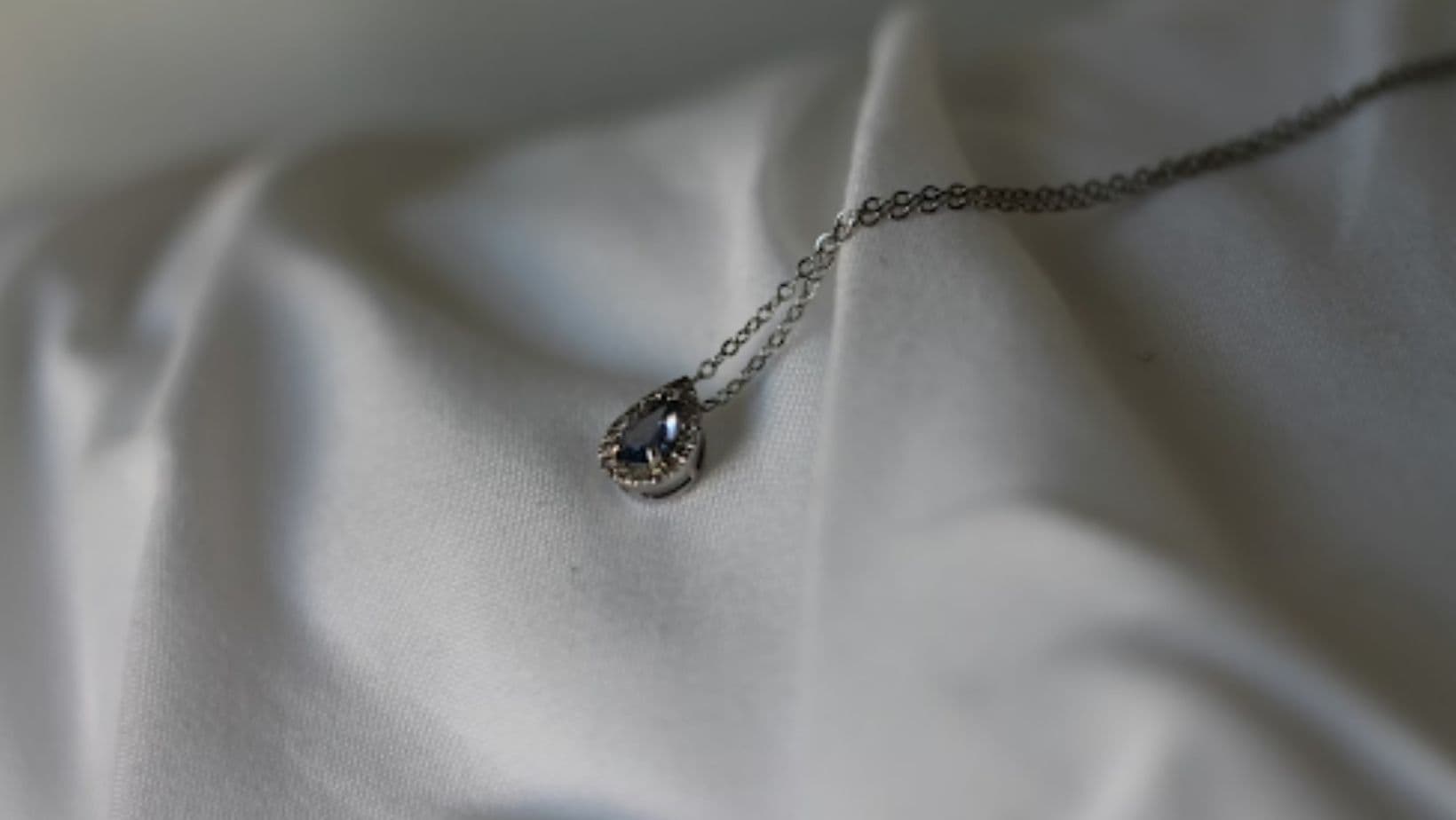
The thin diamond pendant you nearly left on your nightstand — the one that sits just at the collarbone and catches light whenever you turn your head — is the only piece of jewelry your carry-on actually needs. Not the stack of rings you brought to Rome. Not the statement earrings wrapped in a silk pouch you then lost somewhere between the hotel bathroom and the airport. Just that one necklace.
The case for a dainty diamond necklace as your sole travel companion is not sentimental. It is entirely practical.
Why One Piece Beats a Pouch Full of Options
The biggest mistake travelers make is overpacking jewelry. A full jewelry roll adds weight, invites anxiety, and usually means you spend 20 minutes every morning deciding what to pair with what. A single dainty diamond necklace sidesteps all of that. It weighs almost nothing, occupies the footprint of a matchbook, and does what no chunky statement necklace can: it disappears against your skin in one context and catches the light in another, making the same white linen shirt look appropriate for a business lunch and a candlelit terrace dinner.
The investment logic is equally sound. Prioritizing versatility means choosing pieces that complement multiple looks, and a well-made diamond necklace with a simple chain does exactly that across years and cities, not just one trip. Trend pieces, by contrast, have a shelf life that rarely outlasts the season you bought them in.
The Styles Worth Knowing
Not all dainty diamond necklaces travel equally well. Understanding the five main styles helps you buy once and buy right.
The *classic diamond solitaire* is the most photogenic of the group: a single stone, usually round brilliant, suspended from a delicate chain. A single diamond has this rare power to stand on its own, and the way it's styled makes all the difference. Its cut, setting, and orientation can transform it from an everyday luxury into a red-carpet statement. For travel, prioritize cut quality over carat size. A well-cut 0.10-carat stone on a 16-inch chain will throw more light in a photo than a larger, poorly cut stone.
The *floating diamond necklace* (sometimes called an illusion setting) takes the solitaire concept further. A solitaire illusion necklace features a single diamond in a way that makes it appear larger than it actually is, achieved by surrounding the diamond with smaller diamonds that reflect light and enhance its brilliance. The effect in person, and especially in photographs, is of a stone hovering directly on the skin with no visible metal framework. It is the most camera-friendly option in this category.
*Station necklaces* distribute small diamonds at even intervals along the chain, so every inch of the piece contributes sparkle. They read as more casual than a solitaire and layer extremely well if you choose to add a second piece mid-trip.
*Curved bar necklaces* swap the stone-forward approach for a geometric one: a thin arc of gold or platinum, often pavé-set with small diamonds along its curve, sits at the collarbone like a piece of modern sculpture. It photographs cleanly against any neckline and reads as intentional even with athleisure.
*Personalized initial necklaces* with diamond accents occupy a slightly different register. They carry obvious sentimental weight, and the single-letter format keeps them dainty enough to avoid the bulkiness of traditional charm jewelry. They work best as a solo statement rather than layered, since the letterform can compete visually with additional pendants.
Chain Length and Metal Tone: The Two Decisions That Matter Most
An 18-inch chain settles on the collarbone and works with most tops; 16 inches sits right at the round of the neck. For travel, 16 to 18 inches is the sweet spot. This length stays visible above the crew necks and open collars you wear during transit, and it sits close enough to the body that it doesn't swing and catch on bag straps.
On metal tone: yellow gold reads warmest against most skin tones and photographs with the most contrast against both dark and pale fabrics. White gold and platinum are colder and cleaner, making them more versatile for professional settings. Rose gold is flattering but the most trend-adjacent of the three, which slightly undermines the "buy it once, wear it forever" rationale. If you're choosing a single travel piece and have any doubt, 14-karat yellow gold is the most forgiving across contexts.

Three Travel Scenarios, One Necklace
At the airport, in compression leggings and an oversized hoodie, a dainty diamond solitaire on a 16-inch chain reads as intentional rather than accidental. It is the detail that signals you dressed with some consideration even when you didn't. It won't set off a metal detector, and because it's already on your body, it doesn't need to come off for security.
In a meeting, paired with a structured blazer, the same piece sits at the collarbone as an understated anchor. It doesn't compete with your voice or your presentation; it simply confirms that you pay attention to details.
At a beach dinner, with a slip dress and still-damp hair, a floating diamond necklace on a yellow gold chain is exactly right. For a city break, elegant fine jewelry is the right call, and a beach-town restaurant, however casual the setting, rewards the wearer who brings one piece of actual quality.
Packing It Without Destroying It
Storing a necklace in a drinking straw prevents tangling. Thread the chain through a standard plastic straw, clasp it closed, and the pendant hangs freely at one end. It takes ten seconds, costs nothing, and means you arrive with a chain that looks exactly as it did when you packed it.
A pill case with individual compartments is also a compact way to separate each piece and avoid tangles if you are bringing more than one item. For a single necklace, a small zip-lock bag inside a hard-shell eyeglass case provides impact protection at minimal weight.
High-value jewelry should never go in checked luggage. Pack it in your carry-on using the most secure method possible, like a hard case within your personal bag. This is non-negotiable. Airlines are not liable for jewelry lost or damaged in checked bags in most jurisdictions, and the risk of loss is exponentially higher once a bag leaves your hands.
A TSA and Hotel Safety Checklist
- Wear the necklace through security. Dainty fine jewelry rarely triggers a metal detector and does not need to go in the tray.
- If you do remove it, put it in your jacket pocket or a dedicated small zip pouch — never loose in the tray where it can slide and fall.
- At the hotel, use the in-room safe for overnight storage. The bathroom counter is where jewelry gets left behind.
- Photograph the piece before you travel. A timestamped image helps with insurance claims and aids identification if a piece is lost.
- If your trip includes a pool or ocean, remove the necklace before entering. Chlorine degrades gold alloys over time, and saltwater accelerates tarnish on plated pieces.
The Provenance Question
As someone who covers the ethics of this industry, I'd be doing you a disservice by not noting that not all diamonds travel light in the ethical sense. Ask for a GIA grading report on any diamond you're purchasing; it confirms the stone's identity and quality characteristics independently of the retailer. If you want to go further, look for pieces from Responsible Jewellery Council-certified brands, which have been audited against human rights and environmental standards across the supply chain. Lab-grown diamonds, now widely available in the same solitaire and station formats described above, offer an alternative that sidesteps concerns about artisanal mining entirely and have come down sharply in price over the last three years, making the quality-per-dollar calculation more favorable than it has ever been.
A piece you feel confident about, both materially and ethically, is one you'll actually reach for on every trip. That confidence is part of what makes it a good investment.
This article was produced by Prism’s automated news system from verified source data, official records, and press releases, then run through automated quality and moderation checks before publishing. The system is built and supervised by the people who set the standards it runs under. Read our full AI policy.
Did this article answer your question?


