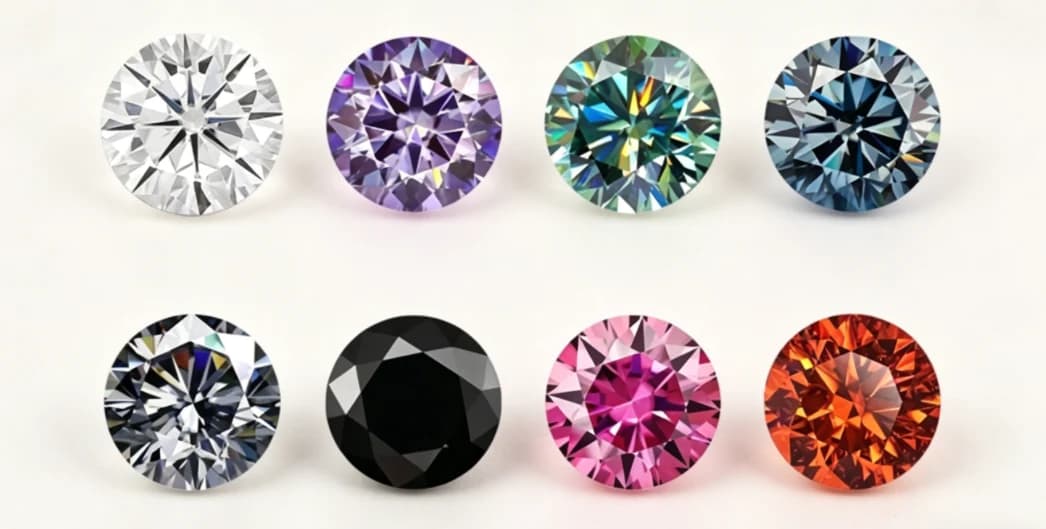
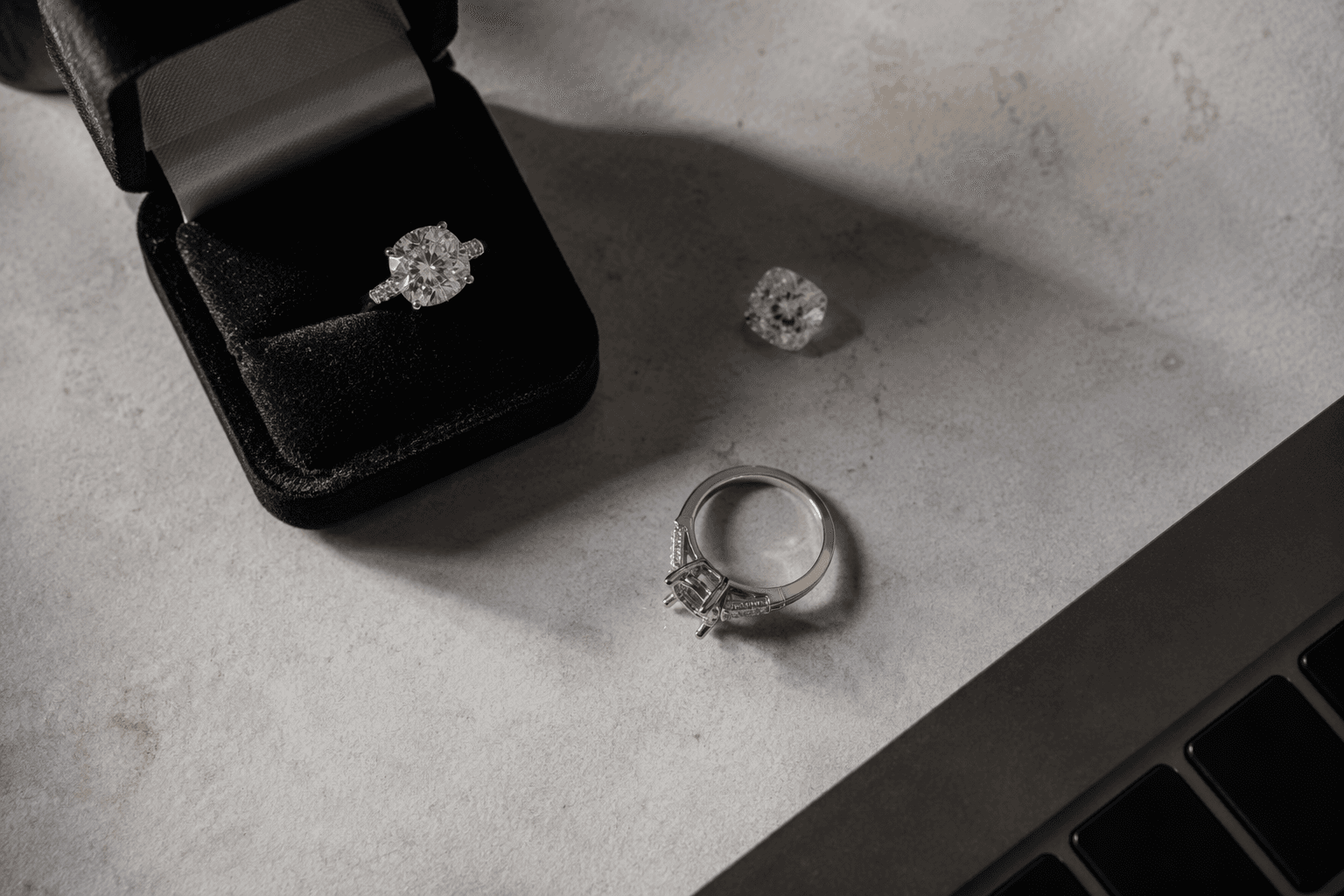
From boule to brilliance, how moissanite becomes jewelry
Moissanite starts as a lab-grown crystal boule, then is sawn, faceted, and polished into jewelry whose sparkle depends on cut, symmetry, and orientation.
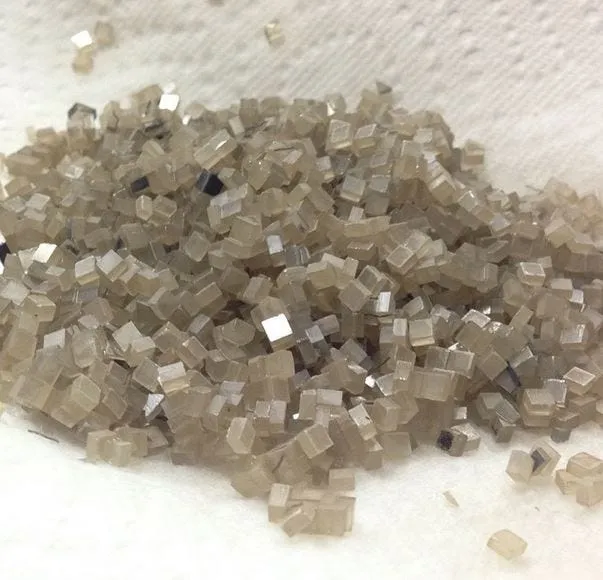
Before moissanite flashes in a ring or pendant, it begins as a grown crystal mass called a boule. That term reflects how much of its value is made rather than mined. For jewelry buyers, that journey explains why moissanite can feel so consistent in size and appearance, and why its sparkle depends as much on cutting as on chemistry.
From a meteorite discovery to a modern gemstone
Moissanite’s story starts in 1893, when French chemist Henri Moissan identified the mineral in material from the Canyon Diablo meteorite in Arizona. That first discovery was a scientific curiosity, not a jewelry business, and the natural material remains exceptionally rare. Record-size natural moissanite crystals were discovered in Israel in 2014, a reminder that the stone does exist in nature, but only as an outlier.
The jewelry market tells a different story. Most moissanite sold for rings, earrings, and pendants is lab-grown silicon carbide, or SiC, not a mined gem pulled from the earth in bulk. By 2000, synthetic moissanite was a new man-made gemstone material developed and marketed by Charles and Colvard, Ltd., formerly C3 Inc., of Morrisville, USA.
Why the boule matters
The word boule is the technical anchor in moissanite manufacturing. In jewelry production, a boule is the grown crystal mass that will later be sliced, planned, and cut into finished stones. Charles & Colvard includes this stage in a piece titled “The Moissanite Journey: From Boule to Brilliant Gem.”
A boule is inspected first, because not every section of grown crystal will behave the same once it is cut. Producers look for internal features, color consistency, and usable size before sawing it into workable sections. That early sorting is one reason moissanite can be manufactured in predictable sizes and qualities, unlike a mined supply chain where the rough material arrives in more variable forms.
How rough crystal becomes a finished stone
The conversion from boule to jewelry-ready gem follows a careful sequence.
1. Crystal growth creates the boule, the large mass from which stones will be taken.
2. Inspection sorts the boule for usable zones, color, and internal consistency.
3. Sawing divides the crystal into workable sections.
4. Preforming establishes the outline before final cutting.
5. Faceting sets the faces that will control light return.
6. Polishing finishes the surface.
7. Final sorting groups stones by size and appearance before they are set.
Each stage affects the finished look, but faceting and polish do the most obvious work for the consumer. Moissanite is prized for brilliance and fire, so cutters are not only chasing carat weight. They are deciding symmetry, facet angles, and orientation, all of which change how the stone throws light once it is mounted. Charles & Colvard says special cut proportions affect brilliance, fire, and luster.
That cutting pressure is especially important in fancy shapes and in pieces viewed up close, like rings, earrings, and pendants. A round stone and a cushion-cut stone may share the same size label, yet one can read much livelier if the proportions are tuned correctly.
What the optics tell you at the counter
Moissanite’s optical behavior is part of why it looks the way it does. The gem has double refraction, which jewelers can use with a loupe to help distinguish it from diamond. Moissanite is distinct from lab-grown diamonds and other simulants, categories often blurred in casual retail language.
Diamond narratives tend to center on mining, traceability, and whether a stone is natural or lab-grown. Moissanite’s narrative is different: the point is not to mimic a mined diamond story, but to present a distinct gemstone with its own crystal structure, its own optical behavior, and a manufacturing chain built for consistency.
What to notice when you shop
A well-made moissanite piece should show the evidence of careful manufacturing, not just a bright sales pitch. Look for details that reflect the stone’s path from crystal to setting:
- Clear stone sizing and shape naming, especially for round, oval, cushion, or pear cuts
- Clean facet junctions and an even polish, which support brightness and reduce a hazy look
- Good symmetry, because uneven cutting can dull the pattern of light
- Secure settings that let the stone sit straight, since orientation affects the way moissanite throws light
- Disclosure that the stone is lab-grown silicon carbide, not a diamond substitute dressed up in vague language
The material is manufactured, the process is technical, and the best producers are explicit about both. That does not mean every brand tells the full story with equal care, but the stone itself has a clear production chain that can be described from boule to polish.
This article was produced by Prism’s automated news system from verified source data, official records, and press releases, then run through automated quality and moderation checks before publishing. The system is built and supervised by the people who set the standards it runs under. Read our full AI policy.
Did this article answer your question?