Moissanite symbolism grows from its star-born origin and modern values
Moissanite now speaks in three registers: commitment, conscious spending, and a star-born story that makes its lab-created identity part of the appeal.
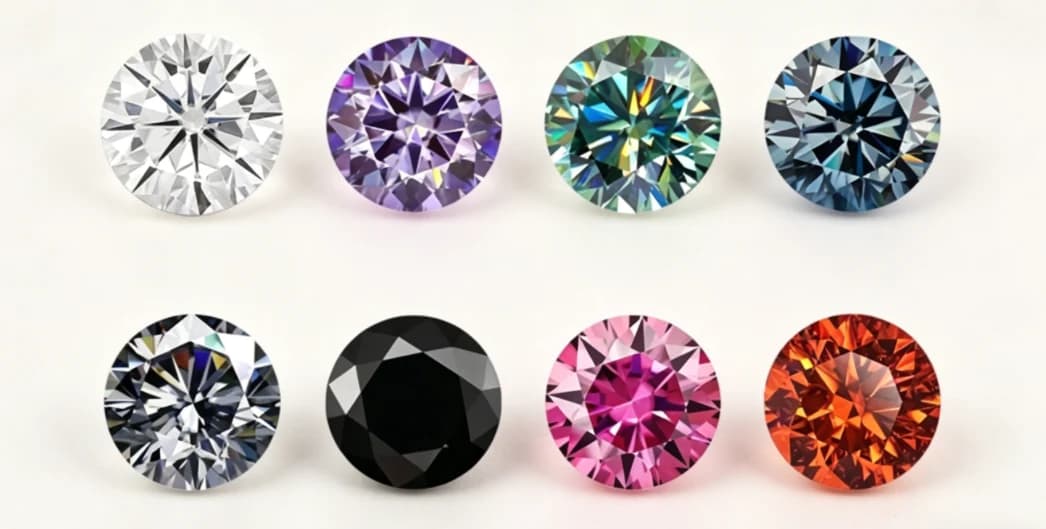
Henri Moissan first identified moissanite in 1893 in material associated with a meteorite, which is why it is often called a “stone from the stars.” Today, the real decision is not whether it sparkles. It is what that sparkle is meant to say. The stone’s appeal comes from a rare combination of romance, financial confidence, and a values-based purchase, all grounded in a backstory that begins with a meteorite and ends in a very modern jewelry box.
From meteorite fragment to meaning
That origin gives the gem a literal cosmic narrative, not just a marketing one, and it has helped moissanite develop a distinct identity inside fine jewelry. Researchers later developed a process for creating moissanite for jewelry use, a shift reflected in the American Gem Society’s moissanite history page and Charles & Colvard’s 2017 explainer.
That shift from rare natural mineral to created gemstone is central to how the stone is understood today. Modern jewelry moissanite is lab-created, which means buyers are not choosing a mined stone with a conventional scarcity story; they are choosing a gem with a designed origin. That backstory now shapes the way shoppers interpret the stone, as reflected in With Clarity’s meaning and history features published on May 26, 2023 and later updated.
What moissanite signals when you buy it
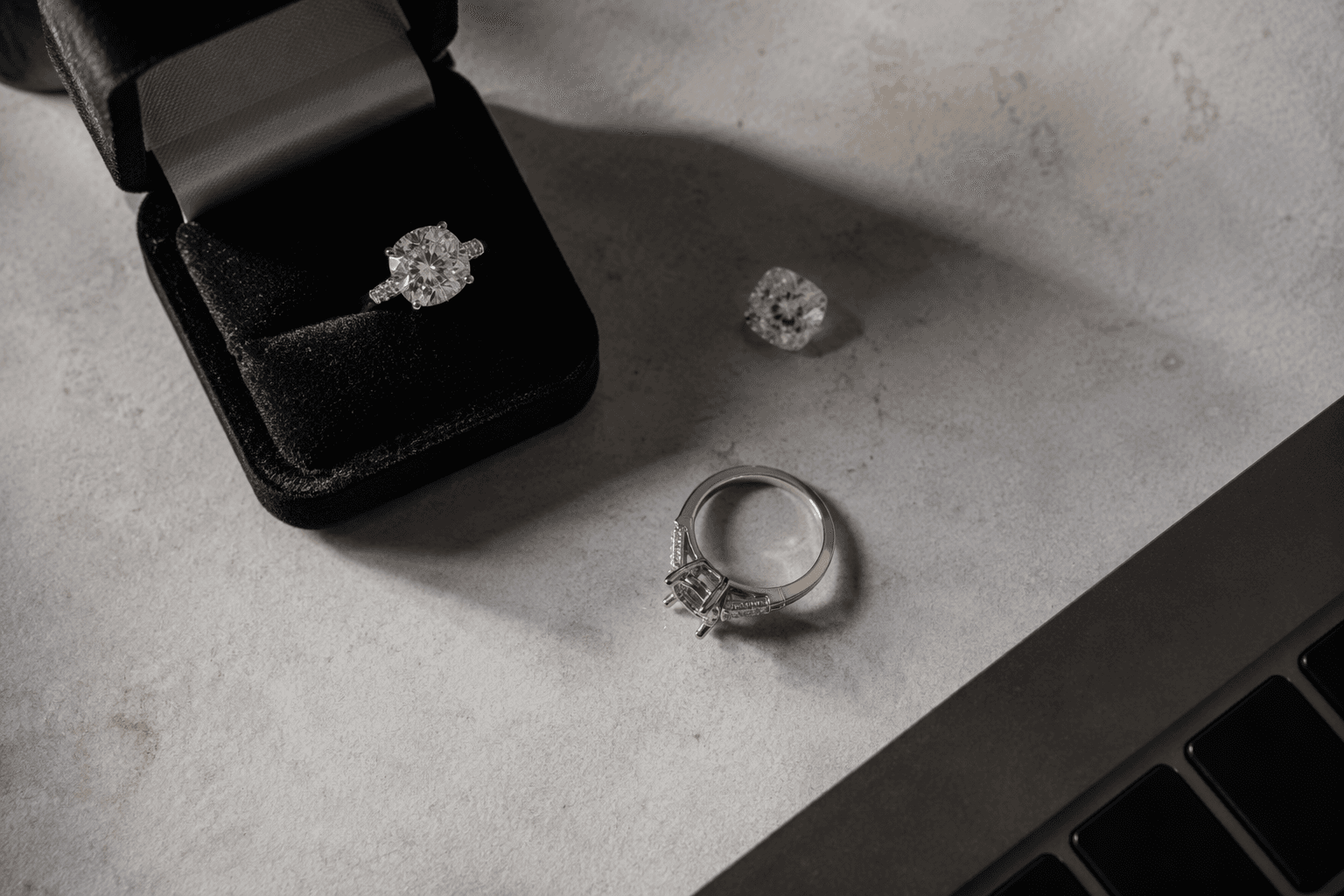
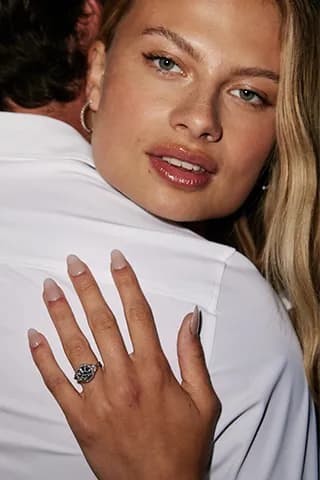
In an engagement ring, moissanite signals commitment without leaning on diamond orthodoxy. It tells the recipient that the piece was chosen deliberately, not simply by default, and that the buyer was willing to spend thoughtfully rather than reflexively. That makes it especially persuasive for couples who want the gesture to feel serious but not performative.
The same logic carries into anniversary jewelry and self-gifting. An anniversary ring set with moissanite can read as a celebration of longevity and confidence, while a self-purchased pendant or ring says taste and discernment matter more than convention. Lahela Jewelry uses the phrase “conscious love,” which neatly captures why the stone feels contemporary: it combines emotional intention with a purchase that reflects personal principles.
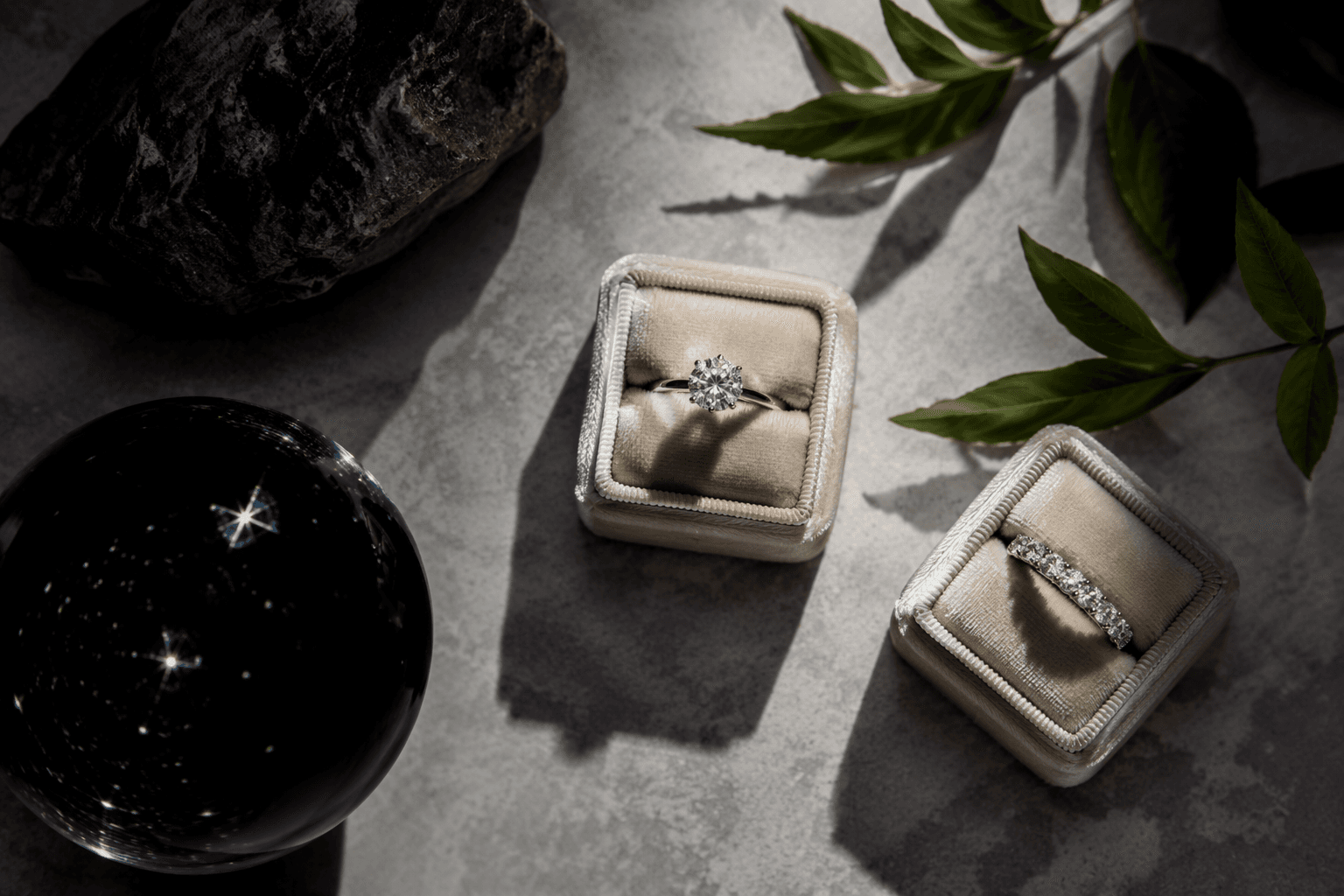
Moissanite also signals financial confidence in a way that is easy to underestimate. Choosing it can mean knowing exactly where budget belongs in a jewelry purchase, whether that is the center stone, the setting, or the overall craftsmanship.
Why identity matters as much as symbolism
The Gemological Institute of America places moissanite alongside simulants and lab-grown diamonds in its consumer education, but these categories are not interchangeable. Moissanite is not a diamond in the strict gemological sense. It is a distinct gemstone with its own chemistry, its own history, and its own message.
A mined diamond still carries the classic shorthand of tradition, rarity, and earth-formed permanence. A lab-grown diamond keeps the diamond identity but changes the origin story, so it often appeals to shoppers who want the traditional diamond look with a different production method. Moissanite steps outside that diamond-versus-diamond conversation entirely: it offers its own identity, and that makes it feel more like a choice than a compromise.
For readers comparing these options, the practical question is simple: what story do you want the jewelry to tell? If the answer is “the classic diamond story,” a mined stone or lab-grown diamond may fit better. If the answer is “romantic, modern, values-led, and not bound to diamond convention,” moissanite may fit better.
Where the symbolism works best in real jewelry
Moissanite is strongest in pieces that are meant to be worn and explained often. Engagement rings are the clearest example, because the symbolism of love, commitment, and intentionality is visible every day. Anniversary rings and milestone gifts are equally natural settings for the gem, especially when the buyer wants a piece that feels generous without being financially symbolic in the way a mined diamond often is.
Design matters here too. A prong setting shows the stone’s profile and lets light move through it more openly, which suits a ring meant to announce itself. A bezel setting, by contrast, wraps the stone in metal and reads as more secure and architectural, a smart choice for someone who wants daily-wear practicality alongside visual impact. In moissanite, those setting decisions become part of the message: a more open setting broadcasts brilliance, while a more enclosed setting emphasizes security and durability.
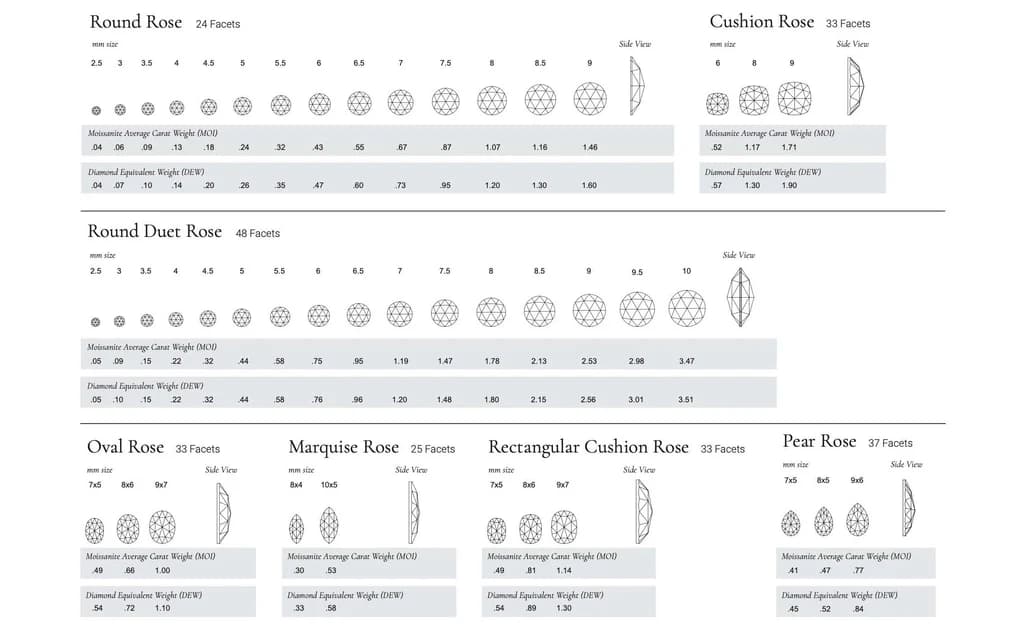
That practical lens extends to the way the stone is described at purchase. Some retailers present moissanite by millimeter size rather than by diamond-equivalent weight, and that detail matters because face-up scale is what the eye reads first. If the goal is a ring that looks balanced on the hand, millimeters are more useful than a shorthand weight comparison.
How to buy with the story in mind
The best moissanite purchases are the ones where symbolism and specifications agree. A buyer drawn to “conscious love” should make sure the stone’s origin is clearly described as lab-created, because origin is part of the meaning here. A buyer shopping for an engagement ring should decide whether the message is meant to feel diamond-adjacent or proudly distinct, then choose the gemstone and setting accordingly.
- Choose moissanite when you want a clear values signal as well as beauty.
- Choose a lab-grown diamond when you want diamond identity with a modern origin.
- Choose a mined diamond when tradition and natural rarity are the point.
This article was produced by Prism’s automated news system from verified source data, official records, and press releases, then run through automated quality and moderation checks before publishing. The system is built and supervised by the people who set the standards it runs under. Read our full AI policy.
Did this article answer your question?