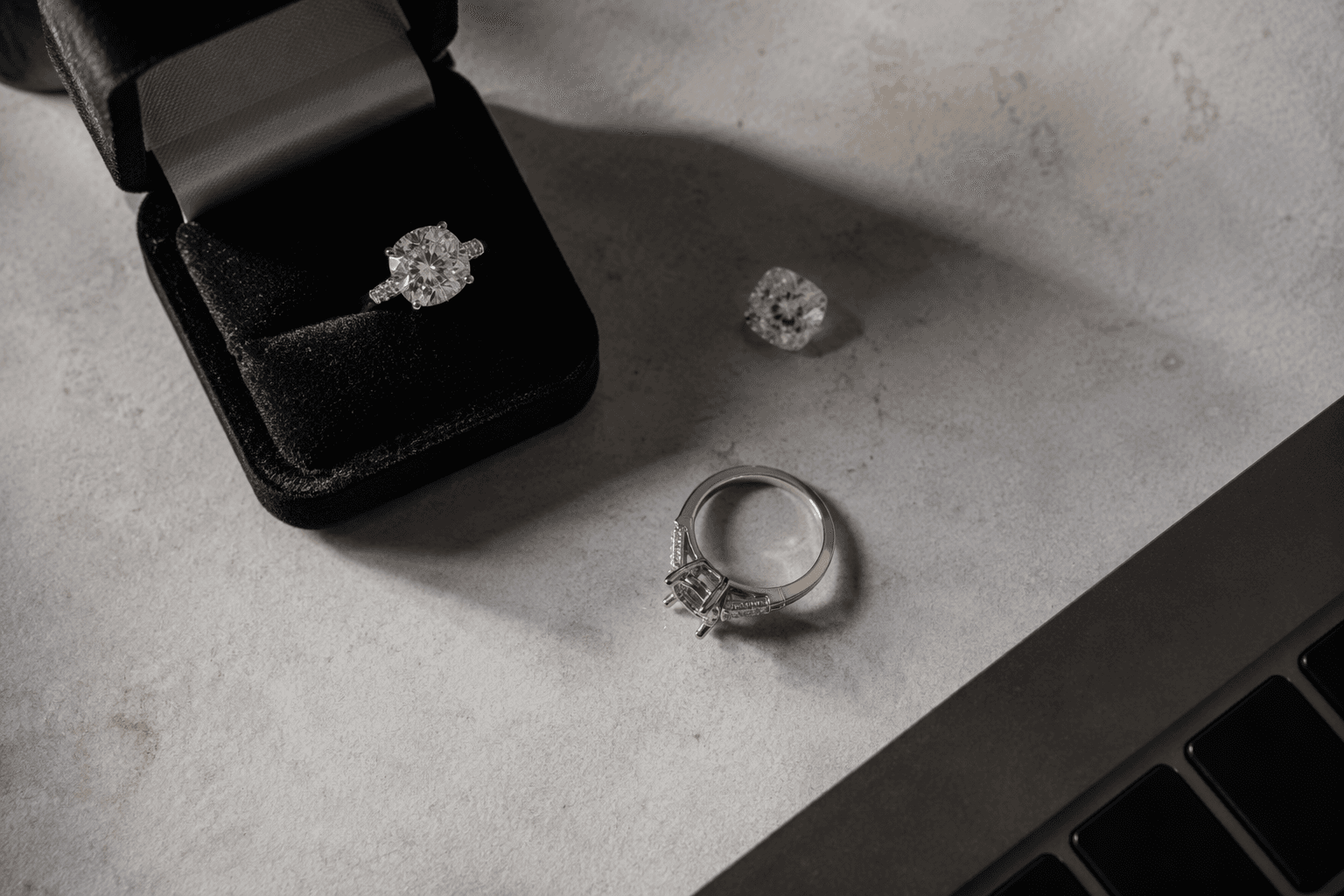
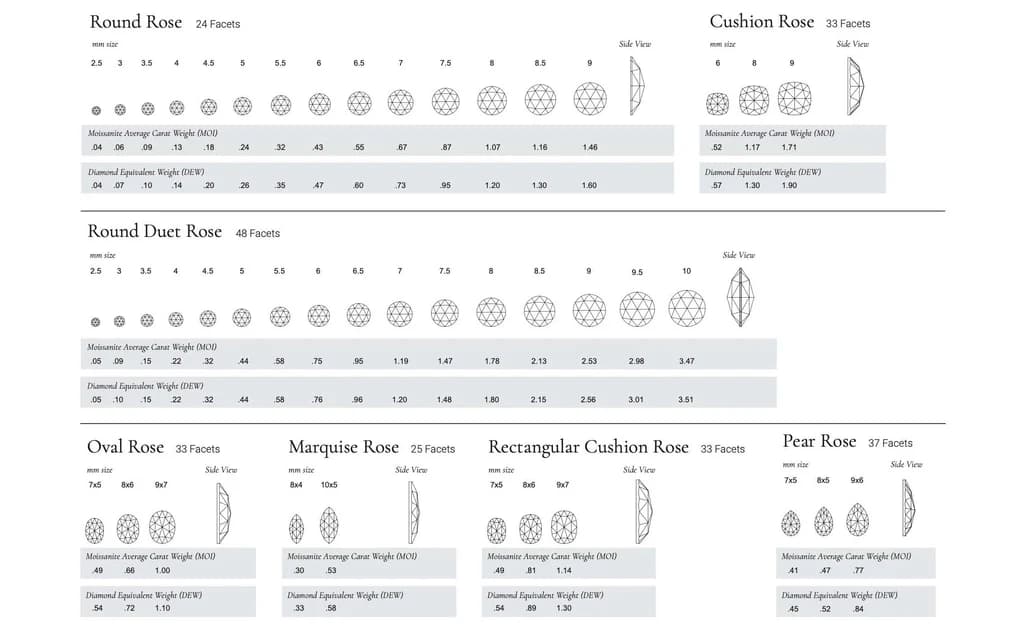
How to make moissanite rings last through everyday wear
Moissanite is durable, but the ring fails at the prongs, not the stone. Take it off for impact work, store it alone, and inspect the setting before a small bend becomes a repair.

Charles & Colvard created moissanite ranks 9.25 on the Mohs scale in Rio Grande’s bench guide, second only to diamond, but the guide also warns that chipping can happen if care is not taken when the stone is worked. For anyone wearing a moissanite ring every day, the gem may be exceptionally tough, but the prongs, gallery, and metal around it usually determine how long the piece stays secure.
Why the stone is only part of the story
Moissanite’s reputation often gets reduced to a single number. The stone resists scratches so well that steel setting tools, which Rio Grande lists at a hardness of 6, will not scratch it, but a ring does not live on hardness alone. The real durability question is the setting that holds the stone, and that is exactly where daily wear does its quiet damage: prongs loosen, shanks thin, and exposed edges take the hits.
Longevity also depends on durable engagement-ring construction. A moissanite ring is a system, not a single material, and the lifespan of that system depends on the weakest component. In practical terms, that means the center stone may remain pristine while the metal around it slowly loses tension.
Take it off for impact, leverage, and grit
The safest habit is also the least glamorous one: remove moissanite rings before high-impact or high-friction activities. Weightlifting, rock climbing, contact sports, gardening, and heavy DIY work all create the kind of pressure that can bend prongs or deform precious metals even when the gemstone itself resists scratching. A ring worn through a barbell session or a day with tools is not being tested for sparkle; it is being tested for structural fatigue.
That same logic applies to any task that puts your hand in tight spaces or against abrasive surfaces. Soil, concrete dust, and repeated contact with metal handles can all wear away finishes and nudge a setting out of alignment. If you want the ring to keep its line and its security, the safest move is to leave it off before the work begins, not after you feel a snag.
Store it so the finish stays clean and the setting stays intact
How you put the ring away matters almost as much as how you wear it. Moissanite jewelry should be stored separately from other pieces so that the metal finish and adjacent stones do not scratch one another. A soft pouch, a lined compartment, or a dedicated ring box protects the piece far better than a shared drawer where chains, bracelets, and harder stones can knock against it.
This is especially important for rings with pavé, halo, or channel-set accents. In those designs, the small stones and shared metal walls can be more vulnerable than the center stone, so one careless tumble into a jewelry dish can do more damage than a month of normal wear. Separate storage keeps tiny accent stones from rubbing against one another and helps preserve the ring’s polish.
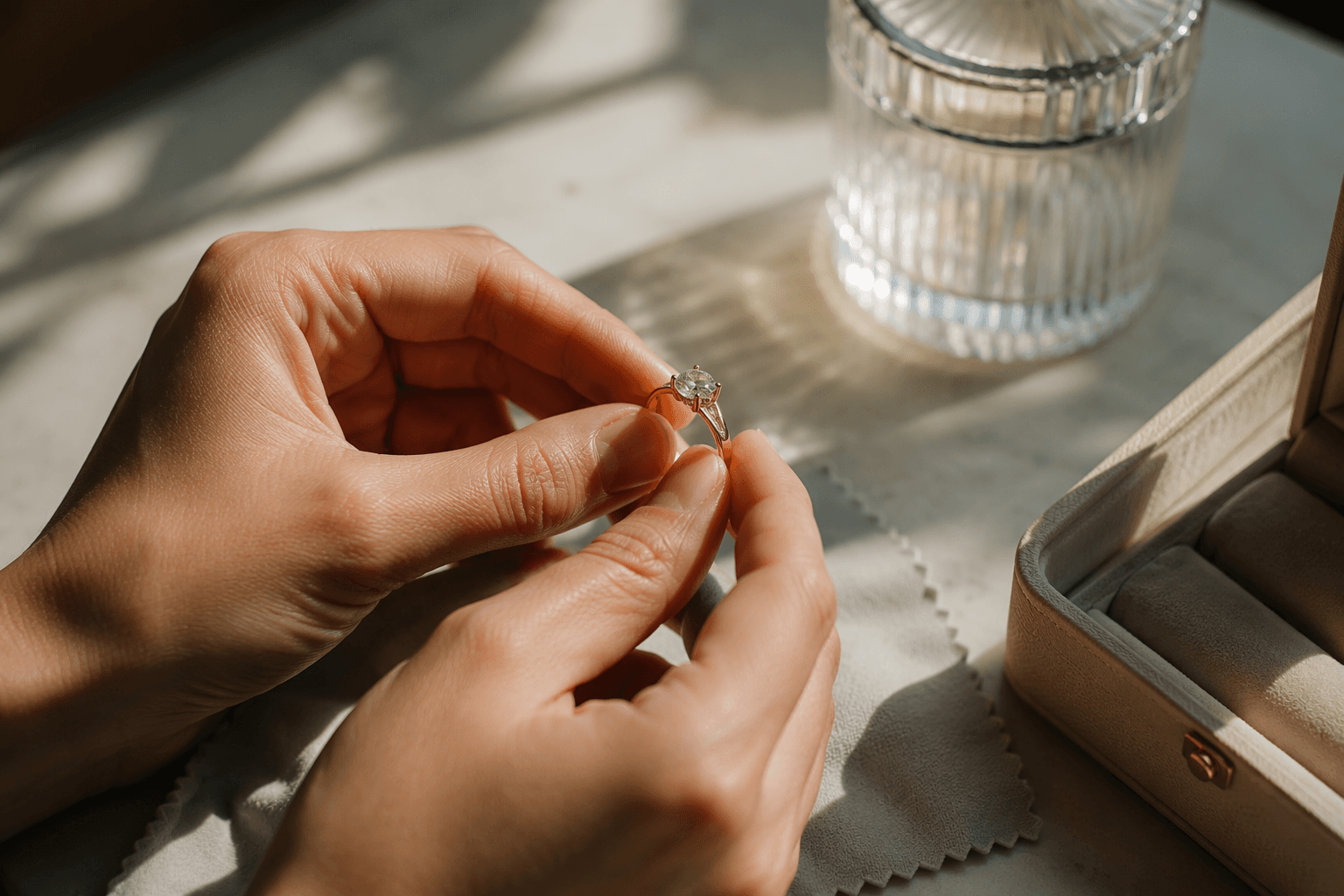
Choose the setting with real life in mind
For daily wear, the most protective designs are usually low-profile settings and bezels. A bezel wraps metal around more of the stone’s edge, which gives it better protection from direct impact than a tall solitaire with exposed prongs. That does not make prong settings a mistake, but it does mean they ask more from you in terms of inspection and more from the jeweler in terms of workmanship.
If you wear a ring constantly, look at how high the center stone sits above the finger and how much of its edge is exposed. Tall settings catch more on gloves, knitwear, and bags, and that is where the drama starts: a small catch can bend a prong just enough to create movement, and movement is what eventually leads to a loose stone. A lower setting, especially one with a more protective frame, reduces that risk.
Know the warning signs that need immediate attention
A daily-wear ring rarely fails all at once. It gives hints first, and those hints are the moments to act. If you notice any of the following, the setting should be checked right away:
- The stone shifts when you touch it lightly
- A prong looks bent, thin, or uneven compared with the others
- The ring catches on fabric more than it used to
- You can see light under part of the stone where the setting used to sit flush
- A halo, pavé, or channel detail looks irregular, tilted, or missing a tight line of stones
A loose stone rarely stays loose in a controlled way. A bench jeweler can check for worn seats, loose prongs, and small bends before the issue becomes a lost stone or a more expensive rebuild. Repairs, sizing, and re-tipping help keep the setting doing its job.
Treat maintenance as part of the purchase, not an afterthought
The smartest moissanite owners think about maintenance the way they think about setting style: as part of the value. Repairs, sizing, and re-tipping belong in the normal life of the ring, not at the edge of disaster. A ring inspected before the prongs wear thin is usually a small adjustment; the same ring ignored until the stone moves can turn into a larger repair.
This article was produced by Prism’s automated news system from verified source data, official records, and press releases, then run through automated quality and moderation checks before publishing. The system is built and supervised by the people who set the standards it runs under. Read our full AI policy.
Did this article answer your question?