Blue Nile's Pearl Guide Covers Types, Care, and Smart Shopping Tips
A single freshwater oyster yields up to 50 pearls per cycle; an Akoya produces just one or two. That biological fact explains almost everything about smart pearl buying.
The global pearl jewelry market was valued at approximately $13.5 billion in 2024, and analysts project it will reach as much as $48 billion by 2034, driven by evolving fashion trends, e-commerce accessibility, and rising consumer interest. Behind those numbers is a category that rewards the informed buyer: pearl prices vary enormously by type, origin, and quality, and knowing the difference between a $90 freshwater strand and a $9,000 South Sea necklace is not a matter of taste — it's a matter of biological fact.
The Cultured Pearl Revolution
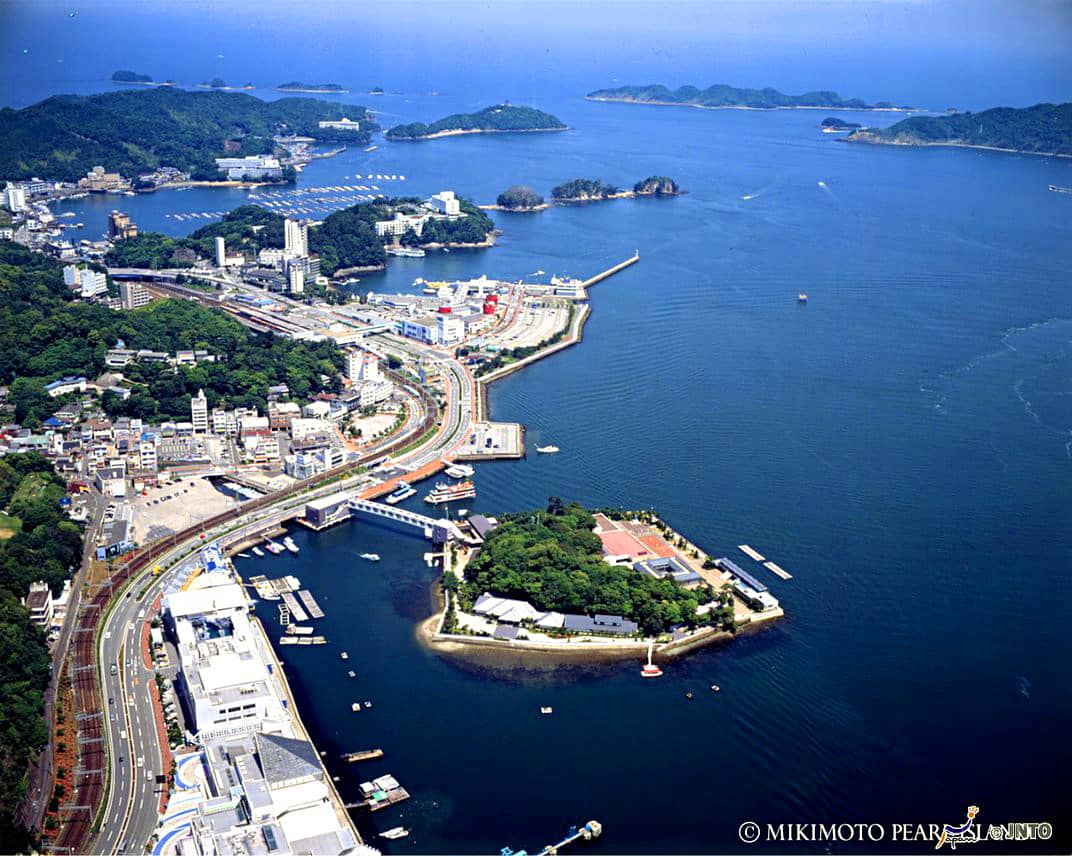
The modern pearl industry traces back to three Japanese inventors who, working independently in the early 20th century, developed techniques for producing the first Akoya cultured pearls. One was a teenage carpenter named Tatsuhei Mise; another was a government marine biologist at Tokyo University named Tokichi Nishikawa. The third was Kōkichi Mikimoto, whose name became synonymous with cultured pearls worldwide. By 1931, Mikimoto Pearls had become a global presence, with 51 pearl farms flourishing in Japan. By 1938, the number of pearl farms in Japan had increased to over 360, peaking at a production of nearly 11 million pearls annually. That industrialization ended the centuries-long reign of natural pearls and, crucially, made pearls accessible to far more than royalty.
Understanding the Four Main Pearl Types
The pearl market divides cleanly into four categories, each grown in a specific species of mollusk, in a specific part of the world, at a specific price point.
*Freshwater pearls* are farmed primarily in China and represent the most accessible entry point. Freshwater pearl oysters can yield up to 50 pearls in one growth cycle, which is why freshwater strands can be bought for a fraction of what saltwater varieties cost. The tradeoff is that freshwater pearls have historically been less round and their luster less mirror-sharp than Akoya counterparts, though top-quality freshwater pearls now rival Akoya in appearance.
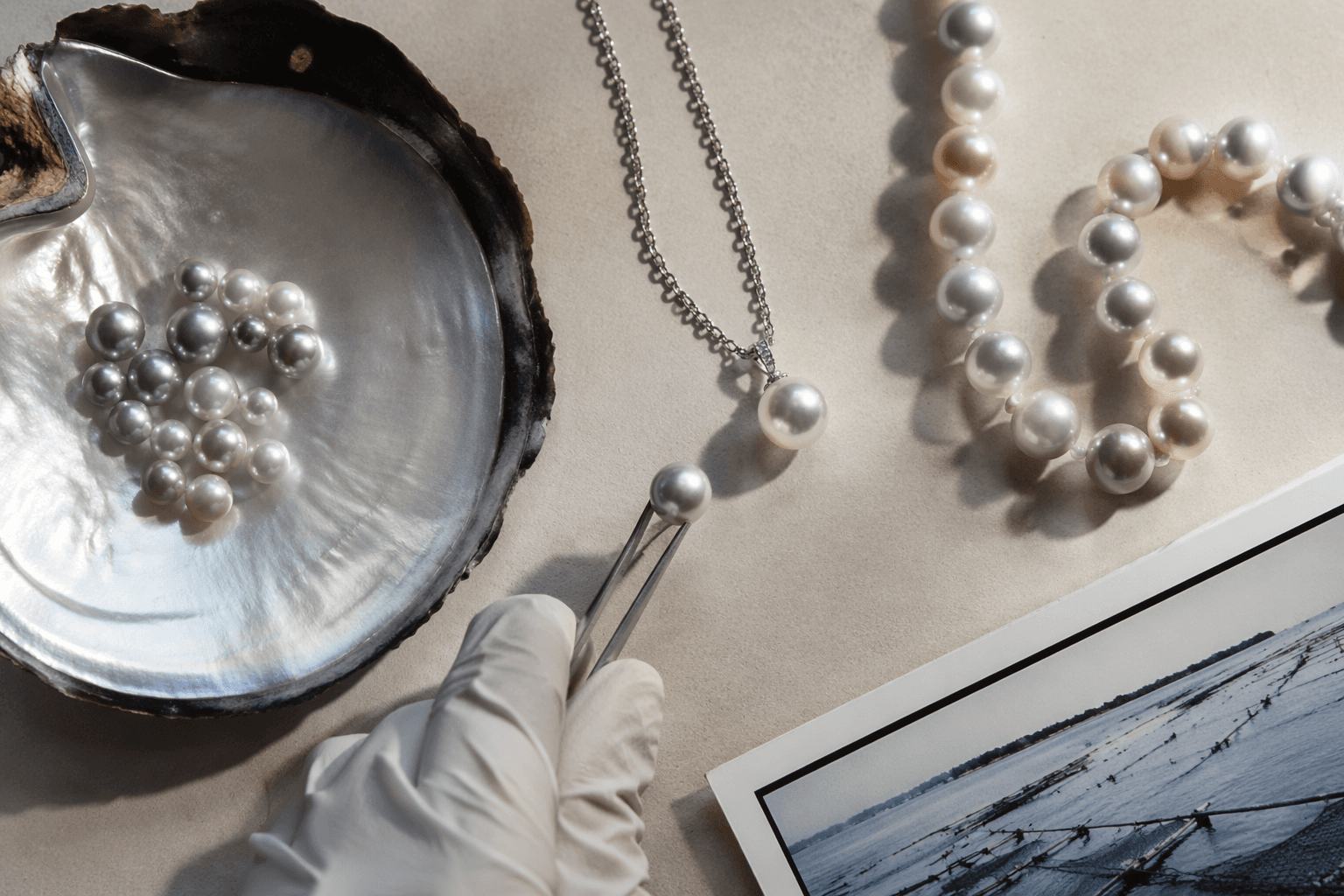
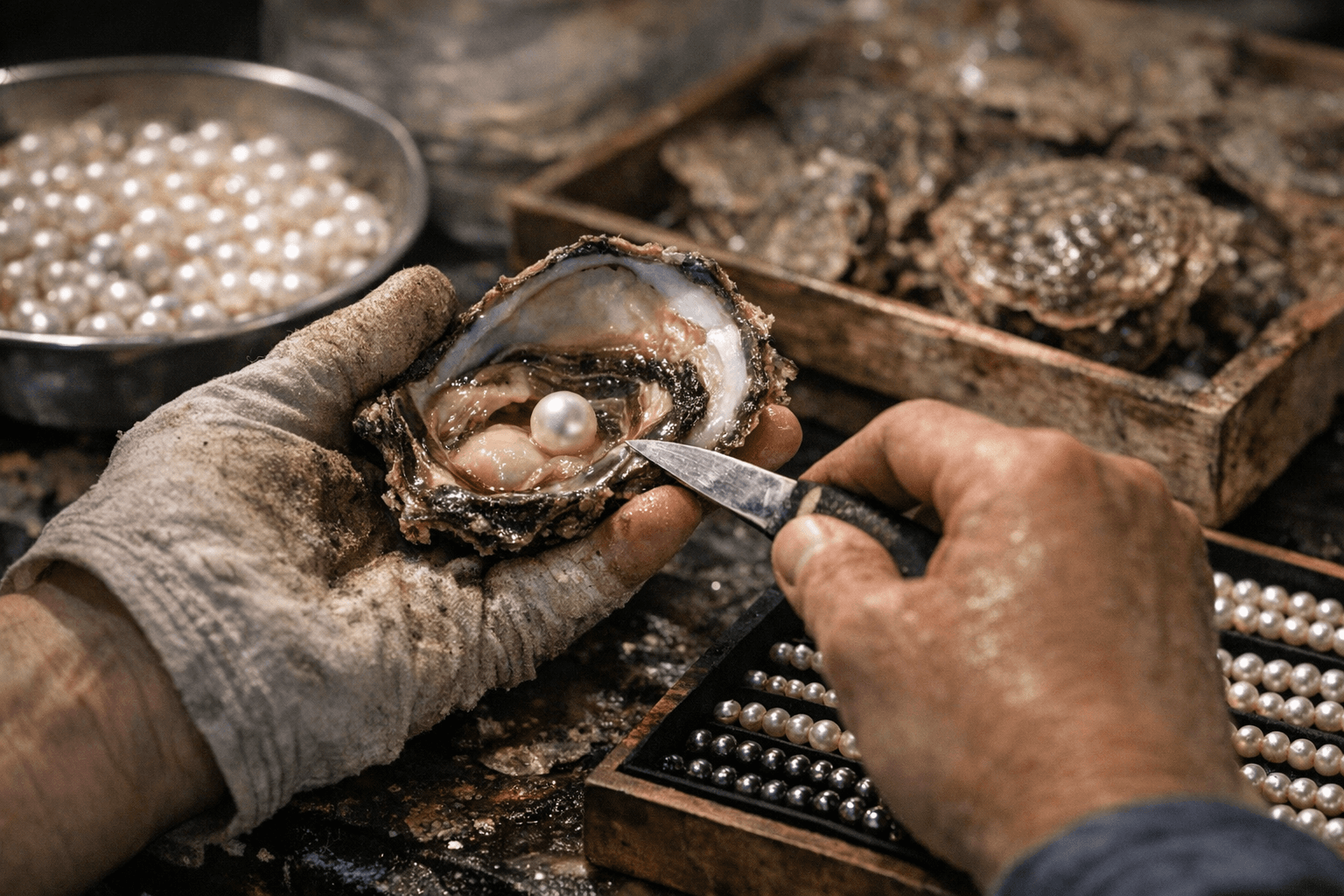
*Akoya pearls* are Japan's signature contribution: saltwater pearls grown in Pinctada fucata oysters, with saltwater pearl-bearing oysters capable of growing only one pearl, or two at most, per cycle. That biological scarcity directly justifies the price premium. Akoyas typically range from 5mm to 9mm and are prized for their high-gloss white or cream body color with rose or silver overtones. A mid-range, high-quality white Akoya pearl necklace typically runs between $250 and $5,000, with size and luster quality as the primary price drivers.
*South Sea pearls* are grown in Pinctada maxima oysters across the waters of Western Australia, the Philippines, Indonesia, and Burma. They are the largest commercially produced pearls, typically ranging from 9mm to 20mm, and they grow the thickest nacre of any cultured variety. South Sea pearls average 2 to 3 millimeters of nacre, which produces a distinctive satiny glow rather than the sharper reflective shine of an Akoya. Their size and long cultivation period (two to four years per pearl) place them firmly at the top of the price range.
*Tahitian pearls* are grown in Pinctada margaritifera oysters in the lagoons of French Polynesia. Their signature body color ranges from charcoal gray to deep green-black, with overtones that can include peacock, aubergine, and blue. Tahitian pearls average 1 to 2 millimeters of nacre, thinner than South Sea but still considerably more substantial than Akoya, and their size typically falls between 8mm and 14mm.
How to Evaluate Pearl Quality: The GIA Framework
The Gemological Institute of America evaluates pearls using seven value factors: size, shape, color and overtone, luster, surface, matching (for strands), and nacre quality. Understanding each one changes how you shop.
Luster is the factor most buyers feel instinctively but cannot always articulate. Pearls with excellent luster have sharp, bright reflections on the surface, and different pearl varieties have different standards for luster. The GIA Luster Scale ranges from Excellent to Poor. A pearl with poor luster looks chalky or dull; one rated Excellent will reflect your own image back at you like a convex mirror.
Surface quality is graded on its own scale. The GIA Surface Scale classifies pearls as Clean, Lightly Spotted, Moderately Spotted, or Heavily Spotted. Minor surface characteristics on an otherwise luminous pearl are acceptable; heavy spotting that compromises structural integrity is not. On a strand, blemishes positioned near the clasp or drill hole are far less disruptive than those centered on the pearl's face.
Nacre thickness deserves particular attention. Pearls with nacre below 0.3 millimeters have seen a 25% decrease in value, reflecting growing buyer awareness that thin nacre not only dulls luster over time but makes pearls vulnerable to peeling. Ask any seller to confirm nacre quality — a reputable source will have documentation or grading reports to support the claim.
Choosing the Right Pearl for the Right Purpose
Blue Nile's approach to selection rightly frames the question around intended use. A pair of 6mm freshwater or Akoya studs worn daily needs durability and ease; a South Sea strand purchased as an investment piece requires a closer read of certification and nacre documentation. For everyday wear, simplicity and consistent luster matter more than flawless surfaces. For investment-grade pieces, prioritize nacre thickness, shape (the rounder the better), and provenance documentation.
Necklace Lengths and What They Mean
Pearl necklace length is not a technicality — it determines how a piece wears, photographs, and relates to neckline and occasion. The four standard lengths each carry a distinct personality:
- Choker (14 to 16 inches): Sits at or just above the collarbone. Clean, modern, and effortlessly formal. Pairs best with V-necks and open necklines.
- Princess (17 to 19 inches): The most versatile length, falling just below the collarbone. Works with virtually every neckline and occasion, from office to evening.
- Matinee (20 to 24 inches): A statement length that works especially well with business attire or layered looks. Long enough to layer but short enough to avoid distraction.
- Opera (28 to 36 inches): Elegant and theatrical. Can be worn long or doubled for a layered effect, making it one of the most adaptable lengths for formal dressing.
Confirming Authenticity and Asking the Right Questions
Before any purchase, ask the seller to confirm pearl origin, whether any treatments (bleaching, coating, or dyeing) have been applied, and whether a grading report from a recognized institution is available. Cultured pearls dominate the market, but the distinction between cultured and imitation is not always clearly communicated to first-time buyers. A simple tactile test: rub the pearl gently against the edge of a tooth. A genuine pearl, cultured or natural, will feel slightly gritty; an imitation glass or plastic pearl will feel perfectly smooth.
The Basics of Pearl Care
Pearls are organic gems with a hardness of only 2.5 to 4.5 on the Mohs scale, which makes them among the most chemically sensitive materials in fine jewelry. Apply perfume, hairspray, and cosmetics before putting on pearls — never after. The oils and acids in these products erode nacre over time with no visible warning until the damage is done.
Store pearls flat in a soft cloth pouch or a dedicated jewelry roll, separated from metal pieces that can scratch the surface. Pearl necklaces should be restrung every one to three years depending on how frequently they are worn, with knotting between each pearl to prevent strand loss if the silk breaks. A trusted jeweler can complete a restringing in a matter of days and inspect clasp integrity at the same time.
The market for pearl jewelry is growing faster than almost any other fine jewelry category, but the fundamentals of buying wisely have not changed. The buyer who understands luster, nacre, and provenance will always make a better decision than the buyer dazzled by marketing language alone.
Here are the key search results used in this article, with citations:
The global pearl jewelry market was valued at approximately $13.53 billion in 2024 and is projected to reach $48.14 billion by 2034 at a CAGR of roughly 13.53%.
Freshwater pearl oysters can yield up to 50 pearls in one growth cycle.
Pearls with nacre below 0.3 millimeters have seen a 25% decrease in value in 2025 due to the risk of peeling.
By 1938, the number of pearl farms in Japan had increased to over 360, peaking at a production of nearly 11 million pearls annually.
The GIA evaluates pearls using seven value factors: size, shape, color and overtone, luster, surface, matching, and nacre quality.
The global pearl jewelry market was valued at approximately $13.5 billion in 2024, and analysts project it will reach as much as $48 billion by 2034, driven by evolving fashion trends, e-commerce accessibility, and rising consumer interest. Behind those numbers is a category that rewards the informed buyer: pearl prices vary enormously by type, origin, and quality, and knowing the difference between a $90 freshwater strand and a $9,000 South Sea necklace is not a matter of taste — it is a matter of biological fact.
The Cultured Pearl Revolution
The modern pearl industry traces back to three Japanese inventors who, working independently in the early 20th century, developed techniques for producing the first Akoya cultured pearls. One was a teenage carpenter named Tatsuhei Mise; another was a government marine biologist at Tokyo University named Tokichi Nishikawa. The third was Kōkichi Mikimoto, whose name became synonymous with cultured pearls worldwide. By 1931, Mikimoto Pearls had become a global presence, with 51 pearl farms flourishing in Japan. By 1938, the number of pearl farms in Japan had increased to over 360, peaking at a production of nearly 11 million pearls annually. That industrialization ended the centuries-long reign of natural pearls and made the gem accessible far beyond royalty.
The Four Pearl Types: A Buyer's Geography Lesson
The pearl market divides cleanly into four categories, each grown in a specific mollusk, in a specific part of the world, at a specific price point.
*Freshwater pearls* are farmed primarily in China and represent the most accessible entry point. Freshwater pearl oysters can yield up to 50 pearls in one growth cycle, which is why freshwater strands can be bought for a fraction of what saltwater varieties cost. The tradeoff is that freshwater pearls have historically been less uniformly round and their luster less mirror-sharp than Akoya counterparts, though top-quality freshwater pearls now rival Akoya in appearance at a significantly lower price.
*Akoya pearls* are Japan's signature contribution: saltwater pearls grown in Pinctada fucata oysters, with saltwater pearl-bearing oysters capable of growing only one pearl, or two at most, per cycle. That biological scarcity directly justifies the price premium. Akoyas typically range from 5mm to 9mm and are prized for their high-gloss white or cream body color with rose or silver overtones. A mid-range, high-quality white Akoya pearl necklace typically runs between $250 and $5,000, with size and luster quality as the primary price drivers.
*South Sea pearls* are grown in Pinctada maxima oysters across Western Australia, the Philippines, Indonesia, and Burma. They are the largest commercially produced pearls, typically ranging from 9mm to 20mm, and they grow the thickest nacre of any cultured variety. South Sea pearls average 2 to 3 millimeters of nacre, which produces a distinctive satiny glow rather than the sharper reflective brilliance of an Akoya. Their size and long cultivation period place them firmly at the top of the price range.
*Tahitian pearls* are grown in Pinctada margaritifera oysters in the lagoons of French Polynesia. Their body color ranges from charcoal gray to deep green-black, with overtones that include peacock, aubergine, and blue. Tahitian pearls average 1 to 2 millimeters of nacre, thinner than South Sea but considerably more substantial than Akoya, with sizes typically falling between 8mm and 14mm.
How to Evaluate Pearl Quality: The GIA Framework
The Gemological Institute of America evaluates pearls using seven value factors: size, shape, color and overtone, luster, surface, matching (for strands), and nacre quality. Understanding each one changes how you shop.
Luster is the factor most buyers feel instinctively but cannot always name. Pearls with excellent luster have sharp, bright reflections on the surface, and different pearl varieties have different standards for luster. The GIA Luster Scale ranges from Excellent to Poor. A pearl with poor luster looks chalky or dull; one rated Excellent will reflect your own image back at you like a convex mirror.
Surface quality is graded on its own scale. The GIA Surface Scale classifies pearls as Clean, Lightly Spotted, Moderately Spotted, or Heavily Spotted. Minor surface characteristics on an otherwise luminous pearl are acceptable and expected. On a strand, blemishes positioned near the clasp or drill hole are far less disruptive than those centered on the pearl's face.
Nacre thickness is where many buyers make costly mistakes. Pearls with nacre below 0.3 millimeters have seen a 25% decrease in value, reflecting the risk of peeling. Thin nacre not only dulls luster over time but makes pearls structurally fragile. Any reputable seller should be able to confirm nacre quality with documentation or a grading report.
Choosing the Right Pearl for the Right Purpose
Blue Nile's selection framework rightly starts with intended use. A pair of 6mm Akoya studs worn daily needs durability above all; a South Sea strand purchased as an heirloom investment requires close attention to certification and nacre documentation. For everyday wear, consistent luster and a secure setting matter more than flawless surfaces. For investment-grade pieces, prioritize nacre thickness, shape roundness, and provenance.
Necklace Lengths and What They Mean
Pearl necklace length is not a technicality. It determines how a piece wears against the body, relates to neckline, and reads in different social contexts. The four standard lengths each carry a distinct character:
- Choker (14 to 16 inches): Sits at or just above the collarbone. Clean, modern, and effortlessly formal. Pairs best with open necklines and V-neck silhouettes.
- Princess (17 to 19 inches): The most versatile length in the range, falling just below the collarbone. Works across virtually every neckline and occasion, from office to evening.
- Matinee (20 to 24 inches): A statement length that reads particularly well with business attire or layered looks. Long enough to make an impression without requiring a formal occasion.
- Opera (28 to 36 inches): Elegant and theatrical. Can be worn long or doubled for a layered effect, making it the most adaptable length for formal dressing.
Confirming Authenticity Before You Buy
Ask the seller to confirm pearl origin, whether any treatments such as bleaching, coating, or dyeing have been applied, and whether an independent grading report is available. Cultured pearls dominate the market, but the distinction between cultured and imitation is not always clearly communicated to first-time buyers. One reliable in-store test: rub the pearl gently against the edge of a tooth. A genuine pearl, cultured or natural, will feel faintly gritty due to its layered nacre structure. An imitation glass or plastic pearl will feel perfectly smooth.
The Essentials of Pearl Care
Pearls rank between 2.5 and 4.5 on the Mohs hardness scale, making them among the most chemically sensitive materials in fine jewelry. The rule is simple: pearls go on last and come off first. Apply perfume, hairspray, and cosmetics before wearing pearls — never after. Acids, alcohols, and oils erode nacre silently over years.
Store pearls flat in a soft cloth pouch or dedicated jewelry roll, away from metal pieces that can scratch the surface. Pearl necklaces should be restrung on knotted silk every one to three years depending on frequency of wear. The knots between each pearl prevent total strand loss if the thread breaks, and a skilled jeweler can inspect clasp integrity during the same appointment.
The pearl market is expanding faster than almost any other segment of fine jewelry, but the fundamentals of buying wisely remain the same as they were in Mikimoto's era: understand what you are looking at, ask the right questions, and let quality of nacre, not marketing language, be your guide.
This article was produced by Prism’s automated news system from verified source data, official records, and press releases, then run through automated quality and moderation checks before publishing. The system is built and supervised by the people who set the standards it runs under. Read our full AI policy.
Did this article answer your question?