Bridal Pearl Superstitions, From Tears to Traditions, Explained for Modern Shoppers
A Netflix horror miniseries just reignited a centuries-old debate: do pearls bring tears to a bride? Here's what the folklore actually says, and what modern shoppers need to know.
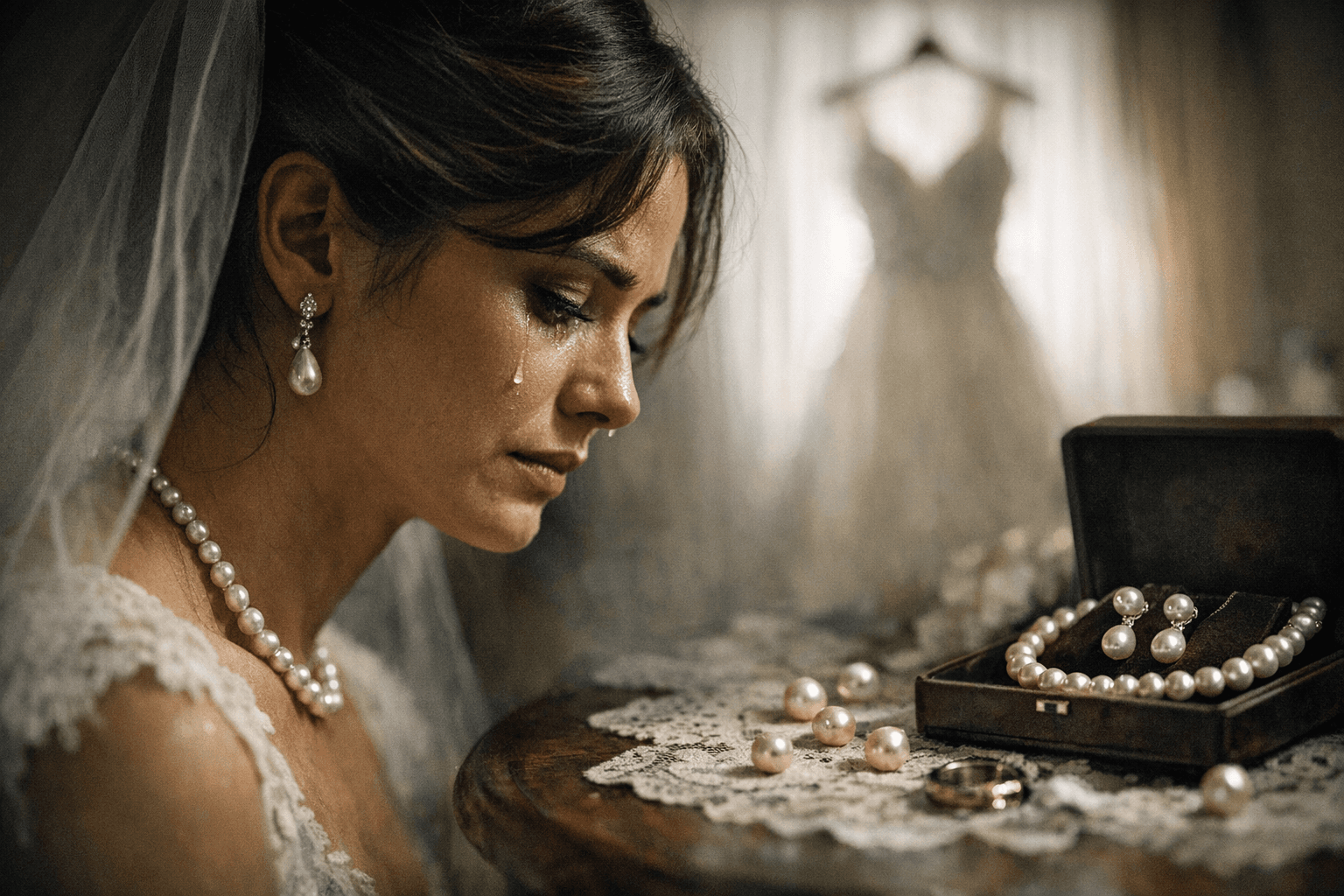
When Rachel, the anxious bride at the center of Netflix's horror miniseries *Something Very Bad Is Going to Happen*, recoils from a strand of pearls, she isn't being dramatic for the cameras. She's tapping into one of the most durable superstitions in jewelry history, one that stretches back to ancient Rome and has quietly shaped bridal buying decisions ever since. The miniseries, created by Haley Z. Boston, follows a woman named Rachel as she meets her fiancé Nicky's family at their secluded cabin ahead of their wedding, and as the big day draws closer, she becomes convinced something terrible is going to happen. The pearl detail is not incidental. It is the superstition made cinematic.
Where the Superstition Comes From
In English folklore and old wives' tales, pearls were thought to symbolize tears. The idea was that if a bride wore pearls, she'd cry throughout her marriage or experience sadness in her relationship. That belief did not emerge in a vacuum. The superstition likely originated in ancient Rome, where pearls were worn at funerals to symbolize grief.
The Roman connection runs deeper than funeral rites. Born in the wombs of shells and polished by mother nature herself, pearls were regarded as gifts from the gods. For millennia, the creation of pearls was credited to the tears of heavenly creatures or the formation of sun-touched dewdrops. A gem whose very origin story is rooted in weeping carries that symbolism wherever it travels. Pearls symbolized power and wealth in ancient Rome, and in the time of Julius Caesar, only the elite were allowed to wear them. Yet that same exclusivity also bound them to ritual mourning, creating a dual identity the stone has never quite shed.
The Victorian era cemented the association for English-speaking cultures. Some believed that a bride wearing pearls would cry many tears during her marriage, a superstition that lingered long after formal mourning dress went out of fashion. The very elegance that made pearls appropriate for grief also made them a complicated choice for celebration.
How the Omen Intensifies
Some even believed that pearls represented a broken relationship before it even started. The smoother and rounder the pearl, the more it was seen as an omen, a warning that the couple might not stay happily married for long. This is a striking detail for anyone shopping for bridal pearls: the qualities jewelers prize most, the perfect spherical shape, the clean nacre surface, were historically the very attributes that deepened the superstition. A baroque or slightly irregular pearl, by that old logic, carried less ominous weight than a flawless Akoya or South Sea strand.
In Indian mythology, pearls are believed to be the tears of the sea mourning the death of a snake king. In some cultures, pearls were thought to be frozen raindrops or petrified dewdrops. These origin myths are not mere curiosities. They explain why the tear symbolism feels so persistent: it is embedded in how almost every ancient culture explained the pearl's existence in the first place.
A Superstition Without Borders
The belief is not confined to England or Rome. It surfaces across multiple continents, each culture adding its own variation. In Greece, the belief that pearls worn on a wedding day will bring tears to the marriage is shared by some. In Brazil, it's believed that bad luck can be amplified if they are a wedding gift, especially if gifted to the bride by someone outside the family.
In parts of Asia, pearls take on a nuanced meaning, often avoided for romantic occasions and gestures, because they are certainly beautiful, but born of suffering for the oyster. The philosophical logic here differs from the European version: it is not about tears in a metaphorical sense but about the creature's suffering that produces the gem. For buyers who care about provenance and material ethics, that is worth sitting with.
Yet even as some cultures have warned against bridal pearls, others have embraced them. In India, for example, pearls carry associations with purity and auspiciousness, representing a strikingly different tradition. The superstition, like most superstitions, is less a universal truth than a reflection of the culture telling it.
The Tooth Test: A Quick Authenticity Check
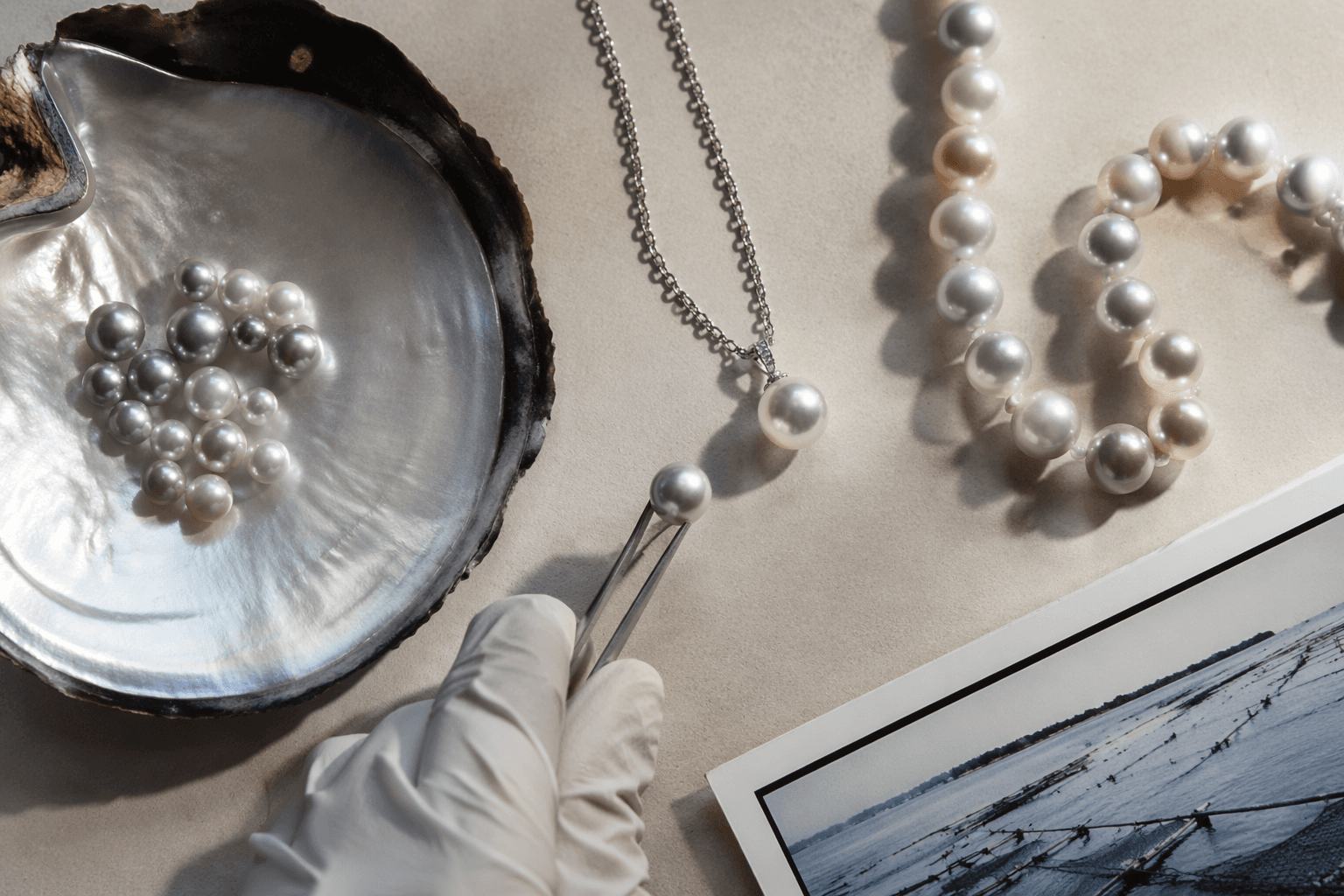
Beyond symbolism, the research notes highlight a practical detail that every pearl buyer should know: how to tell whether a pearl is real. The method is remarkably simple and requires nothing more than your own front teeth.
Real pearls feel slightly gritty when rubbed against your teeth but appear smooth to the naked eye. Under magnification, they have a subtle textured surface with microscopic ridges. That grittiness comes from the layered crystalline structure of nacre, the same aragonite platelets that give pearls their luminous depth. Fake pearls feel smooth against the teeth. A glass or plastic imitation has no microscopic surface texture because it has no nacre at all.
Beyond the tooth test, there are a few other markers worth knowing:
- Real pearls are rarely perfectly uniform in shape; slight variation in size or roundness across a strand signals authenticity
- Luster in genuine pearls has depth and an inner glow; imitations tend toward a flat, surface-only shine
- Drill holes in real pearls have crisp, clean edges; fakes often show melted or uneven edges from the manufacturing process
- Real pearls feel cool to the touch initially and warm slowly; plastic fakes tend to feel room temperature immediately
What Modern Brides Are Actually Doing
The pearlcore trend that swept through fashion in 2025 and 2026 has brought pearls back to the forefront of discussions about bridal style. And increasingly, brides are choosing to wear them anyway. The superstition is unfounded, and wearing pearls is merely a matter of taste, according to experts at The Knot.
Many modern brides are bucking traditions to embrace pearls on the big day. Pearls are also commonly seen on bridesmaids in modern times, both as a pretty style and as a way to keep pearls off the bride herself for those who want to honor the old belief without abandoning the aesthetic entirely.
For buyers navigating this, the honest answer is that no piece of jewelry carries inherent luck, good or bad. What it carries is meaning, and meaning is something you assign. The more useful questions are whether the pearls are genuine, whether they were sourced responsibly, and whether the nacre quality is worth the price. A well-matched strand of Akoya pearls with thick nacre and high luster will outlast any superstition. The folklore is fascinating context; the craftsmanship is what you're actually investing in.
The enduring power of the tear superstition is really a testament to how deeply people want their jewelry to mean something on the most significant day of their lives. That impulse, to choose objects that carry weight and story, is exactly why pearls have never gone out of fashion. Whether you treat the old Roman warning as a reason to pause or a myth to happily ignore, knowing where it comes from puts you in a better position to make the choice that is actually yours.
This article was produced by Prism’s automated news system from verified source data, official records, and press releases, then run through automated quality and moderation checks before publishing. The system is built and supervised by the people who set the standards it runs under. Read our full AI policy.
Did this article answer your question?