Timeless Symbols Unite Passover, Easter Jewelry (includes pearl options for spring wardrobes)
The GIA's seven pearl value factors give spring shoppers a precise lens for choosing one cultured pearl piece that moves from a Passover seder to a spring garden party without skipping a beat.
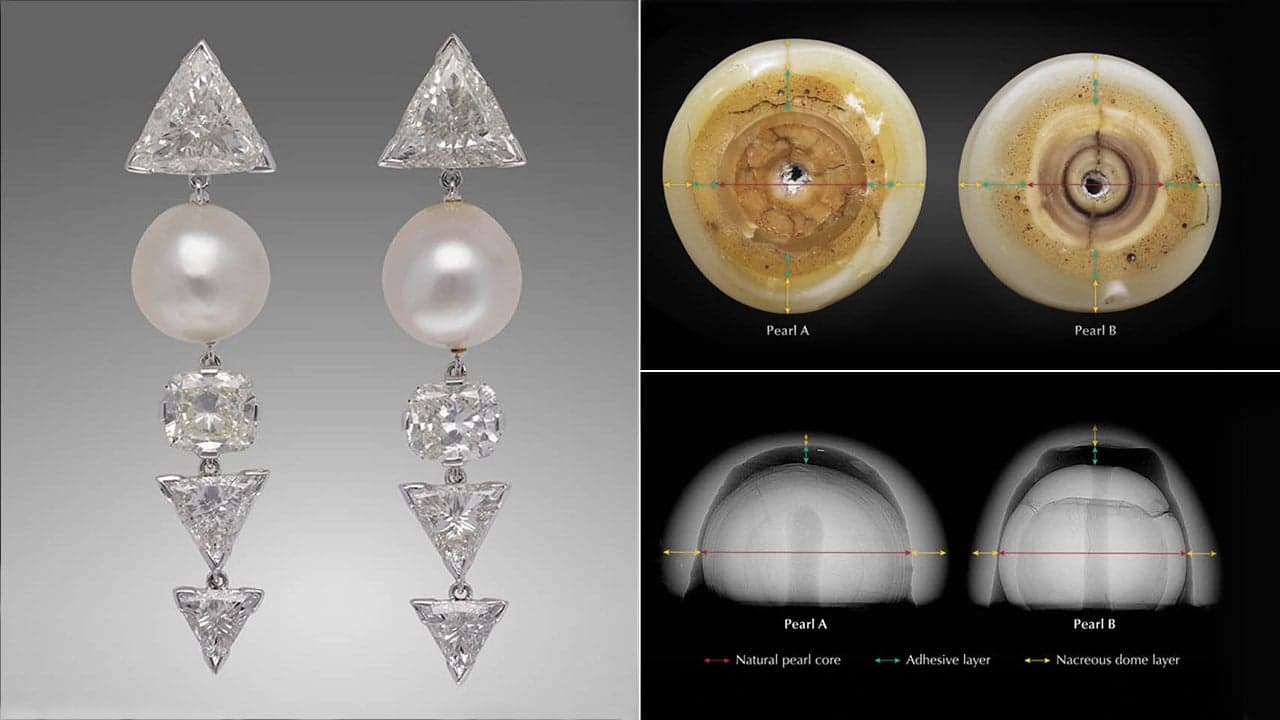
Start with the GIA's framework, and suddenly pearl shopping stops feeling overwhelming. The GIA 7 Pearl Value Factors, developed over 70 years of research, evaluate every cultured pearl across Size, Shape, Color, Luster, Surface, Nacre, and Matching. That last factor matters especially when you're buying a single statement piece for spring gatherings: a strand or pair of studs whose pearls are visually harmonious reads as considered, not assembled. With Passover and Easter both arriving deep in spring this year, the timing is genuinely good to invest in one versatile pearl piece that works harder than anything else in your jewelry box.
Why Pearls Belong at the Spring Table
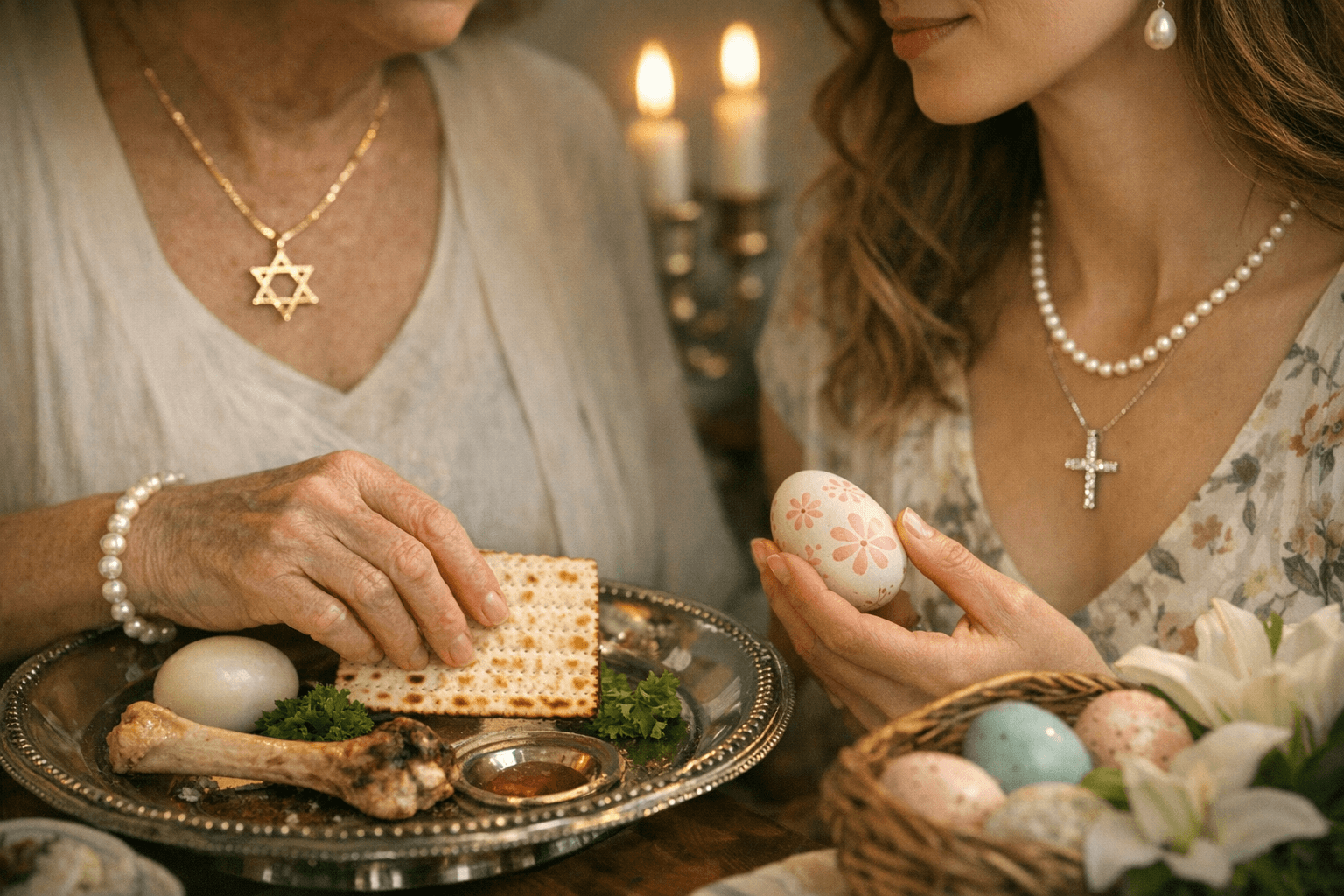
The resonance between pearls and spring holidays isn't decorative; it's structural. Both Passover and Easter draw on imagery of emergence and renewal: the egg, the shell, new life coaxed from enclosure. A pearl, which forms when an oyster responds to an irritant by layering nacre around it, is arguably the most literal embodiment of that idea in the jewelry world. Wearing pearls to a seder or Easter brunch isn't an imposition of symbolism; it's a quiet nod that most guests in any tradition will feel without needing it explained.
That subtlety matters. The goal isn't a pendant shaped like an egg or a lamb brooch. It's choosing a material whose inherent qualities, a soft iridescence called orient, a surface that seems lit from within, already carry the season's meaning. Pair cultured pearl studs or a strand with a dress in sage green, soft mint, or dusty blush and the seasonal reference becomes effortless rather than costumed.
Neckline Pairing: The Decision That Determines Everything
Before you think about pearl size or price, settle on the necklines you'll actually wear across spring. This is the single most practical question in pearl shopping, and it's worth mapping out before you buy.
For V-neck styles, a simple pendant that sits just above the V-point or a longer strand that mirrors the angle keeps the finish clean and elongating. The choker, sitting at the base of the neck, is a timeless classic that adds a graceful accent to any neckline and works well for V-necks, scoop necks, and strapless tops. The princess strand, falling just below the collarbone, is the most popular and versatile length, suiting nearly every outfit and age. A 16-inch choker, by contrast, works beautifully against a scoop or jewel neckline, framing the hollow of the throat without competing with the collar.
Strapless tops or dresses are versatile and can be paired with various necklace styles, including a collarbone necklace, short and long necklaces together, or a single statement piece. The matinee strand, sitting above the bust, is the go-to for professional settings, semi-formal events, and day-to-night transitions. If your spring wardrobe skews toward high necklines or modest silhouettes, a pair of pearl studs is the clear choice: they add presence without negotiating with a collar.
Dressing Modestly Without Dressing Down
Both Passover and Easter gatherings often call for covered shoulders and modest hemlines, particularly in more observant households. Pearl jewelry handles this context naturally. Studs or small drops sit close to the face and read as polished regardless of what the neckline does. A classic princess strand over a high-neck silk blouse or a structured blazer looks far more intentional than any gemstone pendant, because pearls don't fight tailoring the way faceted stones can.
For those wearing a tichel or kippah, or dressing in a way that keeps ornamentation subtle, pearl studs in the 6 to 7 millimeter range offer genuine impact without showiness. They're large enough to read across a Shabbat table but quiet enough to wear on a Tuesday. That everyday wearability is part of their value proposition in a way that a diamond halo or colored stone statement piece rarely matches.
The Day-to-Night Swap
Spring gatherings have a way of extending: the seder dinner runs late, the Easter brunch flows into an afternoon walk, the spring benefit follows cocktail hour. A well-chosen pearl piece earns its place precisely because it transitions without requiring a jewelry change.
The key move is length layering. Start the day with pearl studs and a princess strand worn as a single clean line. For the evening portion of the same event, double the strand to create a shorter, fuller silhouette, or add a second chain to introduce mixed-metal texture. A cultured pearl bracelet added at the wrist during the transition shifts the whole look toward something more festive without a trip to the coat check. The principle is addition rather than replacement: the pearl piece you wore to the candle lighting is the same one you wear to dessert, but the way you're wearing it has changed.
Pearl and Pastel: Pairing With Gemstones for Seasonal Color
Pearl jewelry doesn't have to carry all the color itself. Some of the most wearable spring looks combine cultured pearl with small gemstone accents that read as seasonally relevant without being literal. A pearl stud with a slim pavé band of tsavorite garnet or green tourmaline picks up the green motifs associated with spring and Passover's emphasis on renewal and plant life. Rose quartz or morganite alongside cream or blush freshwater pearls echoes Easter's softer palette without spelling it out.
If you're building a gifting assortment, this pairing logic gives you a tiered structure that works across budgets. Cultured freshwater pearl studs start around $40 to $80 at retail; akoya pearl studs in the 7 to 7.5 millimeter range, with their characteristic mirror luster and fine round shape, begin around $150 and rise with nacre quality. A classic akoya strand at 17 inches in the 7 to 7.5 millimeter range runs $300 to $800 depending on luster grade and matching quality. The upper tier, baroque or keshi cultured pearls in 14-karat gold settings with gemstone accents, sits well above that but remains far more accessible than a comparable colored-stone piece.
A Note on What You're Actually Buying
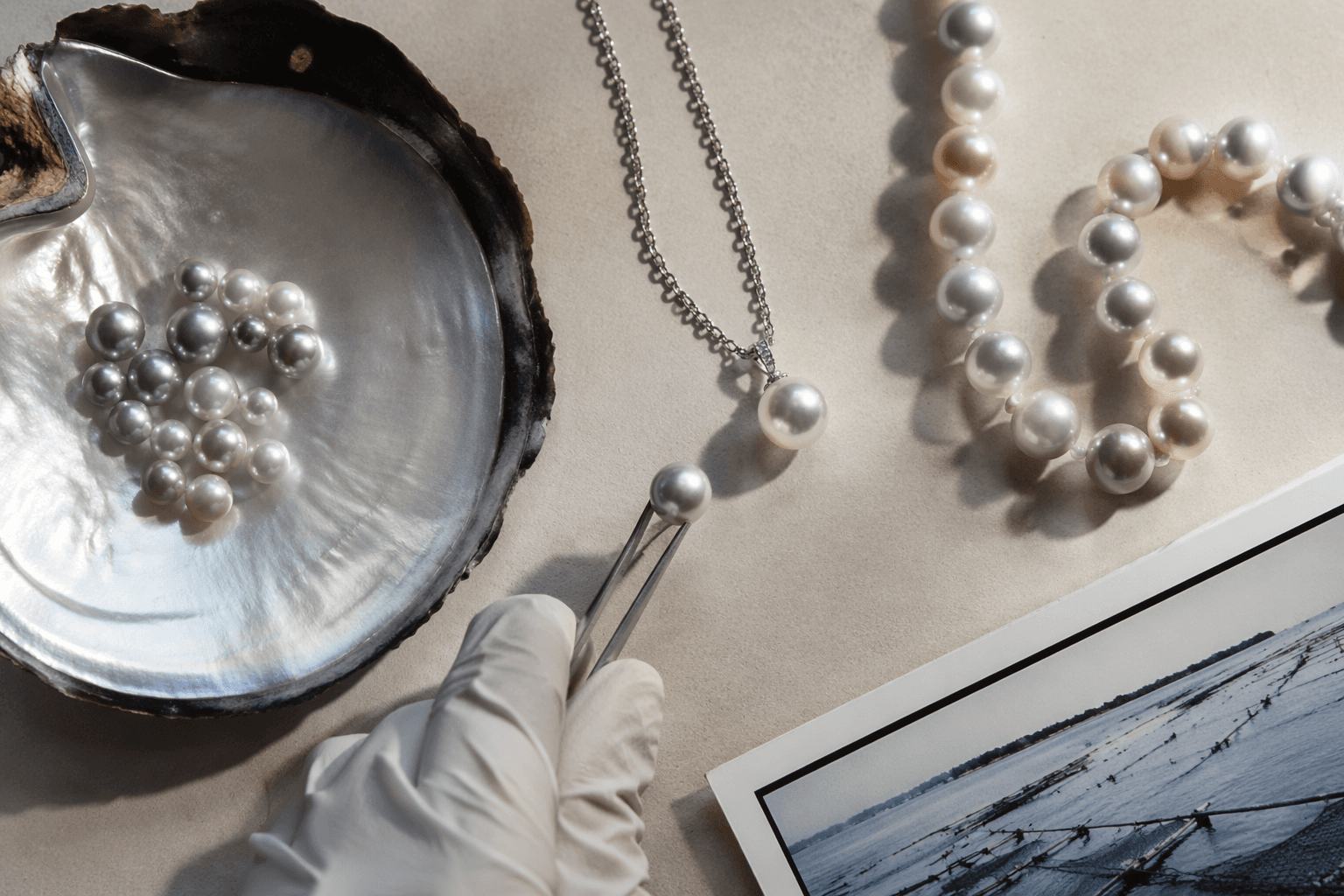
The words "cultured pearl" cover significant ground, and that range matters for anyone buying with ethical sourcing in mind. Japanese akoya pearls are cultivated over four to five years; the entire process, from seeding to harvesting, is labor-intensive and adds to the pearls' exclusivity. Their nacre typically runs 0.4 to 0.6 millimeters thick, which is thinner than freshwater pearls but delivers the bright, sharp luster akoyas are known for. Freshwater pearls typically carry nacre of 1.5 millimeters or more in premium grades, and they come in a wider range of shapes, including the increasingly sought-after baroque forms.
GIA's Bangkok laboratory recently studied hybrid akoya pearls from a farm in Nha Trang, Vietnam, grown from crossbred Pinctada fucata and Pinctada radiata mollusks. These hybrid pearls yield thicker nacre than standard akoyas while the hybrid mollusks are more tolerant of warmer water conditions. It's a useful reminder that provenance is now more granular than "saltwater" or "freshwater": the farm location, mollusk species, and cultivation period all shape what you're holding. Ask for this information. Reputable sellers can provide it, and those who can't are offering you fewer guarantees than the price tag implies.
The Gifting Checklist
If you're buying a pearl piece as a spring gift rather than for yourself, a short set of questions will keep you from getting it wrong:
- Recipient style: Does she layer jewelry or wear one piece at a time? A baroque pendant on a fine chain suits a layerer; a matched strand suits a minimalist.
- Metal sensitivity: Sterling silver is the most common trigger for nickel-related contact dermatitis. If you're unsure, 14-karat gold settings are the safest bet; gold vermeil over sterling is a cost-conscious middle ground, though the plating will eventually wear through with daily contact.
- Pearl size for everyday wear: The 6 to 7 millimeter range is the sweet spot for day-in, day-out studs. Below 6mm can disappear; above 8mm starts to read as a formal piece unless the design is deliberately modern.
- Occasion frequency: If she'll wear it weekly, invest in nacre quality. Thin nacre chips and dulls faster; a jeweler-verified thick-nacre pearl holds its luster over years of wear.
- The case for a single versatile piece: One well-matched strand or one pair of quality studs outperforms a set of lower-quality items at the same price point. Spring gatherings are the ideal test: if the piece works for the seder and the Saturday afternoon party that follows, it'll work for everything else too.
Pearls have been called the queen of gems long enough that the phrase has lost its sharpness, but the underlying observation holds. No other gem forms in a living creature, carries the warmth of organic material, and sits this naturally against skin of every tone and under every kind of light. The spring table is an excellent place to remember that.
This article was produced by Prism’s automated news system from verified source data, official records, and press releases, then run through automated quality and moderation checks before publishing. The system is built and supervised by the people who set the standards it runs under. Read our full AI policy.
Did this article answer your question?