GIA adds traceability to cultured pearl reports, boosting provenance
GIA’s 2024 pearl reports added traceability data, giving cultured pearls a supply-chain trail that can shape resale, credibility and fraud checks.
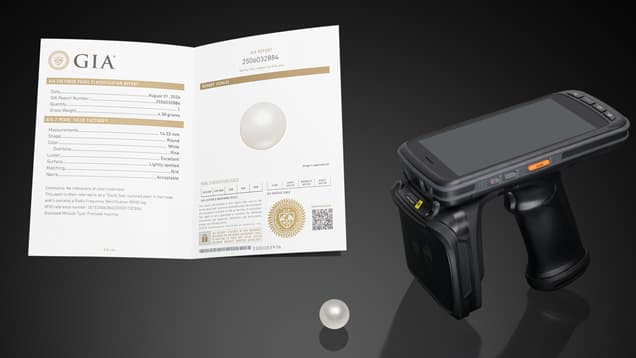
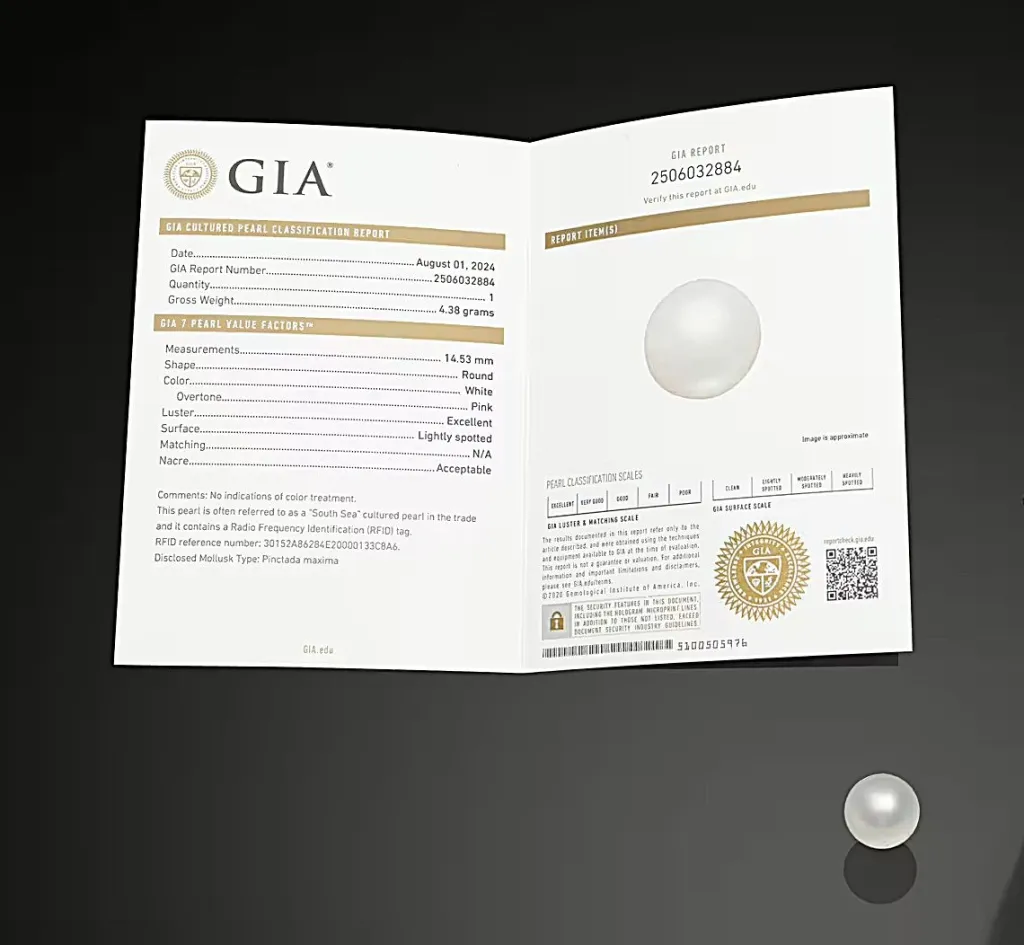
GIA said in September 2024 that some cultured pearl reports could include traceability information, adding a supply-chain record to a document long used for identification and grading. The Carlsbad, California announcement tied that layer to patented technology developed by Hong Kong-based Fukui Shell Nucleus Factory. For buyers, collectors and luxury retailers, the change gave pearls a more auditable origin story, one that could matter in resale, brand trust and fraud prevention.
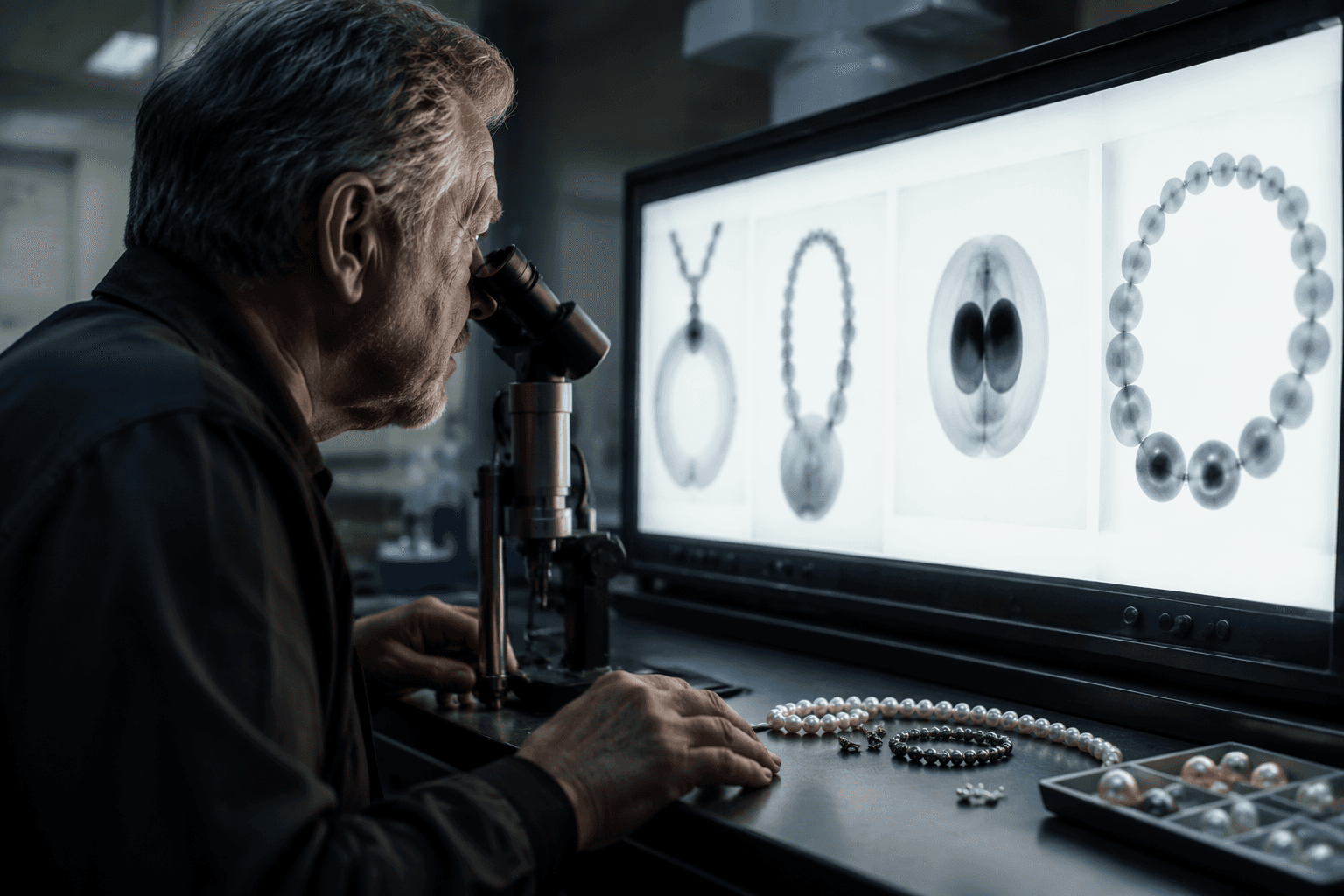
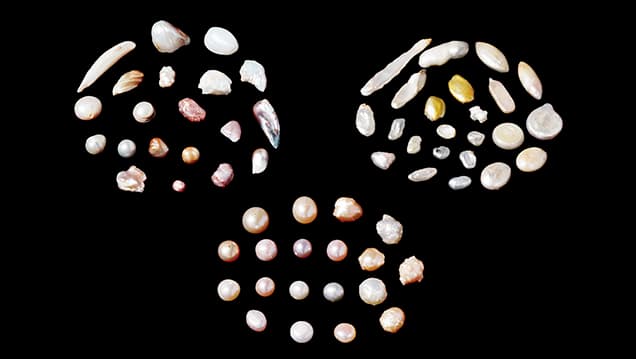
GIA’s Pearl Identification Report already listed quantity, weight, size, shape, color, origin, mollusk and environment, while its identification work distinguished natural from cultured pearls, saltwater from freshwater, and detectable treatments. Traceability did something different: it moved beyond the look of a strand to the path it took through the trade. The same glossy necklace can mask very different backstories, and bead-cultured saltwater pearls, freshwater cultured strands and historic natural pearls are not interchangeable in rarity, value or disclosure.
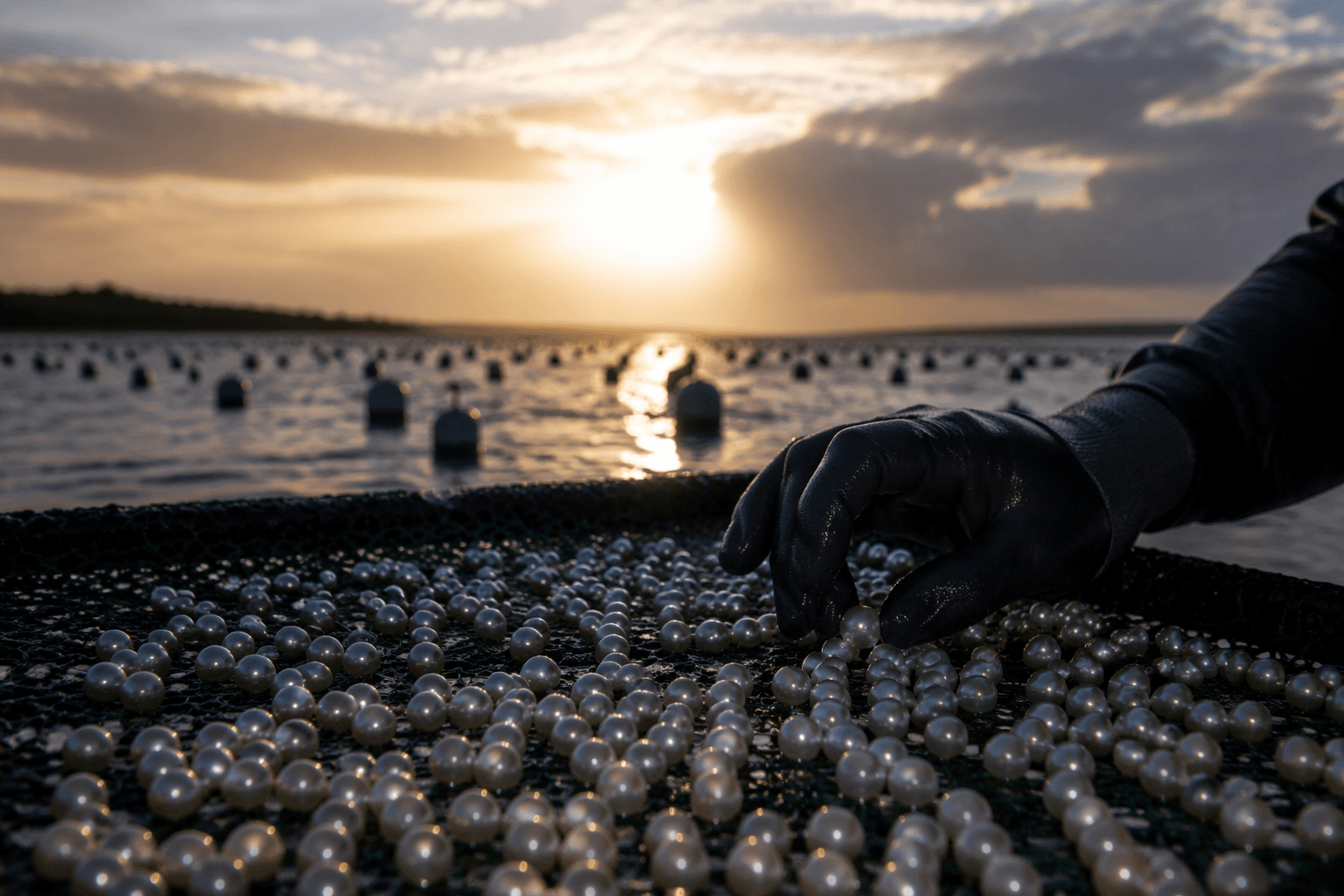
That distinction matters because pearls pass through many hands. They are cultured in different environments, sorted, matched, strung and often reset before they reach a jewelry case. Trade coverage said the new system used RFID technology embedded in or linked to bead nuclei, and some coverage specified that the feature applied to bead-nucleated cultured pearls. Fukui Shell Nucleus Factory said it had more than 20 years of experience in the pearl industry, a reminder that the technology grew out of the supply chain itself rather than from a generic tagging platform.
The market consequence is straightforward: provenance can become part of the price story. For a bridal necklace, traceability can support confidence that the strand is exactly what the seller claims. For a high-jewelry house, it can strengthen brand credibility with a documented path from nucleus to finished jewel. For resale and insurance, it can preserve evidence of identity and origin after the piece leaves the original point of sale. That is especially valuable in a category where visual similarity has often concealed very different levels of disclosure.
The update also fit a larger push for pearl transparency. GIA had already laid groundwork in a June 4, 2020 webinar that explained how nacreous and non-nacreous layers help identify whether a pearl is natural or cultured, saltwater or freshwater, and whether treatments are present. In 2024, GS1 Hong Kong published a case study on traceable pearl journeys via 1QR, and CIBJO’s 2025 Pearl Special Report referenced a single-origin pearl platform working with a blockchain traceability service. Pearls were moving closer to the disclosure standards buyers already expect in other fine jewelry categories, where origin and chain of custody can shape confidence as much as sparkle.
This article was produced by Prism’s automated news system from verified source data, official records, and press releases, then run through automated quality and moderation checks before publishing. The system is built and supervised by the people who set the standards it runs under. Read our full AI policy.
Did this article answer your question?