How gemologists tell natural pearls from cultured pearls without damage
X-radiography can expose a pearl’s hidden structure, separating rare natural pearls from cultured ones before price, resale, or inheritance decisions are made.
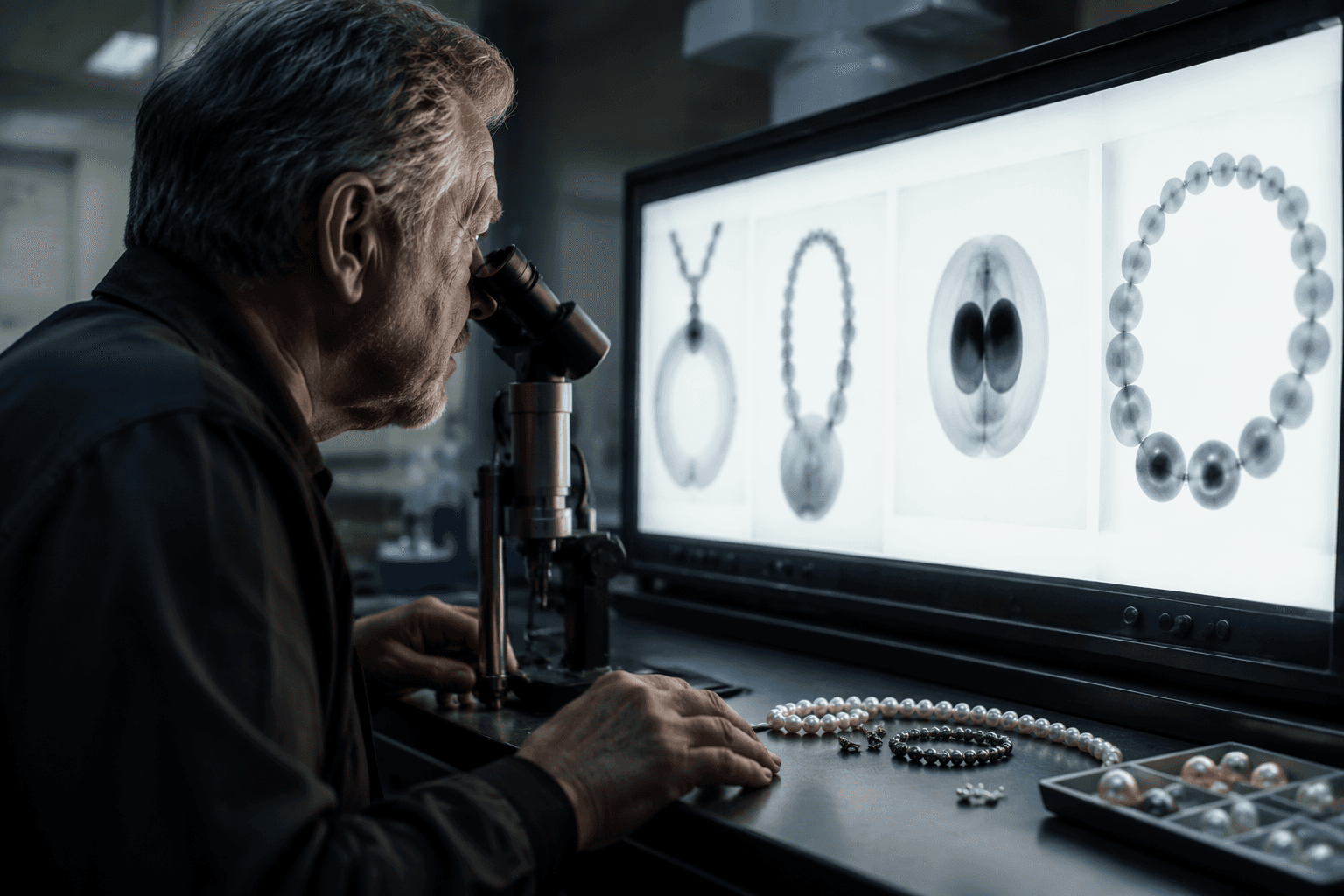
X-radiography can reveal whether a pearl formed entirely on its own or was created with human intervention. That distinction can change how a buyer values, insures, and eventually resells the piece.
Why the inside of a pearl matters more than its shine
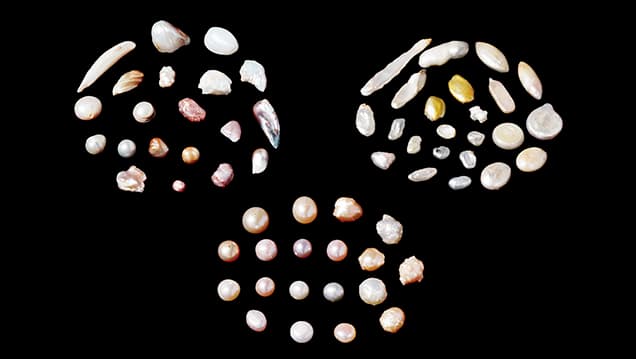
Natural pearls grow in the wild without human help. Cultured pearls are the result of human intervention, and they can be bead nucleated, tissue nucleated, or otherwise non-bead cultured, in both saltwater and freshwater mollusks. That broad range is why a strand of classic white pearls can be a routine cultured Akoya, cultured freshwater, or, far more rarely, natural pearls that were formed without assistance.
The eye cannot settle that question. Luster, age, matching, and even a convincing old-world feel do not prove origin, which is why gemologists look past appearance and into internal structure. That matters most in loose pearls, mounted earrings, strands, and antique pieces where original paperwork is missing, because a jewel can be old without being natural, and natural without looking obviously different from cultured material.
How gemologists look without damaging the jewel
GIA uses digital X-radiography, traditional visual observation, and other advanced testing equipment to determine whether a pearl is natural or cultured. Its clearest non-destructive tool is microradiography, which GIA calls the most reliable way to see a pearl’s internal structure without harming it.
A specially adapted X-ray medical unit has been used for pearl radiography since the 1950s, complete with a pearl tray and protective lead glass cover.
X-rays penetrate the pearl and reveal what the surface hides. In natural pearls, that internal view typically shows concentric ring structures with no solid nucleus. A cultured pearl, by contrast, may show a nucleus or other internal features that point to human intervention.
What the examiner is actually reading
A 2020 GIA webinar on pearl identification techniques said pearls conceal many mysteries in their nacreous and non-nacreous layers, but also many clues. Those clues can point to whether the pearl is natural or cultured, saltwater or freshwater, and what mollusk created it.
That same internal reading can also help separate natural-color pearls from treated-color pearls. Color treatment affects disclosure, and disclosure affects trust, especially when the piece is being bought as a collectible or family jewel rather than as everyday jewelry.
What a GIA report can tell you
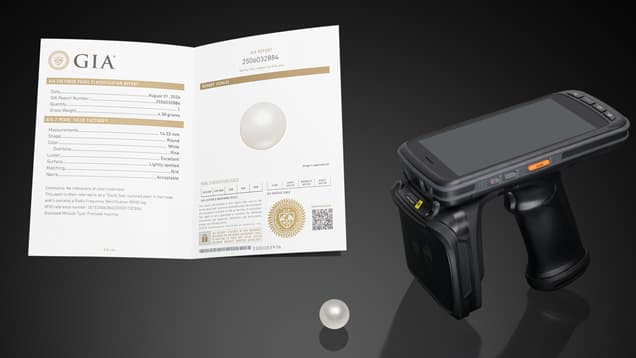
For natural pearls, GIA’s Pearl Identification Report lists quantity, weight, size, shape, color, origin, mollusk, and other details. A buyer comparing an old strand, a single statement pearl, or a pair of earrings needs to know whether the lab is describing a natural specimen, a cultured specimen, or a piece with additional color issues that affect value.
That report is especially useful when the pearl is mounted. Once a stone is set, the angle of observation can be limited, and the paper trail may have vanished decades ago. A lab result is useful for pricing, estate settlement, and the kind of documentation that helps heirs understand what they have rather than guess.
Why the market confuses the issue so easily
The cultured pearl category is large enough to cause confusion on its own. Cultured pearls come in a wide variety of colors and include several major types, which means the label “cultured” does not mean inferior, only different in origin and, often, in value structure. A white strand, a baroque freshwater necklace, and a Japanese Akoya suite can all look polished and luxurious while having very different stories inside.
History explains some of that confusion. Kokichi Mikimoto began experimenting around 1890 in Ago Bay, Japan, produced cultured pearls in 1893, and round cultured pearls in 1905. Pearl farmers in China were cultivating blister pearls in freshwater mussels as early as the 13th century.
A Nature Conservancy case study put 2021 marine pearl-oyster production at 1,415 tonnes, 0.0045% of total global aquaculture production from marine areas, with nearly $20 million in production value.
When lab confirmation changes the luxury question
A lab-confirmed natural pearl can materially change price because rarity is built into the category itself, while a cultured pearl’s value is shaped by a different market of origin, size, matching, luster, and craftsmanship. The same outward style can carry very different financial meaning once the internal structure is known.
If you are evaluating a vintage strand, a single pearl brooch, or an heirloom suite with incomplete records, X-radiography can turn a beautiful object into a properly described asset for resale, insurance conversations, and heirs who need to know whether a jewel is a common cultured piece or a natural pearl.
What to ask before you buy or inherit
Before you commit to a pearl purchase or settle an estate piece, ask for the facts that X-radiography can support. A good file should make clear whether the pearls are natural or cultured, whether color is natural or treated, and whether any mounting or stringing limited the view of the interior.
- Was the pearl identified by X-radiography or microradiography?
- Is it natural, cultured, or a mixture of categories within one piece?
- If it is cultured, is it bead nucleated, tissue nucleated, or otherwise non-bead cultured?
- Did the lab note natural color or treated color?
- If the pearls are mounted or strung, did the setting limit the internal view?
This article was produced by Prism’s automated news system from verified source data, official records, and press releases, then run through automated quality and moderation checks before publishing. The system is built and supervised by the people who set the standards it runs under. Read our full AI policy.
Did this article answer your question?